 EN
EN
STEP 1
Full vehicle warranty for 2 years
2026/08/31
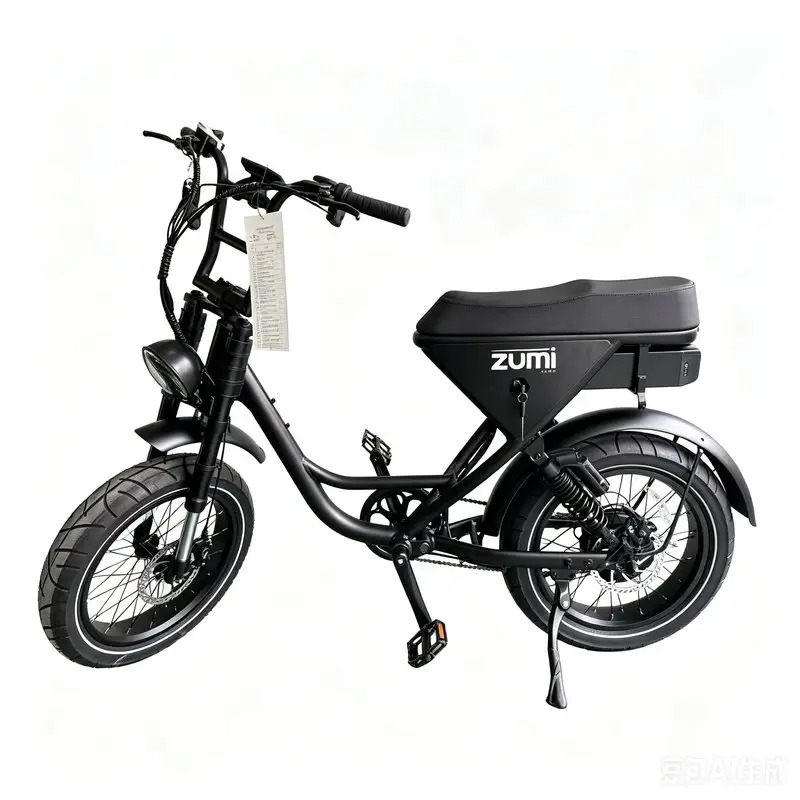
Torque sensors have become critical components in modern electric mountain bikes, especially in the competitive market of China electric mountain bikes. These sensors measure the force applied to the pedals and adjust motor assistance accordingly, creating a seamless riding experience. Understanding torque sensor accuracy directly impacts your riding comfort, efficiency, and overall satisfaction with your electric mountain bike investment.
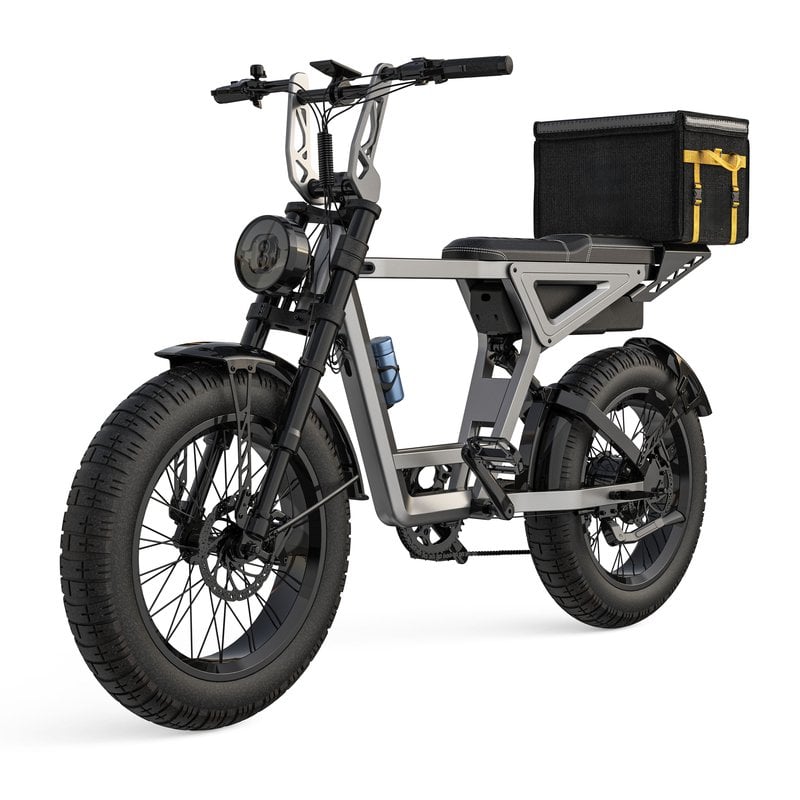
A well-calibrated torque sensor distinguishes between casual pedaling and aggressive climbing, enabling precise power delivery exactly when you need it. In the evolving landscape of electric mountain bike technology, manufacturers in China have invested heavily in sensor precision to compete globally. This article explores how torque sensor accuracy shapes the performance characteristics of modern mountain ebike systems and what riders should understand about this essential technology.
Torque sensors detect the twisting force applied at the crank arm and relay this information to the bike's controller in real time. Unlike cadence sensors that only measure pedal rotation speed, a torque sensor provides nuanced data that allows the motor to deliver proportional assistance. The China electric mountain bike market has adopted this technology widely because precision directly correlates with rider confidence and control on technical terrain.
The sensor consists of strain gauges mounted on the crank axle that measure minute deformations under load. These electrical signals are processed by the motor controller to calculate the exact torque value and multiply it by a predefined assistance factor. High-quality mountain ebike systems maintain sensor calibration throughout thousands of riding hours, ensuring consistent performance across varied riding conditions and rider preferences.
Industrial-grade torque sensors typically operate within a margin of error between 2 and 5 percent, though premium systems achieve tighter tolerances. For an electric mountain bike, this accuracy level means the motor responds almost instantaneously to rider input, creating smooth power transitions. Chinese ebike manufacturers competing in global markets have adopted precision sensors to match or exceed the performance standards set by established European and North American brands.
When sensor accuracy drifts beyond acceptable thresholds, riders experience erratic power delivery, sudden surges, or delayed response during critical moments like climbing or technical descents. A mountain ebike with poorly calibrated sensors can feel unpredictable, reducing confidence and increasing fatigue because riders must anticipate assistance instead of relying on responsive feedback. Quality control during manufacturing is therefore essential to ensure every unit meets strict accuracy benchmarks before leaving the factory.
Steep climbs demand exceptional torque sensor accuracy because even minor sensor drift translates into noticeable changes in motor assistance. When climbing a 20-degree slope, riders apply significantly more pedal force than on flat terrain, and the sensor must distinguish between this increased effort and normal riding. A precise torque sensor in a quality mountain ebike provides climbing-optimized assistance that scales seamlessly as gradient increases, while inaccurate sensors may deliver inconsistent help or fail to recognize the rider's true effort level.
Riders tackling technical climbing sections rely on precise motor modulation to maintain traction and momentum. An electric mountain bike with accurate torque feedback prevents wheel spin by delivering power proportional to pedal pressure, not fixed levels. This responsiveness is particularly valuable in rocky terrain where sensor lag could cause loss of control or require excessive rider correction.
During descents, accurate torque sensors enable braking integration that prevents motor drag and maintains rider safety. When torque input drops to zero, the sensor must recognize this instantly and cease motor assistance. Chinese ebike manufacturers have prioritized this safety feature because misaligned sensors can cause delayed power cutoff or unexpected acceleration during braking situations.
Technical descents also require the rider to manage both motor and mechanical brakes effectively. A mountain ebike with precise torque sensing allows riders to modulate brake pressure without competing against residual motor output. This coordination becomes intuitive when sensor accuracy ensures the motor mirrors rider intention exactly rather than introducing lag or overshoot.
Leading manufacturers of china electric mountain bikes employ multi-point calibration procedures during assembly to verify torque sensor accuracy. Each sensor is tested across its full operating range under controlled conditions before installation. This rigorous process ensures that sensors are not just functional but operating within design specifications that guarantee smooth power delivery across all riding scenarios.
Calibration typically involves applying known force values to the crank arm and verifying that sensor output matches expected readings. Advanced testing rigs can simulate real-world riding conditions and stress sensors under dynamic loads. Chinese ebike manufacturers utilizing these standards compete effectively in markets where reliability and performance directly influence consumer satisfaction and repeat purchases.
Torque sensor accuracy naturally degrades over time due to mechanical stress, moisture exposure, and thermal cycling. Premium mountain ebike systems incorporate sealed sensor designs and protective coatings that extend accuracy retention periods. Riders investing in electric mountain bikes should understand that periodic recalibration may become necessary after heavy use or exposure to extreme weather.
Maintenance protocols for a quality mountain ebike typically include annual sensor checks to verify continued accuracy. Some advanced systems include self-diagnostic features that alert riders to sensor drift before performance degradation becomes noticeable. This proactive approach prevents sudden power delivery changes that could compromise trail safety or rider confidence.
Recreational riders typically notice sensor inaccuracy when drift exceeds 8 to 10 percent, though professional-grade mountain ebike systems maintain accuracy within 3 to 5 percent. For most trail riding scenarios, sensors that consistently respond within this tighter range provide smooth, predictable assistance that feels natural and responsive. The better your sensor accuracy, the more intuitive your riding experience becomes across varying terrain and riding styles.
Quality-focused manufacturers employ automated calibration equipment, statistical process controls, and batch testing to maintain consistency across production runs. Each sensor undergoes individual verification before installation, and finished mountain ebike units receive final performance testing to confirm system-level accuracy. These procedures add cost but deliver the reliability that distinguishes premium electric mountain bikes from budget alternatives in highly competitive markets.
Accurate torque sensors improve battery efficiency by delivering precisely calibrated assistance that matches rider effort, eliminating unnecessary motor strain or over-assistance that drains battery capacity prematurely. An inaccurate sensor may cause the motor to deliver excessive power unexpectedly or respond sluggishly, forcing riders to compensate through altered pedaling or heavier reliance on mechanical brakes. This unpredictable behavior increases overall energy consumption, reducing range on your mountain ebike compared to systems with precise sensor calibration.
2026/08/03
Fix time zones, language gaps, and unclear protocols—boost speed, cut costs, and scale confidently.
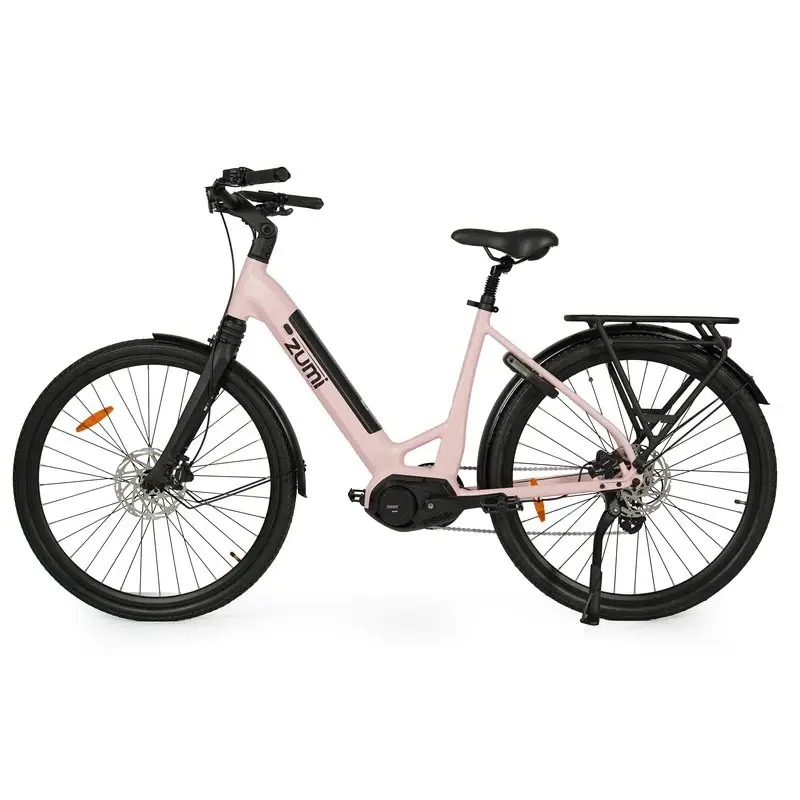
2026/08/03
Avoid liability & import bans: Learn IEC 62619, UN 38.3, and UL 2271—plus how to verify real compliance (not fakes).
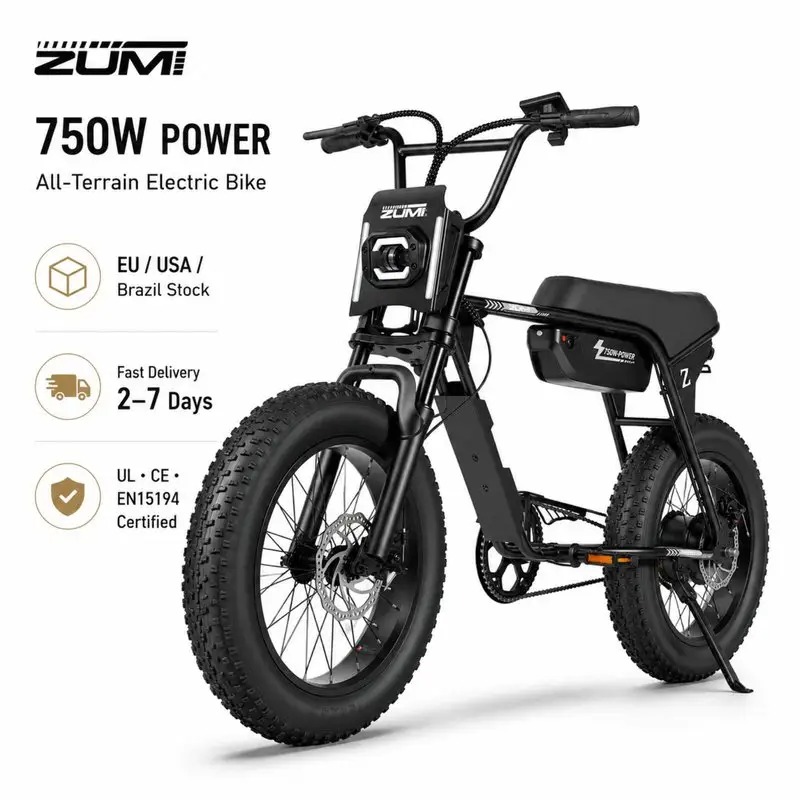
2026/08/03
Learn precise air pressure, rebound & compression tuning for optimal suspension performance. Get pro-level setup tips now.
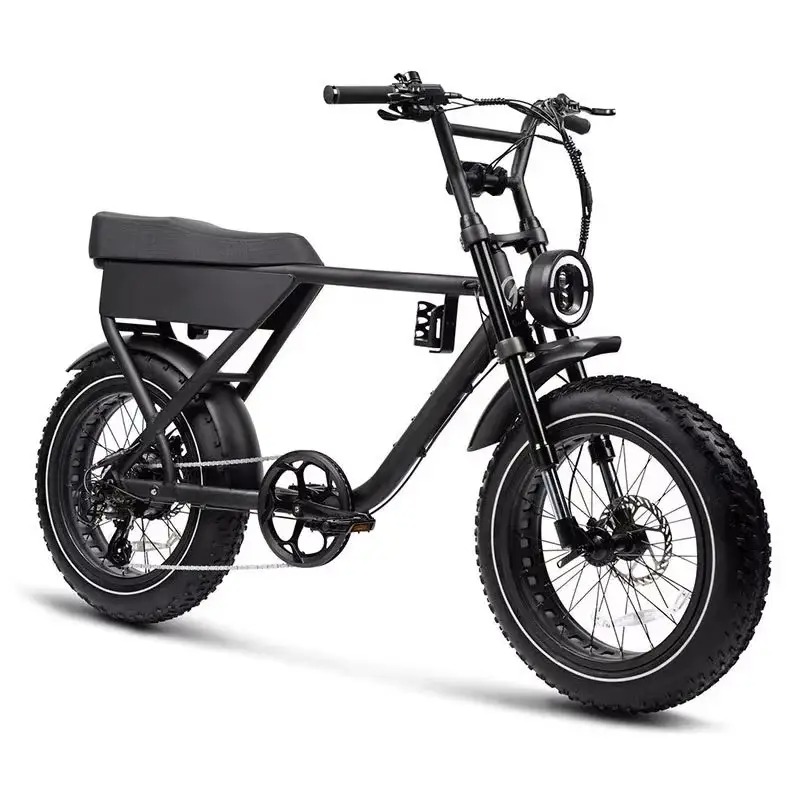
2026/08/03
Discover how voltage drop saps performance—and proven fixes to restore responsiveness, range, and battery life. Read now.
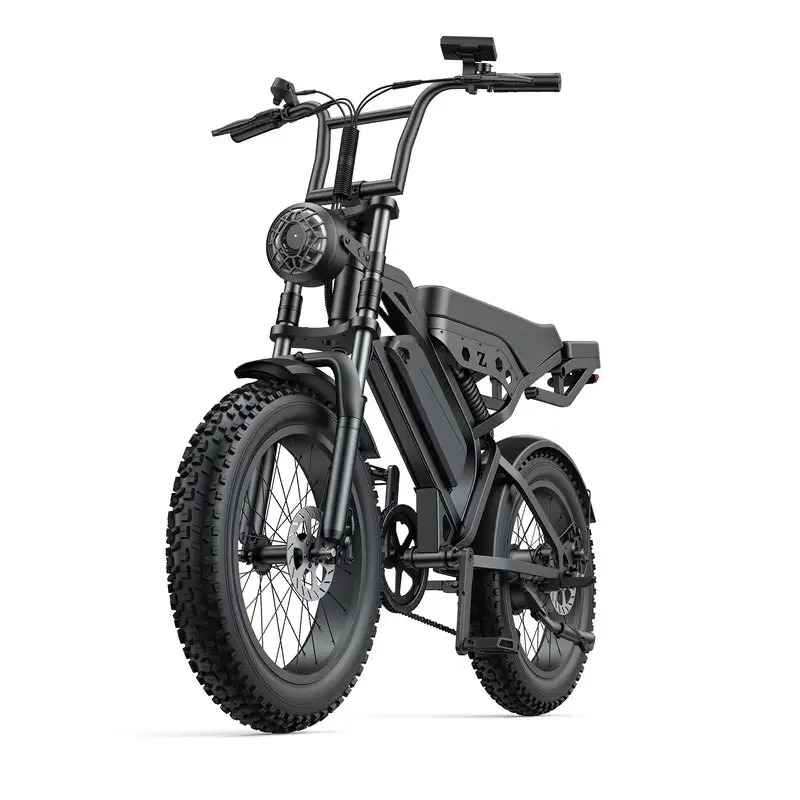
2026/08/03
Discover data-backed protocols, smart infrastructure & operational fixes. Optimize now.
2026/08/03
How payload cuts 48V cargo ebike range by 15–50%+ — backed by real-world degradation curves, motor load science & fleet optimization strategies.
Comprehensive warranty, fast parts shipping, remote diagnostics and local dealer training


