 EN
EN
STEP 1
Full vehicle warranty for 2 years
2026/08/17
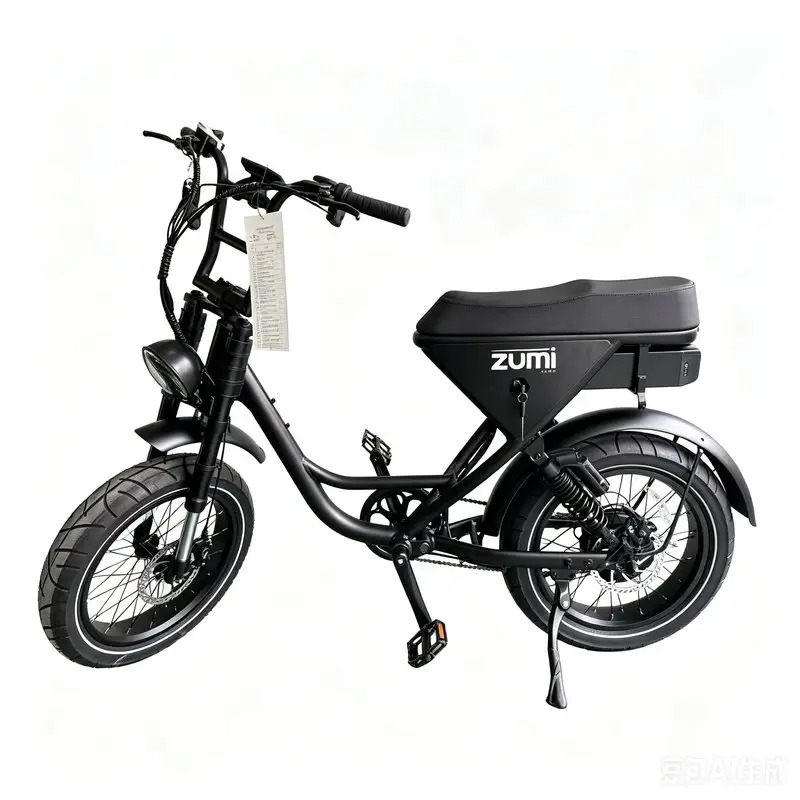
Waterproofing standards are critical for any all terrain electric bike that must withstand diverse environmental conditions. Whether you ride through muddy trails, rain-soaked forests, or river crossings, understanding waterproofing ratings and standards directly impacts the longevity and reliability of your investment. Modern all terrain ebikes face exposure to water in ways traditional bicycles never do, particularly because they integrate batteries, motors, and electronic control systems that demand rigorous protection protocols.
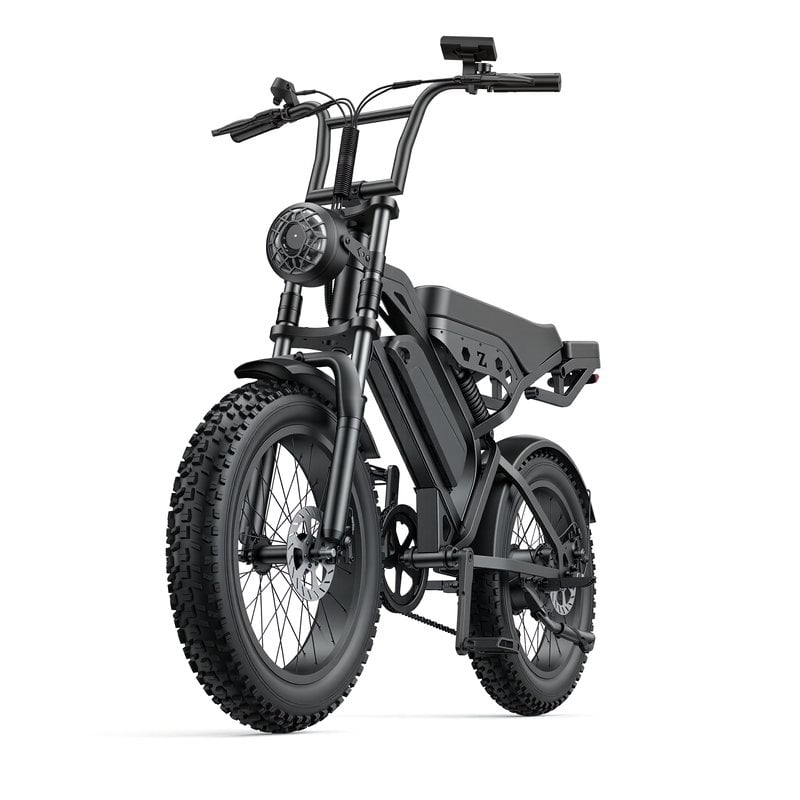
The waterproofing standards for all terrain ebikes evolved from international protection classifications and testing methodologies designed for outdoor equipment and electronics. When manufacturers rate all terrain fat tire electric bikes or all terrain electric mountain bikes, they reference established industry benchmarks that measure water ingress resistance under specific conditions. These standards protect both mechanical components and electrical systems, ensuring that your bike remains functional and safe even after exposure to challenging terrain and weather.
IP ratings represent the Ingress Protection classification system established by the International Electrotechnical Commission. For all terrain ebikes, IP ratings typically range from IP54 to IP67, with the first digit measuring protection against solid objects and the second digit measuring protection against liquids. An IP54 rating on an all terrain fat tire electric bike indicates protection against limited dust and water spray from any direction, while an IP67 rating provides complete dust protection and temporary immersion up to one meter for thirty minutes. Understanding this distinction matters when choosing your all terrain electric mountain bike and assessing its suitability for specific riding environments.
Different components of all terrain ebikes require separate waterproofing considerations and ratings. Battery enclosures typically feature the highest IP ratings, often IP65 or better, because lithium battery failure from water damage creates serious safety and fire risks. The motor housing on quality all terrain fat tire electric bikes receives similar protection standards, as motor corrosion compromises performance and creates mechanical failures. Connectors, wiring harnesses, and control modules on all terrain electric mountain bikes must meet intermediate standards, usually IP54 to IP65, to prevent short circuits and system malfunctions during wet weather operation.
Manufacturers of all terrain ebikes conduct standardized testing to verify waterproofing claims before releasing products to market. The IEC 60529 standard defines testing procedures where all terrain electric bikes are exposed to controlled water jets, spray, and immersion conditions tailored to their stated IP rating. For all terrain fat tire electric bike models claiming IP67 protection, testing involves submersion at depths up to one meter for duration periods that exceed normal riding scenarios. All terrain electric mountain bikes undergo additional cycle testing that combines water exposure with vibration and temperature variations to simulate real-world stress conditions.
Legitimate all terrain ebikes sold by established manufacturers include documentation proving third-party waterproofing verification through accredited testing laboratories. When evaluating all terrain fat tire electric bike options, look for independent certification marks and technical specifications that detail tested IP ratings for each component. Reputable brands of all terrain electric mountain bikes publish detailed waterproofing specifications because this information builds buyer confidence and demonstrates engineering rigor. The presence of verified testing reports distinguishes quality all terrain ebikes from products making unsubstantiated claims about water resistance.
Even waterproof all terrain electric bikes require regular inspection to maintain protection standards over time. Seals, gaskets, and protective coatings on all terrain ebikes degrade gradually through UV exposure, thermal cycling, and mechanical stress from rough terrain. For all terrain fat tire electric bike owners, quarterly inspections of battery compartment seals, motor housings, and connector covers help identify early signs of seal deterioration before water ingress occurs. Annual maintenance for all terrain electric mountain bikes should include reapplication of protective coatings on exposed metal components and replacement of worn seals to maintain original IP ratings.
All terrain ebikes with IP65 or IP67 ratings can tolerate substantial water exposure, but riding practices still influence long-term durability. Waterproofing standards for all terrain fat tire electric bikes assume normal splash and weather exposure rather than high-pressure washing or prolonged submersion. When using all terrain electric mountain bikes in extreme conditions, such as high-speed river crossings or extended muddy environments, allow drying periods and monitor electrical connections for corrosion signs. Even the best-rated all terrain ebikes benefit from protective storage and occasional rinsing with fresh water after saltwater or chemical-heavy terrain exposure.
For most all terrain ebikes, an IP54 minimum rating provides adequate protection for recreational trail riding, while IP65 or higher ratings suit serious off-road riders in wet climates. All terrain fat tire electric bikes and all terrain electric mountain bikes with IP67 ratings offer the broadest environmental tolerance and longest component lifespan, justifying the premium for frequent riders in challenging conditions. Consider your primary riding environment, climate, and usage frequency when selecting the appropriate waterproofing level for your all terrain ebikes.
Manufacturers conduct standardized testing according to IEC 60529 protocols using accredited independent laboratories that verify IP ratings through spray tests, immersion tests, and environmental cycling tests. All terrain electric mountain bikes undergo component-level testing to confirm protection ratings for batteries, motors, connectors, and electronic controls separately. Reputable all terrain ebikes include published test reports and certification documentation that customers can review to confirm actual protection levels.
Yes, regular maintenance such as replacing worn seals, reapplying protective coatings, and using aftermarket protective covers can extend the waterproofing durability of all terrain ebikes over time. For all terrain fat tire electric bikes and all terrain electric mountain bikes, periodic seal inspection and connector protection help maintain original IP ratings as components age. However, retrofitting significantly higher IP ratings requires professional-level intervention and replacement of sealed components that exceed typical owner maintenance capabilities.
2026/08/03
Fix time zones, language gaps, and unclear protocols—boost speed, cut costs, and scale confidently.
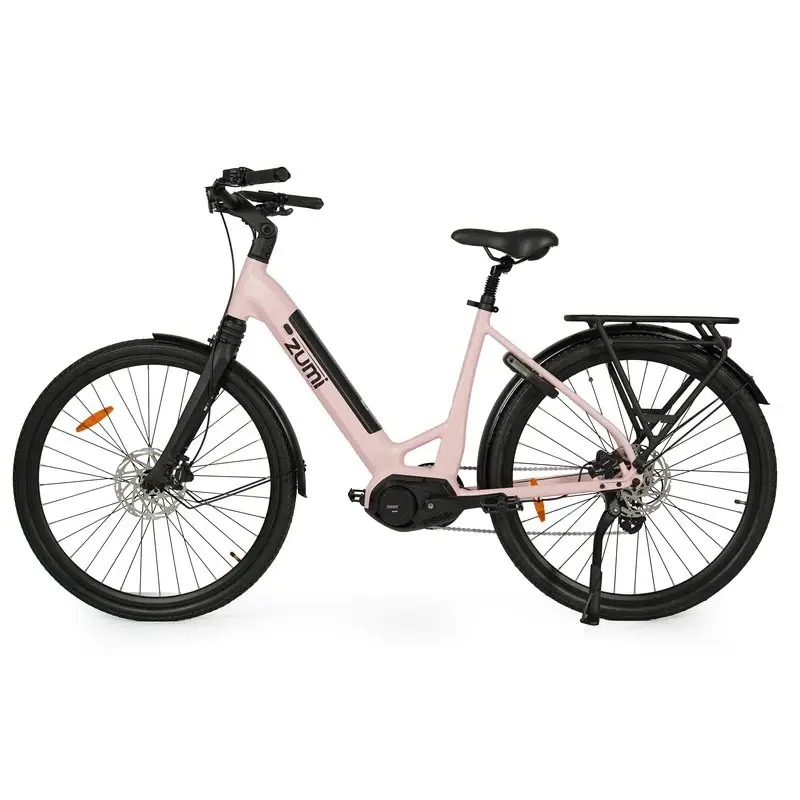
2026/08/03
Avoid liability & import bans: Learn IEC 62619, UN 38.3, and UL 2271—plus how to verify real compliance (not fakes).
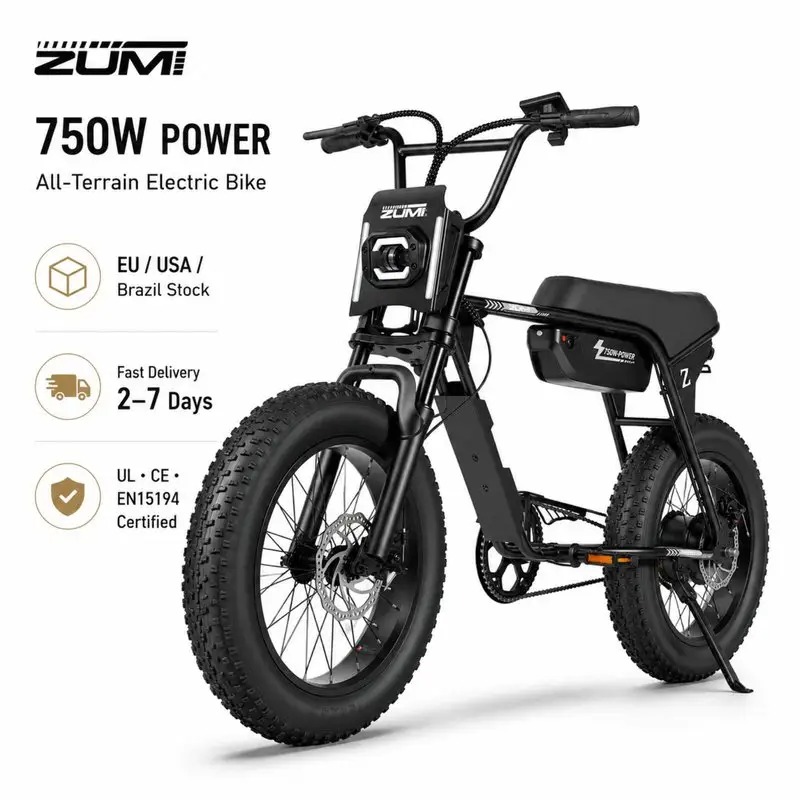
2026/08/03
Learn precise air pressure, rebound & compression tuning for optimal suspension performance. Get pro-level setup tips now.
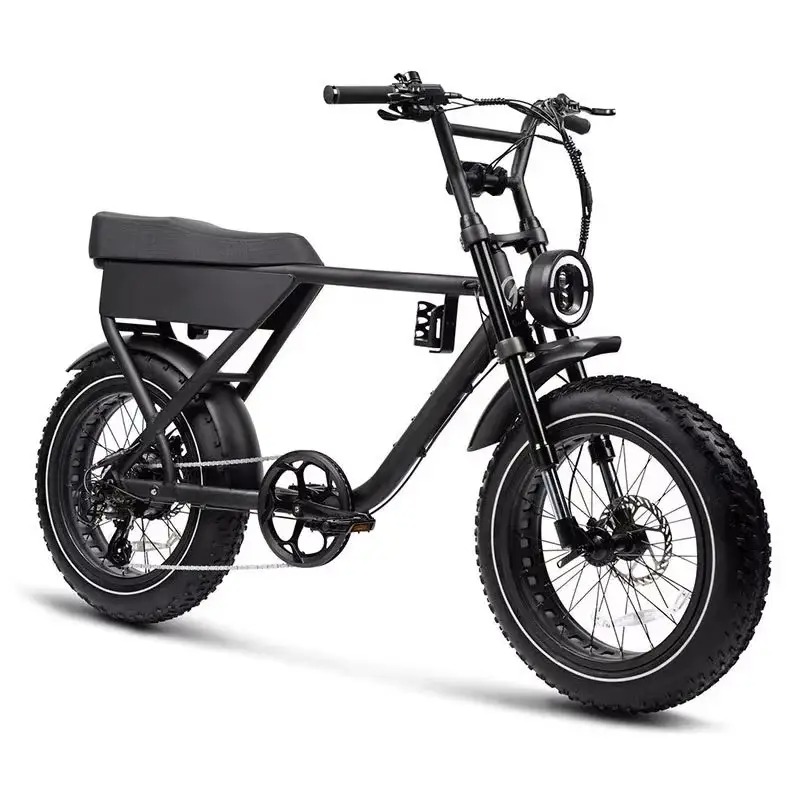
2026/08/03
Discover how voltage drop saps performance—and proven fixes to restore responsiveness, range, and battery life. Read now.
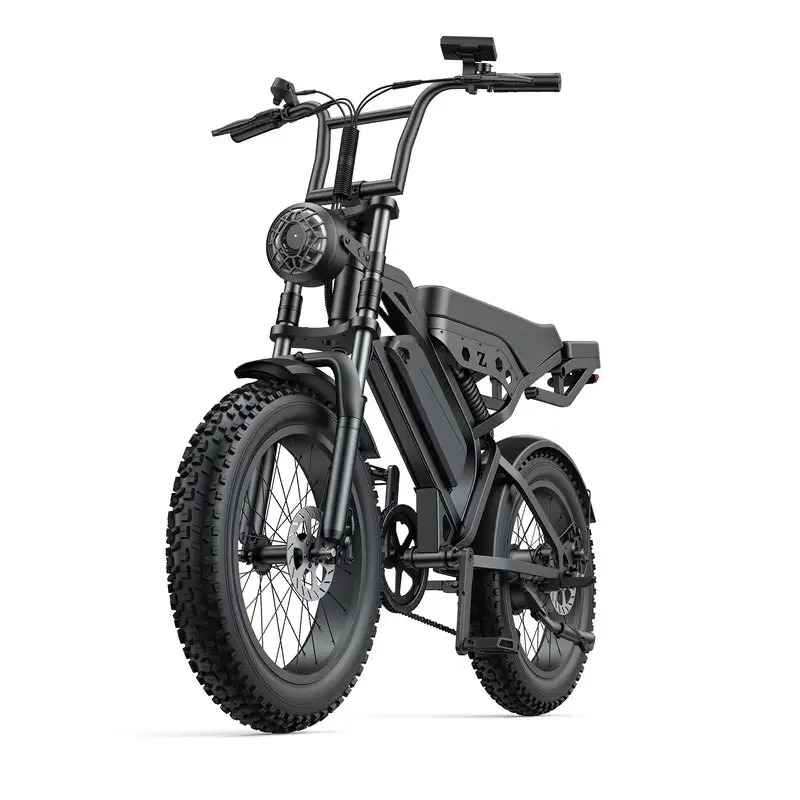
2026/08/03
Discover data-backed protocols, smart infrastructure & operational fixes. Optimize now.
2026/08/03
How payload cuts 48V cargo ebike range by 15–50%+ — backed by real-world degradation curves, motor load science & fleet optimization strategies.
Comprehensive warranty, fast parts shipping, remote diagnostics and local dealer training


