 EN
EN
STEP 1
Full vehicle warranty for 2 years
2026/08/20
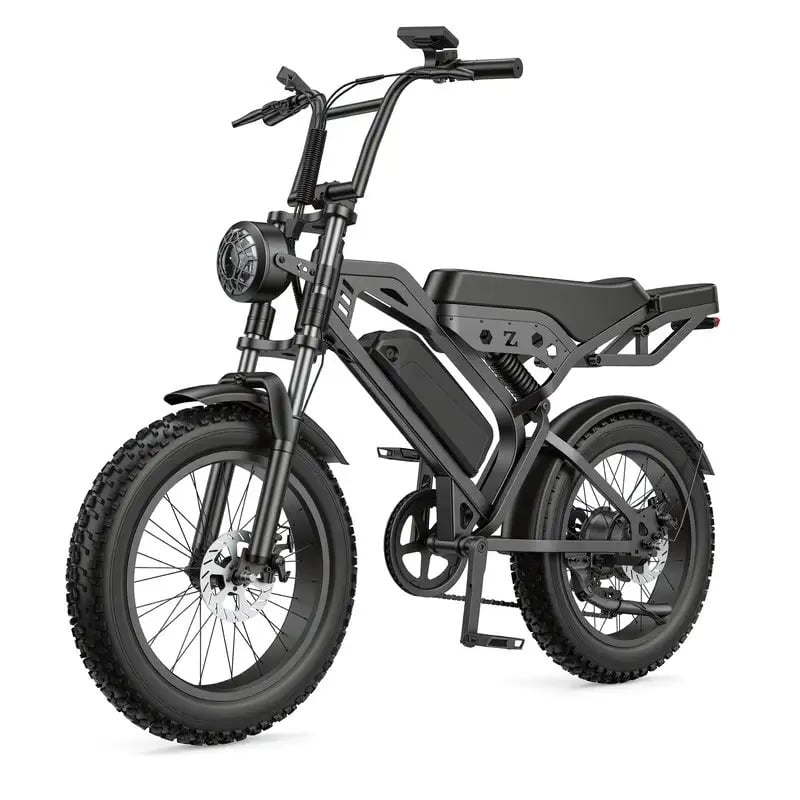
Choosing between factory-direct electric bike wholesale sources and local distributors is one of the most critical decisions for retailers, resellers, and business owners entering the e-bike market. The margin difference between these two channels can significantly impact profitability, cash flow, and long-term competitiveness. Understanding the structural differences, cost implications, and operational trade-offs between factory direct and local distributor channels helps you make an informed sourcing decision that aligns with your business model and growth strategy.
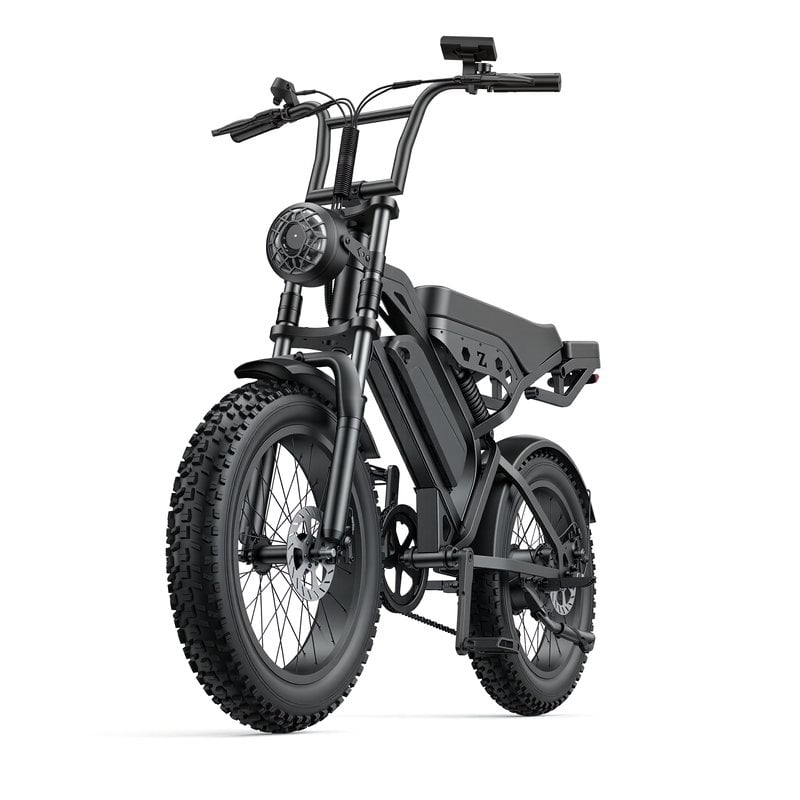
The electric bicycles factory landscape has transformed dramatically over the past decade, with manufacturing increasingly concentrated in Asia and emerging markets offering sophisticated production capabilities. This geographic shift has created new opportunities and challenges for businesses sourcing electric bikes factory inventory. Local distributors, however, provide proximity, faster delivery, and established relationships—but typically at a premium cost that compresses your margins. The decision ultimately depends on your volume requirements, capital availability, supply chain sophistication, and market positioning.
Factory-direct electric bike wholesale pricing typically offers 20 to 40 percent lower unit costs compared to local distributor channels, depending on order volume, product specifications, and production complexity. Manufacturers selling directly to retailers eliminate intermediary markups, warehousing costs, and regional distribution overhead. A factory-direct wholesale electric bikes suppliers model allows you to access cost-of-goods pricing that reflects actual production expenses, materials, labor, and logistics from origin. However, factory direct sourcing requires larger minimum order quantities, often between 50 and 500 units per SKU, which ties up significant working capital upfront.
Factory-direct sourcing means accepting longer lead times, typically 8 to 16 weeks from order placement to delivery, depending on production schedules and international shipping logistics. This extended timeline requires accurate demand forecasting and inventory planning to avoid stock-outs or excess inventory. Wholesale electric bikes suppliers operating from distant manufacturing hubs also introduce geopolitical risks, port congestion, and currency fluctuation exposure. You must build buffer stock, maintain multiple SKUs to diversify risk, and negotiate clearly defined production and delivery terms with your factory partner.
Local distributors provide electric bikes factory-equivalent products with dramatically shorter lead times, typically 1 to 5 days for in-stock items and 2 to 4 weeks for special orders. This speed allows you to respond quickly to market demand, test new SKUs with minimal inventory risk, and adjust assortment based on real-time sales data. Ebike wholesale distributor channels also offer lower minimum purchase quantities, often as few as 5 to 10 units, reducing your upfront capital requirement and inventory carrying costs. For retailers just entering the market or testing product categories, local distributors reduce operational complexity and financial exposure.
The apparent convenience of local distributors comes at a substantial cost to your profit margins. Typical distributor markups range from 15 to 35 percent above factory cost, reflecting warehousing, logistics, sales staff, credit programs, and regional overhead. When you purchase electric bicycle wholesale from a local distributor instead of factory direct, each unit's gross margin shrinks significantly, leaving less room for your own retail markup, marketing spend, and operating expenses. Additionally, distributor channels often impose strict return policies, minimum transaction values, and account minimums that lock you into less favorable terms than factory negotiations allow.
Consider a practical example: an e-bike with a factory manufacturing cost of approximately 450 dollars. A factory-direct wholesale electric bikes suppliers channel might sell it to you at 550 to 600 dollars, yielding a 22 to 33 percent gross margin when you retail it at 899 dollars. The same e-bike through a local distributor might cost 650 to 750 dollars after their markup, reducing your gross margin to 8 to 27 percent. Across a typical retail year of 500 unit sales, this margin difference translates to 50,000 to 70,000 dollars in cumulative lost profit. For growing retailers, this compounding margin advantage makes factory-direct sourcing strategically critical despite the operational complexity.
Factory-direct viability depends on your annual sales volume. Retailers selling fewer than 100 electric bikes per year typically benefit from distributor convenience because their volume does not justify factory minimum orders and working capital investment. Businesses targeting 300 to 500 annual units increasingly find factory-direct electric bike wholesale economics compelling, with payback periods of 6 to 12 months through margin recovery alone. For high-volume retailers exceeding 1000 units annually, factory direct becomes essential; the accumulated margin advantage overwhelms the operational challenges and makes distributor reliance economically untenable.
Many successful electric bicycle wholesale businesses adopt a hybrid approach: purchase core SKUs factory-direct in bulk to maximize margin and cash flow, while maintaining a distributor relationship for supplementary inventory, emergency restocking, and seasonal demand peaks. This model balances factory-direct cost advantages with distributor flexibility, reducing inventory risk while preserving responsiveness. By diversifying across both channels, you gain negotiating leverage with both partners, access to a wider product range, and operational resilience if one source experiences delays or quality issues. Wholesale electric bikes suppliers relationships can be maintained even if you source primarily from the factory, ensuring fallback options during peak seasons.
Successful factory-direct sourcing depends on clear contracts specifying quality standards, delivery schedules, payment terms, and dispute resolution mechanisms. Request transparent cost breakdowns, negotiate volume-based price tiers, and establish performance metrics that protect your business if the manufacturer fails to deliver on time or quality commitments. Building trust and communication with your factory partner over multiple order cycles strengthens your negotiating position for better pricing, priority production scheduling, and technical support. Local distributors value consistency and transaction frequency; if you're considering moving some volume to factory-direct, use this leverage to negotiate better terms with your distributor for remaining SKUs.
Most electric bikes factory manufacturers require minimum order quantities between 50 and 200 units per SKU, though this varies significantly based on product complexity, customization level, and the factory's production setup. Some factories accept lower minimums of 20 to 30 units if you commit to larger total volumes across multiple SKUs. Negotiating MOQ flexibility is a standard part of factory-direct discussions, especially if you're willing to commit to multi-year relationships or accept longer lead times.
Factory-direct pricing typically saves 20 to 40 percent per unit compared to local distributors, though the exact savings depend on product specifications, order volume, and your negotiating leverage. For a retailer purchasing 300 units annually, cumulative savings often range from 40,000 to 80,000 dollars per year when switching from distributor to factory-direct sourcing. These savings directly expand your gross margin and provide capital for marketing, inventory diversification, and business growth investments.
New entrants typically benefit from starting with local distributors to test product categories, build market knowledge, and validate demand with minimal financial risk. Once you establish consistent sales patterns and reach 200 to 300 annual units, consider transitioning core SKUs to factory-direct sourcing while maintaining a distributor relationship for flexibility. This phased approach balances learning with margin optimization, allowing you to grow profitably and build relationships with manufacturers without overcommitting capital before proving market fit.
2026/08/03
Fix time zones, language gaps, and unclear protocols—boost speed, cut costs, and scale confidently.
2026/08/03
Avoid liability & import bans: Learn IEC 62619, UN 38.3, and UL 2271—plus how to verify real compliance (not fakes).
2026/08/03
Learn precise air pressure, rebound & compression tuning for optimal suspension performance. Get pro-level setup tips now.
2026/08/03
Discover how voltage drop saps performance—and proven fixes to restore responsiveness, range, and battery life. Read now.
2026/08/03
Discover data-backed protocols, smart infrastructure & operational fixes. Optimize now.
2026/08/03
How payload cuts 48V cargo ebike range by 15–50%+ — backed by real-world degradation curves, motor load science & fleet optimization strategies.
Comprehensive warranty, fast parts shipping, remote diagnostics and local dealer training


