 EN
EN
STEP 1
Full vehicle warranty for 2 years
2026/09/01
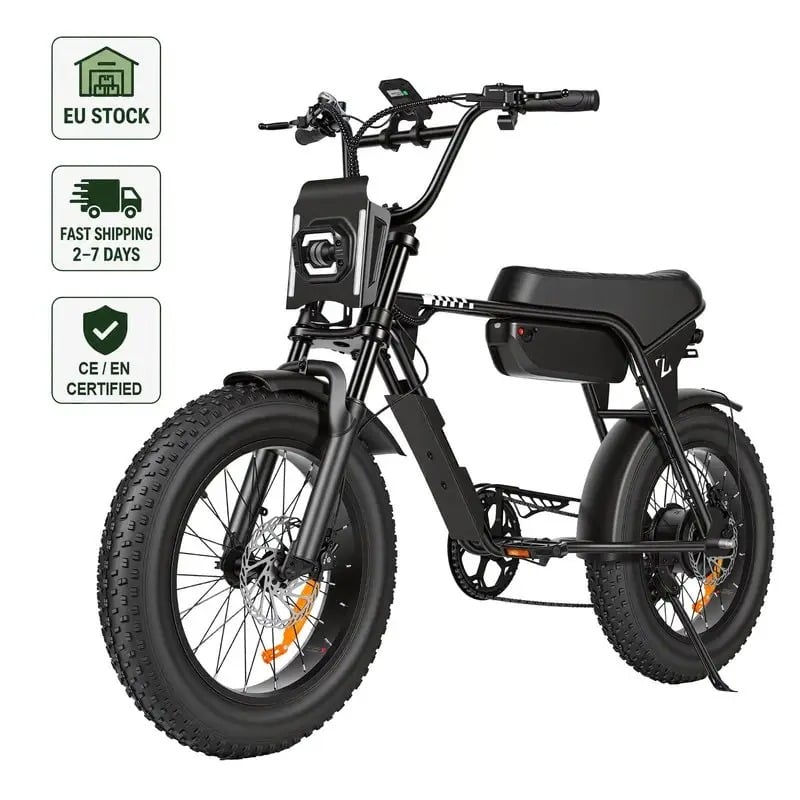
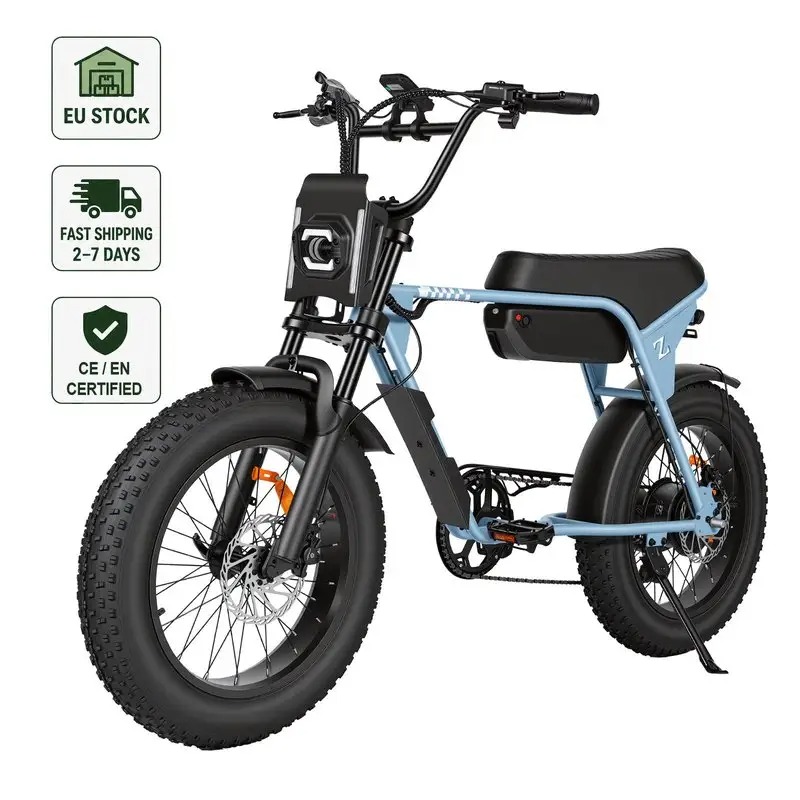
When choosing an electric bike, one of the most significant decisions involves selecting between a fat tire ebike and a thin tire ebike. The difference between these two tire profiles goes far beyond aesthetics, directly impacting how your bike handles terrain, absorbs shocks, and feels during extended rides. A fat tire ebike features tires typically ranging from 3.5 to 5 inches wide, while thin tire ebikes use tires generally between 1.5 to 2.5 inches wide. Understanding the ride comfort implications of each option is essential for making an informed purchase decision that aligns with your specific riding needs and preferences.
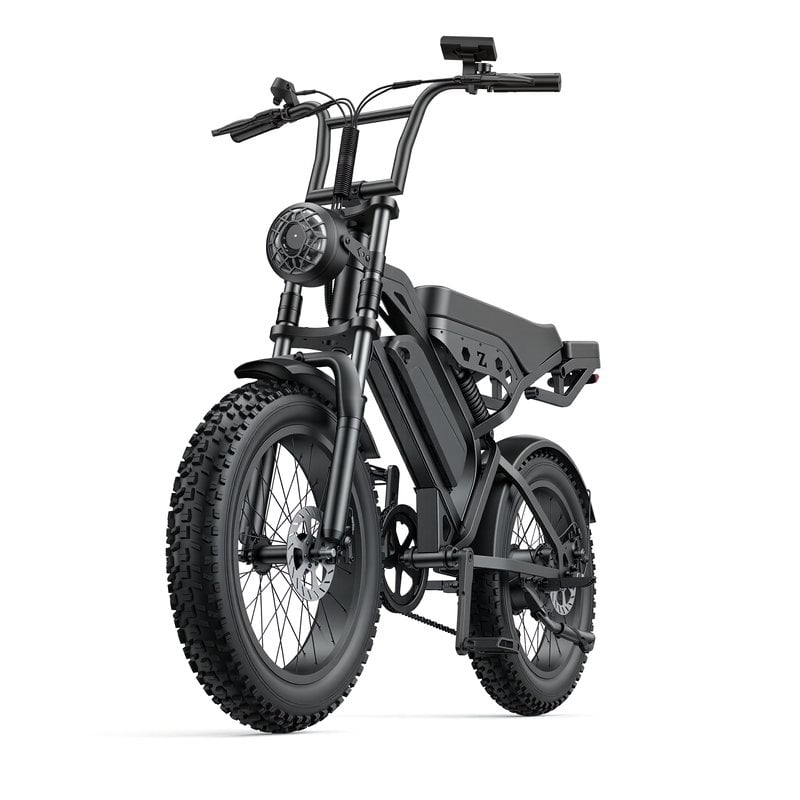
The comfort difference between these two tire types becomes immediately apparent when you ride them on varied terrain. Fat tire ebike models provide exceptional shock absorption and grip due to their larger surface area and lower tire pressure, creating what many riders describe as a 'floating' sensation over rough surfaces. In contrast, thin tire ebikes offer faster acceleration and easier maneuverability on smooth pavements, though they transmit more vibration to the rider. Your choice between a fat tire ebike cruiser and a traditional thin tire option ultimately depends on where you plan to ride most frequently and what level of impact absorption matters most to your comfort.
A fat tire ebike delivers exceptional comfort through its inherent suspension characteristics. The wider tire profile allows for lower tire pressure, typically between 5 to 15 psi compared to 50 to 100 psi on thin tires. This lower pressure acts as a natural shock absorber, significantly reducing the impact force transmitted to your body when encountering potholes, roots, rocks, and other obstacles. Riders consistently report that a fat tire ebike cruiser feels noticeably smoother on uneven terrain, making extended rides less fatiguing. The wider contact patch also distributes your weight more evenly across the ground surface, reducing pressure points and improving overall ride quality on challenging surfaces.
The fat tire ebike 750w models provide superior grip across diverse terrain types, from sand and snow to loose gravel and muddy trails. The substantial tire volume creates multiple contact points with the ground, enhancing traction when accelerating, braking, and cornering. This increased stability translates directly into rider confidence, particularly on technical terrain where grip becomes critical for safety. A fat tire ebike cruiser feels planted and predictable, allowing riders to focus on enjoying their journey rather than worrying about losing traction on unpredictable surfaces. The wide tires also help prevent sinking into soft surfaces, making these models ideal for beach rides, snow riding, and mountain exploration.
Thin tire ebikes excel on paved roads, bike paths, and smooth urban environments where ride comfort takes a different form. These models feature higher tire pressure, which creates less rolling resistance and allows your electric motor to propel the bike more efficiently. The reduced tire width means less contact patch, enabling quicker directional changes and more responsive handling through turns. Many urban commuters appreciate the agility and speed potential of thin tire designs, particularly when navigating city traffic or using bike lanes. A custom fat tire ebike might feel sluggish in these scenarios, whereas thin tire models feel nimble and quick off the line.
The primary comfort trade-off with thin tire ebikes involves vibration transmission and impact handling. Without the natural suspension benefits of larger tires, riders feel more road buzz and vibration, especially on imperfect pavement or rough asphalt. Extended rides on uneven surfaces can lead to hand fatigue and lower back strain in some riders. However, on well-maintained roads and smooth surfaces, thin tire ebikes provide adequate comfort for most users. Many riders choose thin tire models specifically for commuting and speed-focused riding, where impact absorption matters less than efficiency and responsiveness. The choice between a fat tire ebike cruiser and a thin tire model ultimately hinges on your primary riding environment and comfort priorities.
Your primary riding environment should heavily influence your tire choice. If you frequently encounter unpaved trails, beaches, snow, or significantly degraded pavement, a fat tire ebike delivers substantially better comfort and capability. The robust suspension characteristics of fat tires absorb impacts that would be uncomfortable or unsafe on thin tires. Conversely, if you primarily ride on smooth roads and urban infrastructure, a thin tire ebike provides adequate comfort with superior speed and efficiency benefits. Consider a custom fat tire ebike if you want versatility across multiple terrain types, as you sacrifice some road efficiency but gain all-terrain capability and exceptional comfort across varied surfaces.
Individual comfort tolerance varies significantly, particularly regarding vibration sensitivity and impact absorption preferences. Riders with back pain, joint sensitivity, or those recovering from injuries often find a fat tire ebike cruiser substantially more comfortable due to its superior shock absorption properties. The lower-impact nature of fat tire riding reduces strain on knees, hips, and your lower back during extended use. Conversely, younger riders or those without joint concerns might find thin tire comfort perfectly acceptable and prefer the speed and responsiveness benefits. Weight also factors into comfort decisions, as heavier riders benefit more from the shock absorption capabilities of a fat tire ebike model. Testing both options before purchasing helps ensure your choice aligns with your physical needs and preferences.
A fat tire ebike typically exhibits lower top speeds and slower acceleration compared to thin tire models due to increased rolling resistance from wider tires. However, most modern fat tire ebike 750w models provide adequate speed for recreational riding and casual commuting. The perceived difference becomes negligible on technical terrain where thin tire ebikes cannot safely operate at speed. Your experience depends largely on motor power, battery capacity, and your specific use case. If maximum speed ranks as your priority, thin tire ebikes remain superior, but if comfort and all-terrain capability matter more, the trade-off proves worthwhile.
A custom fat tire ebike absolutely works for urban commuting, though it performs differently than thin tire alternatives. The superior comfort and grip help navigate crowded city streets confidently, and the stability proves beneficial in congested environments. However, fat tires require more energy to move at urban speeds and feel less nimble in heavy traffic compared to thin tire models. Many commuters successfully use fat tire ebike cruiser models, particularly those who prioritize comfort and encounter occasional rough pavement. Your decision should factor in commute distance, road quality, and whether you value the comfort and stability advantages enough to accept slightly reduced speed efficiency.
Riding position significantly influences perceived comfort on both fat tire ebike and thin tire models. An upright, cruiser-style riding position amplifies the comfort benefits of a fat tire ebike by reducing wrist strain and distributing impact forces more evenly across your body. Aggressive forward-leaning positions commonly associated with speed-focused riding feel less comfortable on fat tires but align well with thin tire ebike designs. Your chosen riding position should match your tire selection for optimal comfort results. A fat tire ebike cruiser typically pairs with upright positioning, making both design elements work synergistically to maximize comfort and enjoyment during extended rides.
2026/08/03
Fix time zones, language gaps, and unclear protocols—boost speed, cut costs, and scale confidently.
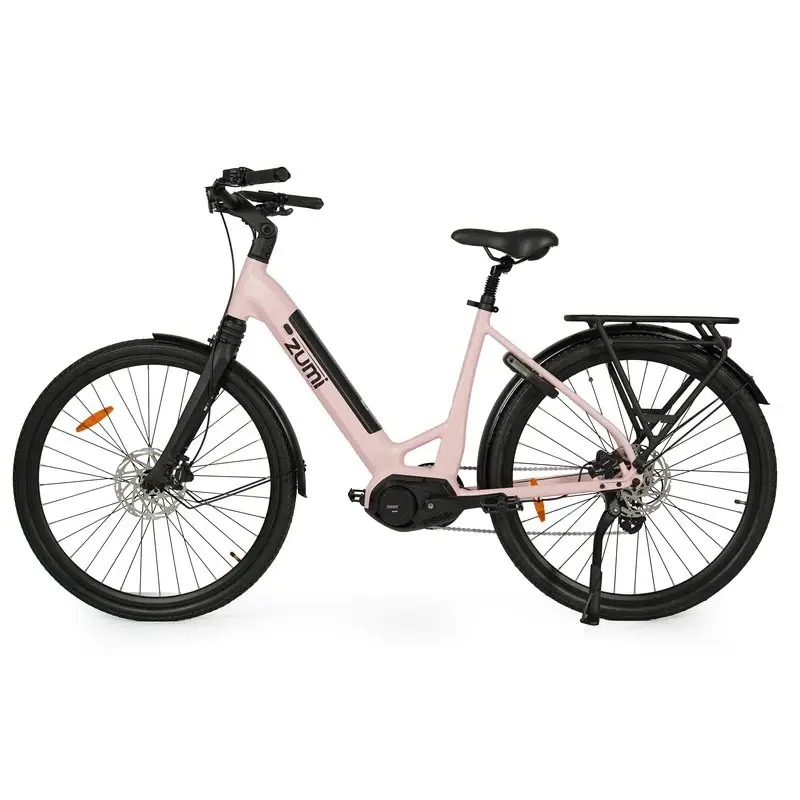
2026/08/03
Avoid liability & import bans: Learn IEC 62619, UN 38.3, and UL 2271—plus how to verify real compliance (not fakes).
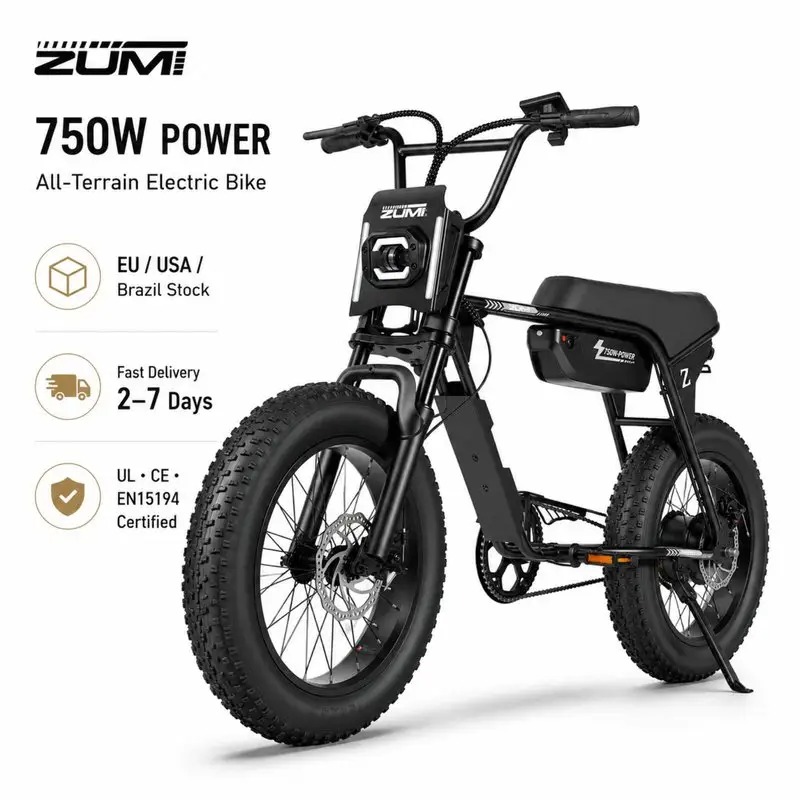
2026/08/03
Learn precise air pressure, rebound & compression tuning for optimal suspension performance. Get pro-level setup tips now.
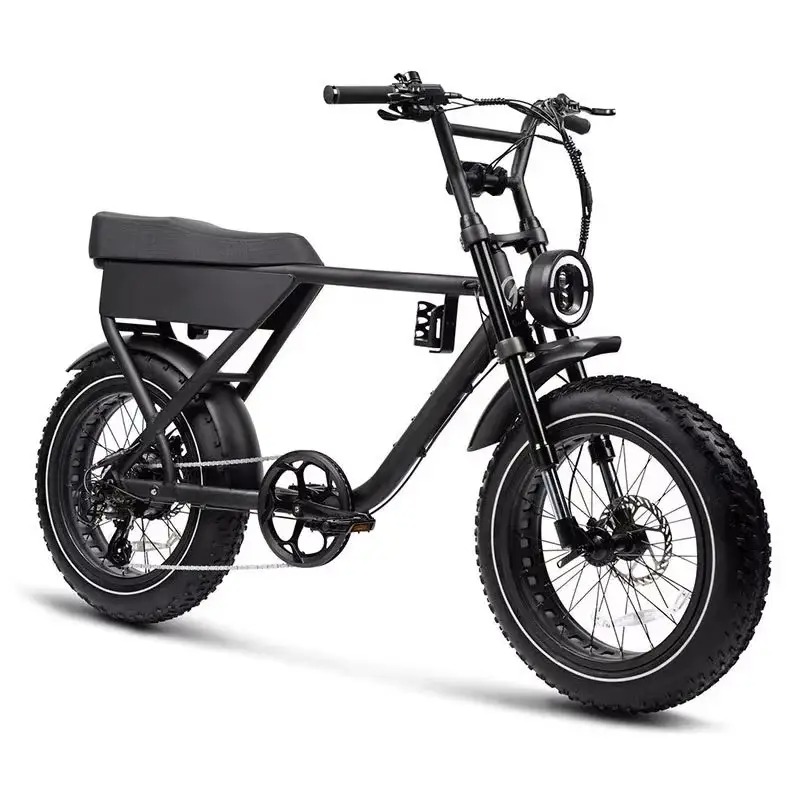
2026/08/03
Discover how voltage drop saps performance—and proven fixes to restore responsiveness, range, and battery life. Read now.
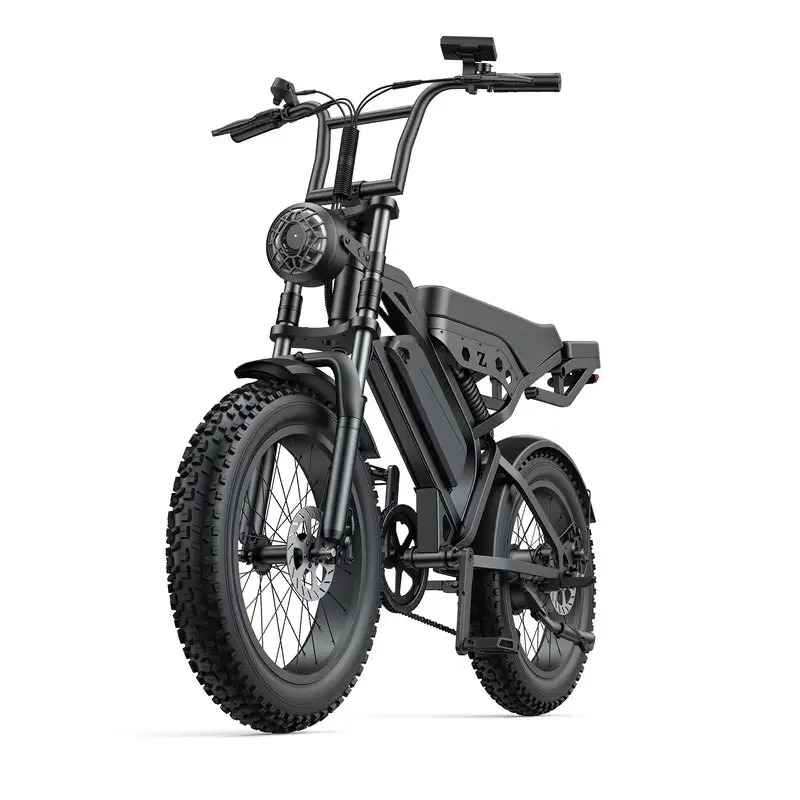
2026/08/03
Discover data-backed protocols, smart infrastructure & operational fixes. Optimize now.
2026/08/03
How payload cuts 48V cargo ebike range by 15–50%+ — backed by real-world degradation curves, motor load science & fleet optimization strategies.
Comprehensive warranty, fast parts shipping, remote diagnostics and local dealer training


