 EN
EN
STEP 1
Full vehicle warranty for 2 years
2026/08/28
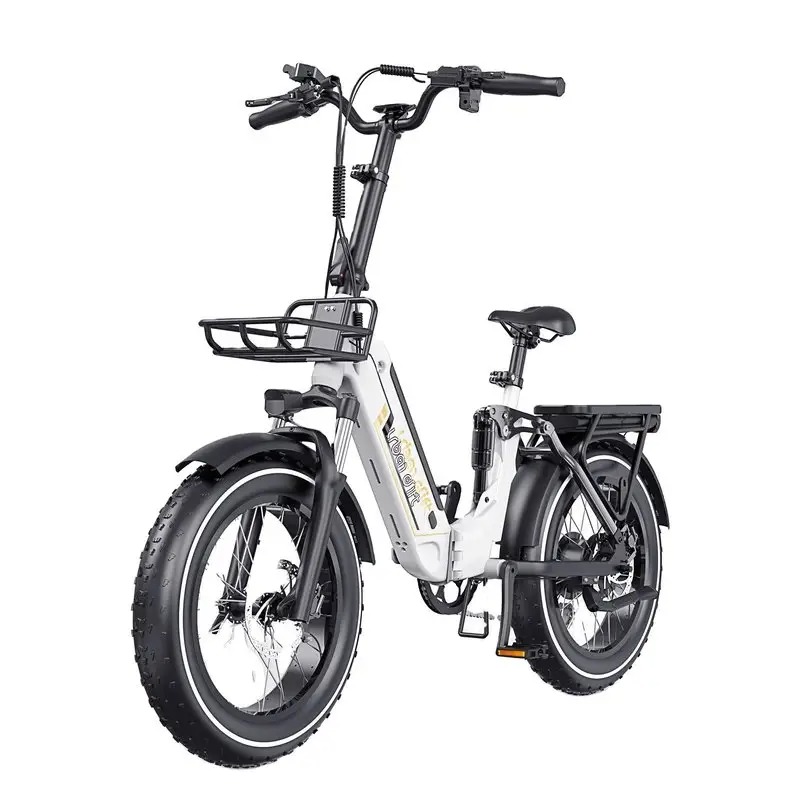
Sourcing a reliable fat tire electric bike supplier for commercial fleet operations requires careful evaluation of product specifications, manufacturing capacity, warranty coverage, and long-term partnership viability. Commercial fleets demand vehicles that combine durability, performance, and cost efficiency, and the fat tire ebike category has emerged as a practical solution for last-mile delivery, maintenance work, and short-distance urban transportation. Unlike consumer purchases, commercial fleet sourcing involves bulk ordering, customization options, and service-level agreements that directly impact operational efficiency and total cost of ownership.
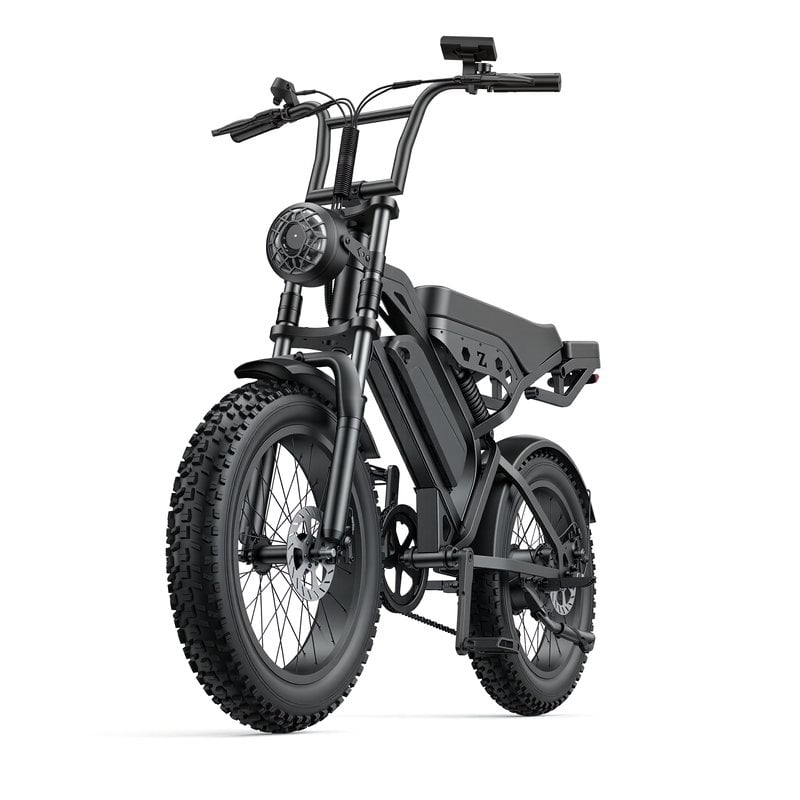
Finding the right ebike supplier for commercial purposes means balancing performance metrics such as battery capacity, motor power, weight distribution, and tire grip with the practical realities of fleet management. Commercial operations benefit significantly from fat tire designs because they provide superior traction on mixed terrain, reduce rider fatigue during extended shifts, and maintain stability under cargo loads. The electric bike wholesale market has expanded substantially, with multiple suppliers now offering tiered pricing structures, OEM customization, and dedicated fleet support programs designed specifically for businesses rather than individual consumers.
Commercial fleet operators must establish clear performance benchmarks before engaging an ebike supplier. Battery endurance directly affects daily operational range, with commercial users typically requiring 40 to 60 miles per charge depending on terrain, payload weight, and rider expertise. Motor power ratings between 500 and 750 watts provide the balance needed for consistent hill climbing and load carrying without excessive battery drain. Fat tire construction must meet specific tread depth and sidewall durability standards, particularly when vehicles operate in urban environments with mixed pavement surfaces, gravel areas, and occasional off-road conditions. Weight capacity becomes critical in fleet scenarios where riders may carry tools, packages, or equipment, making chassis reinforcement and suspension geometry essential evaluation points.
A competent fat tire ebike supplier must demonstrate manufacturing capacity aligned with your fleet growth timeline. Large commercial orders typically range from 50 to 500 units annually, requiring suppliers with consistent production schedules, quality control systems, and inventory management practices. Suppliers operating with OEM and ODM capabilities offer flexibility in branding, component sourcing, and feature customization that generic retailers cannot provide. Ask prospective suppliers about their lead times, warehouse locations, shipping logistics partnerships, and ability to handle partial shipments across multiple delivery dates. Production transparency, including factory certifications, component sourcing documentation, and quality assurance protocols, separates professional electric bike wholesale operations from smaller distributors lacking institutional infrastructure.
Battery systems represent the largest replacement cost in electric bike ownership, making this specification critical for commercial fleet budgeting. Lithium-ion cells with integrated battery management systems typically offer 800 to 1200 charge cycles before significant capacity degradation, translating to three to five years of daily commercial use. Work with your fat tire ebike supplier to understand warranty coverage on battery modules, replacement cost schedules, and options for refurbished battery packs that reduce fleet downtime. Premium ebike suppliers often provide tiered service agreements where worn batteries enter a reconditioning program rather than complete replacement, effectively extending equipment lifespan. Thermal management features, including active cooling systems and intelligent charge limiting during high ambient temperatures, preserve battery health during intensive summer operations common in many commercial fleets.
Hydraulic disc brakes, sealed bearings, and stainless steel fasteners increase upfront costs but dramatically reduce preventive maintenance demands on commercial vehicles. An electric bike wholesale supplier should provide detailed component specifications, including brake pad replacement intervals, bearing service schedules, and tire puncture resistance ratings. Fat tire designs inherently resist pinch flats due to lower operating pressures, but tread compound quality affects longevity in high-mileage scenarios. Request maintenance manuals and parts compatibility documentation before purchasing, ensuring your maintenance team can perform routine service without requiring specialized tools or proprietary expertise. Supply chain partnerships with your ebike supplier should include preferred pricing on replacement components, warranty claim processes, and technical support channels available during business hours.
Commercial fleet relationships require formal service level agreements defining response times, warranty claim procedures, and escalation protocols for equipment failures affecting operations. Professional fat tire ebike suppliers maintain technical support teams, replacement part inventories, and diagnostic capabilities that minimize vehicle downtime. Clarify whether warranty coverage includes on-site service, depot repair, or expedited replacement units while original equipment undergoes refurbishment. Service-level uptime targets, typically ranging from 95 to 99 percent availability, should be contractually defined with financial penalties or credits tied to non-compliance. Establish clear communication channels, including dedicated fleet account managers, priority support queues, and quarterly performance review meetings where usage data informs procurement adjustments for subsequent fleet expansions.
Electric bike wholesale suppliers offering ODM services can integrate your fleet branding, custom color schemes, and company-specific safety features into production batches. Fleet vehicles often benefit from integrated GPS tracking systems, fleet management software integration, and custom dashboard displays that standard consumer models lack. Negotiate minimum order quantities required for customization, lead times for branded production runs, and flexibility to modify specifications as your operational requirements evolve. Quality control provisions should mandate 100 percent safety testing before shipment, including brake performance verification, electrical system continuity checks, and tire pressure validation at the supplier facility. This upstream quality assurance prevents arrival defects and reduces initial commissioning workload for your fleet operations team.
Commercial-grade batteries should offer 48-volt systems with 13 to 17 amp-hour capacity, providing 600 to 800 watt-hours of energy storage. Suppliers must furnish detailed cycle life data, temperature operating ranges, charge time specifications, and warranty periods covering manufacturing defects. Battery management systems should include overcharge protection, cell balancing, and thermal monitoring to optimize longevity in intensive commercial use scenarios.
Most fat tire ebike suppliers establish wholesale pricing tiers starting at 25 to 50 units for small commercial operations, with volume discounts increasing substantially at 100, 250, and 500-unit thresholds. Larger fleets often qualify for custom component sourcing, extended payment terms, and dedicated production scheduling that individual consumers cannot access. Discuss your anticipated growth trajectory with suppliers to identify pricing roadmaps and reserve production capacity for future expansions.
Professional arrangements typically include 2-year comprehensive warranties covering frame, motor, and electrical components, with battery warranties separately defined at 12 to 18 months. Suppliers should provide replacement units during warranty claim processing, spare component availability for preventive maintenance, and technical support access beyond standard business hours. Service level agreements should specify maximum response times for critical equipment failures and financial remedies if support commitments are unmet.
2026/08/03
Fix time zones, language gaps, and unclear protocols—boost speed, cut costs, and scale confidently.
2026/08/03
Avoid liability & import bans: Learn IEC 62619, UN 38.3, and UL 2271—plus how to verify real compliance (not fakes).
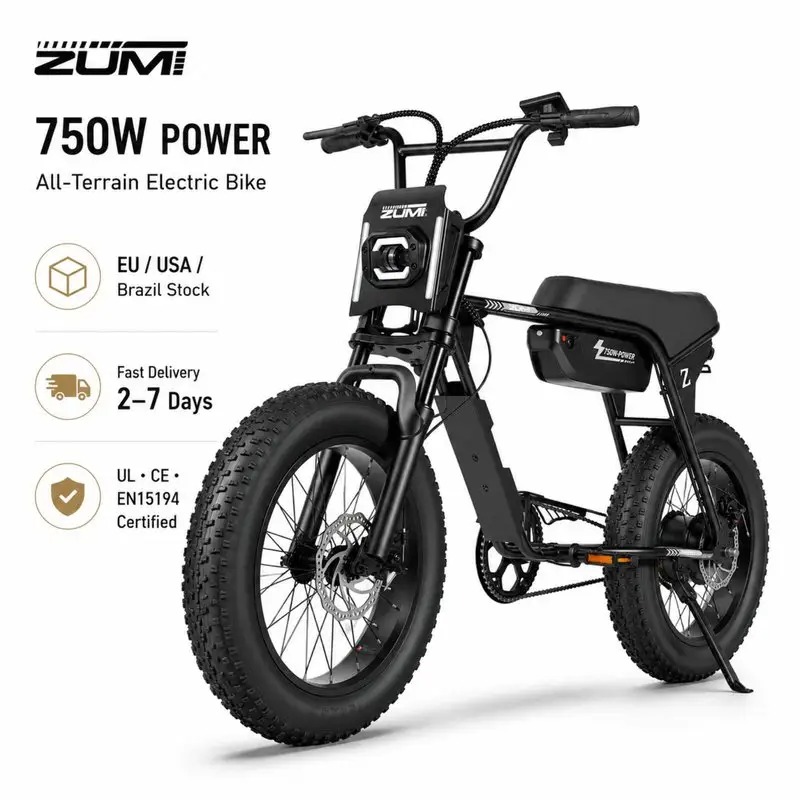
2026/08/03
Learn precise air pressure, rebound & compression tuning for optimal suspension performance. Get pro-level setup tips now.
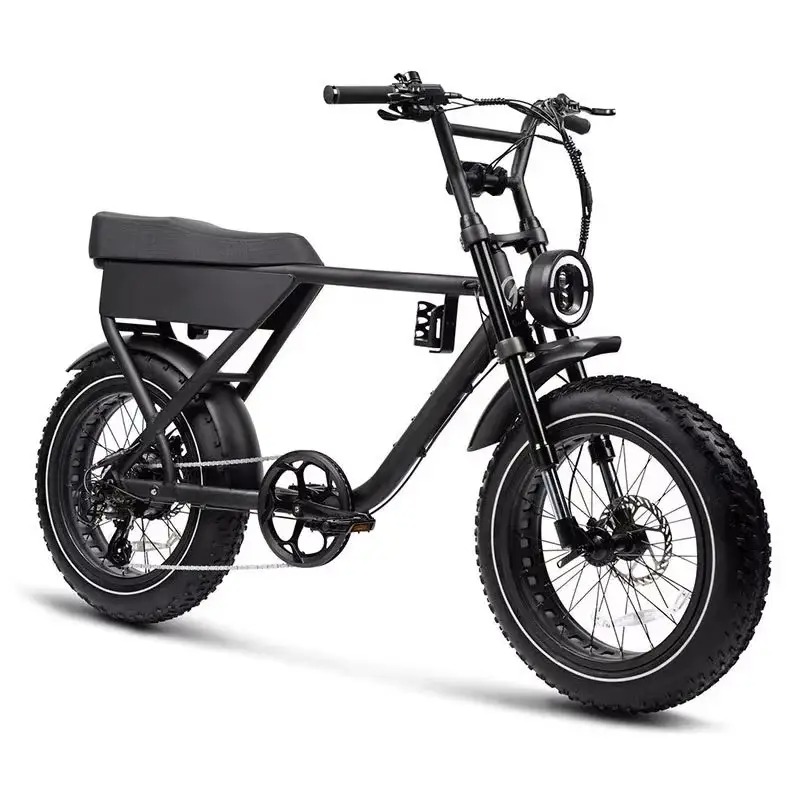
2026/08/03
Discover how voltage drop saps performance—and proven fixes to restore responsiveness, range, and battery life. Read now.
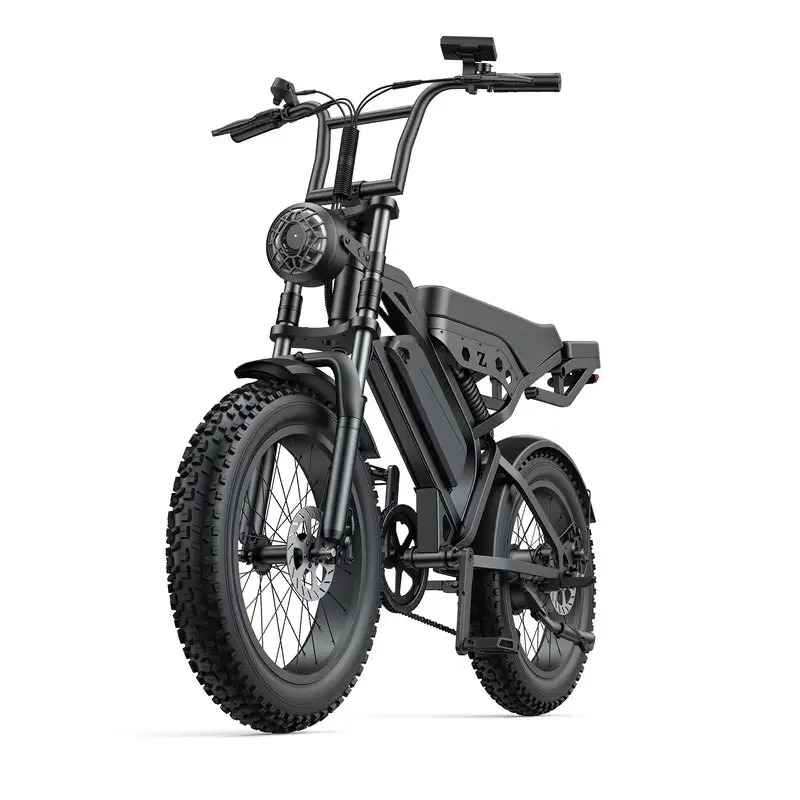
2026/08/03
Discover data-backed protocols, smart infrastructure & operational fixes. Optimize now.
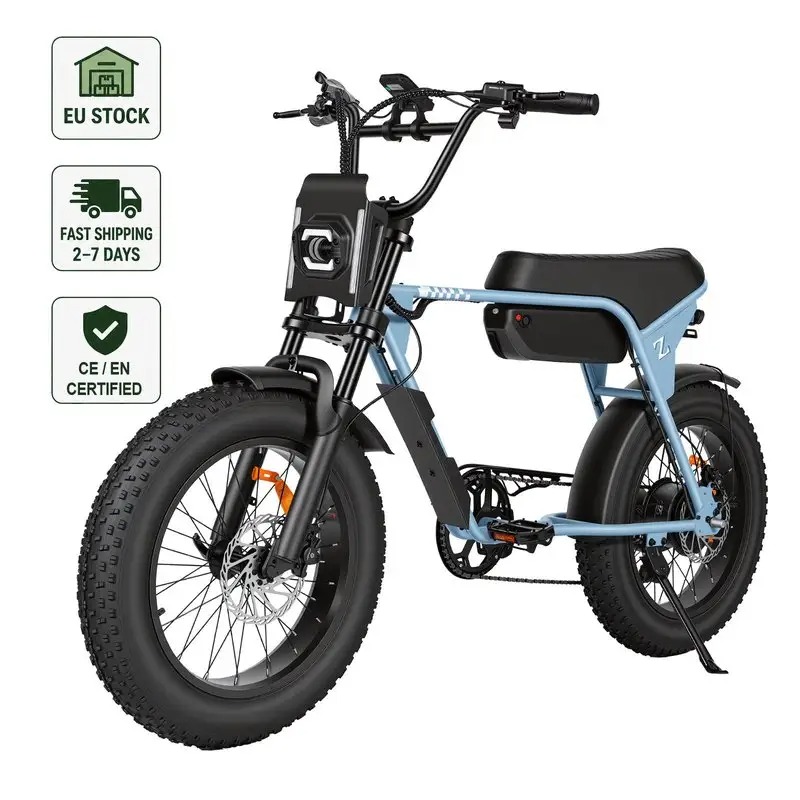
2026/08/03
How payload cuts 48V cargo ebike range by 15–50%+ — backed by real-world degradation curves, motor load science & fleet optimization strategies.
Comprehensive warranty, fast parts shipping, remote diagnostics and local dealer training


