 EN
EN
STEP 1
Full vehicle warranty for 2 years
2026/09/04
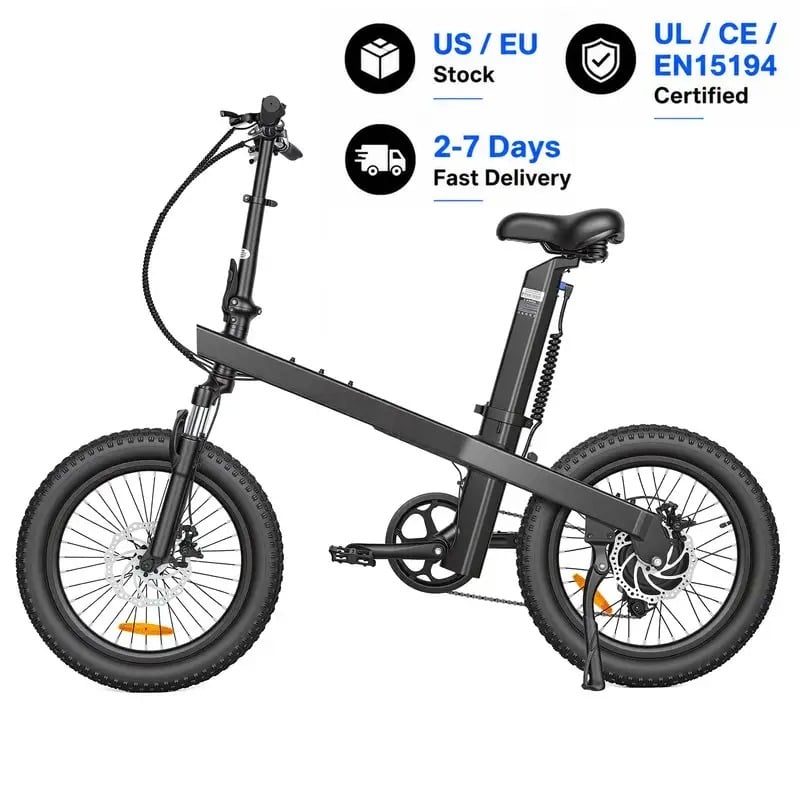
Corporate fleet customization has become a strategic advantage for organizations seeking to deploy sustainable transportation solutions across their operations. When ordering a custom electric bike fleet, companies must balance employee preferences, operational requirements, safety compliance, and total cost of ownership. This strategic approach differs significantly from purchasing standard off-the-shelf models, as bulk customization allows organizations to align bike specifications directly with workplace demands, terrain conditions, and workforce demographics.
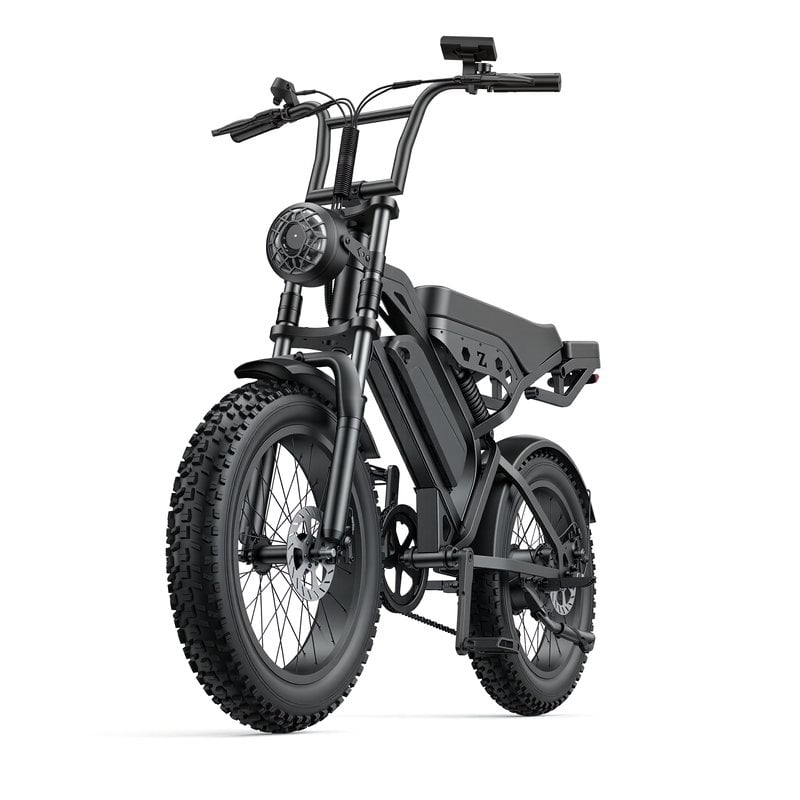
Building an effective corporate electric bike program requires understanding the nuances of custom built e bikes and how they serve diverse workforce needs. Organizations investing in custom made electric bikes benefit from reduced maintenance complexity, improved user adoption rates, and demonstrated environmental commitments that resonate with modern employees. The following tactics provide actionable guidance for procurement teams, fleet managers, and sustainability officers responsible for implementing large-scale custom e bikes for sale initiatives within their organizations.
The foundation of successful fleet customization begins with comprehensive needs assessment. Organizations must evaluate commute distances, terrain topography, weather conditions, and employee physical capabilities to determine appropriate motor power, battery capacity, and frame sizes for their custom electric mountain bike selections. Workplace terrain analysis reveals critical specifications: urban flat routes may require lower wattage systems, while hilly or off-road environments demand higher torque capabilities and suspension engineering. Additionally, seasonal considerations influence battery range requirements and weatherproofing specifications necessary for year-round reliability.
Custom e bikes for sale should reflect the actual user population rather than generic assumptions. Age distribution, physical fitness levels, prior cycling experience, and accessibility requirements shape frame geometry, seat positioning, and control interface complexity. Conducting employee surveys and pilot testing programs with representative user groups ensures that custom built e bikes meet practical demands before full fleet deployment. Organizations discovering that 40 percent of employees prefer step-through frames or that 65 percent require hydraulic disc brakes can now bake these preferences into standardized specifications rather than managing fragmented individual requests.
Rather than offering unlimited customization options that complicate supply chain management, successful organizations develop two or three tiered custom made electric bikes configurations addressing distinct use cases. A 'Standard Urban' tier might feature 250-watt motors, 400Wh batteries, mechanical disc brakes, and rigid frames suitable for flat terrain commuting. A 'Performance All-Terrain' tier could include 500-750 watt motors, 600Wh batteries, hydraulic disc brakes, and suspension forks for mixed terrain environments. A 'Extended Range' tier addresses longer commutes with 750-watt motors and 1000Wh battery systems for regional distribution centers or campus-wide deployments. This structured approach allows custom e bikes to remain flexible while maintaining procurement economies of scale and inventory predictability.
Strategic material and component selection dramatically reduces complexity in custom electric bike fleet management. Specifying aluminum frames from a single manufacturer ensures consistent handling characteristics and warranty support across the entire fleet. Selecting standardized drivetrains from established suppliers simplifies spare parts inventory and technician training requirements. Organizations implementing fleet-wide custom made electric bikes benefit tremendously from standardized brake systems, similar wheel sizes, and compatible charging infrastructure. When service technicians encounter identical systems across fifty bikes rather than fifty unique configurations, troubleshooting efficiency improves, warranty administration simplifies, and inventory carrying costs decline significantly.
Rolling out custom built e bikes across large organizations requires thoughtful phasing rather than simultaneous full-fleet introduction. Pilot programs with volunteer departments validate specifications, train technicians, and generate authentic employee testimonials before wider adoption. Early deployment phases with custom e bikes for sale reveal unexpected requirements: certain routes may demand higher cargo capacity, specific user populations may need different handlebar heights, or maintenance intervals may require adjustment based on actual usage patterns. Phased approaches also allow procurement teams to negotiate better pricing for later phases based on lessons learned from initial deployments, ultimately improving returns on investment for custom made electric bikes initiatives.
Successful custom electric mountain bike fleet programs establish dedicated maintenance protocols and train internal technicians or partner with specialized service providers. Organizations with twenty or more custom e bikes benefit from investing in diagnostic tools specific to their selected motors and battery systems. Preventive maintenance schedules addressing tire pressure, brake pad wear, battery health monitoring, and drivetrain lubrication extend vehicle lifespan and maintain safety compliance. Establishing clear escalation procedures for out-of-warranty issues, warranty claim processes, and replacement bike availability ensures employee satisfaction and minimizes commute disruptions. Documentation systems tracking service history, component failures, and performance data inform future custom made electric bikes purchasing decisions and identify opportunities for specification refinement across successive fleet cohorts.
Motor power selection depends on terrain, commute distance, and employee body weight distribution. Urban flat routes typically support 250-350 watt systems, while mixed terrain environments generally require 500-750 watt motors. Organizations should analyze their specific topography, average commute distances, and employee demographics before specifying custom built e bikes. Testing pilot units on representative routes validates whether selected power levels deliver satisfactory performance without oversizing and unnecessary cost.
Standardizing on single battery architecture ensures that all custom e bikes share compatible charging infrastructure, replacement units, and maintenance procedures. Selecting established battery manufacturers with proven reliability records and strong warranty support minimizes supply chain disruptions. Organizations should specify identical voltage systems, connector types, and capacity ratings across all custom electric mountain bike models within their fleet tiers. This standardization dramatically simplifies inventory management and reduces technician training complexity.
Comprehensive warranty coverage should address frame defects, motor performance guarantees, battery degradation thresholds, and component failures for extended periods, typically two to three years for corporate fleet applications. Organizations should negotiate manufacturer support for fleet-wide issues, expedited replacement procedures, and documented maintenance requirements that protect warranty validity. Establishing clear escalation paths between internal fleet managers and manufacturer representatives ensures rapid resolution when issues affect multiple custom e bikes for sale units, minimizing operational disruption and maintaining employee confidence in the program.
2026/08/03
Fix time zones, language gaps, and unclear protocols—boost speed, cut costs, and scale confidently.
2026/08/03
Avoid liability & import bans: Learn IEC 62619, UN 38.3, and UL 2271—plus how to verify real compliance (not fakes).
2026/08/03
Learn precise air pressure, rebound & compression tuning for optimal suspension performance. Get pro-level setup tips now.
2026/08/03
Discover how voltage drop saps performance—and proven fixes to restore responsiveness, range, and battery life. Read now.
2026/08/03
Discover data-backed protocols, smart infrastructure & operational fixes. Optimize now.
2026/08/03
How payload cuts 48V cargo ebike range by 15–50%+ — backed by real-world degradation curves, motor load science & fleet optimization strategies.
Comprehensive warranty, fast parts shipping, remote diagnostics and local dealer training


