 EN
EN
STEP 1
Full vehicle warranty for 2 years
2026/08/05
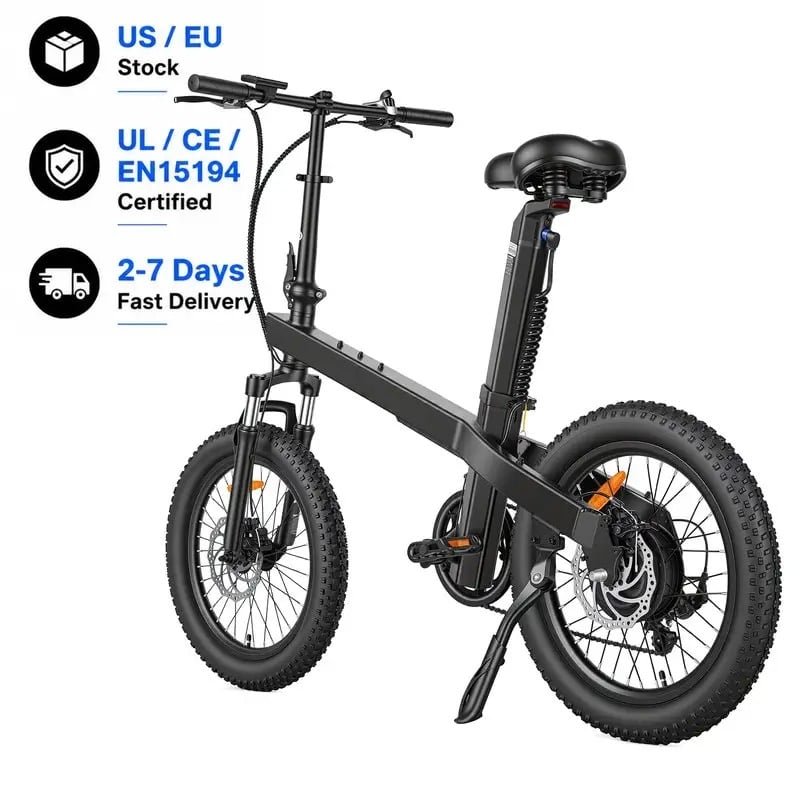
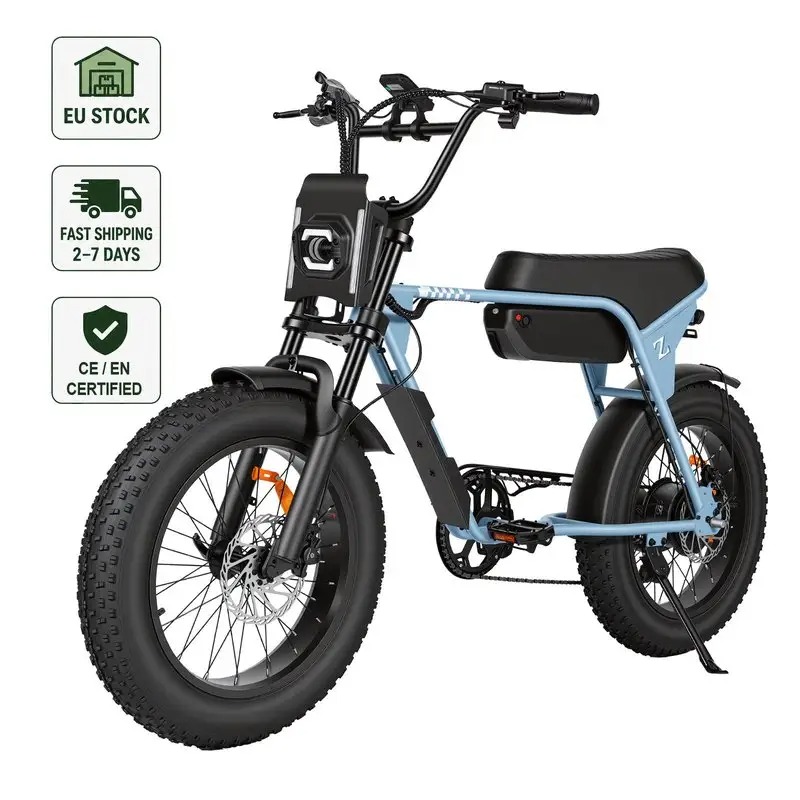
Fleet optimization represents a critical challenge for logistics companies, delivery services, and urban transportation networks seeking to reduce operational costs while improving sustainability. Custom made electric bikes have emerged as a transformative solution for optimizing last-mile delivery fleets, offering flexibility, reduced maintenance expenses, and environmental benefits that traditional vehicles cannot match. Organizations implementing custom ebike solutions report significant improvements in route efficiency, employee satisfaction, and carbon footprint reduction.
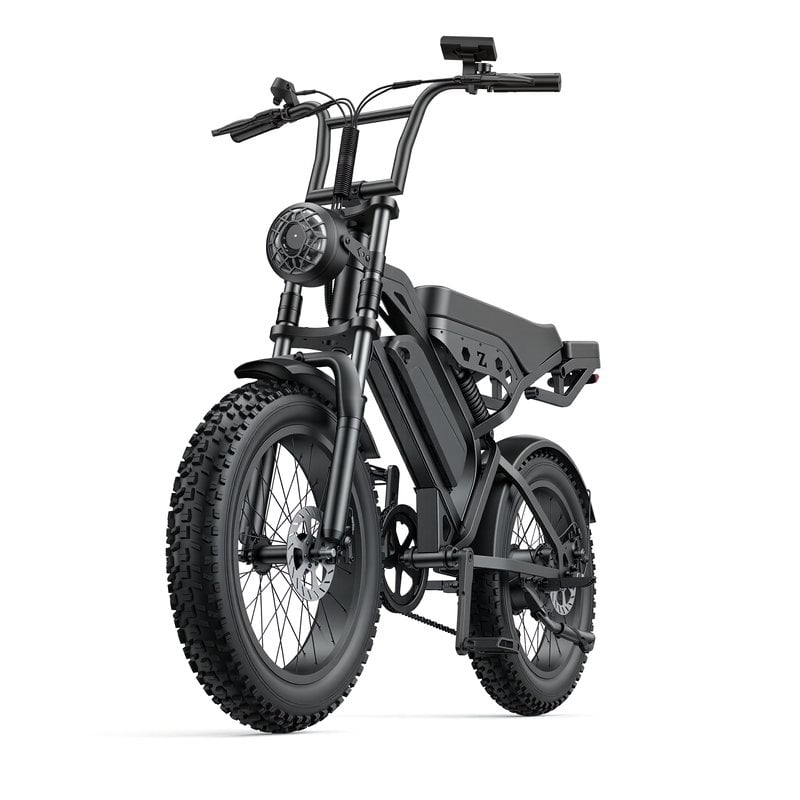
The decision to integrate an custom made electric bikes fleet requires strategic planning, vendor evaluation, and operational alignment. Success depends on understanding your specific fleet requirements, selecting the right ebike manufacturer, and implementing comprehensive management systems. This guide explores the essential strategies for maximizing efficiency and performance across your electric bike operations.
Before selecting a custom ebike, organizations must conduct a thorough analysis of their operational demands. Route distances, terrain complexity, payload capacity requirements, and employee skill levels all influence the appropriate specifications for a custom ebike solution. A professional ebike manufacturer will work with your team to identify these parameters and design bikes that match your exact workflow needs.
Different delivery zones require different capabilities. Urban environments may prioritize compact design and agility, while suburban routes might emphasize range and cargo capacity. A qualified ebike builder can customize motor power, battery capacity, frame geometry, and component selection to match your specific operational environment. This tailored approach ensures your fleet operates at peak efficiency without overspending on unnecessary features.
Partnering with a responsive ebike manufacturer ensures you receive solutions designed for commercial fleet use rather than consumer recreation. Professional manufacturers understand durability requirements, warranty considerations, maintenance scheduling, and spare parts availability critical for fleet operations. Early collaboration with your chosen ebike builder prevents costly redesigns and deployment delays.
The right custom ebike manufacturer provides technical specifications, performance data, and case studies demonstrating their experience in fleet environments. They should offer training programs for operators, detailed maintenance protocols, and responsive technical support. This partnership approach transforms your relationship with the vendor from transactional to strategic.
Successful fleet optimization requires a phased deployment approach rather than mass replacement of existing vehicles. Start with a pilot program using custom ebikes on specific routes or zones where performance can be carefully monitored. This strategy allows your team to gather real-world data on battery performance, maintenance needs, driver adoption rates, and productivity impacts before committing your entire fleet.
Key performance metrics should track battery range, charging efficiency, maintenance costs, delivery completion rates, and employee satisfaction scores. An ebike builder worth partnering with will provide dashboards and analytics tools that help you measure these indicators. After validating results from your pilot program, you can confidently scale the custom ebike deployment across additional routes and operational zones.
Fleet operations require dedicated maintenance infrastructure to minimize downtime and extend asset life. Work with your ebike manufacturer to establish maintenance schedules, identify common wear points, and stock necessary replacement components. Battery management is particularly important; proper charging protocols, storage conditions, and seasonal adjustments significantly impact longevity and performance consistency.
Create a maintenance log system that tracks service history for each custom made electric bikes unit in your fleet. This documentation helps identify emerging issues, optimize replacement timing, and supports warranty claims. Training your maintenance team on motor systems, battery diagnostics, and brake adjustments ensures reliable fleet operation and reduces costly service delays.
Custom ebikes deliver compelling financial returns through reduced fuel costs, simplified maintenance, lower insurance premiums, and decreased vehicle depreciation compared to traditional delivery vehicles. Calculate your specific return on investment by comparing total cost of ownership across fuel, maintenance, insurance, registration, and vehicle replacement cycles. Most fleets discover that custom ebike solutions achieve positive ROI within eighteen to thirty-six months of deployment.
An experienced ebike builder will provide detailed cost models showing fuel savings per route, estimated maintenance expenses based on usage hours, and battery replacement timelines. These projections help finance departments and procurement teams justify capital investment and secure budget approvals. Don't overlook secondary benefits like improved employee retention, enhanced corporate sustainability credentials, and reduced parking requirements.
Fleet electrification demonstrates genuine environmental commitment and attracts environmentally conscious customers and talent. Custom made electric bikes eliminate tailpipe emissions while reducing overall energy consumption compared to gas-powered alternatives. Organizations achieving significant fleet conversion often publicize these accomplishments in sustainability reports, marketing materials, and corporate communications.
The decision to work with a professional ebike builder and implement comprehensive fleet optimization strategies positions your organization as an innovative industry leader. This positioning creates competitive advantages in customer perception, employee recruitment, and regulatory compliance positioning. As environmental regulations continue tightening, early adoption of electric fleet solutions provides future-proofing against emerging compliance requirements.
Evaluate manufacturers based on commercial fleet experience, warranty coverage, technical support responsiveness, customization capabilities, and spare parts availability. Request references from existing fleet customers, review their product specifications and performance data, and conduct site visits to their facilities. The best ebike builder demonstrates understanding of your industry's specific demands and offers partnership beyond simple product sales.
Maintenance costs typically range from thirty to fifty percent lower than comparable gas-powered vehicles, focusing primarily on brake service, tire replacement, and battery maintenance. Establish preventive maintenance schedules based on your ebike manufacturer's recommendations and actual usage patterns. Budget for battery replacement after four to five years of regular deployment, as this represents the largest future maintenance expense.
Initial assessment and vendor selection generally require four to eight weeks, pilot deployment takes three to six months for meaningful data collection, and full-scale rollout depends on fleet size. Working with an experienced ebike builder accelerates this timeline through efficient ordering, coordinated training, and proven implementation methodologies. Plan for twelve to eighteen months from project initiation to complete fleet optimization and performance stabilization.
2026/08/03
Fix time zones, language gaps, and unclear protocols—boost speed, cut costs, and scale confidently.
2026/08/03
Avoid liability & import bans: Learn IEC 62619, UN 38.3, and UL 2271—plus how to verify real compliance (not fakes).
2026/08/03
Learn precise air pressure, rebound & compression tuning for optimal suspension performance. Get pro-level setup tips now.
2026/08/03
Discover how voltage drop saps performance—and proven fixes to restore responsiveness, range, and battery life. Read now.
2026/08/03
Discover data-backed protocols, smart infrastructure & operational fixes. Optimize now.
2026/08/03
How payload cuts 48V cargo ebike range by 15–50%+ — backed by real-world degradation curves, motor load science & fleet optimization strategies.
Comprehensive warranty, fast parts shipping, remote diagnostics and local dealer training


