 EN
EN
STEP 1
Full vehicle warranty for 2 years
2026/08/12
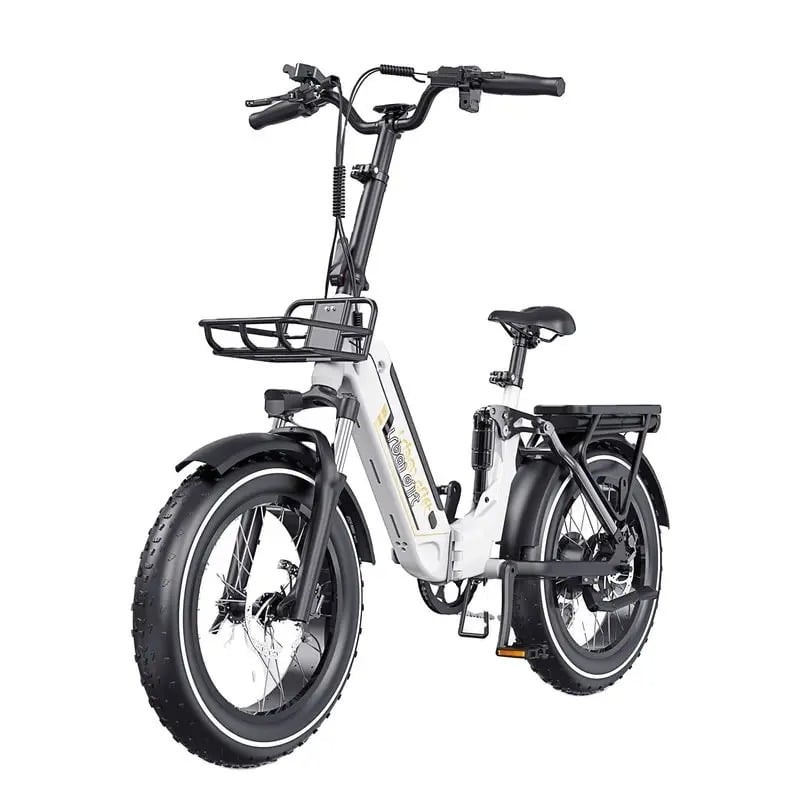
Choosing between a full suspension electric bike and a hardtail ebike for rough commutes requires understanding how each design impacts comfort, control, and performance on demanding terrain. A full suspension electric bike features both front and rear shock absorbers, while a hardtail ebike has suspension only at the front fork. For commuters tackling rocky paths, technical descents, and uneven surfaces, the suspension configuration fundamentally affects how your ride feels and how your body responds to impact over long distances.
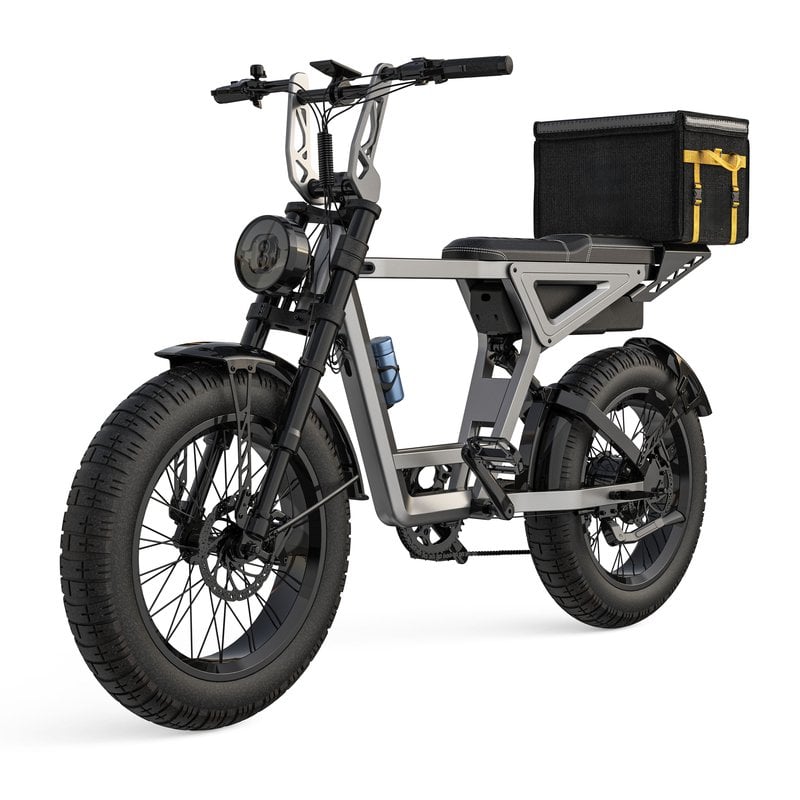
The decision between these two configurations ultimately depends on your specific commute terrain, budget constraints, maintenance capacity, and personal riding style. Both full suspension mountain ebikes and hardtails have evolved significantly with motor integration, offering distinct advantages and trade-offs. Understanding these differences ensures you invest in an ebike that genuinely matches your rough commute demands rather than settling for a design that leaves you fatigued, uncomfortable, or compromised on technical sections.
A full suspension electric bike absorbs impact across both wheels, dramatically reducing jarring vibrations that travel through your arms, shoulders, and spine. When riding over rocky riverbeds, root-laden forest paths, or heavily potholed urban routes, the rear suspension keeps your rear wheel planted while the front fork manages frontal impacts. This dual-shock setup translates to significantly less fatigue during longer commutes because your body absorbs far fewer repeated micro-impacts from rough surfaces. The electric motor also benefits from better traction since both wheels maintain consistent ground contact through suspension movement.
Hardtail ebikes sacrifice rear suspension to reduce weight and maintain pedaling efficiency. Without rear shock absorption, your body becomes the secondary shock system, absorbing impacts through your core and legs. For less severe terrain or shorter commute distances, this setup remains manageable and even preferable because the rigid rear frame transfers power directly from pedaling into forward motion. However, on extended rough commutes, hardtails accumulate fatigue because every bump demands active body stabilization. Full suspension mountain ebikes eliminate this energy drain, letting you ride longer with less physical strain.
Electric full suspension bikes excel on steep, loose terrain because rear suspension keeps the wheel planted during power delivery. When climbing rocky hillsides or navigating technical ascents, the motor has better traction because the rear wheel maintains contact instead of bouncing. An electric full suspension design distributes motor power more effectively across uneven surfaces, reducing wheel slip and maximizing the motor's assistance where you need it most. This becomes particularly valuable during rough commutes involving significant elevation changes or technical climbing sections where weight distribution and traction matter enormously.
Hardtail ebikes concentrate motor power more directly into forward momentum since the rigid rear frame eliminates energy absorption. On smooth terrain or rolling hills, this efficiency advantage becomes noticeable. However, when motor assistance must overcome rough, broken terrain, the hardtail's efficiency advantage diminishes because the wheel loses contact frequently. Full suspension ebike mountain bike designs maintain better motor effectiveness on technical sections precisely because suspension engineering keeps wheels engaged with the ground consistently.
A full suspension electric bike requires more maintenance than a hardtail because both shock absorbers need periodic servicing, fluid checks, and seal replacements. Rear shocks demand professional attention annually if you ride frequently on rough terrain, adding ongoing costs. However, the durability benefit of rear suspension means components like brakes, drivetrain, and wheels experience less impact stress, potentially extending their lifespan. For commuters committed to regular maintenance, electric full suspension investment pays dividends through better performance consistency and reduced unplanned repairs caused by impact damage.
Hardtail ebikes weigh less because they eliminate rear shock components, making them easier to transport, store, and maneuver in tight urban environments. A full suspension electric bike typically weighs 5 to 10 pounds more, which matters if you navigate stairs, load the bike into vehicles frequently, or carry it during non-riding segments of your commute. However, the weight difference becomes negligible once you're actually riding rough terrain because suspension efficiency reduces overall fatigue. For commutes requiring significant carrying or lifting, the hardtail's lighter profile offers practical advantage despite inferior performance on technical surfaces.
Yes, if your commute route involves consistently rough, uneven, or technical terrain. A full suspension mountain ebike justifies higher initial investment through dramatically reduced fatigue, better traction, and lower impact stress on your body over long distances. If your commute primarily uses paved paths with occasional rough sections, a hardtail might prove more practical and cost-effective. Evaluate your specific terrain difficulty before deciding.
Rear shock service usually costs $100 to $300 annually depending on riding intensity and local service rates. Full suspension ebike mountain bike maintenance is predictable if performed regularly by professional technicians familiar with electric systems. Neglecting suspension maintenance causes performance degradation and potential damage, making preventive service more economical than emergency repairs.
A hardtail can traverse the same terrain technically, but with significantly more physical effort and less comfort. Rough terrain remains manageable on electric full suspension bikes because motor assistance reduces fatigue while suspension handles impact absorption. On a hardtail, you must work harder to maintain control and manage fatigue, making extended rough commutes less practical despite the bike's capability to reach the destination.
2026/08/03
Fix time zones, language gaps, and unclear protocols—boost speed, cut costs, and scale confidently.
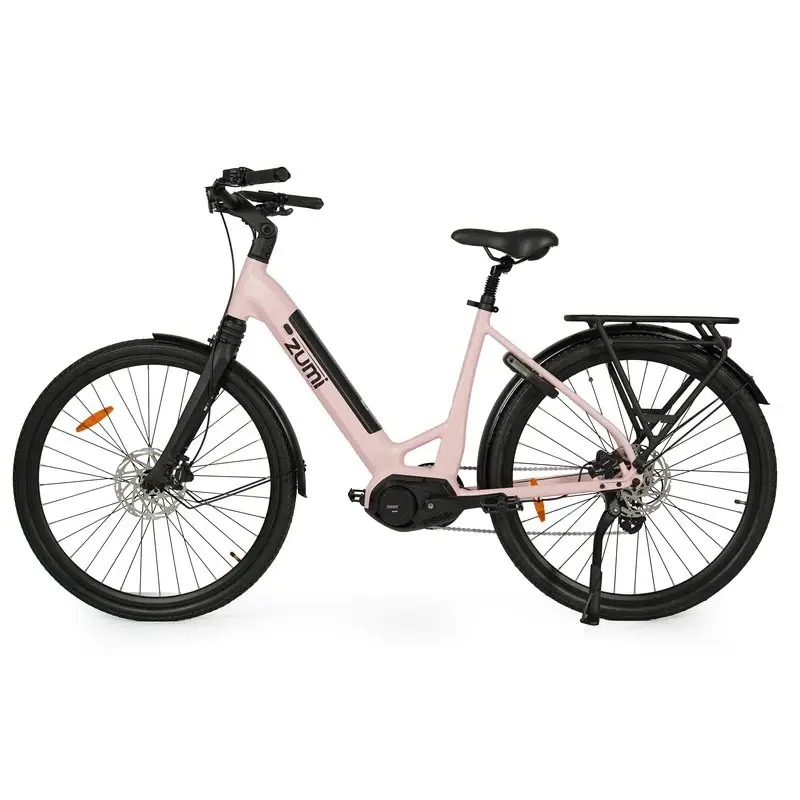
2026/08/03
Avoid liability & import bans: Learn IEC 62619, UN 38.3, and UL 2271—plus how to verify real compliance (not fakes).
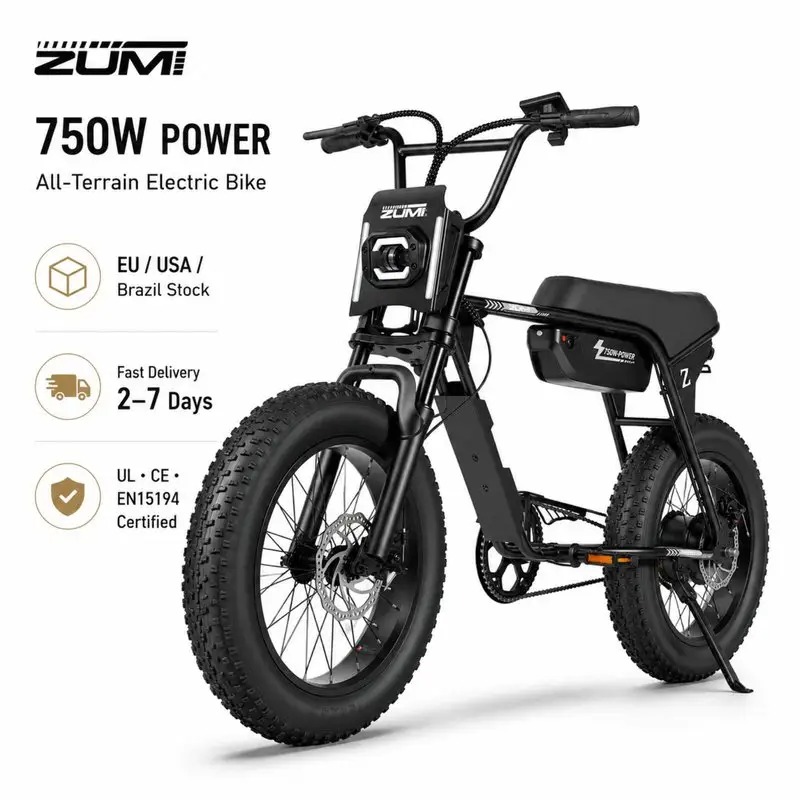
2026/08/03
Learn precise air pressure, rebound & compression tuning for optimal suspension performance. Get pro-level setup tips now.
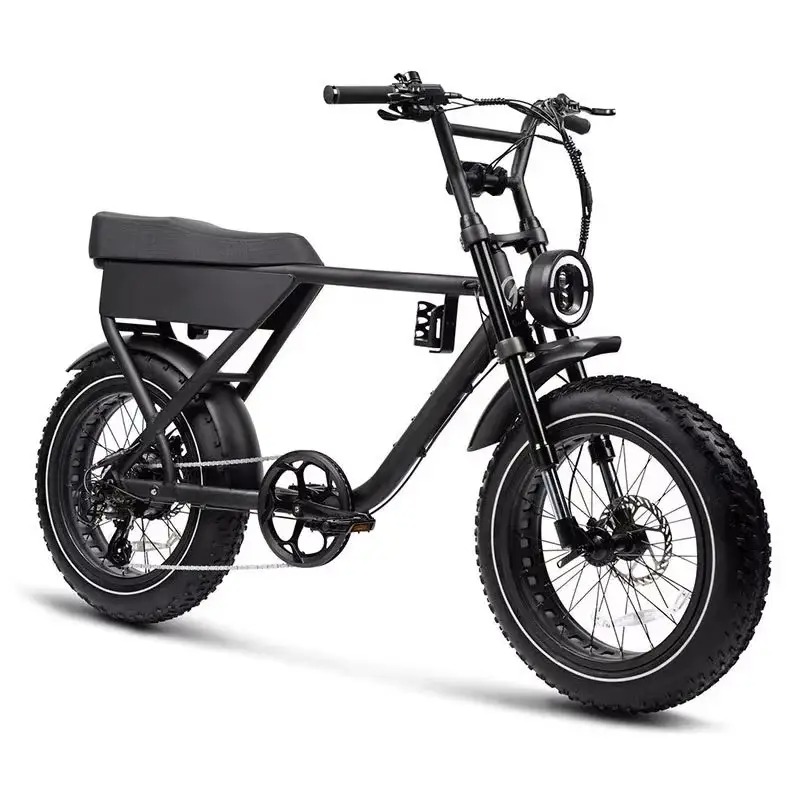
2026/08/03
Discover how voltage drop saps performance—and proven fixes to restore responsiveness, range, and battery life. Read now.
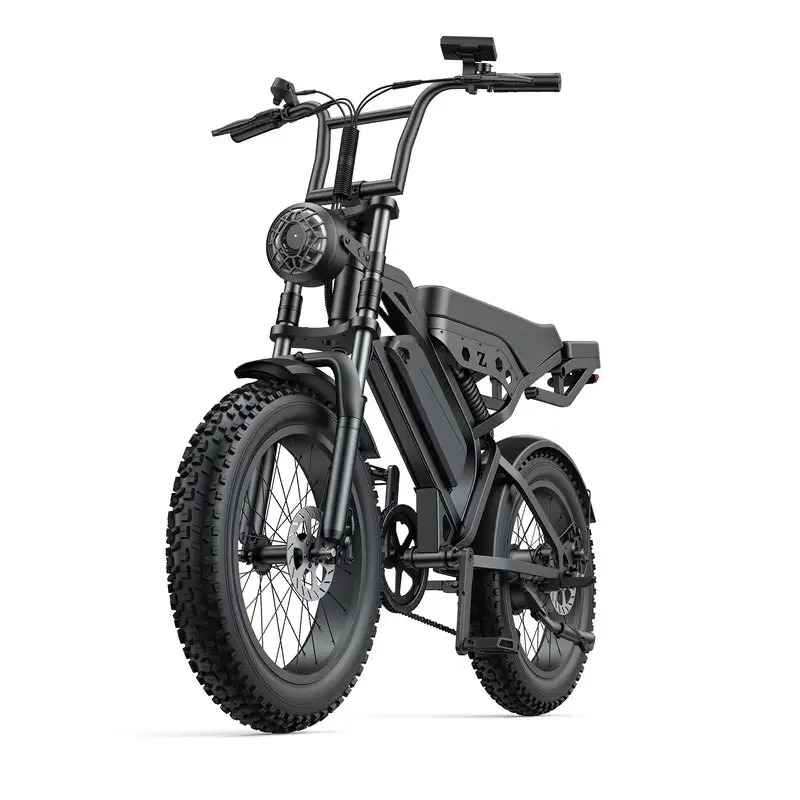
2026/08/03
Discover data-backed protocols, smart infrastructure & operational fixes. Optimize now.
2026/08/03
How payload cuts 48V cargo ebike range by 15–50%+ — backed by real-world degradation curves, motor load science & fleet optimization strategies.
Comprehensive warranty, fast parts shipping, remote diagnostics and local dealer training


