 EN
EN
STEP 1
Full vehicle warranty for 2 years
2026/08/26
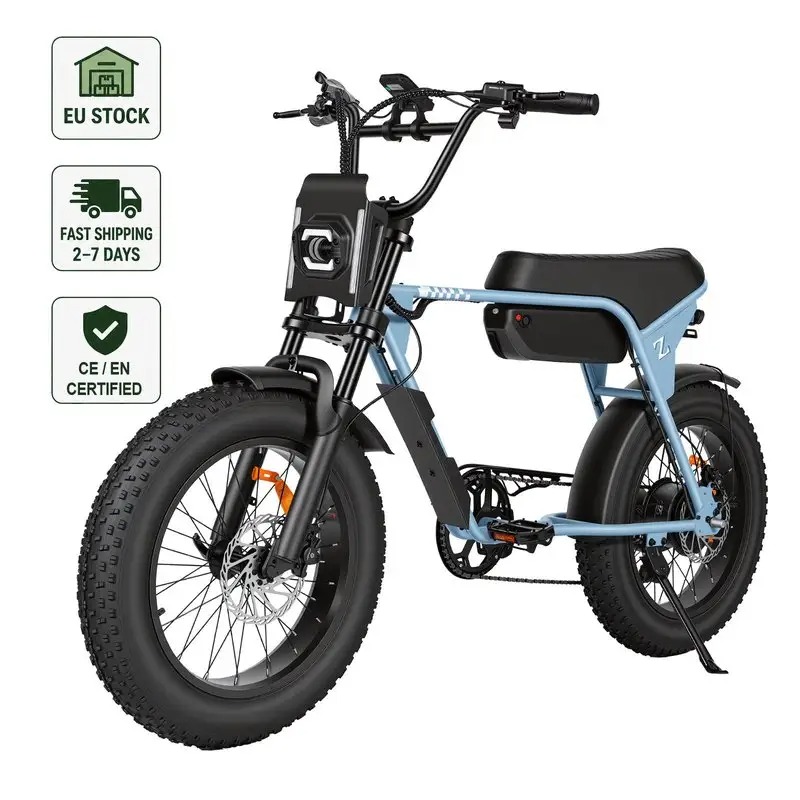
Ground clearance is one of the most overlooked yet critical performance factors when selecting a fat tire electric bike 20 inch frame. This metric directly influences how your bike interacts with obstacles, impacts stability during cornering, and determines suitability for specific riding conditions. Understanding ground clearance dynamics helps riders make informed decisions about bike selection, maintenance needs, and riding technique adaptation.
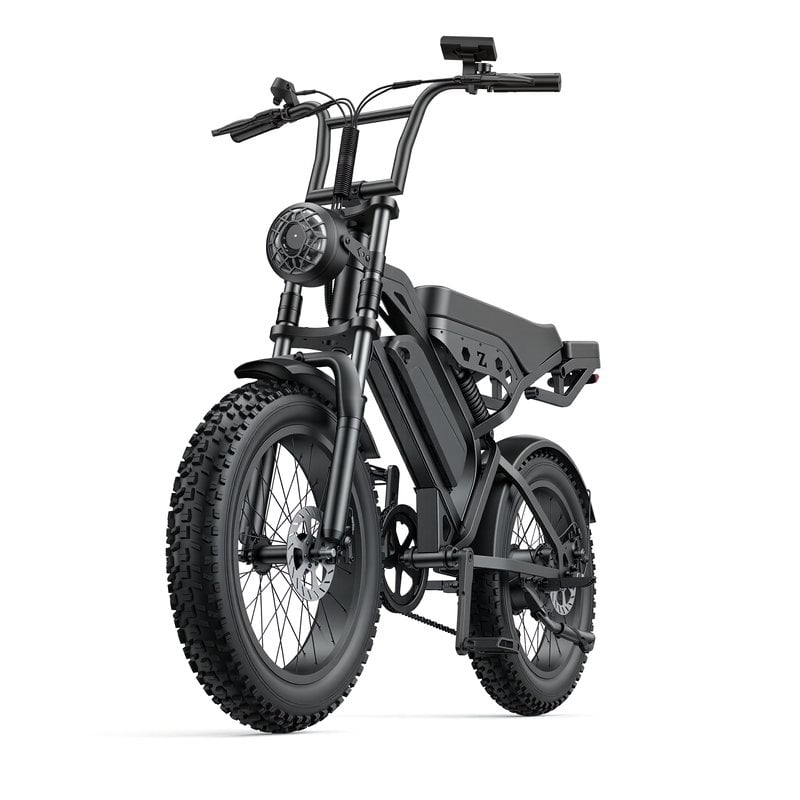
A 20 inch ebike with fat tires operates differently than larger-frame models due to its compact geometry and lower center of gravity. Ground clearance on a fat tire ebike determines pedal strike risk, chassis impact vulnerability, and the maximum angle you can lean during aggressive cornering. These dynamics become especially important when evaluating a 20 inch ebike for urban commuting, trail riding, or mixed-terrain use.
Ground clearance on a compact fat bike is measured from the lowest point of the frame, crankset, or pedal area to the ground surface. A fat tire electric bike 20 inch frame typically offers lower ground clearance than larger models because the frame must accommodate the wheel diameter while maintaining a manageable center of gravity. This creates distinct trade-offs between stability and obstacle avoidance capability.
The crankset clearance is particularly important for a 20 inch ebike because pedal strikes occur more frequently on compact frames during cornering or rocky terrain traversal. Manufacturers design compact fat bike cranksets higher to compensate for the smaller wheel size, but this adjustment has limits. Understanding these geometric constraints helps riders anticipate performance characteristics before purchase.
Fat tires add apparent ground clearance by increasing the overall wheel diameter and creating a larger contact patch. However, the fat tire ebike frame itself may have reduced clearance compared to conventional e-bikes because designers prioritize frame strength and component integration. A compact fat bike must balance wide, cushioned tires with a sturdy structure that doesn't compromise pedal clearance or chassis stability during extreme lean angles.
Ground clearance dynamics directly determine how well a 20 inch ebike navigates rocks, roots, and trail obstacles. Lower ground clearance increases the risk of frame or component impact when descending steep terrain or riding over sharp protrusions. Riders of a compact fat bike must develop awareness of their bike's exact clearance specifications to avoid expensive damage or loss of control.
The fat tire ebike's wide tire footprint provides natural damping and gives the illusion of greater clearance than actual frame measurement. This can mislead riders into aggressive riding that exceeds the bike's true obstacle-clearing capability. Understanding the distinction between tire cushioning and actual frame clearance is essential for safe operation, especially on technical trails where frame strikes can cause component misalignment or structural damage.
When cornering aggressively, a 20 inch ebike's ground clearance directly limits the lean angle before pedal or frame contact occurs. The fat tire ebike design emphasizes stability, but ground clearance becomes the constraint in tight, fast turns. Riders must adjust their cornering technique based on the specific clearance characteristics of their compact fat bike to maintain control without risking strikes.
Electric weight adds mass that can increase the rotational effect during cornering, placing additional stress on ground clearance margins. A 20 inch ebike carrying the battery and motor assembly experiences different dynamic loads than a conventional fat bike, requiring riders to be even more conservative about lean angles and aggressive maneuvers. Heavier riders should pay special attention to clearance specifications when selecting a compact fat bike.
Urban riders often encounter curbs, grates, and low-clearance obstacles that test the ground clearance limits of a fat tire electric bike 20 inch frame. Unlike mountain terrain, urban obstacles are often sharp-edged and fixed, leaving little margin for miscalculation. A 20 inch ebike's lower ground clearance requires deliberate weight management and careful line selection when navigating city infrastructure.
The compact fat bike's tight turning radius makes maneuvering around obstacles easier than larger bikes, partially offsetting the ground clearance disadvantage. Commuters benefit from understanding their specific bike's pedal strike point and frame contact envelope, allowing them to ride confidently in congested environments. Ground clearance knowledge transforms from theoretical specification into practical riding skill.
Off-road riders using a fat tire ebike must respect ground clearance limitations when selecting trail difficulty and approach angles. Steep climbs, rocky descents, and technical features place the frame in extreme positions where clearance becomes critical. A 20 inch ebike's advantage in maneuverability can be negated if the rider mistakes compact geometry for trail capability that exceeds actual ground clearance specifications.
Technical trails expose the fat tire electric bike 20 inch frame to repeated impact stress that compounds with ground clearance issues. Riding within safe clearance margins extends component lifespan and prevents mid-trail failures. Experienced compact fat bike riders develop an intuitive sense of their machine's ground clearance limits through deliberate practice and terrain familiarity.
Most compact fat bikes with 20 inch wheels offer ground clearance ranging from 220 to 260 millimeters, measured from the lowest crankset point to the ground. This specification varies based on frame design, crank arm length, and tire thickness. Always consult manufacturer specifications rather than estimating, as individual frame geometry differences significantly affect practical clearance.
Limited modifications exist for increasing ground clearance on a 20 inch ebike without compromising structural integrity. Changing to lighter-weight, lower-profile components is possible, but the frame's fundamental geometry constrains maximum clearance gain. Some riders install bar ends or grips positioned to alter weight distribution during critical maneuvers, indirectly improving clearance margins in specific scenarios. Significant modifications often void warranties or create safety risks.
Lower ground clearance on a 20 inch ebike complicates maintenance of undercarriage components like battery housings, brake calipers, and chain systems. Service on tight-clearance areas requires careful positioning and sometimes specialized tools. Understanding your fat tire electric bike 20 inch frame's geometry beforehand helps service technicians work more efficiently and prevents accidental component damage during repairs.
2026/08/03
Fix time zones, language gaps, and unclear protocols—boost speed, cut costs, and scale confidently.
2026/08/03
Avoid liability & import bans: Learn IEC 62619, UN 38.3, and UL 2271—plus how to verify real compliance (not fakes).
2026/08/03
Learn precise air pressure, rebound & compression tuning for optimal suspension performance. Get pro-level setup tips now.
2026/08/03
Discover how voltage drop saps performance—and proven fixes to restore responsiveness, range, and battery life. Read now.
2026/08/03
Discover data-backed protocols, smart infrastructure & operational fixes. Optimize now.
2026/08/03
How payload cuts 48V cargo ebike range by 15–50%+ — backed by real-world degradation curves, motor load science & fleet optimization strategies.
Comprehensive warranty, fast parts shipping, remote diagnostics and local dealer training


