 EN
EN
STEP 1
Full vehicle warranty for 2 years
2026/08/20
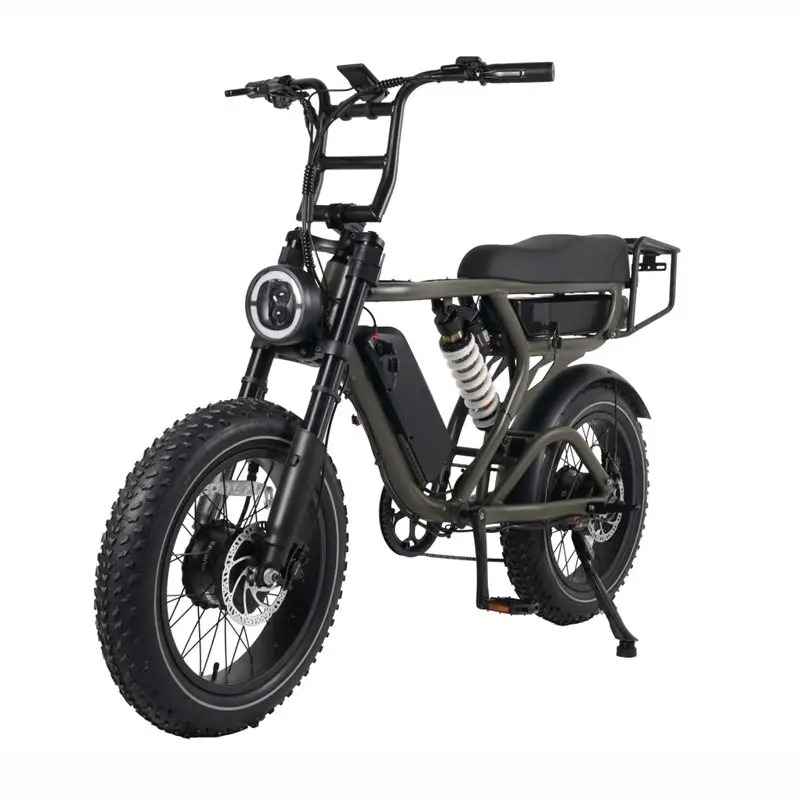
Heat dissipation stands as one of the most critical performance factors in modern electric bikes, particularly in high-powered 750w 48v ebike systems where controller thermal management directly impacts reliability, range, and lifespan. The controller converts electrical energy into mechanical power with efficiency rates typically between 92 and 98 percent, but this conversion process generates significant heat that must be managed effectively. Without proper heat dissipation, even brief high-demand riding can cause throttle cutoff, reduced power output, or permanent component failure. Understanding how controllers in a 750w ebike handle thermal stress is essential for riders and manufacturers alike.
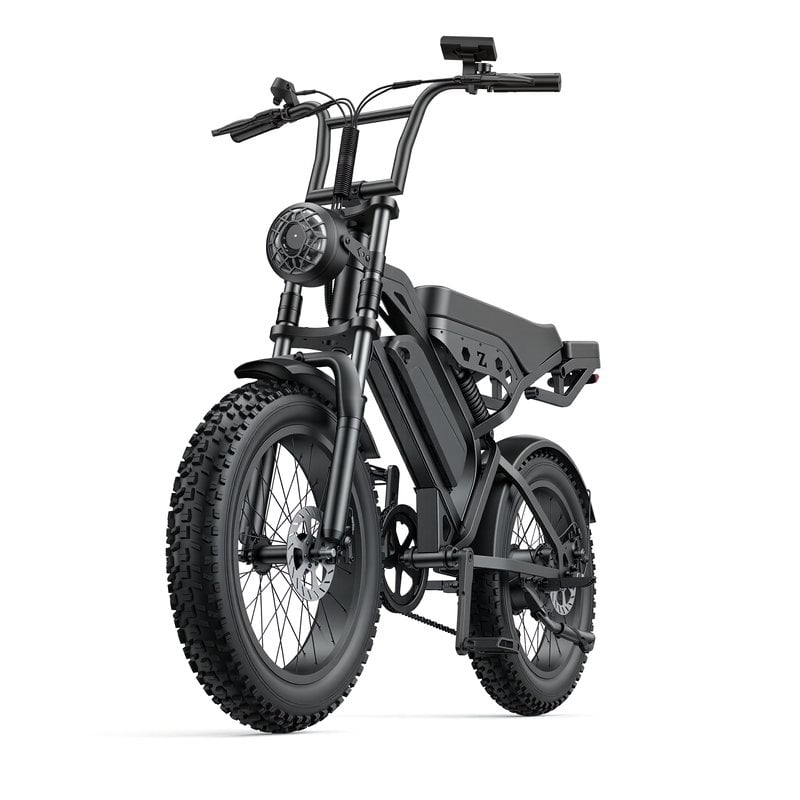
The thermal performance of a 48v ebike controller depends on multiple design factors including MOSFET rating, heatsink material, airflow dynamics, and ambient temperature conditions. Controllers in electric fat bikes face especially demanding conditions because these vehicles carry heavier loads up steeper terrain, pushing the motor and controller into sustained high-power states. The difference between adequate and inadequate heat dissipation can mean the difference between a reliable commute and a stranded rider on the roadside.
A 750w ebike controller manages considerable energy flow, converting battery voltage into motor current at rates that generate substantial heat within a compact enclosure. Each MOSFET transistor in the controller has an on-resistance that dissipates power proportional to the square of the current flowing through it. During full-throttle acceleration or sustained hill climbing, current can reach 25 to 30 amps, creating power losses measured in tens of watts across the MOSFETs alone. In a 750w 48v ebike system, even a two-percent efficiency loss translates into 15 watts of heat generation that must find a path out of the controller housing.
The compact form factor of modern controllers intensifies this thermal challenge. Unlike industrial motor drives that occupy large metal cabinets with dedicated cooling fans, a 48v ebike controller must fit within a cylindrical tube or compact box typically measuring 100 to 150 millimeters in length. This space constraint forces designers to rely on passive heat transfer through conduction and convection rather than active forced-air cooling, making material selection and heatsink geometry critical.
Most 750w ebike controllers include temperature sensors that trigger throttle limiting or shutdown when internal temperatures exceed safe thresholds, commonly set between 80 and 90 degrees Celsius. This protection prevents catastrophic MOSFET failure but severely impacts user experience and riding capability. When a rider climbs a steep grade in summer heat and the controller throttles back due to thermal limits, the immediate loss of power can destabilize the bike or create a safety hazard. Effective heat dissipation prevents these protection activations and maintains consistent power delivery for the duration of the ride.
The heatsink acts as the primary thermal interface between the MOSFET junction and the external environment. Controllers in a 750w 48v ebike typically use aluminum heatsinks bonded directly to the motor tube or mounted inside the controller housing. Aluminum offers excellent thermal conductivity at approximately 160 watts per meter-kelvin, compared to copper at 400 watts per meter-kelvin. However, aluminum provides an optimal balance of thermal performance, weight, machinability, and cost for most 750w ebike applications. The heatsink surface area must be maximized through fin geometry or textured surfaces to increase contact with surrounding air.
Thermal interface materials such as silicone pads or thermally conductive adhesives bond the MOSFET to the heatsink. These materials have conductivity values typically between 3 and 5 watts per meter-kelvin, making them thermal bottlenecks if selected poorly. Premium electric fat bike controllers use phase-change materials or ceramic-filled adhesives that offer conductivity exceeding 8 watts per meter-kelvin, significantly reducing the thermal resistance at the die-to-heatsink junction.
Passive convection is the dominant cooling mechanism for most 48v ebike controllers because active cooling adds weight, complexity, and power draw. As the controller heatsink temperature rises above ambient, natural convection currents develop around the surface, carrying heat away through the surrounding air. This process improves dramatically when the bike is in motion because wind speed across the heatsink enhances convection efficiency. A stationary rider facing a steep climb in stagnant air receives minimal benefit from convection, whereas the same terrain at higher speeds provides significant passive cooling.
Some 750w ebike designs incorporate controller housings with ventilation slots or positioning the controller where airflow is maximized. High-end electric fat bike models position the controller on the outside of the motor tube rather than internal to improve air access. The thermal resistance through convection is approximately 0.05 to 0.10 kelvin-watts in moving air and 0.15 to 0.30 kelvin-watts in still air, making this a significant factor in overall heat dissipation performance.
Controllers operating at elevated temperatures consume slightly more energy to deliver the same power output because MOSFET on-resistance increases with temperature. A 750w 48v ebike controller at 80 degrees Celsius might have 15 percent higher losses compared to operation at 40 degrees Celsius, directly reducing effective range by an equivalent percentage. A rider expecting 40 kilometers of range in cool conditions might achieve only 34 kilometers in hot conditions or during sustained hard acceleration. Strategic heat dissipation design protects both range and the battery pack, which also performs better at moderate temperatures.
Semiconductor components degrade faster at elevated temperatures because diffusion rates for dopant atoms and electromigration in metal interconnects accelerate exponentially with heat. Industry standards suggest that every 10-degree Celsius increase above rated temperature reduces MOSFET lifespan by 50 percent. A 750w ebike controller maintained at 60 degrees Celsius will easily survive five years of typical riding, whereas the same controller regularly reaching 85 degrees Celsius might fail within two years. Electric fat bike riders who frequently tackle demanding terrain benefit substantially from controllers engineered for superior heat dissipation because lifespan and reliability directly translate to lower maintenance costs and greater peace of mind.
The 750w 48v ebike platforms with optimized thermal architecture maintain cooler junction temperatures during peak loads, extending service intervals and reducing the likelihood of warranty claims. Manufacturers investing in superior heatsinks, thermal interface materials, and airflow design differentiate their products through demonstrated reliability metrics and thermal performance data.
Normal operating temperatures for a 48v ebike controller typically range between 45 and 65 degrees Celsius during moderate riding. Temperatures above 70 degrees Celsius indicate aggressive riding or poor thermal design, and sustained operation above 80 degrees Celsius triggers thermal protection in most controllers. Ambient conditions, riding intensity, terrain gradient, and controller design all influence actual temperatures.
Superior heat dissipation enables a 750w ebike to maintain full power output during sustained hill climbs where inferior designs would throttle back due to thermal limits. A rider climbing a steep grade for several minutes benefits from consistent motor torque, whereas a controller with poor thermal management experiences power reduction midway up the climb. This difference directly impacts riding capability and overall ride quality.
Riders can optimize controller cooling by avoiding stagnant conditions, ensuring ventilation slots remain clean, and reducing sustained high-power demands during extremely hot weather. Positioning the bike in shade during breaks and avoiding heavy loads under peak sun conditions also helps. However, controller thermal design is primarily a manufacturing specification, and riders cannot significantly modify thermal performance after purchase.
2026/08/03
Fix time zones, language gaps, and unclear protocols—boost speed, cut costs, and scale confidently.
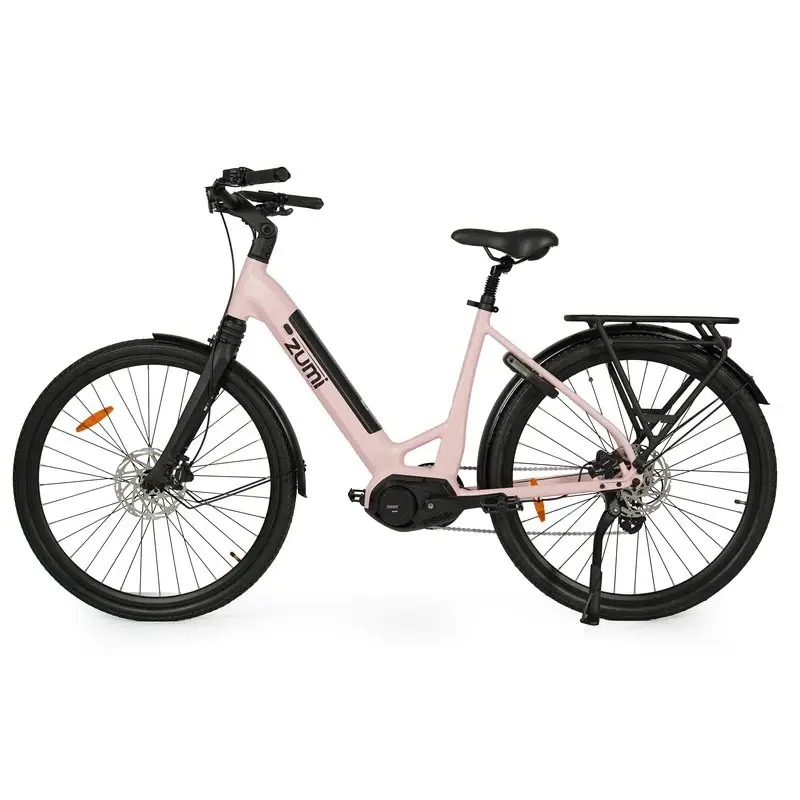
2026/08/03
Avoid liability & import bans: Learn IEC 62619, UN 38.3, and UL 2271—plus how to verify real compliance (not fakes).
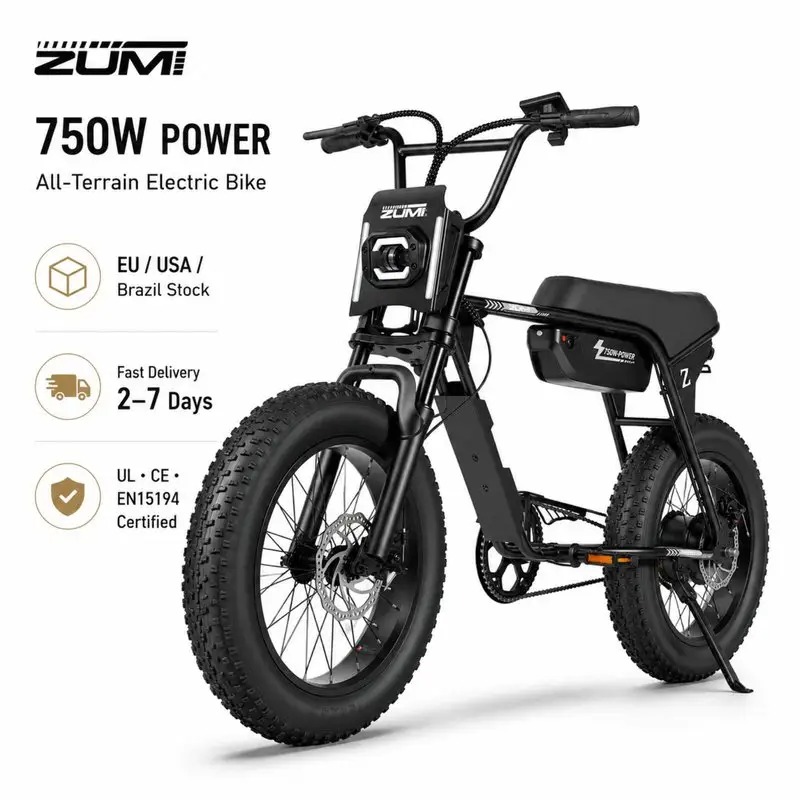
2026/08/03
Learn precise air pressure, rebound & compression tuning for optimal suspension performance. Get pro-level setup tips now.
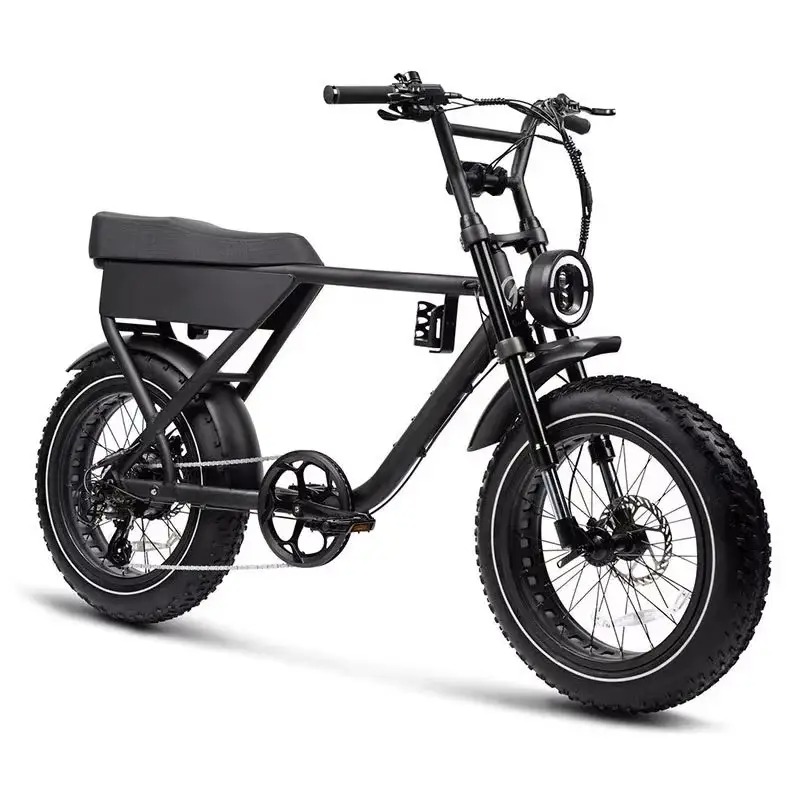
2026/08/03
Discover how voltage drop saps performance—and proven fixes to restore responsiveness, range, and battery life. Read now.
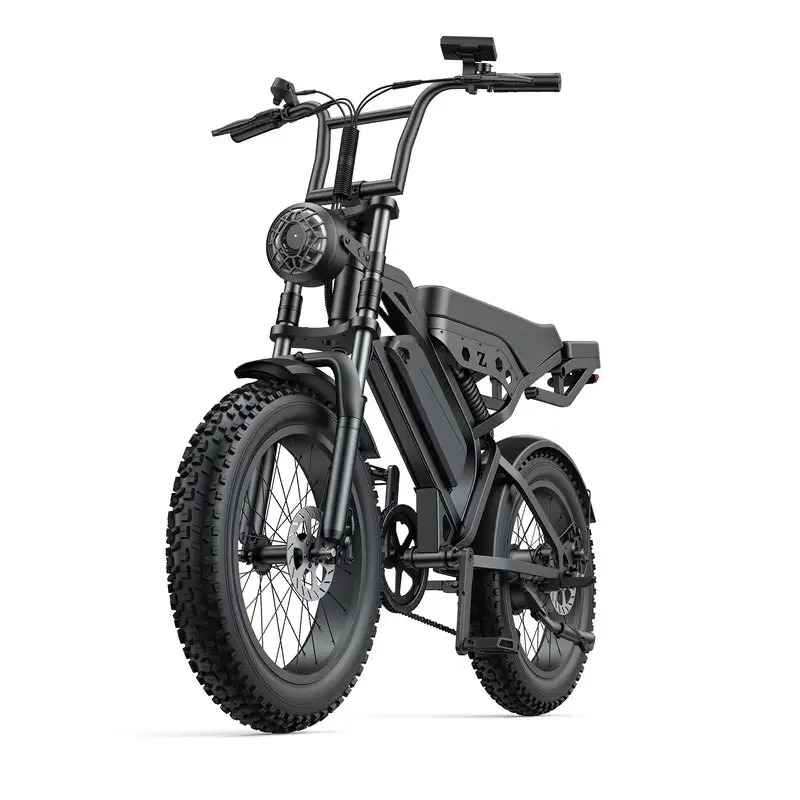
2026/08/03
Discover data-backed protocols, smart infrastructure & operational fixes. Optimize now.
2026/08/03
How payload cuts 48V cargo ebike range by 15–50%+ — backed by real-world degradation curves, motor load science & fleet optimization strategies.
Comprehensive warranty, fast parts shipping, remote diagnostics and local dealer training


