 EN
EN
STEP 1
Full vehicle warranty for 2 years
2026/08/19
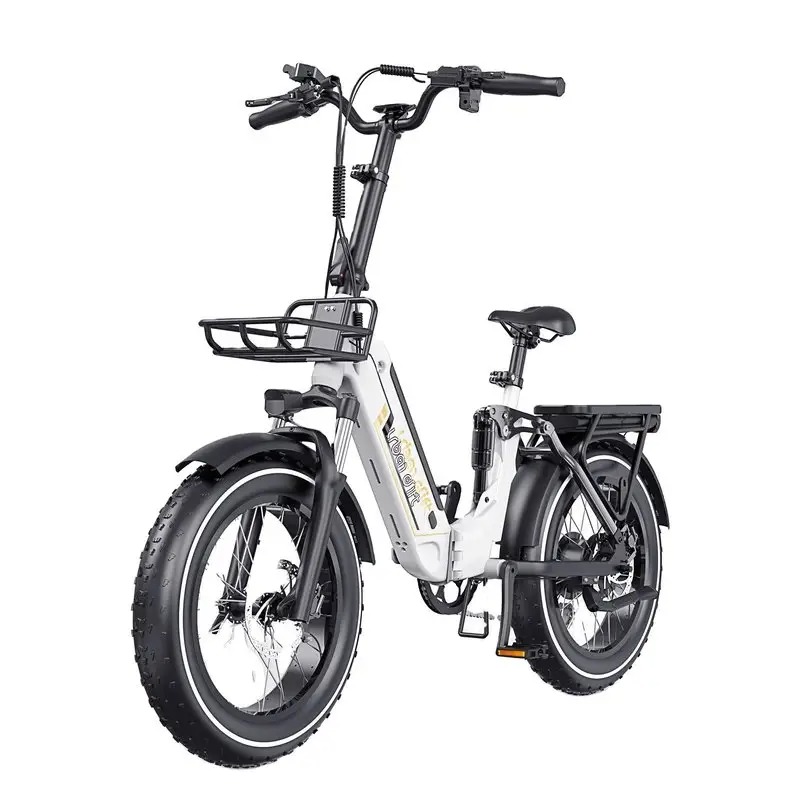
Hill climbing performance represents one of the most demanding challenges for electric bikes, and the 1500w electric bike has emerged as a legitimate solution for riders tackling steep terrain. Direct drive motors deliver consistent torque throughout the climb, translating electrical power directly into forward momentum without the losses associated with geared hub systems. Understanding how a 1500w electric bike manages inclines requires examining motor mechanics, weight distribution, and rider positioning during sustained ascents.
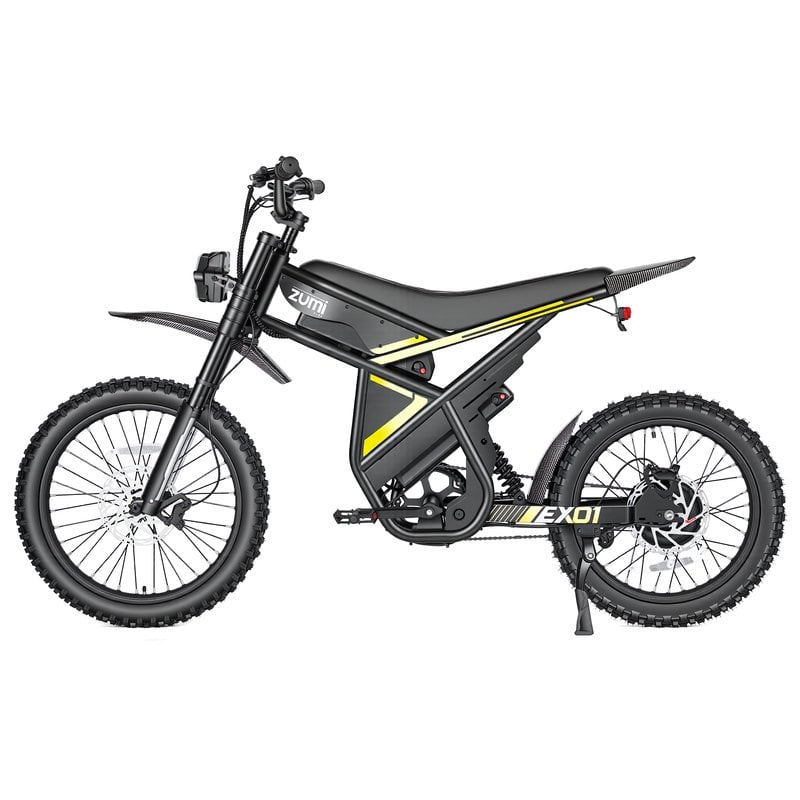
The physics of hill climbing on a 1500w ebikes system involves balancing motor output, battery capacity, and aerodynamic resistance. When direct drive motors engage on steep grades, the motor windings experience increased electrical current draw, generating greater magnetic force against the rear hub. This force propels the bike upward, but the efficiency of conversion depends on terrain gradient, total system weight, and battery voltage stability.
A 1500 watt ebike produces maximum torque when the motor operates at peak power output, which on 1500w electric mountain bike setups typically occurs between 30 and 50 kilometers per hour on flat terrain. However, hill climbing presents different dynamics because the bike slows considerably as gradient increases. The direct drive motor compensates by maintaining consistent power delivery, creating a linear relationship between pedal assist level and climbing speed. On a 15-percent grade, a rider using full throttle on a 1500w ebikes system experiences sustained motor engagement that continuously pushes the rear wheel forward, whereas geared hub motors may suffer from cogging or inconsistent power delivery under similar loads.
Direct drive motors in 1500 watt ebike configurations generate substantial internal heat during sustained climbs because current flows continuously through motor windings without interruption. The copper windings resist electrical current flow, converting some energy into thermal energy rather than mechanical work. Quality direct drive motors include thermal management designs that allow heat dissipation through the motor case into surrounding air. A fat tire electric bike 1500w system often incorporates aluminum motor casings that accelerate heat transfer, preventing thermal throttling that would reduce available power during critical climbing moments.
The 1500w electric bike excels on gradients between 8 and 20 percent when ridden with proper technique and adequate battery charge. At this gradient range, the motor delivers approximately 1200 to 1300 watts of continuous output without triggering thermal protection limits. Riders accelerate gradually before steep sections, building momentum that carries into the climb. A 1500w ebikes system with proper weight distribution maintains rear wheel traction even when the front wheel lightens on very steep terrain, a critical factor for sustained power delivery. Total system weight including rider and cargo influences climbing speed dramatically, with lighter configurations achieving better grade performance than heavier setups using identical motor specifications.
Extended hill climbs rapidly deplete batteries in 1500 watt ebike systems because the motor operates at near-maximum current draw for extended periods. A 1500w electric bike with a 52-volt system draws 28 to 30 amps during sustained climbing, consuming battery capacity approximately three times faster than flat-terrain riding. Riders should plan routes accordingly, knowing that 80 percent of battery capacity typically depletes during moderate climbing, leaving 20 percent reserved for flat terrain and emergency reserves. Dual battery configurations on 1500w electric mountain bike models extend range considerably, allowing back-to-back climbs without complete depletion.
Proper rider positioning dramatically influences how effectively a 1500w ebikes system propels upward on steep terrain. Standing on the pedals transfers body weight toward the rear wheel, improving traction and allowing the motor to apply maximum force through the tire contact patch. Seated climbing is more efficient for sustained efforts but may reduce traction on very steep sections. The fat tire electric bike 1500w design with wider tires provides superior grip compared to narrow tires, maintaining contact patch pressure even when climbing steep, loose terrain. Suspension settings influence power transfer as well; stiff suspension minimizes energy loss to shock compression while climbing, whereas softer settings absorb impacts more effectively on technical terrain.
Temperature, humidity, and elevation significantly affect 1500 watt ebike performance on climbs. Cold batteries experience reduced voltage output, limiting available power during winter climbs. Humidity increases air density slightly, creating marginally more aerodynamic resistance on mountain climbs at elevation. Loose gravel, mud, or wet surfaces reduce traction efficiency, requiring the 1500w electric bike to work harder to maintain momentum. A skilled rider learns to recognize these variables and adjusts assist levels, pacing, and line selection to optimize climbing efficiency across varying conditions.
Yes, a 1500w electric bike delivers approximately 50 percent more continuous power than 1000-watt systems, resulting in faster climbing speeds on all grade ranges. On 15-percent gradients, this difference translates to 3 to 5 kilometers per hour faster climbing speed, measurable and significant for long mountain routes. However, battery depletion occurs proportionally faster due to increased power draw, requiring route planning around elevation gain.
Most 1500w ebikes systems sustain maximum power output for 20 to 40 minutes of continuous climbing before thermal protection reduces available power. The exact duration depends on motor cooling design, ambient temperature, and whether the rider pedals actively or relies purely on throttle. High-quality direct drive motors with excellent thermal management maintain peak performance longer than budget alternatives.
Fat tires provide superior traction and grip on loose climbing surfaces, allowing the motor to apply power more efficiently without tire slipping. However, on paved climbs, slim tires generate less rolling resistance, potentially enabling faster climbing speeds despite reduced traction advantage. The 1500w electric mountain bike choice between tire widths depends on intended terrain rather than raw power output.
2026/08/03
Fix time zones, language gaps, and unclear protocols—boost speed, cut costs, and scale confidently.
2026/08/03
Avoid liability & import bans: Learn IEC 62619, UN 38.3, and UL 2271—plus how to verify real compliance (not fakes).
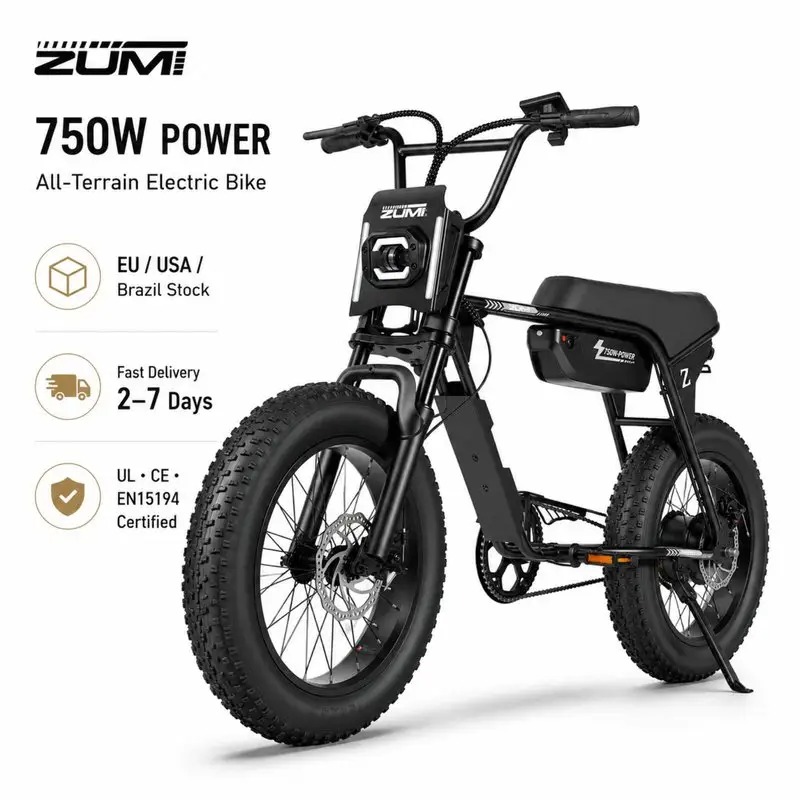
2026/08/03
Learn precise air pressure, rebound & compression tuning for optimal suspension performance. Get pro-level setup tips now.
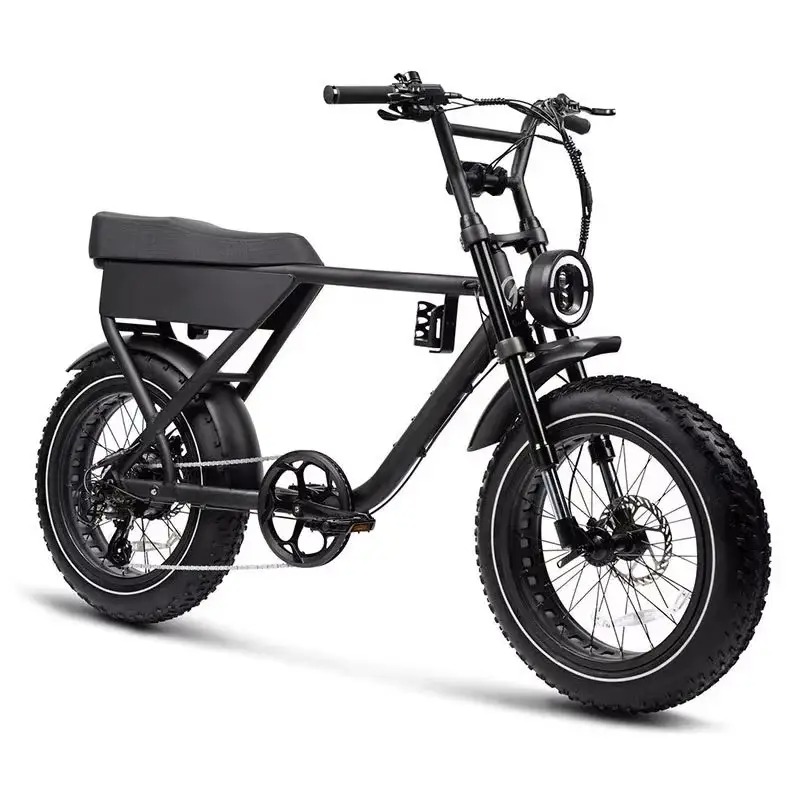
2026/08/03
Discover how voltage drop saps performance—and proven fixes to restore responsiveness, range, and battery life. Read now.
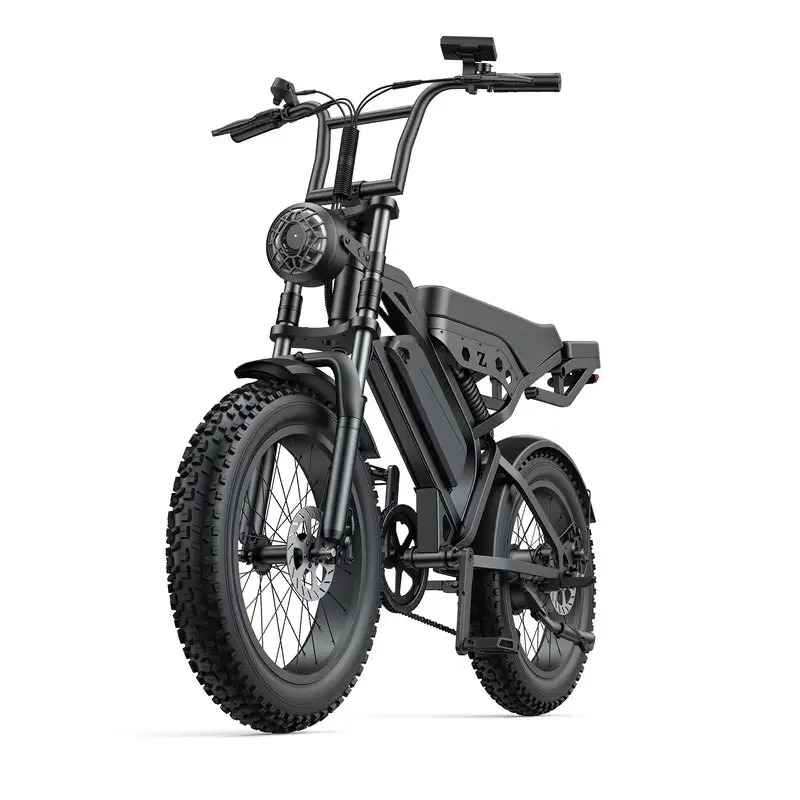
2026/08/03
Discover data-backed protocols, smart infrastructure & operational fixes. Optimize now.
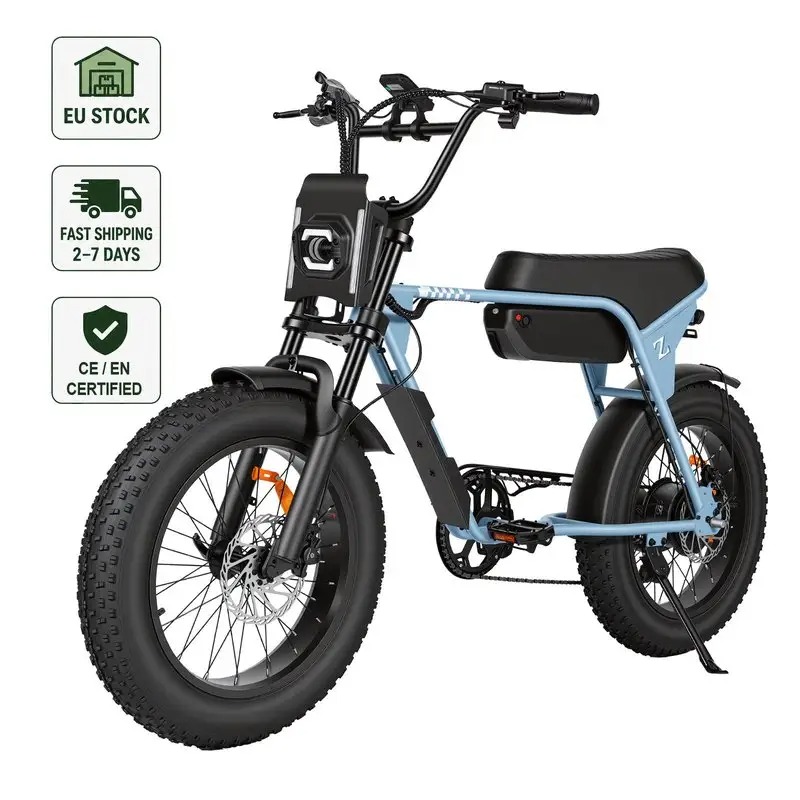
2026/08/03
How payload cuts 48V cargo ebike range by 15–50%+ — backed by real-world degradation curves, motor load science & fleet optimization strategies.
Comprehensive warranty, fast parts shipping, remote diagnostics and local dealer training


