 EN
EN

STEP 1
Full vehicle warranty for 2 years
2026/08/27
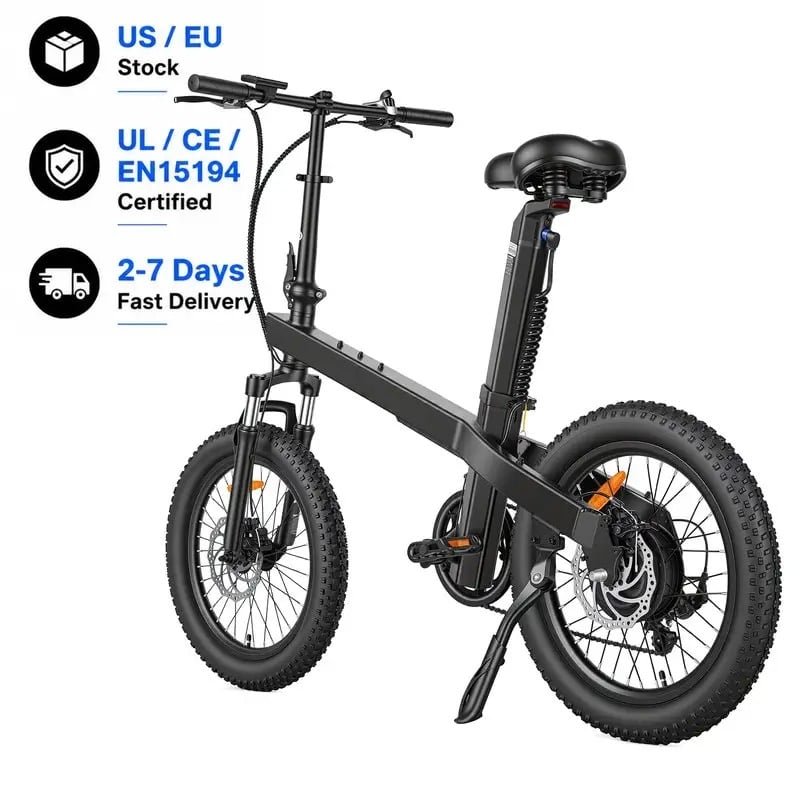
The hinge mechanism on a 20 inch fat tire folding electric bike represents one of the most critical structural components determining overall durability and lifespan. Unlike traditional rigid electric bicycles, a 20 inch ebike with a folding frame must distribute weight and stress through a precision-engineered hinge that opens and closes hundreds of times during its operational life. Understanding the durability characteristics of this hinge system is essential for riders who depend on portability without sacrificing reliability.
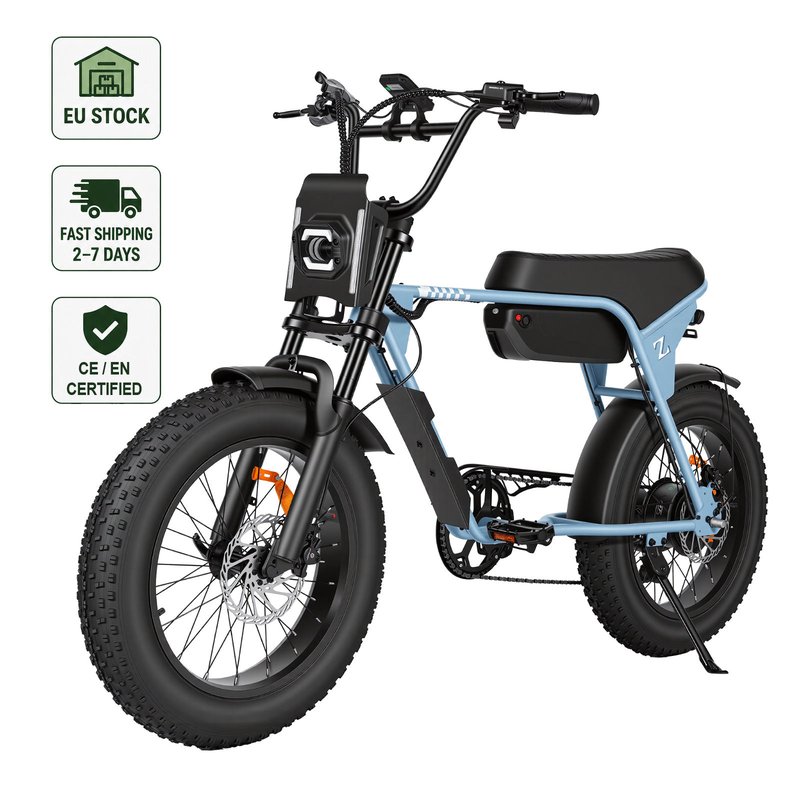
The engineering of a folding ebike hinge directly impacts whether the frame remains rigid during acceleration, braking, and cornering. Fat tire folding bikes face unique challenges because the wider, heavier tires increase rotational mass and lateral forces that transfer through the hinge during riding. Riders investing in a folding ebike must evaluate whether the hinge can withstand these combined stresses while maintaining the structural integrity required for safe, comfortable daily use.
The choice of material directly affects hinge durability on any fat tire folding bike. Steel hinges offer superior strength and impact resistance, making them ideal for riders who frequently fold and transport their ebike or encounter rough terrain. Aluminum hinges are lighter and resist corrosion better, but they require precise engineering to achieve equivalent durability. Most manufacturers of 20 inch ebike models choose reinforced steel or aircraft-grade aluminum alloys to balance weight with structural reliability.
Folding ebike manufacturers typically employ multi-pin hinge designs where stress distributes across several contact points rather than concentrating on a single pivot. This design philosophy significantly extends the operational lifespan of the hinge system. The pins themselves undergo hardening treatments to resist wear from repeated folding and unfolding cycles. A fat tire folding bike with properly engineered pins can tolerate thousands of fold operations before showing measurable wear.
Manufacturing tolerance directly influences how snugly the hinge components fit together on a 20 inch fat tire folding electric bike. Tight tolerances ensure that the frame lock remains secure during riding, preventing any micro-movements that could accelerate wear or create dangerous flexing. Looser tolerances allow for easier folding and unfolding but increase the risk of play developing over time. Premium 20 inch ebike models invest in tighter tolerances and locking mechanisms that eliminate frame movement once the bike reaches full deployment.
The locking mechanism that secures the folded frame in its closed position also plays a critical durability role. Mechanical locks must resist accidental opening during transport while remaining easy for riders to operate. A folding ebike with a weak locking system may fail to maintain proper frame tension, causing the hinge to experience unwanted movement and accelerated fatigue. Testing the lock mechanism's reliability is an important part of evaluating a fat tire folding bike before purchase.
Fat tires fundamentally change how forces transfer through a folding ebike frame. The wider contact patch and increased tire volume create higher rotational mass that stresses the hinge during acceleration and deceleration. A 20 inch fat tire folding electric bike experiences greater torsional forces during turns because the fat tires resist lateral movement more than narrow tires. These combined effects mean the hinge must accommodate forces that traditional 20 inch ebike models with standard tires do not generate.
Weight distribution on a fat tire folding bike changes during riding, placing variable stress on the hinge. When a rider sits over the rear wheel, the frame experiences bending moments that test the hinge's ability to maintain alignment. Sudden braking transfers inertial forces through the hinge, creating momentary spikes in stress. A 20 inch ebike designed specifically for fat tires incorporates additional bracing or reinforcement near the hinge to absorb these dynamic loads without permanent deformation.
The electric motor on a 20 inch fat tire folding electric bike adds mass that influences hinge loading patterns. Hub motors mounted on the rear wheel create rotational unbalance that translates to cyclic stress on the hinge. Crank-drive motors distribute forces differently, placing more emphasis on maintaining frame rigidity through the folding joint. A folding ebike with a 48-volt or 52-volt battery pack adds considerable weight concentrated above the hinge, increasing bending stress during acceleration and uphill riding.
Battery mounting location on a fat tire folding bike significantly affects how the frame behaves during dynamic riding conditions. Batteries mounted low on the frame distribute weight more favorably and reduce hinge stress compared to high-mounted batteries. Premium 20 inch ebike models position the battery pack to minimize moment arm and keep the center of gravity as low as possible. This strategic placement extends hinge durability by reducing the bending forces the folding mechanism must resist.
Reputable manufacturers of 20 inch fat tire folding electric bikes subject their hinge designs to rigorous cycling tests that simulate thousands of real-world riding hours. These tests apply repetitive stress patterns that reveal potential failure modes before production reaches consumers. Standard testing protocols for a folding ebike include repeated fold-unfold cycles, dynamic load application during full suspension compression, and accelerated corrosion testing on metal hinge components. A fat tire folding bike that passes these industry standards demonstrates proven reliability for typical riding scenarios.
Manufacturers publish durability ratings by testing the 20 inch ebike frame under worst-case conditions that exceed normal use patterns. These tests help identify which hinges achieve ratings of 50,000 or 100,000 fold cycles before requiring replacement. A folding ebike hinge rated for 100,000 cycles typically lasts the lifetime of the bike under normal commuting or recreational use. Riders can reference these published standards when comparing fat tire folding bike options.
Regular maintenance extends hinge durability on any 20 inch fat tire folding electric bike significantly. Periodic inspection for visible wear, corrosion, or loosening bolts catches problems before they compromise frame safety. A folding ebike hinge should be cleaned and lightly lubricated every few months, especially for riders in wet or coastal climates. Applying appropriate lubricants to the hinge pivot points reduces friction and wear without attracting dirt or debris.
Proper folding technique also contributes to long-term hinge durability on a 20 inch ebike. Riders should apply steady, even pressure when folding rather than forcing the mechanism with jerky motions. A fat tire folding bike should be stored in its fully locked position, not partially folded, which leaves the hinge under sustained stress. Checking the hinge lock mechanism before each ride ensures the frame remains rigid during use, preventing the micro-movements that accelerate wear patterns.
A well-engineered 20 inch fat tire folding electric bike hinge typically tolerates 50,000 to 100,000 fold-unfold cycles before showing significant wear. This translates to approximately 20 to 40 years of daily folding for typical commuters. The exact lifespan depends on materials, manufacturing precision, maintenance habits, and riding conditions. Riders who fold their 20 inch ebike once or twice daily can reasonably expect the hinge to outlast other components like the battery or motor.
Watch for visible cracks, rust accumulation, or movement between frame sections when your fat tire folding bike is locked in the closed position. A creaking sound during folding or unfolding suggests wear on the hinge pin surfaces. If your 20 inch ebike frame feels loose or misaligned after folding, or if the locking mechanism fails to hold position firmly, the hinge system requires professional inspection. These symptoms indicate that your folding ebike hinge may need lubrication, adjustment, or replacement.
Yes, appropriate lubrication reduces friction and corrosion, extending hinge life on any folding ebike by 20 to 30 percent. A 20 inch fat tire folding electric bike benefits from light machine oil or specific bicycle hinge lubricants applied every three to six months. Avoid heavy greases that attract dirt on your folding ebike, as accumulated grit accelerates wear faster than dry hinges. Regular cleaning combined with proper lubrication represents the most cost-effective maintenance strategy for preserving long-term hinge durability.
2026/08/03
Fix time zones, language gaps, and unclear protocols—boost speed, cut costs, and scale confidently.
2026/08/03
Avoid liability & import bans: Learn IEC 62619, UN 38.3, and UL 2271—plus how to verify real compliance (not fakes).
2026/08/03
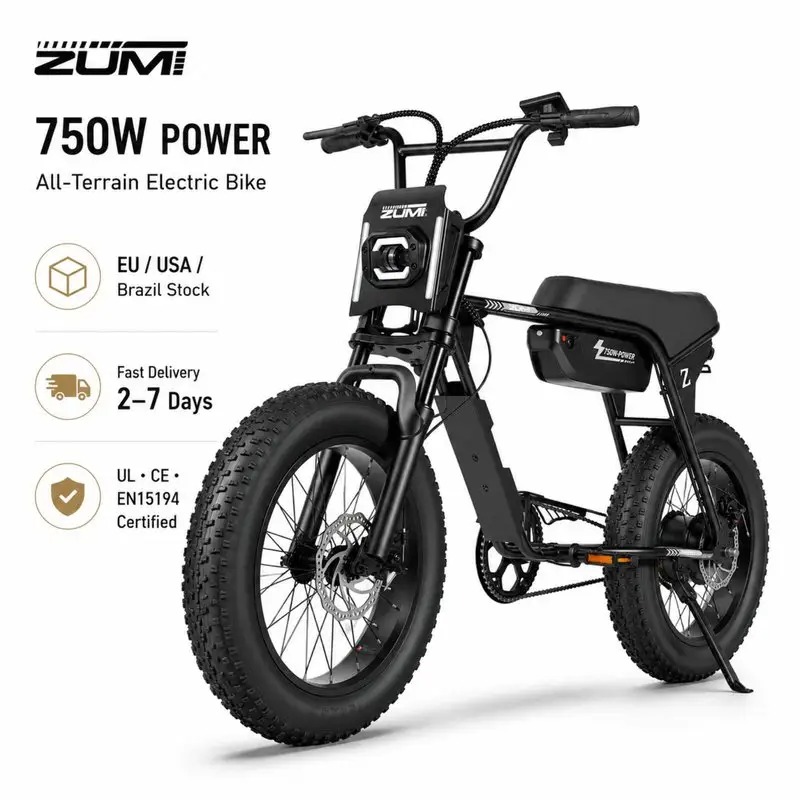
Learn precise air pressure, rebound & compression tuning for optimal suspension performance. Get pro-level setup tips now.
2026/08/03
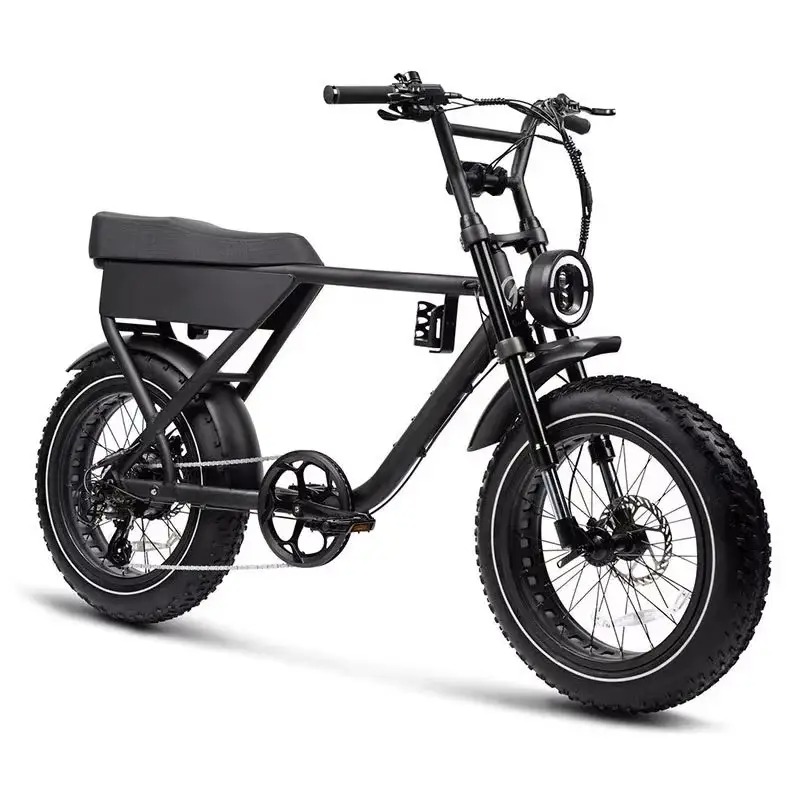
Discover how voltage drop saps performance—and proven fixes to restore responsiveness, range, and battery life. Read now.
2026/08/03
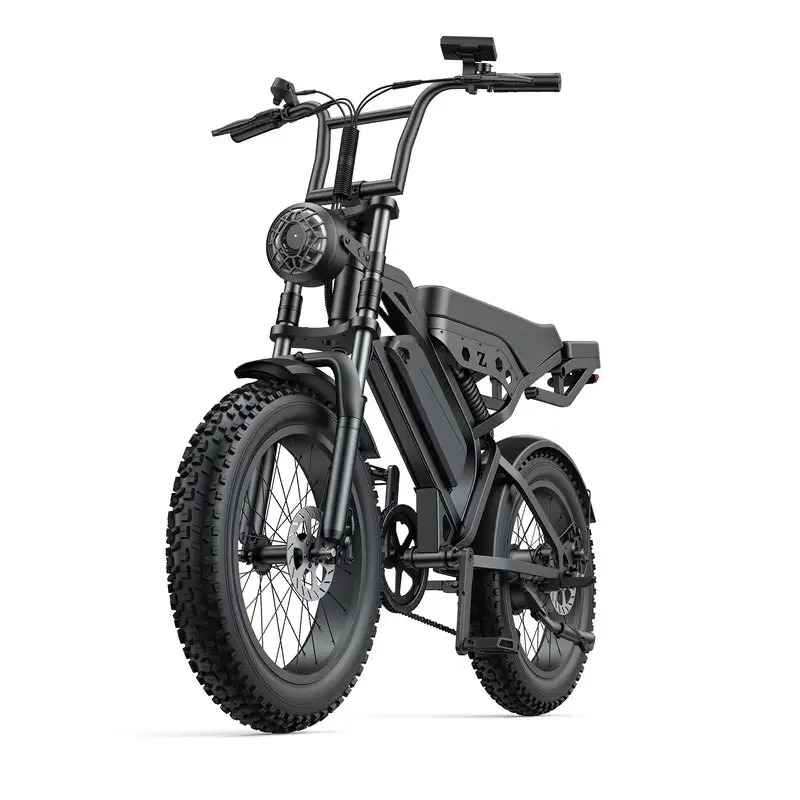
Discover data-backed protocols, smart infrastructure & operational fixes. Optimize now.
2026/08/03
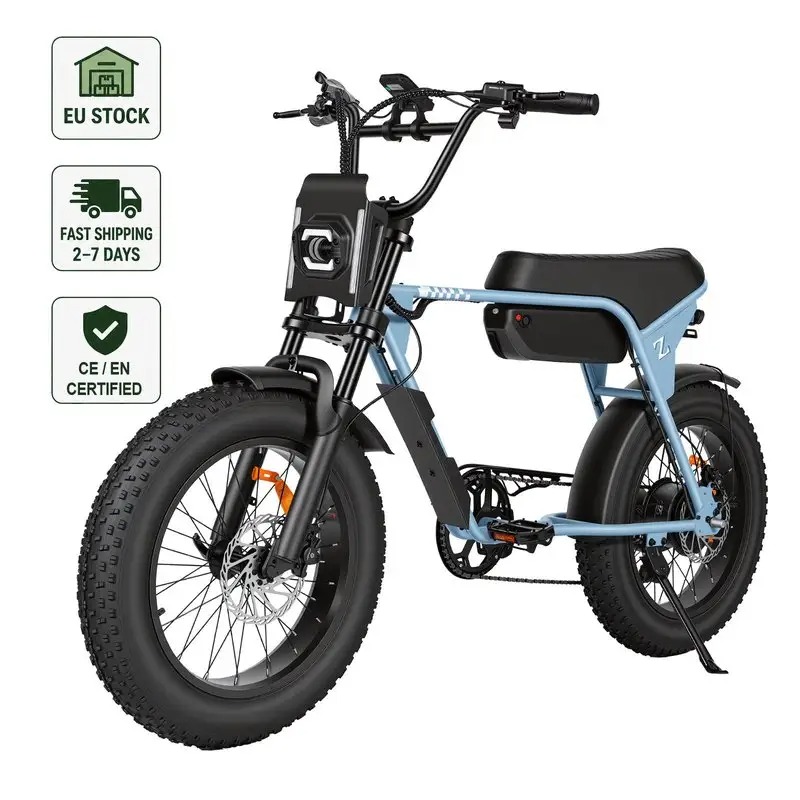
How payload cuts 48V cargo ebike range by 15–50%+ — backed by real-world degradation curves, motor load science & fleet optimization strategies.
Comprehensive warranty, fast parts shipping, remote diagnostics and local dealer training


