 EN
EN
STEP 1
Full vehicle warranty for 2 years
2026/08/27
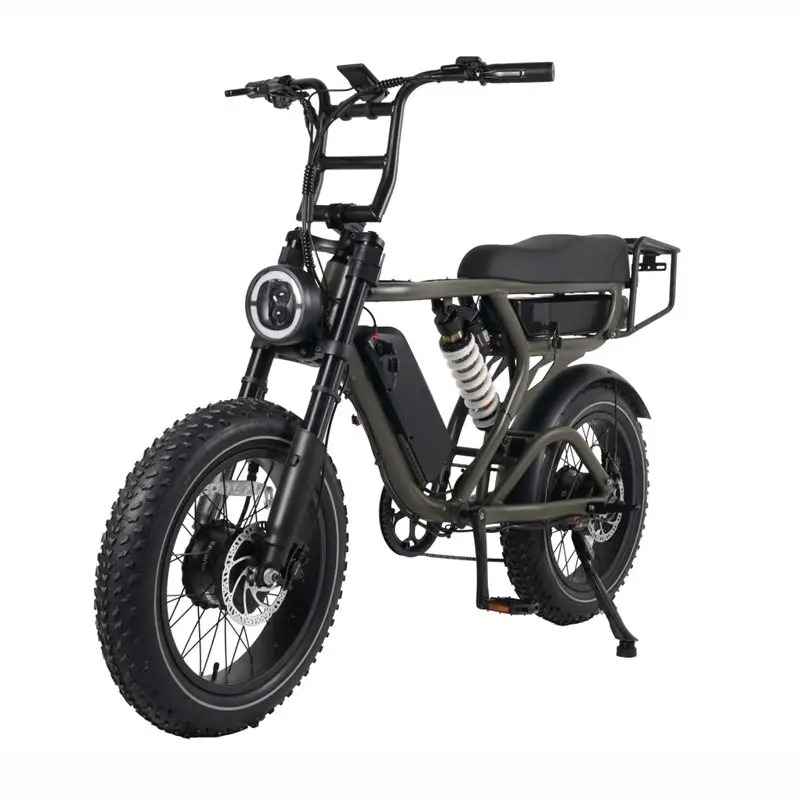
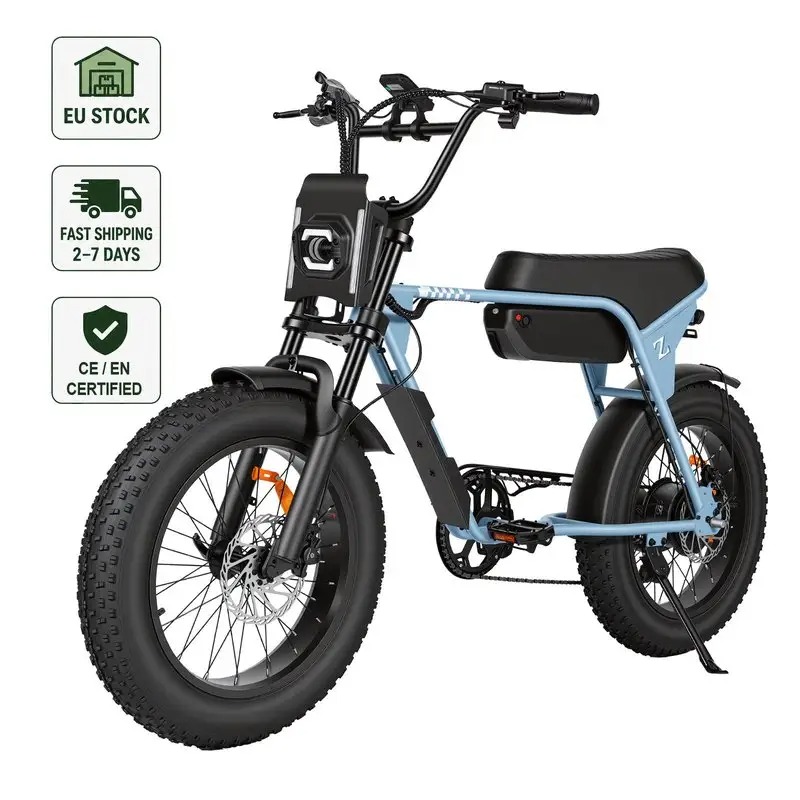
Owning a China fat tire electric bike brings exceptional versatility and performance, but maintaining its hydraulic braking system is essential for safe riding. Whether you ride daily commutes or weekend adventures, properly adjusted hydraulic brakes ensure consistent stopping power and responsive control. Many riders overlook brake maintenance until problems arise, yet simple adjustments can prevent costly repairs and extend your fat tire ebike's lifespan significantly.
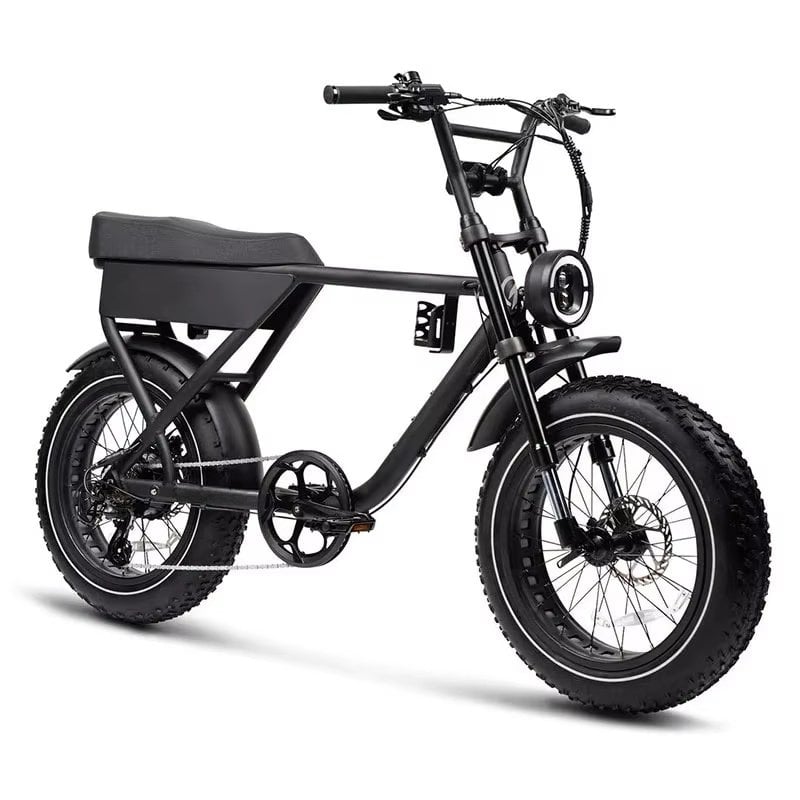
Hydraulic brake systems on your fat tire electric bike work by transmitting pressure through hydraulic fluid to activate the brake pads. Unlike mechanical brakes, hydraulic systems offer superior modulation, require less hand pressure, and maintain consistent performance across varying weather conditions. Understanding how these systems function empowers you to diagnose issues early and perform routine maintenance confidently on your chinese ebike.
Your fat tire ebike's hydraulic brake assembly consists of several key parts working in harmony. The brake lever at your handlebar contains a master cylinder that pressurizes hydraulic fluid when you squeeze it. This pressurized fluid travels through a sealed hose to the caliper at your wheel hub, where it pushes pistons against brake pads. The pads then clamp against the rotor disc, creating friction that slows your chinese ebike. Brake fluid fills the entire system, and even small air pockets can compromise braking efficiency and responsiveness.
Over time, brake pads wear down as you ride your fat tire electric bike regularly. As pads thin, the pistons inside the caliper extend further to maintain contact with the rotor. This extension increases the distance between your brake lever and the activation point, requiring more lever pressure to achieve the same stopping power. Regular adjustment restores optimal lever feel and ensures your fat tire ebike responds predictably when you need to brake suddenly. Misaligned calipers or contaminated fluid also demand attention to restore safe braking performance.
Begin by parking your China fat tire electric bike on a flat surface with the front wheel secured in a workstand or against a wall. Inspect your brake pads visually through the caliper window to assess remaining thickness. Most high-quality fat tire ebike pads should measure at least 3 to 4 millimeters. If pads appear significantly worn, replacement becomes necessary before performing fine adjustments. Check that your hydraulic hose contains no visible cracks, leaks, or soft spots that indicate internal fluid degradation.
Proper caliper alignment directly affects how your chinese ebike brakes perform. Loosen the two mounting bolts securing the caliper to your rotor by one quarter turn, leaving them snug enough to prevent complete removal. Squeeze your brake lever gently while the bolts remain loosened. This action centers the caliper on the rotor and aligns both brake pads equidistantly from the disc. While holding the lever firmly, tighten the caliper bolts incrementally in a cross pattern, similar to tightening wheel lugs. This technique ensures even pressure distribution and prevents caliper twist. Release the lever and spin your wheel to confirm the rotor passes cleanly through the caliper without rubbing.
Your fat tire electric bike's brake lever reach affects comfort and control during braking. Most hydraulic brake levers feature an adjustment screw located near the lever pivot on your handlebar. Turning this screw clockwise moves the lever closer to the handlebar, ideal for riders with smaller hands. Counterclockwise rotation increases lever distance, suiting riders who prefer extended reach. Make adjustments in small increments and test your braking response before making further changes. Proper reach allows your fingers to activate the brake smoothly without excessive stretch or cramping, enhancing safety on your fat tire ebike during extended rides.
A soft or spongy brake lever on your chinese ebike indicates air trapped within the hydraulic system. Air compresses easily compared to hydraulic fluid, reducing the pressure transmission efficiency necessary for reliable braking. Bleeding your hydraulic brake lines removes air pockets systematically. Begin by accessing the brake lever bleed screw, typically located at the top of the master cylinder. Position a small container beneath the screw to catch escaping fluid. Open the screw slightly and allow fluid to flow until clear fluid emerges without visible bubbles. Close the screw firmly and test your lever feel. Your fat tire ebike's brakes should feel firm and responsive after successful bleeding.
Extended descents on mountain terrain challenge your fat tire electric bike's thermal capacity. Repeated heavy braking generates heat faster than your cooling system can dissipate, causing brake fade where responsiveness diminishes temporarily. To prevent fade, use progressive braking techniques that distribute heat gradually rather than sudden intense stops. Allow your brakes brief recovery periods on long descents by coasting when safe to do so. If your chinese ebike experiences persistent fade, verify that your brake fluid type matches manufacturer specifications. Different fluid types have varying boiling points and thermal stability ratings. Upgrading to high-temperature hydraulic fluid designed for extreme riding conditions improves fade resistance substantially.
A warped rotor creates rhythmic rubbing sounds and uneven braking performance on your fat tire ebike. Impacts against obstacles or excessive heat exposure can bend rotors out of their original plane. To check for warping, spin your wheel freely and observe the rotor's position relative to the caliper. Minor warping can be corrected using the caliper centering procedure described earlier. Severe warping requires rotor replacement to restore safety and performance on your fat tire electric bike. Squealing sounds often indicate contaminated brake pads or fluid. Wet conditions, dust, or oil accumulation on pad or rotor surfaces causes noise without affecting braking power. Clean affected components with isopropyl alcohol and allow thorough drying before resuming rides on your chinese ebike.
Establish a monthly inspection habit to keep your fat tire ebike in peak condition. Check brake pad thickness visually and replace pads when they reach 2 millimeters or less. Inspect hydraulic hoses for cracks, leaks, or soft spots indicating internal degradation. Test your brake lever for firmness and responsiveness during a short test ride. Listen for unusual noises that might signal rotor warping or pad contamination. Your fat tire electric bike's braking system demands attention proportional to your riding intensity and terrain difficulty. Aggressive riding or mountain terrain accelerates wear rates compared to casual commuting.
Weather exposure significantly impacts hydraulic brake longevity on your fat tire electric bike. Winter conditions introduce salt and moisture that corrode metal components and degrade hydraulic fluid. Spring maintenance should include thorough cleaning of all brake components and inspection for corrosion. Summer heat accelerates fluid aging and can reduce boiling point safety margins. Fall riding often involves wet leaves and debris that contaminate brakes. Plan comprehensive brake servicing at seasonal transitions to ensure your chinese ebike maintains reliable stopping power year-round. Professional service centers can flush old fluid, inspect internal components, and replace worn seals during major maintenance intervals.
Bleed your hydraulic brakes annually as preventive maintenance, or immediately if your brake lever feels spongy or unresponsive. Moisture naturally accumulates in hydraulic fluid over time, reducing its boiling point and braking reliability. Regular bleeding removes air pockets and water contamination that compromise safety on your fat tire ebike, especially during intense riding or extreme weather conditions.
Basic adjustments like caliper centering and lever reach modification require only standard wrenches and screwdrivers available in most toolkits. However, bleeding your hydraulic system requires specialized syringes or bleeding kits designed for your specific brake manufacturer. Many chinese ebike owners successfully perform routine maintenance independently, but complex repairs like master cylinder rebuilding demand professional expertise and specialized equipment.
Always consult your brake manufacturer's specifications for approved hydraulic fluid types. Common options include mineral oil, DOT fluid variants, or proprietary formulations specific to certain brands. Using incorrect fluid types compromises brake performance and can damage internal seals on your fat tire ebike. Your brake documentation clearly indicates compatibility requirements, and reputable suppliers can confirm proper fluid selection for your chinese ebike model.
2026/08/03
Fix time zones, language gaps, and unclear protocols—boost speed, cut costs, and scale confidently.
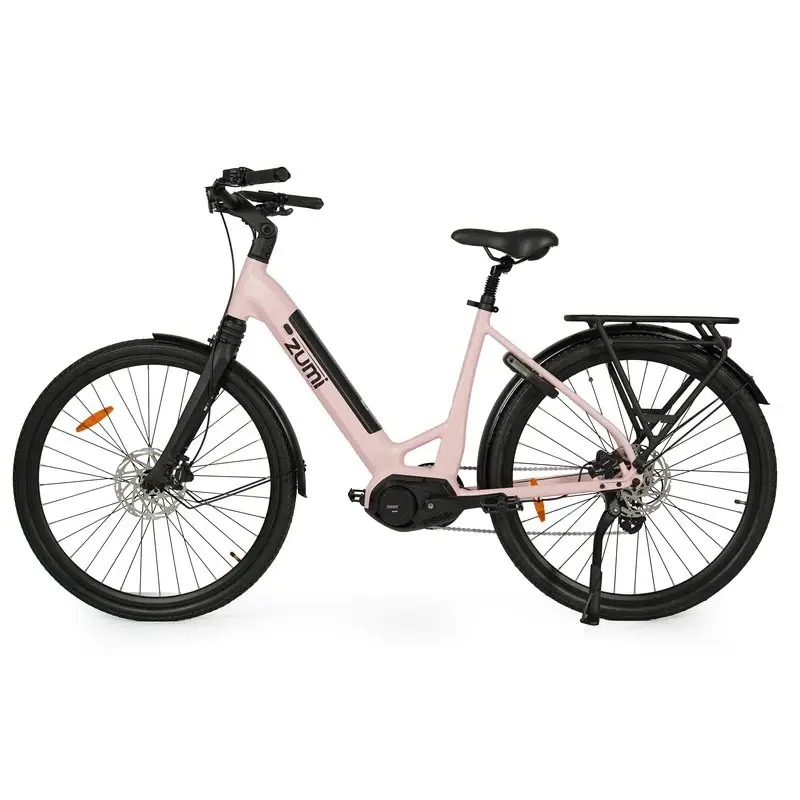
2026/08/03
Avoid liability & import bans: Learn IEC 62619, UN 38.3, and UL 2271—plus how to verify real compliance (not fakes).
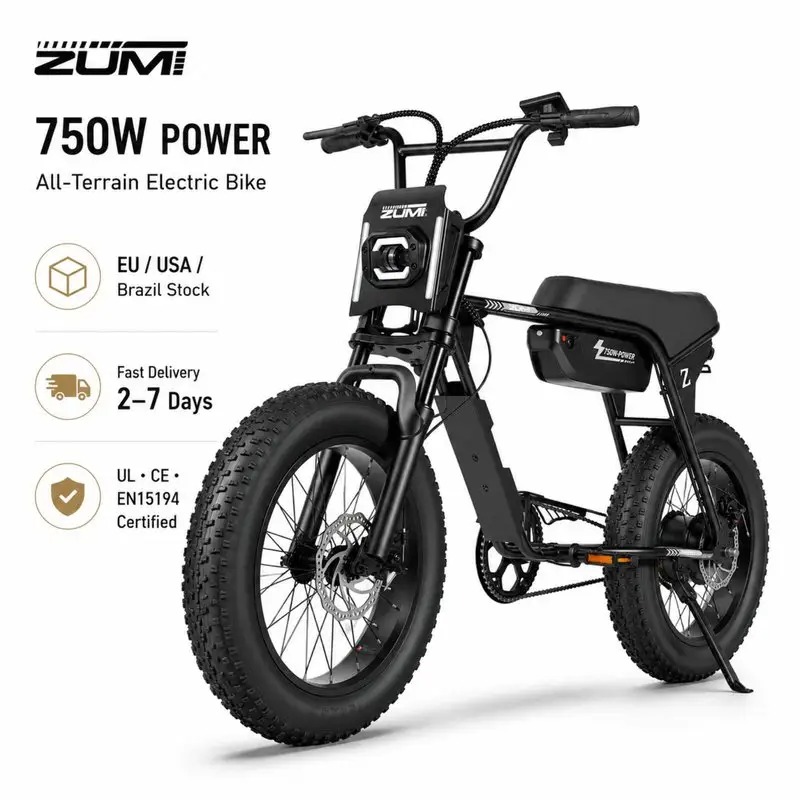
2026/08/03
Learn precise air pressure, rebound & compression tuning for optimal suspension performance. Get pro-level setup tips now.
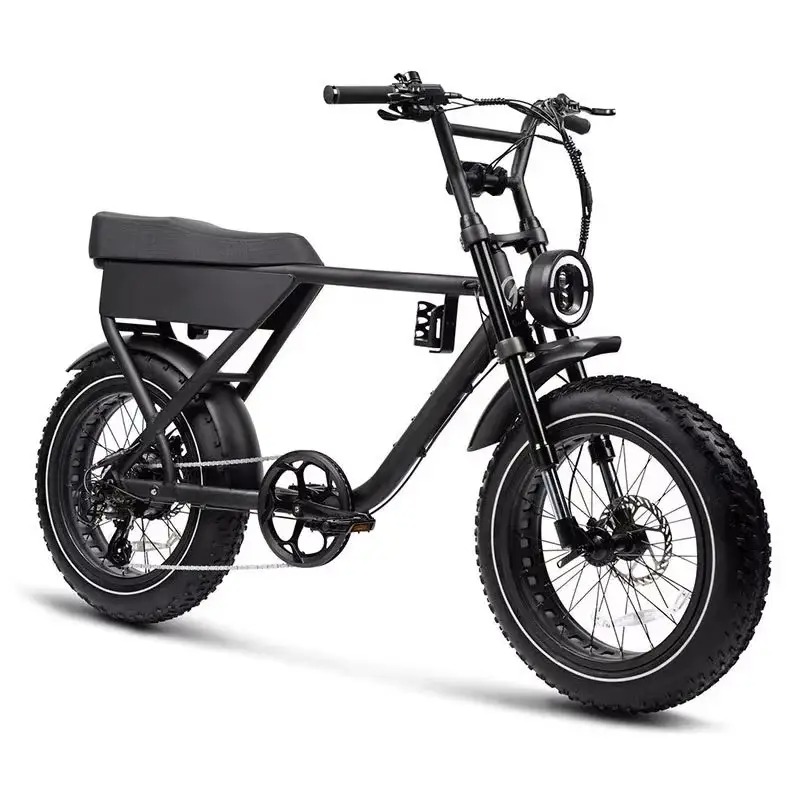
2026/08/03
Discover how voltage drop saps performance—and proven fixes to restore responsiveness, range, and battery life. Read now.
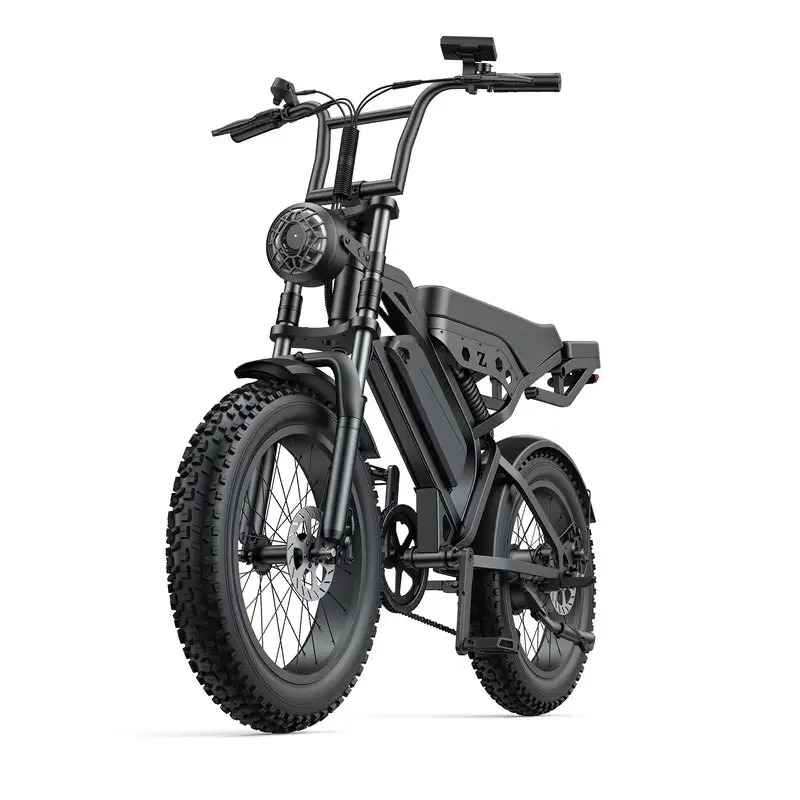
2026/08/03
Discover data-backed protocols, smart infrastructure & operational fixes. Optimize now.
2026/08/03
How payload cuts 48V cargo ebike range by 15–50%+ — backed by real-world degradation curves, motor load science & fleet optimization strategies.
Comprehensive warranty, fast parts shipping, remote diagnostics and local dealer training


