 EN
EN
STEP 1
Full vehicle warranty for 2 years
2026/08/04
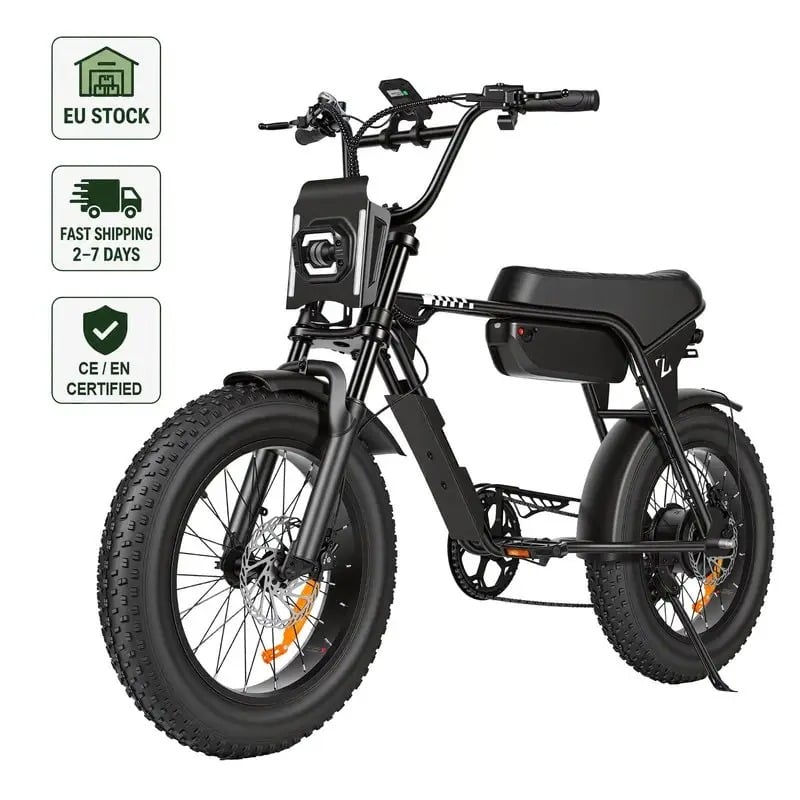
Auditing motor testing laboratories at ebikes manufacturers is a critical quality control process that directly impacts product reliability, safety, and market acceptance. As the electric bike industry grows rapidly, the importance of rigorous motor testing cannot be overstated. Consumers depend on consistent performance, durability, and safety from their electric bikes, which makes auditing motor testing capabilities essential for any serious ebike manufacturer seeking to maintain competitive advantage and regulatory compliance.
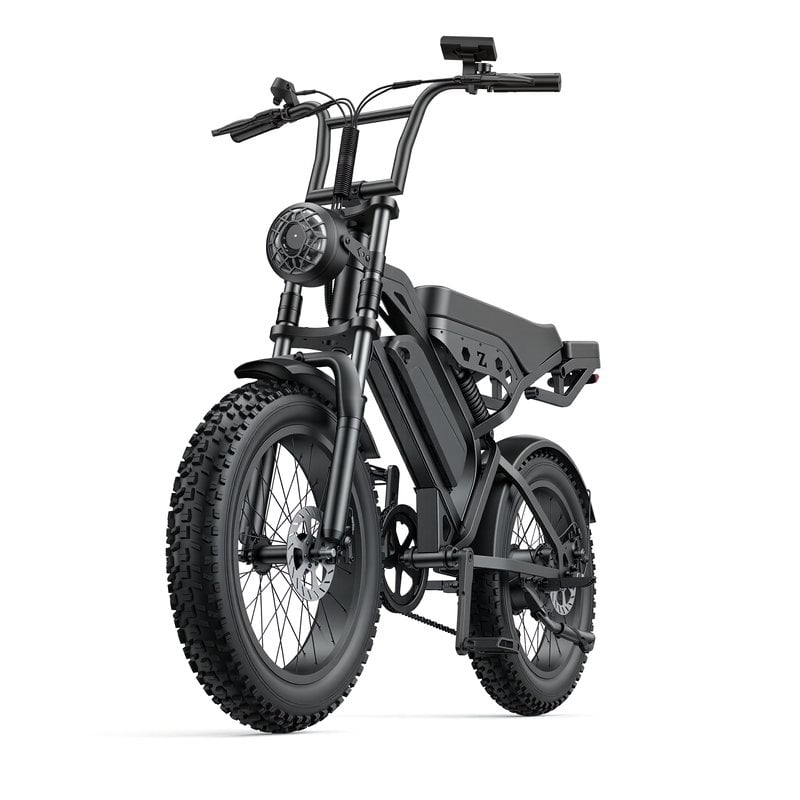
Motor testing laboratories represent the foundation of quality assurance in electric bike production. An ebike factory that invests in comprehensive motor testing infrastructure demonstrates commitment to excellence and customer satisfaction. By understanding what constitutes a properly equipped and managed testing lab, procurement teams and quality managers can make informed decisions when evaluating ebike manufacturer capabilities and establishing long-term partnerships.
A credible ebike manufacturer maintains testing labs equipped with dynamometers, torque sensors, thermal imaging systems, and vibration analysis tools. These instruments measure motor performance under controlled conditions, simulating real-world riding scenarios ranging from flat terrain to steep inclines. The facility should include climate control systems to ensure consistent testing conditions across seasons and geographic regions. Proper infrastructure also includes power measurement systems that assess efficiency losses, voltage stability, and current draw profiles throughout the motor's operational range.
Beyond physical equipment, the testing facility must maintain proper certification and calibration protocols. An ebike factory operating modern testing labs should have equipment calibrated to international standards at regular intervals. Documentation of calibration records indicates that the facility takes measurement accuracy seriously and can provide reliable data for product validation and troubleshooting.
Advanced ebike manufacturer testing labs utilize real-time data acquisition systems that capture performance metrics during extended endurance tests. These systems record motor temperature curves, battery discharge rates, power output consistency, and electromagnetic interference patterns. The ability to analyze this data in meaningful ways separates competent ebike factory operations from basic assembly operations that skip proper validation. Modern testing protocols generate comprehensive reports that identify potential failure modes before products reach customers.
When auditing motor testing labs, verify that the ebike manufacturer conducts efficiency testing across the full operating range, not just at peak conditions. Motors that perform well at maximum power may lose efficiency at partial loads, which represents the majority of typical riding scenarios. An ebike factory should test motors at multiple load levels, measuring input power versus output power to calculate efficiency percentages. This data reveals whether motors meet specifications and identifies where thermal losses occur during extended rides.
Power output consistency testing ensures that motors deliver rated performance reliably. The ebike manufacturer should maintain test records showing motor performance under various temperature conditions, demonstrating that components don't degrade as thermal stress increases. Electric bike wholesale operations that source from manufacturers with rigorous power output testing benefit from reduced warranty claims and improved customer satisfaction.
Extended endurance testing represents a hallmark of serious ebike manufacturer quality programs. Motors should be tested for hundreds of hours under continuous operation at rated load, with temperature monitoring to ensure thermal management systems function properly. The ebike factory should have clear acceptance criteria for temperature thresholds beyond which motors fail or degrade. Thermal imaging during testing reveals hot spots that indicate winding degradation or bearing issues likely to cause premature failure.
Vibration and noise analysis testing conducted by a quality-focused ebike manufacturer identifies mechanical imbalances or bearing wear that could develop during the motor's service life. Baseline vibration signatures establish normal operating parameters, while deviation from these baselines signals potential problems. Electric bike wholesale buyers should ask whether the ebike factory conducts vibration testing and maintains trending data across production batches to catch manufacturing drift early.
An ebike manufacturer serving multiple markets must validate motor performance against applicable regulations in those regions. Testing labs should conduct electrical safety compliance testing, including insulation resistance, voltage withstand capability, and ground fault detection. The ebike factory should maintain documentation proving motors meet safety standards relevant to the markets they serve. Electric bike wholesale operations selling internationally should verify that their suppliers' testing covers all relevant regulatory requirements for each destination region.
Electromagnetic compatibility testing ensures that motors don't interfere with communication systems or other electronic components on the bike or in the surrounding environment. A comprehensive ebike manufacturer testing program verifies that motors meet EMC standards appropriate to their market. This testing prevents issues in the field where motor interference could cause connectivity problems with smartphone apps or bicycle computers increasingly common on modern electric bikes.
Professional ebike manufacturer testing labs maintain comprehensive documentation linking each motor tested to its batch, production date, and component suppliers. This traceability enables rapid response if quality issues emerge after products enter the market. The ebike factory should track test results over time, identifying trends that indicate process improvements or emerging problems. Records should include raw data, analysis results, acceptance decisions, and any deviations from standard protocols with documented justification.
When auditing an ebike manufacturer's testing capabilities, request access to sample test reports and records demonstrating consistent documentation practices. This reveals whether the testing program represents actual quality commitment or merely theoretical compliance with standards. Electric bike wholesale buyers should prioritize suppliers whose testing documentation is thorough, accessible, and shows clear trending analysis demonstrating continuous improvement.
Technicians at an ebike manufacturer's testing facility should possess relevant technical training in electrical systems, mechanical engineering, or electronics, with specific training on the testing equipment used. Certification programs from equipment manufacturers and relevant technical standards bodies validate expertise. The ebike factory should maintain training records and ensure technicians receive regular updates on evolving testing protocols and standards applicable to electric bikes.
Industry best practice recommends that dynamometers, torque sensors, and other precision instruments at an ebike manufacturer testing lab be calibrated at least annually, or more frequently depending on usage intensity and equipment manufacturer specifications. The ebike factory should maintain calibration certificates from accredited calibration laboratories, demonstrating compliance with applicable standards. More frequent calibration may be necessary if the testing facility operates continuously or if testing protocols demand extreme accuracy.
While basic testing is possible with minimal equipment, comprehensive motor validation requires investment in proper instrumentation. An ebike manufacturer committed to quality should have at minimum a dynamometer, temperature measurement capability, and electrical parameter monitoring systems. Electric bike wholesale operations should recognize that suppliers claiming comprehensive testing with minimal equipment investment may not be providing reliable quality assurance, making it worthwhile to invest in partnerships with properly equipped ebike factories that justify their testing infrastructure investments.
2026/08/03
Fix time zones, language gaps, and unclear protocols—boost speed, cut costs, and scale confidently.
2026/08/03
Avoid liability & import bans: Learn IEC 62619, UN 38.3, and UL 2271—plus how to verify real compliance (not fakes).
2026/08/03
Learn precise air pressure, rebound & compression tuning for optimal suspension performance. Get pro-level setup tips now.
2026/08/03
Discover how voltage drop saps performance—and proven fixes to restore responsiveness, range, and battery life. Read now.
2026/08/03
Discover data-backed protocols, smart infrastructure & operational fixes. Optimize now.
2026/08/03
How payload cuts 48V cargo ebike range by 15–50%+ — backed by real-world degradation curves, motor load science & fleet optimization strategies.
Comprehensive warranty, fast parts shipping, remote diagnostics and local dealer training


