 EN
EN
STEP 1
Full vehicle warranty for 2 years
2026/08/13
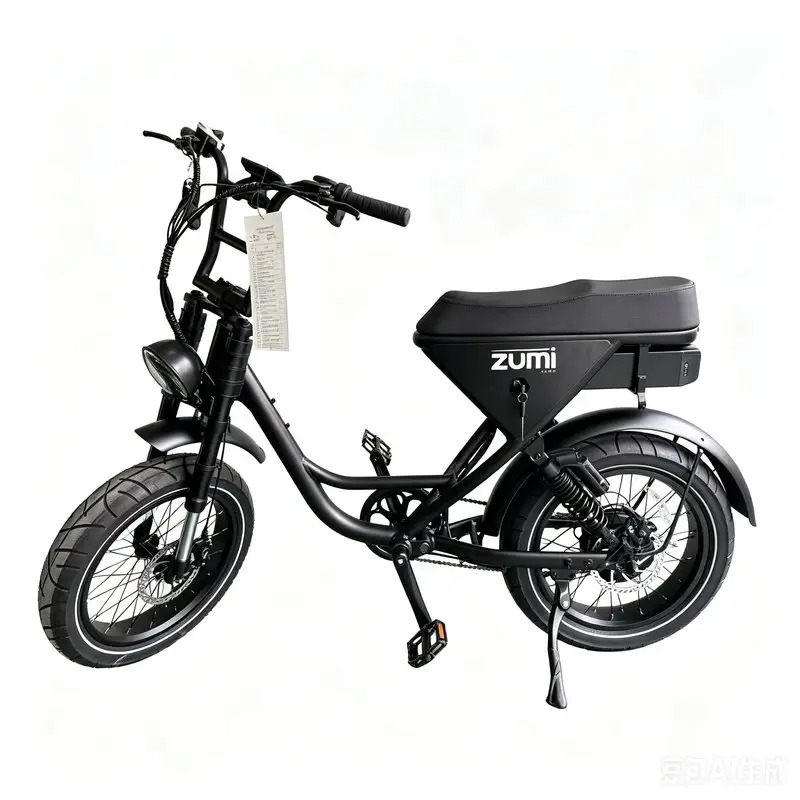
Maintaining a healthy battery system is crucial for any electric bike owner, especially those using a ebike 48v 250w configuration. Battery cell balancing ensures your commuter ebike operates at peak efficiency, extends battery lifespan, and prevents potentially dangerous overcharging scenarios. When individual cells within a 48v ebike battery pack drift out of electrical equilibrium, the entire system suffers degraded performance and accelerated wear. Understanding the fundamentals of safe battery cell balancing transforms you from a passive user into an informed rider who maximizes their investment.
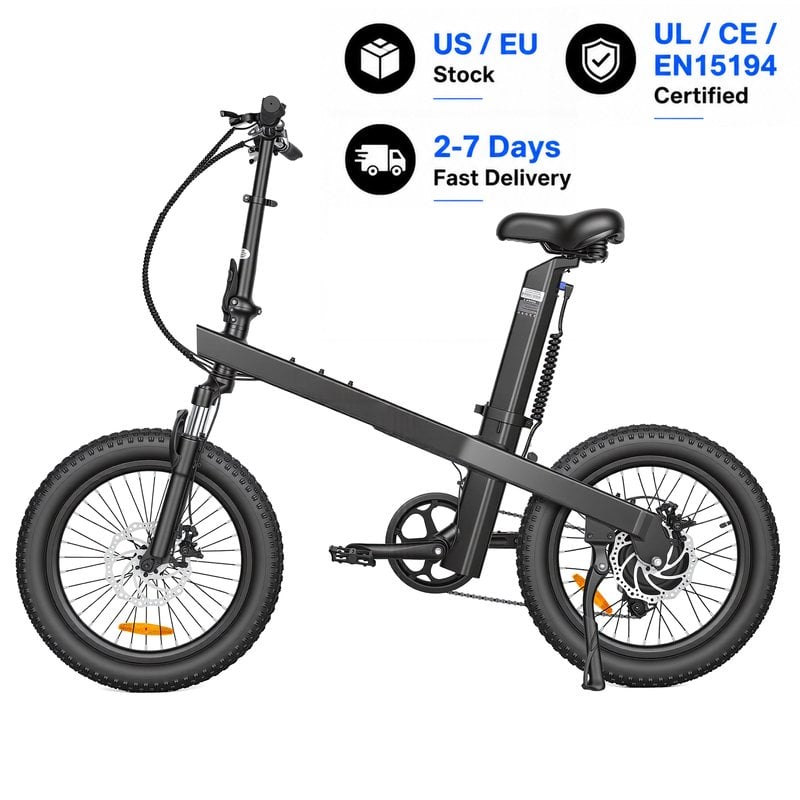
A 250w ebike operates within a carefully calibrated energy ecosystem where voltage consistency across all battery cells directly impacts motor responsiveness, range predictability, and safety protocols. The 48v system in particular relies on precise cell voltage matching to deliver consistent power delivery to your motor and electronic components. Cell imbalance introduces inefficiency, reduces usable capacity, and forces your battery management system to work harder than designed. This guide walks you through proven techniques for balancing battery cells on your commuter ebike while prioritizing personal safety and system integrity throughout every step.
Battery cells inside your 48v ebike naturally drift out of balance over time due to manufacturing tolerances, uneven charge rates, temperature variations, and cycling history. Each cell maintains a slightly different internal resistance, which means they charge and discharge at marginally different rates. On a 250w ebike, this subtle drift accumulates across multiple charge cycles. When one cell charges to 4.2 volts while another rests at 4.0 volts, the pack voltage becomes unreliable, and your battery management system flags inconsistencies. A commuter ebike depending on this 48v pack for daily reliability cannot afford such inconsistencies, making proactive balancing a maintenance priority rather than an optional upgrade.
An unbalanced 48v ebike battery exhibits several warning signs that demand immediate attention. Range decreases unexpectedly even though the battery pack appears fully charged. Acceleration feels sluggish during morning commutes, and the motor cuts power prematurely despite showing stored energy. On a 250w ebike system, this premature power loss often occurs at 30 to 40 percent remaining charge, wasting half your available capacity. Temperature anomalies emerge, with some cells running significantly warmer than others. More critically, unbalanced cells stress your battery management system, potentially triggering safety shutdowns. A commuter ebike should deliver consistent performance through every charge cycle, making cell balancing integral to maintaining reliability and extending your battery investment across thousands of miles.
The safest approach for a 48v ebike owner involves using a balance charger specifically designed for lithium-ion battery packs. These chargers include individual cell monitoring circuits that measure voltage across each cell and adjust charging current dynamically to equalize voltage levels. Unlike standard chargers that dump current uniformly, a balance charger channels precise current to lagging cells while reducing current to advanced cells. For your 250w ebike system, select a 48v charger with balancing capability and a current rating matching your battery's amp-hour capacity. Connect the charger to both the main power terminals and the balance connector, which typically features six to eight small pins corresponding to each cell group. The balancing process runs automatically, often requiring several complete charge cycles to restore cells to within 0.02 volts of each other, which represents the gold standard for 48v ebike performance consistency.
Passive balancing offers an alternative method when balance chargers are unavailable, though it requires more time and careful monitoring. This technique involves fully discharging your commuter ebike to zero percent, then charging it completely using a standard charger while observing voltage measurements at each cell. A digital multimeter or battery monitor allows you to track individual cell voltages throughout the process. Overcharged cells naturally reach their cutoff voltage first, then cease accepting current, while undercharged cells continue accepting charge until they reach balance. For a 250w ebike operating on 48v architecture, expect passive balancing to require two to four full discharge-charge cycles before measurable improvement appears. This method demands hands-on attention every few minutes and carries slightly higher risk if you accidentally overcharge cells beyond safe limits, making it a backup option rather than preferred practice for regular commuter ebike maintenance.
Many 48v ebike users opt for professional balancing when they lack tools or expertise to balance cells safely. Specialized battery shops possess diagnostic equipment that measures individual cell voltage with precision that consumer-grade multimeters cannot achieve. Technicians can identify which cells require adjustment and apply targeted balancing protocols specific to your battery's chemistry and design. For a 250w ebike with expensive battery packs, professional balancing ensures your cells receive proper treatment and generates documentation confirming balanced status. This service typically costs between fifty and one hundred fifty dollars, a reasonable investment compared to premature battery replacement. A commuter ebike owner who commutes daily should consider professional balancing annually or every eighteen months, depending on usage intensity and charging patterns.
Before attempting any balancing work on your 48v ebike, inspect the battery pack thoroughly for visible damage, swelling, or corrosion. A damaged 250w ebike battery poses fire risk and should never undergo balancing attempts. Check that all connectors remain clean and free of oxidation. Verify your work environment offers adequate ventilation, as lithium-ion batteries release gases during charging. Ensure your charger displays no error codes and connects securely to both power terminals and balance connectors. For a commuter ebike requiring reliable transportation, working with a fully functional setup prevents accidents and ensures your balancing efforts actually achieve intended results. Always disconnect your battery from the motor and controller before beginning any balancing procedure, eliminating the risk of accidental discharge through attached electronics.
Temperature management during balancing cannot be overstated, as lithium cells on a 48v ebike perform optimally between fifty-five and seventy-five degrees Fahrenheit. Attempting to balance cells during extreme heat or cold reduces efficiency and can damage internal chemistry. A 250w ebike battery should rest at room temperature for at least two hours before and after balancing to allow cells to stabilize. Never initiate balancing immediately after a ride when cells remain warm from discharge activity. For a commuter ebike used in seasonal climates, plan balancing during moderate weather conditions, typically spring or fall. If your 48v system has experienced freezing temperatures, allow extended warming time before beginning any charging operations. Monitor cell temperature during balancing, stopping immediately if cells exceed eighty-five degrees Fahrenheit to prevent thermal stress that compromises battery chemistry and safety.
Establish consistent charging parameters for your 48v ebike to support long-term cell balance maintenance. Always use the manufacturer-recommended charger or an equivalent balance charger rated for your specific battery voltage and capacity. For a 250w ebike system, avoid rapid charging protocols that push high current through cells unevenly, which defeats balancing efforts. Set your charger to the slowest practical speed, typically one-amp per amp-hour of battery capacity, allowing cells time to reach voltage equilibrium naturally. A commuter ebike operated on daily charge cycles benefits from moderate charging speeds that optimize cell health and extend overall battery lifespan beyond five years. Never leave your battery unattended during balancing cycles, and never attempt to charge overnight without monitoring capability. Remove the battery from your 48v ebike and place it on a non-flammable surface away from living areas during extended charging sessions, treating safety as your highest priority.
For a commuter ebike charged daily, perform cell balancing every six to twelve months as preventive maintenance. If your 250w ebike shows range decrease, sluggish acceleration, or temperature anomalies, balance cells immediately regardless of schedule. Professional diagnostics can confirm whether balancing is necessary by measuring individual cell voltages and identifying drift beyond acceptable thresholds.
Yes, passive balancing through controlled discharge and charging cycles works for a 250w ebike, though it requires more time and careful monitoring than using a dedicated balance charger. This method demands two to four full discharge-charge cycles and carries slightly higher risk of accidental overcharging if you lose focus during extended balancing sessions.
Individual cells on a 48v ebike should fall within 0.02 volts of each other at rest, meaning all cells cluster between 4.18 and 4.22 volts when fully charged. A 250w ebike with cells matching this range delivers consistent performance, predictable range, and optimal longevity across thousands of charge cycles typical of active commuting use.
2026/08/03
Fix time zones, language gaps, and unclear protocols—boost speed, cut costs, and scale confidently.
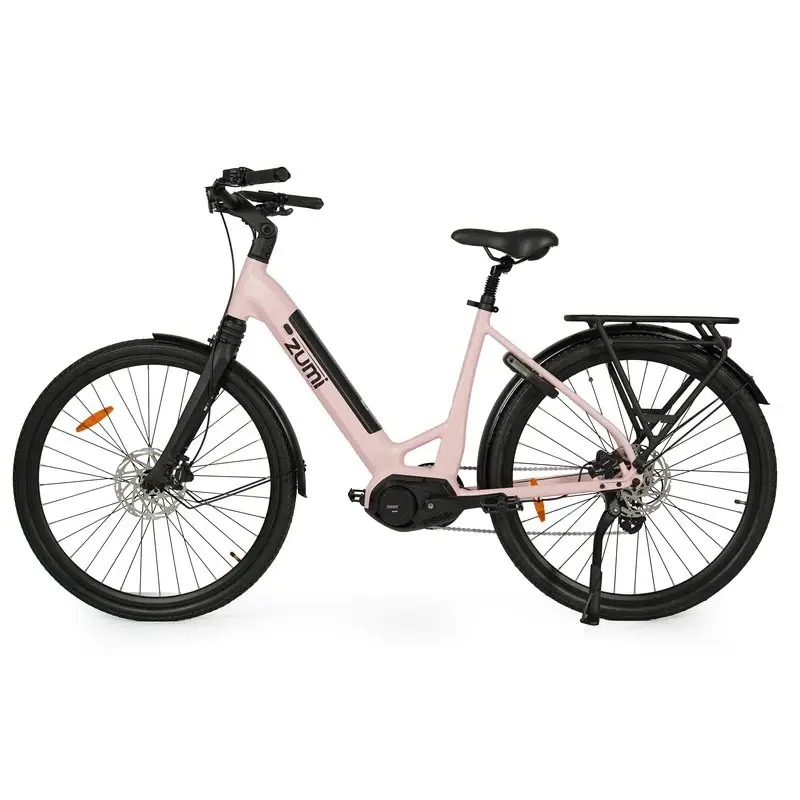
2026/08/03
Avoid liability & import bans: Learn IEC 62619, UN 38.3, and UL 2271—plus how to verify real compliance (not fakes).
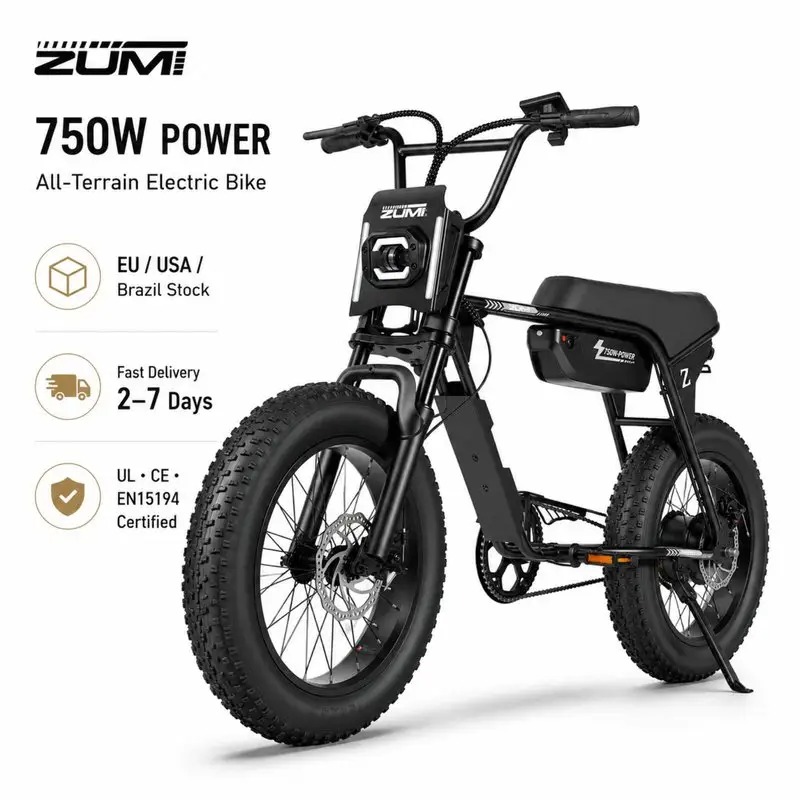
2026/08/03
Learn precise air pressure, rebound & compression tuning for optimal suspension performance. Get pro-level setup tips now.
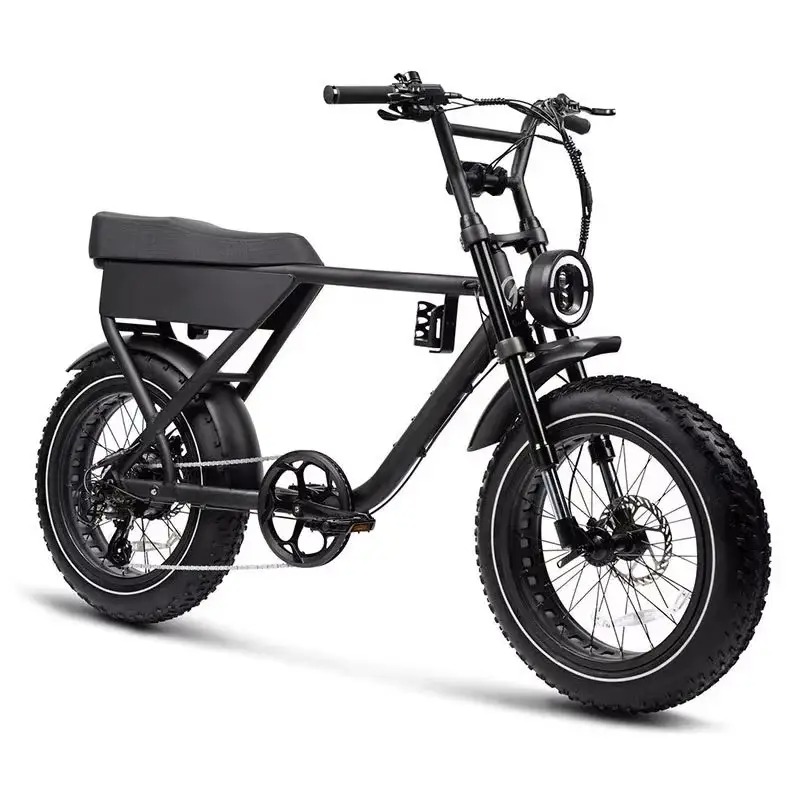
2026/08/03
Discover how voltage drop saps performance—and proven fixes to restore responsiveness, range, and battery life. Read now.
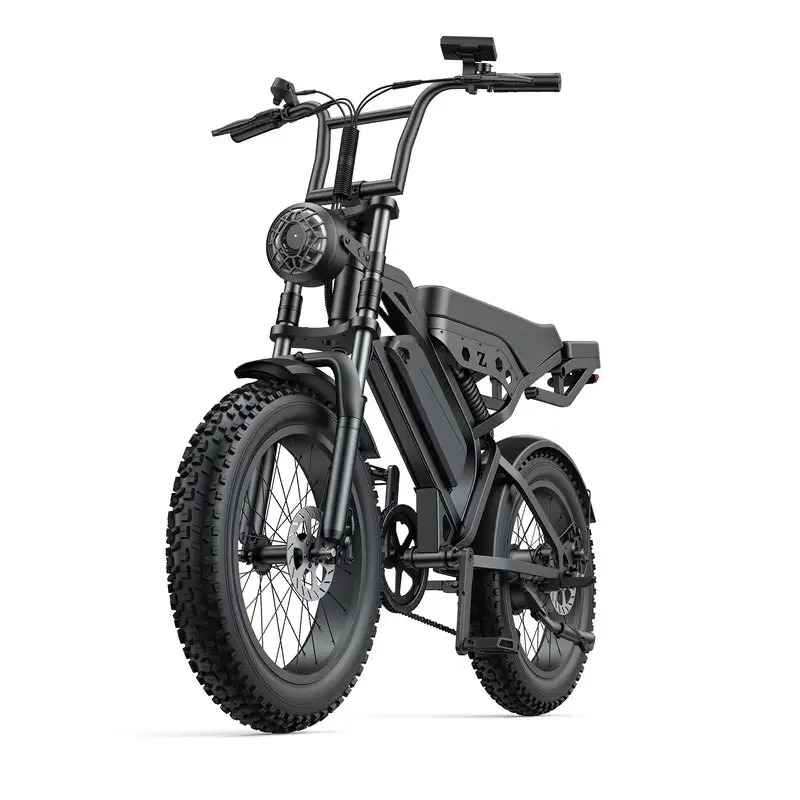
2026/08/03
Discover data-backed protocols, smart infrastructure & operational fixes. Optimize now.
2026/08/03
How payload cuts 48V cargo ebike range by 15–50%+ — backed by real-world degradation curves, motor load science & fleet optimization strategies.
Comprehensive warranty, fast parts shipping, remote diagnostics and local dealer training


