 EN
EN
STEP 1
Full vehicle warranty for 2 years
2026/08/24
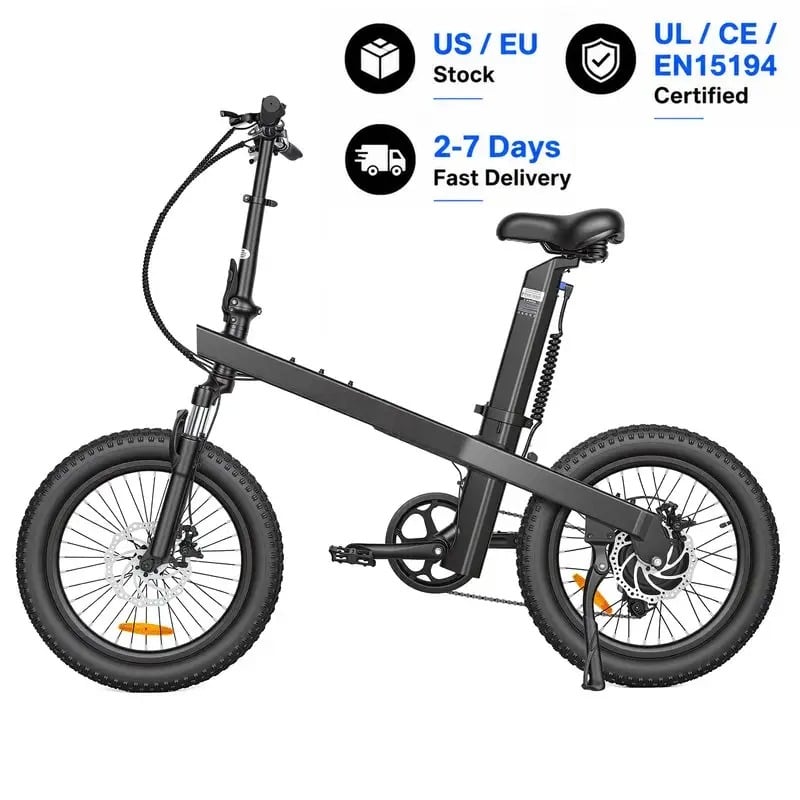
Establishing quality standards for an oem electric bike order is critical to ensuring your business receives products that meet customer expectations and regulatory requirements. When working with an oem ebike manufacturer, clear quality benchmarks prevent costly issues down the line, reduce warranty claims, and protect your brand reputation. The process begins with defining exactly what quality means for your specific market segment, then translating those definitions into measurable specifications that your ebike factory partner must meet before shipment.
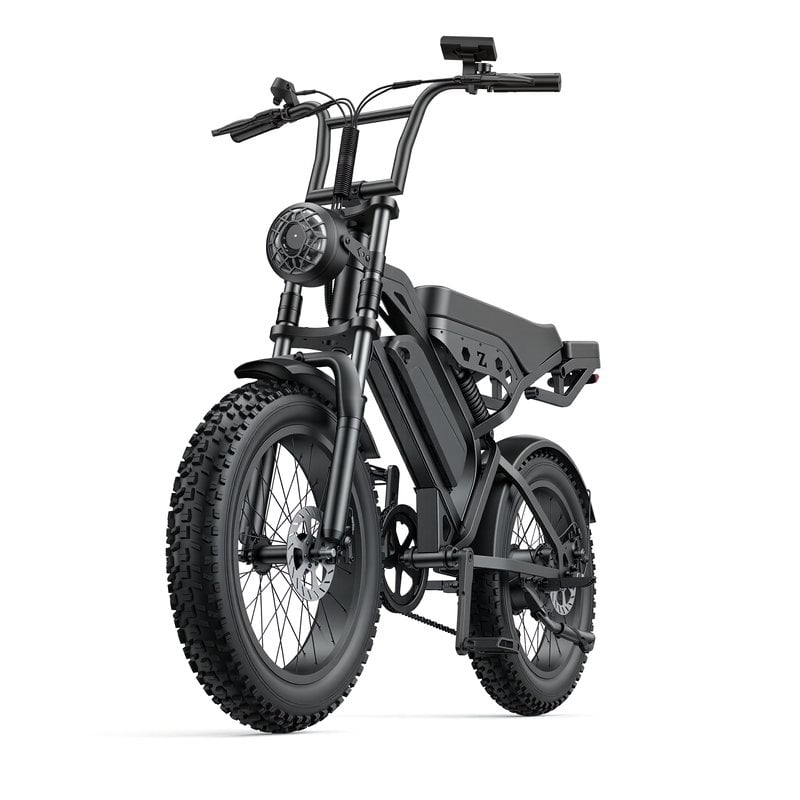
Quality standards must cover multiple dimensions: electrical safety, battery performance, motor reliability, frame durability, component compatibility, and assembly precision. Working with an experienced oem ebike supplier requires a detailed quality agreement that specifies tolerances, testing protocols, and acceptance criteria. Without these standards in place from the start, even a trustworthy ebike manufacturer may interpret your requirements differently, leading to product deviations that damage your market position.
An oem electric bike must meet relevant electrical safety standards in your target markets, such as UL, CE, or regional equivalents. Work with your ebike manufacturer to confirm that the motor, battery management system, and wiring all comply with these certifications before you place an order. Request detailed test reports from the ebike factory that prove adherence to voltage ratings, insulation resistance, and fault protection mechanisms. This protects both your business and your end customers from serious electrical hazards.
Power output, torque delivery, and range are fundamental performance metrics that must be clearly defined in your oem ebike contract with your manufacturer. Specify exact wattage ratings, expected riding range under standardized conditions, and battery cycle life expectations. The ebike factory should provide third-party test data proving that the motor delivers consistent power across different load conditions and that the battery maintains capacity after repeated charge cycles. These benchmarks directly affect customer satisfaction and return rates.
The frame is the backbone of any oem electric bike, and structural weaknesses can lead to failures that create safety risks and expensive recalls. Require your oem ebike supplier to conduct stress testing and fatigue analysis on the frame design, then verify that production units meet those specifications through random sampling. Check that weld quality, material composition, and paint finish consistency meet your standards at the ebike factory level. Specify acceptable tolerances for frame alignment and dimensional accuracy to ensure that components fit together properly during assembly.
Gears, chains, cassettes, and brakes determine the overall ride quality and safety of an oem electric bike, so these components deserve detailed attention in your quality agreement. Request certifications for each major drivetrain and brake component, and specify that your ebike manufacturer must source these from approved suppliers only. Define acceptable wear limits and functional performance thresholds that apply when the oem ebike arrives at your facility. Your ebike factory partner should include detailed assembly instructions and torque specifications to ensure that all mechanical systems are correctly integrated.
Establish a clear testing protocol that your oem ebike manufacturer must follow before shipping your order. This protocol should include functional testing of the motor, brake systems, and transmission under load, as well as visual inspection for cosmetic defects, alignment issues, and proper labeling. Require the ebike factory to perform a percentage of units at random, or implement 100-percent inspection for critical safety components like brakes and electrical systems. Document all test results and provide them to your team before shipment so you can verify compliance before payment.
Your oem electric bike order should include comprehensive documentation that traces each unit back to its manufacturing batch, component suppliers, and test results. This traceability is essential for managing warranty claims and conducting recalls if problems emerge after delivery. Require your oem ebike supplier to maintain detailed batch records that identify which specific motor, battery, and frame components were assembled into each finished unit. This level of documentation also gives you confidence that your ebike manufacturer is maintaining consistent quality across all production runs and can quickly identify the source of any defects.
Quality standards should evolve based on field performance data and customer feedback from your own market. Establish regular communication channels with your ebike factory to report any recurring issues, and work together to implement corrective actions. If warranty claims spike around a particular component or assembly process, bring this data to your oem electric bike manufacturer and negotiate improvements to the production process. This collaborative approach transforms quality standards from a static requirement into a living system that continuously improves product reliability.
Your agreement should specify motor power output and torque, battery capacity and cycle life, brake stopping distance, frame stress test results, electrical safety certifications, acceptable dimensional tolerances, component sourcing requirements, and detailed testing protocols that your oem ebike manufacturer must follow before shipment. Include penalties or rework requirements if products fall outside these parameters, and define the inspection frequency for each category of quality control.
Request third-party test reports and certifications for each major component, conduct on-site audits of the ebike factory production process, and implement a sampling inspection protocol for incoming units from the oem ebike supplier. Ask for documentation of their quality management system, supplier qualification procedures, and corrective action records. You can also establish a first-article inspection requirement where you thoroughly test the first production batch before approving mass production runs from your oem electric bike order.
Your quality agreement should include clear remedies, such as rework at the ebike factory's expense, partial payment withholding, or full product rejection for serious defects. Specify how long the oem electric bike manufacturer has to correct issues and what happens if problems repeat. Build in escalation procedures and dispute resolution mechanisms so you have recourse if your oem ebike supplier resists improvements. Establishing these expectations upfront prevents costly conflicts and ensures accountability from your ebike manufacturer.
2026/08/03
Fix time zones, language gaps, and unclear protocols—boost speed, cut costs, and scale confidently.
2026/08/03
Avoid liability & import bans: Learn IEC 62619, UN 38.3, and UL 2271—plus how to verify real compliance (not fakes).
2026/08/03
Learn precise air pressure, rebound & compression tuning for optimal suspension performance. Get pro-level setup tips now.
2026/08/03
Discover how voltage drop saps performance—and proven fixes to restore responsiveness, range, and battery life. Read now.
2026/08/03
Discover data-backed protocols, smart infrastructure & operational fixes. Optimize now.
2026/08/03
How payload cuts 48V cargo ebike range by 15–50%+ — backed by real-world degradation curves, motor load science & fleet optimization strategies.
Comprehensive warranty, fast parts shipping, remote diagnostics and local dealer training


