 EN
EN
STEP 1
Full vehicle warranty for 2 years
2026/08/25
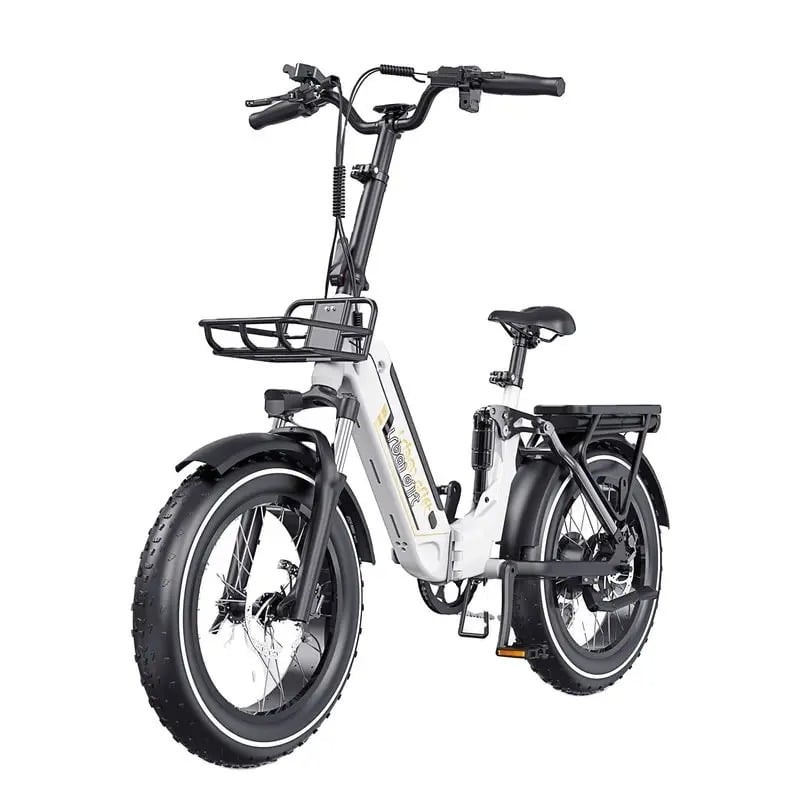
Selecting a reliable electric bike manufacturer requires more than just comparing prices or reviewing marketing claims. Quality control standards directly impact safety, durability, performance, and long-term reliability of every unit produced. When evaluating an electric bike manufacturer, you need a systematic approach that examines manufacturing processes, component sourcing, testing protocols, and compliance certifications. This article provides a practical framework for assessing quality control practices from any electric bike manufacturer, whether you are a retailer, distributor, or direct consumer.
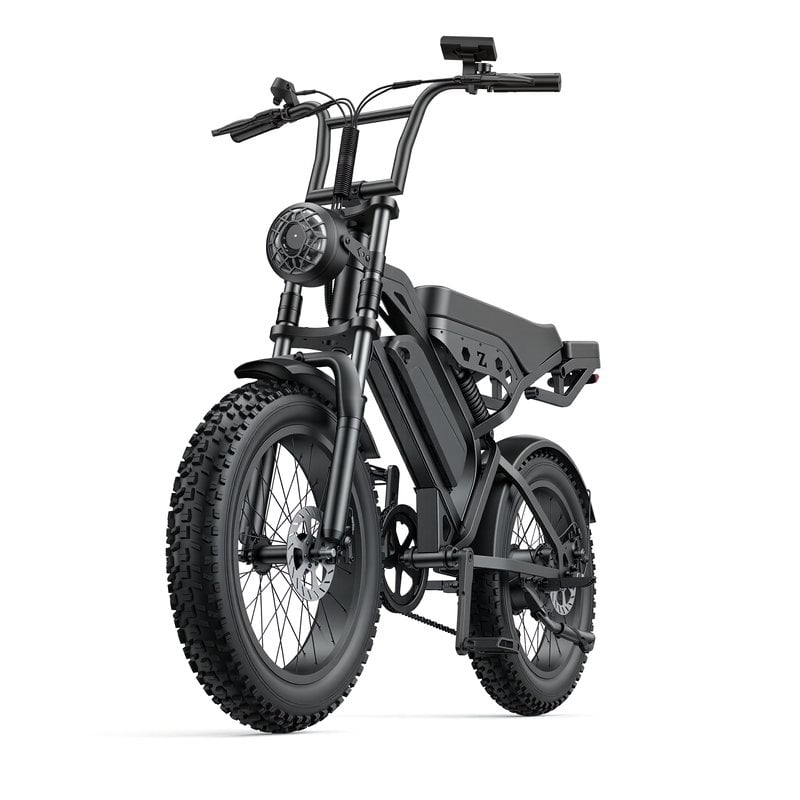
Quality control in the electric bike industry spans multiple disciplines, from battery safety and motor performance to frame integrity and electrical component reliability. Different electric bike makers employ varying levels of rigor in their quality assurance systems. Understanding how to evaluate these differences empowers you to make informed decisions and avoid costly partnerships or purchases with substandard suppliers.
Any reputable electric bikes factory should hold industry certifications that demonstrate commitment to quality and safety. The most important certifications include ISO 9001 for general manufacturing quality management, CE marking for European market compliance, and UL standards for electrical safety. When evaluating an electric bike manufacturer, ask for documentation of these certifications and verify their current status directly with the issuing bodies. Third-party certification provides independent validation that the manufacturer maintains documented quality processes and undergoes regular audits.
Chinese electric bike companies have increasingly adopted international quality standards to compete globally. However, certification alone does not guarantee consistent execution. Request audit reports, corrective action documentation, and historical compliance records from your potential electric bikes factory partner. A manufacturer willing to share this information transparently demonstrates confidence in their quality systems and accountability.
Quality control begins during production planning, not at final inspection. Examine whether the electric bike manufacturer maintains detailed process documentation, work instructions, and quality checkpoints at each assembly stage. Request samples of their process flow documentation, material specifications, and component traceability records. Electric bike makers that track component lot numbers and maintain detailed production logs can quickly identify and isolate quality issues when problems arise.
The most rigorous electric bike manufacturers implement real-time monitoring systems that track production metrics, component performance, and defect rates continuously. Ask whether your potential manufacturer uses statistical process control, automated testing stations, or digital quality management systems to detect deviations before they result in defective units.
Battery performance and safety represent the highest priority when evaluating any 250w electric bike manufacturer or larger capacity producer. Lithium-ion battery failures can create fire hazards, reduce range, or cause unexpected shutdowns. Request detailed information about battery sourcing, quality tier selection, and testing procedures. Reputable electric bike makers source from established battery manufacturers with their own quality certifications and provide comprehensive battery specification sheets.
Examine whether the electric bikes factory conducts overcharge protection testing, internal short-circuit testing, thermal stress testing, and cycle-life validation before batteries enter production. Advanced manufacturers perform safety tests at multiple charge states and temperature ranges to ensure reliability across real-world conditions. A 250w electric bike manufacturer or larger capacity producer should provide battery test reports, safety data sheets, and warranty documentation that specify performance parameters and failure modes.
Motors represent another critical component where quality directly affects performance and longevity. When evaluating an electric bike manufacturer, inquire about motor sourcing, winding specifications, efficiency testing, and thermal management capabilities. Ask whether the electric bike makers conduct motor load testing, insulation resistance testing, and bearing durability assessment before installation. Higher-quality manufacturers test motors individually to specification before assembly rather than relying solely on supplier certifications.
Electrical components including controllers, sensors, and charging systems also demand rigorous evaluation. Request information about electrical safety testing, voltage regulation verification, and protection circuit functionality. A quality-focused chinese electric bike companies manufacturer documents all electrical testing procedures and maintains test result records by production batch.
Quality control culminates in comprehensive final inspection where completed units undergo systematic testing before shipment. When evaluating an electric bike manufacturer, ask about their final inspection checklist, which should cover mechanical assembly integrity, electrical functionality, safety feature operation, and performance metrics. The most rigorous electric bikes factory operators perform dynamic testing where units run under load to verify motor performance, brake response, and display functionality.
Request details about sample sizes for destructive testing, which involves deliberately stressing components to failure to understand performance boundaries. A reputable 250w electric bike manufacturer conducting regular destructive testing of samples from each production run demonstrates serious commitment to understanding their products' actual limits. This proactive approach prevents field failures by identifying design or manufacturing weaknesses before they reach customers.
Warranty policies reveal how confidently an electric bike manufacturer stands behind their quality control. Manufacturers with robust quality systems typically offer longer warranties because they understand failure rates and have designed systems to minimize defects. When comparing electric bike makers, examine warranty length, coverage scope, and response time guarantees. A quality-conscious producer also maintains failure analysis systems that capture field defect data and implements corrective actions systematically.
Ask whether the electric bikes factory maintains records of returned units, root cause analysis findings, and design modifications implemented based on field experience. This demonstrates a learning organization that treats quality as continuous improvement rather than a static achievement. Chinese electric bike companies that invest in failure tracking and corrective action systems consistently improve their products and build stronger customer relationships.
Essential certifications include ISO 9001 for quality management, CE marking for European compliance, UL standards for electrical safety, and battery certifications like UL2271. Beyond certifications, request evidence of third-party audits, passing compliance test reports, and current certification status verification. Different markets may require different certifications, so confirm requirements for your target regions before selecting an electric bike manufacturer.
Request specific battery test reports showing overcharge protection, short-circuit testing, thermal stress evaluation, and cycle-life validation results. Ask whether the electric bikes factory sources batteries from certified manufacturers and conducts individual battery testing before unit assembly. Request battery specification sheets, safety data sheets, and warranty details that specify exact performance parameters. A transparent electric bike manufacturer will provide comprehensive battery documentation without hesitation.
Inquire about process documentation, component traceability systems, production monitoring procedures, and final inspection protocols. Ask whether the electric bike maker conducts statistical process control, destructive testing, and root cause analysis of field failures. Request examples of process improvements implemented based on quality data. A quality-focused 250w electric bike manufacturer or any producer should articulate clear answers about how they identify, prevent, and continuously improve manufacturing defects.
2026/08/03
Fix time zones, language gaps, and unclear protocols—boost speed, cut costs, and scale confidently.
2026/08/03
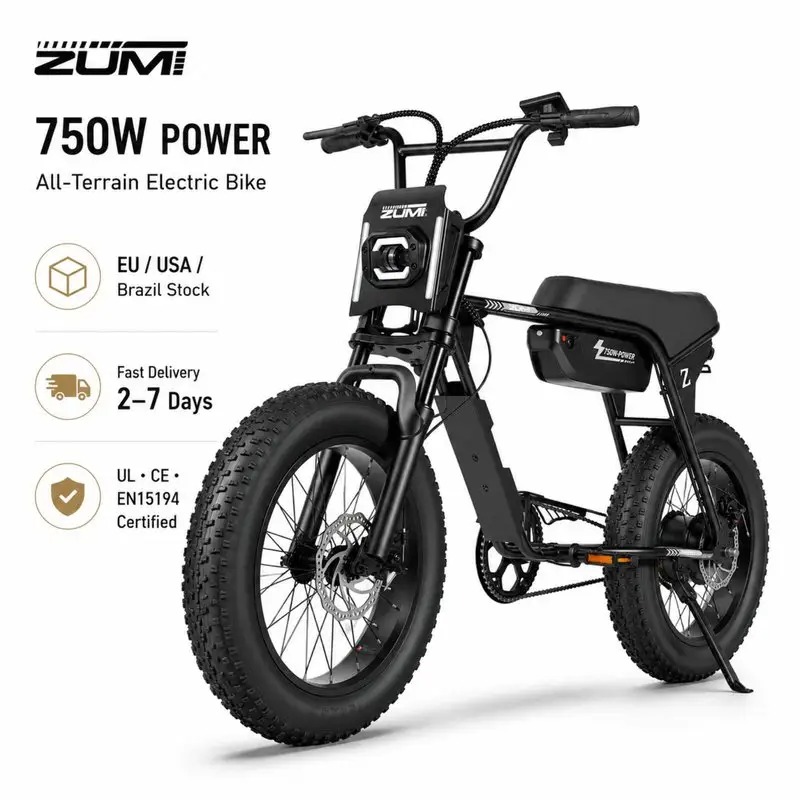
Avoid liability & import bans: Learn IEC 62619, UN 38.3, and UL 2271—plus how to verify real compliance (not fakes).
2026/08/03
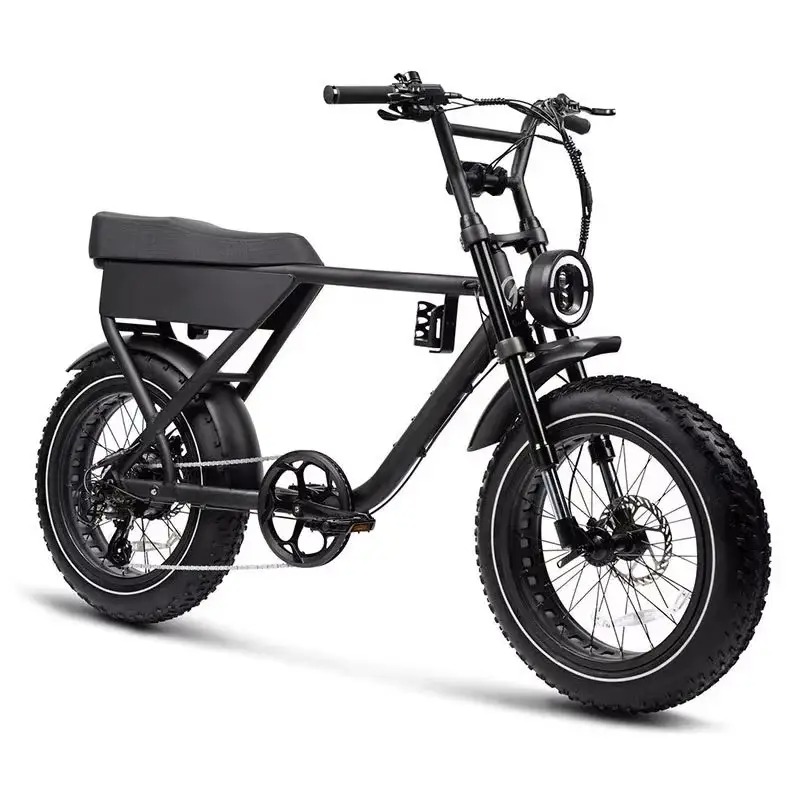
Learn precise air pressure, rebound & compression tuning for optimal suspension performance. Get pro-level setup tips now.
2026/08/03
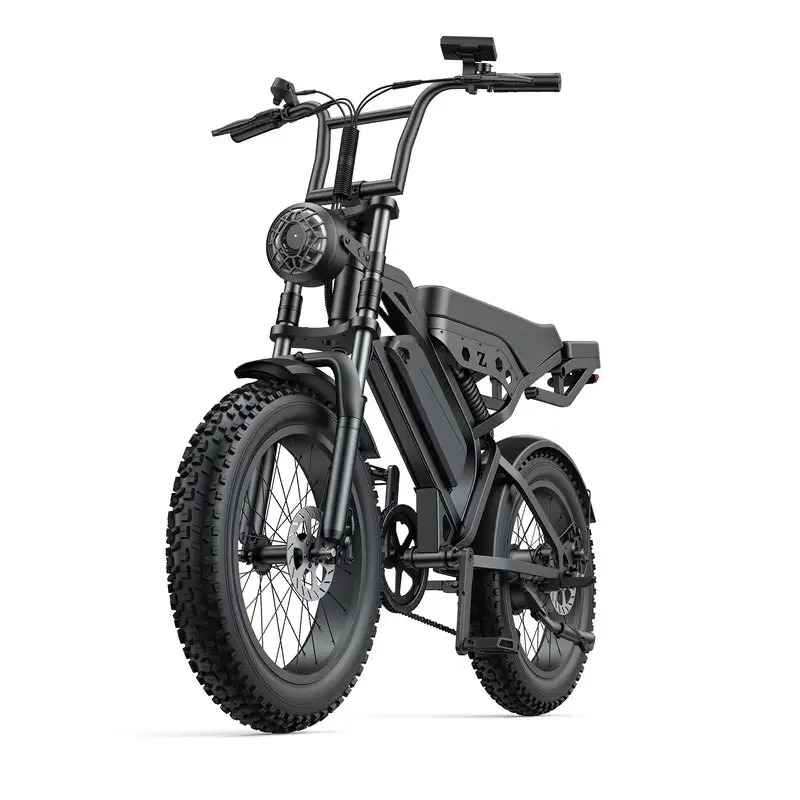
Discover how voltage drop saps performance—and proven fixes to restore responsiveness, range, and battery life. Read now.
2026/08/03
Discover data-backed protocols, smart infrastructure & operational fixes. Optimize now.
2026/08/03
How payload cuts 48V cargo ebike range by 15–50%+ — backed by real-world degradation curves, motor load science & fleet optimization strategies.
Comprehensive warranty, fast parts shipping, remote diagnostics and local dealer training


