 EN
EN
STEP 1
Full vehicle warranty for 2 years
2026/08/13
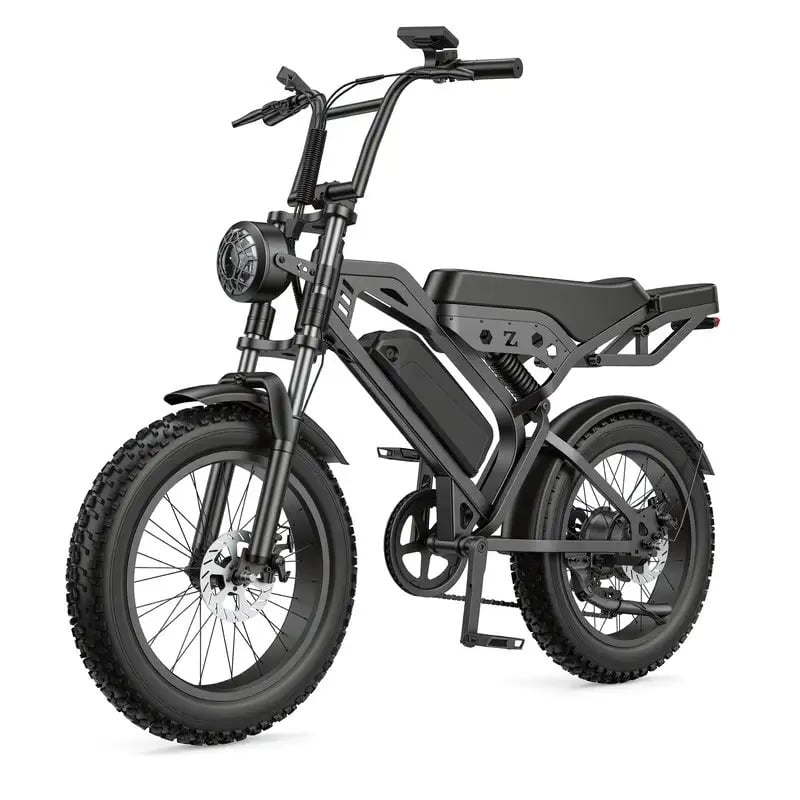
Frame welds are the structural backbone of any electric bike, especially when evaluating a 250w electric bike for sale. The integrity of these welds directly impacts rider safety, durability, and long-term performance. Whether you're purchasing from an electric bike wholesale distributor or examining a used commuter ebike, understanding how to inspect frame welds is essential knowledge that separates informed buyers from those who overlook critical structural defects.
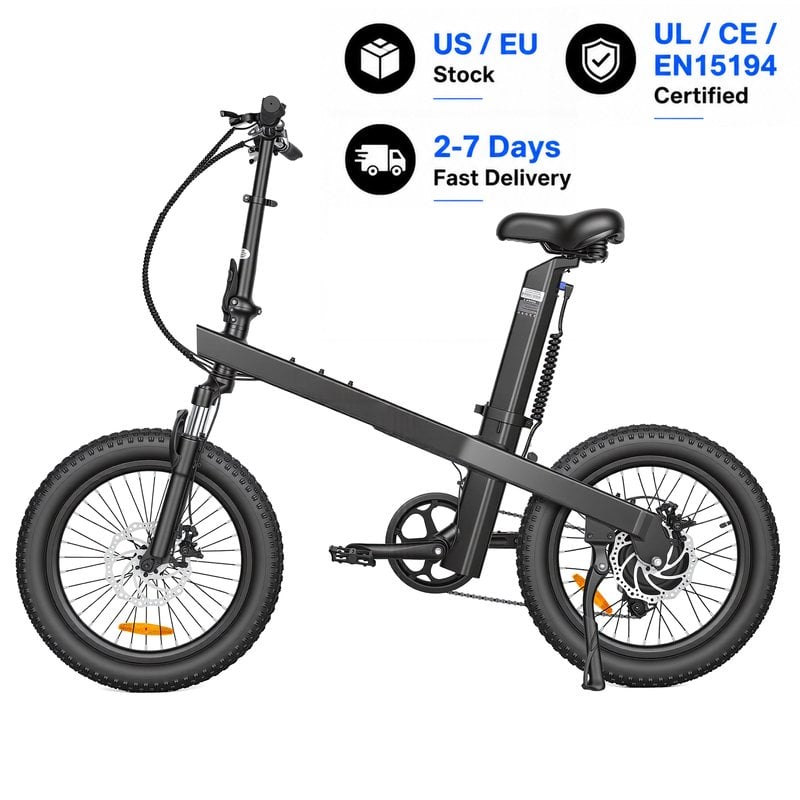
When shopping for a commuter ebike or 250w ebike model, frame construction quality often determines whether your investment remains reliable for years or becomes problematic within months. Poor weld quality can lead to frame cracking, misalignment, and catastrophic failure during riding. This guide walks you through professional inspection techniques that help you identify structural problems before finalizing your purchase decision.
Electric bike frames typically use three primary welding methods: MIG (metal inert gas) welding, TIG (tungsten inert gas) welding, and spot welding. Each method has different characteristics and vulnerability patterns. MIG welding, commonly used in mass-produced 250w ebike manufacturing, creates visible bead patterns and is prone to porosity defects if process parameters aren't controlled. TIG welding produces cleaner, more aesthetically refined joints but requires higher skill levels. Understanding which method was used helps you know where to focus your inspection efforts.
When inspecting a 250w electric bike for sale, look for specific defect patterns that indicate manufacturing shortcuts. Porosity appears as tiny gas bubble cavities within the weld material, visually appearing as small dark spots or holes. Cold welds occur when molten metal doesn't fuse properly, creating a seam that looks connected but lacks structural strength. Lack of fusion represents incomplete melting between the base metal and weld filler, commonly found along weld edges. Undercut defects manifest as grooves worn into the base metal beside the weld bead, reducing cross-sectional strength.
Certain frame joints bear significantly higher stress loads than others. The head tube connection, where the fork steerer meets the main frame, endures constant directional forces during steering and braking. The seat tube junction where the seat post mounts experiences vertical loads and torque stresses. The bottom bracket area, supporting the motor and drivetrain components on electric bike wholesale models, sustains the highest cumulative stress from pedaling, motor torque, and rider weight. Dropouts and rear chain stays face repeated tensioning from the drivetrain. Thoroughly examine these high-stress zones first during your inspection process.
Begin your frame weld inspection in good natural lighting or under a focused LED work light. Visual assessment catches approximately seventy percent of significant defects without requiring expensive equipment. Start by cleaning the frame thoroughly with a damp cloth to remove factory dust, grease, and paint residue that might obscure surface flaws. Examine the entire weld bead uniformly; quality welds display consistent bead height, uniform color, and smooth transitions into base metal on commuter ebike and 250w ebike models alike.
Cracks represent the most serious weld defect and absolute disqualifiers when purchasing electric bike wholesale inventory or used units. Surface cracks appear as thin lines running perpendicular or at angles to the weld bead direction. Run your fingernail gently across weld areas; a quality weld feels smooth without catching edges, while cracks create tactile resistance. Look for branching crack patterns, which indicate stress concentration and metal fatigue. Under magnification or using a smartphone camera with macro mode, you can zoom into suspicious areas for detailed examination. Any visible cracks, regardless of size, mean rejecting the 250w electric bike for sale.
Examine weld beads for continuous coverage without gaps or breaks along the joint line. Intermittent welds, where sections contain gaps, appear as discontinuous lines with unwelded metal visible between segments. Quality commuter ebike frames display consistent bead width throughout each joint; dramatic width variations suggest inconsistent welding parameters or operator skill issues. Color consistency also matters; uniform silver-gray coloring indicates even heat application, while dark discoloration patterns suggest uneven cooling or contamination. Compare similar joints on opposite sides of the frame; symmetrical, consistent welds indicate professional manufacturing standards typical of electric bike wholesale suppliers maintaining quality control.
Beyond visual inspection, several practical tests help verify frame integrity without requiring laboratory equipment. Flex testing involves carefully applying gentle pressure to the frame at various points and feeling for abnormal movement or creaking sounds. A properly welded 250w ebike frame exhibits minimal flex and returns instantly to its original shape without residual movement. Grasp the frame at non-welded areas and twist gently; properly welded connections should remain rigid without separation sounds.
Magnetic particle inspection, though typically used in industrial settings, reveals subsurface defects invisible to visual examination. This technique applies a magnetic field to ferrous frame materials, causing ferromagnetic particles to accumulate at stress concentration points and defects. Some specialty bike shops and welding facilities offer this service for approximately fifty to one hundred fifty dollars per frame. While not essential for purchasing a single commuter ebike, this technique proves valuable when buying electric bike wholesale quantities or high-end models. Internal porosity, sub-surface cracks, and incomplete fusion all show up clearly under magnetic particle inspection.
Dye penetrant testing identifies surface and near-surface defects through capillary action. A colored dye penetrates into crack openings and small surface imperfections, then a developer powder removes excess dye, leaving concentrated color marks at defect locations. This method proves particularly effective for aluminum frame detection on premium 250w ebike models or electric bike wholesale purchases. The process takes thirty to forty minutes and costs approximately thirty to seventy dollars when performed professionally. For serious buyers investing substantially in a commuter ebike, this non-destructive testing provides confidence that critical structural areas contain no hidden damage.
After completing your weld inspection, correlate findings with the bike's asking price and intended use. A 250w electric bike for sale with minor surface imperfections but excellent bead continuity and no structural defects may still represent acceptable value. Conversely, visible cracks, extensive porosity, or inconsistent beads warrant automatic rejection regardless of pricing. Consider the manufacturer reputation; established commuter ebike brands typically maintain welding standards exceeding budget electric bike wholesale suppliers operating on thin margins.
Document your inspection findings photographically, as this record proves valuable if disputes arise later or if you need to return the bike. Request the seller's maintenance history and manufacturing details; legitimate electric bike wholesale dealers provide complete documentation and warranty information. Compare the specific 250w ebike model's specifications against your inspection observations; any significant deviations suggest frame repair history or component substitution.
Quality frame welds display uniform bead height and width, smooth transitions into base metal, consistent silver-gray coloring without dark discoloration, and complete coverage without gaps or breaks. The weld bead should feel smooth when running your fingernail across it, with no catching or rough edges. On a 250w ebike or commuter ebike, well-executed welds should be visually pleasing without irregular bumpiness or dripping patterns, and the heat-affected zone around the weld should show minimal discoloration.
Yes, visual inspection catches most significant defects, particularly cracks, large porosity spots, and complete lack of fusion. Use good lighting, magnification tools like smartphone macro modes, and tactile examination with your fingernail to identify surface imperfections. Flex testing and gentle twisting provide feedback about structural integrity on an electric bike wholesale purchase. However, small sub-surface defects like internal porosity or incomplete fusion at joint edges may require magnetic particle or dye penetrant testing for definitive detection when purchasing a commuter ebike or 250w ebike.
Minor porosity—a few small gas bubbles scattered across the weld surface—typically reduces strength by five to fifteen percent but rarely causes sudden failure on a commuter ebike or 250w electric bike for sale. Extensive porosity covering large weld areas, however, can reduce structural integrity by forty percent or more, creating real safety concerns. When porosity appears concentrated at critical joints like the head tube or bottom bracket, reject the bike regardless of quantity. Electric bike wholesale suppliers maintaining quality standards maintain porosity levels below acceptable thresholds, typically less than five percent of weld cross-section area.
2026/08/03
Fix time zones, language gaps, and unclear protocols—boost speed, cut costs, and scale confidently.
2026/08/03
Avoid liability & import bans: Learn IEC 62619, UN 38.3, and UL 2271—plus how to verify real compliance (not fakes).
2026/08/03
Learn precise air pressure, rebound & compression tuning for optimal suspension performance. Get pro-level setup tips now.
2026/08/03
Discover how voltage drop saps performance—and proven fixes to restore responsiveness, range, and battery life. Read now.
2026/08/03
Discover data-backed protocols, smart infrastructure & operational fixes. Optimize now.
2026/08/03
How payload cuts 48V cargo ebike range by 15–50%+ — backed by real-world degradation curves, motor load science & fleet optimization strategies.
Comprehensive warranty, fast parts shipping, remote diagnostics and local dealer training


