 EN
EN
STEP 1
Full vehicle warranty for 2 years
2026/08/19
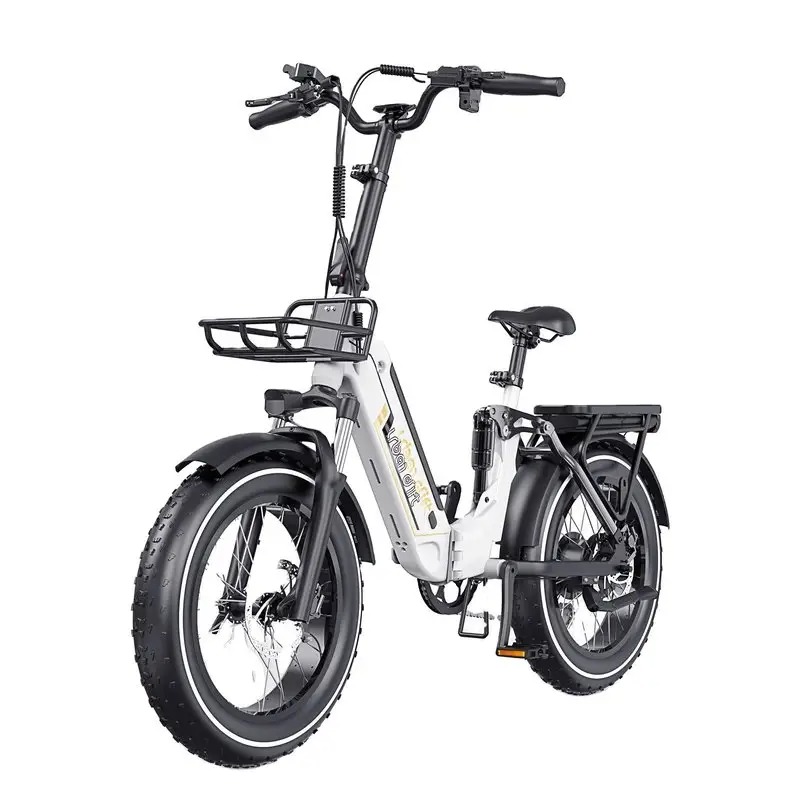
The controller on your 1500w electric bike is one of the most critical components for sustained performance and longevity. This electronic device regulates power delivery from the battery to the motor, managing voltage, current, and acceleration timing. When a 1500w ebike operates at full capacity, the controller generates significant heat as electrical energy converts through its circuits and transistors. Proper temperature management directly impacts your riding experience, safety, and the overall lifespan of the system.
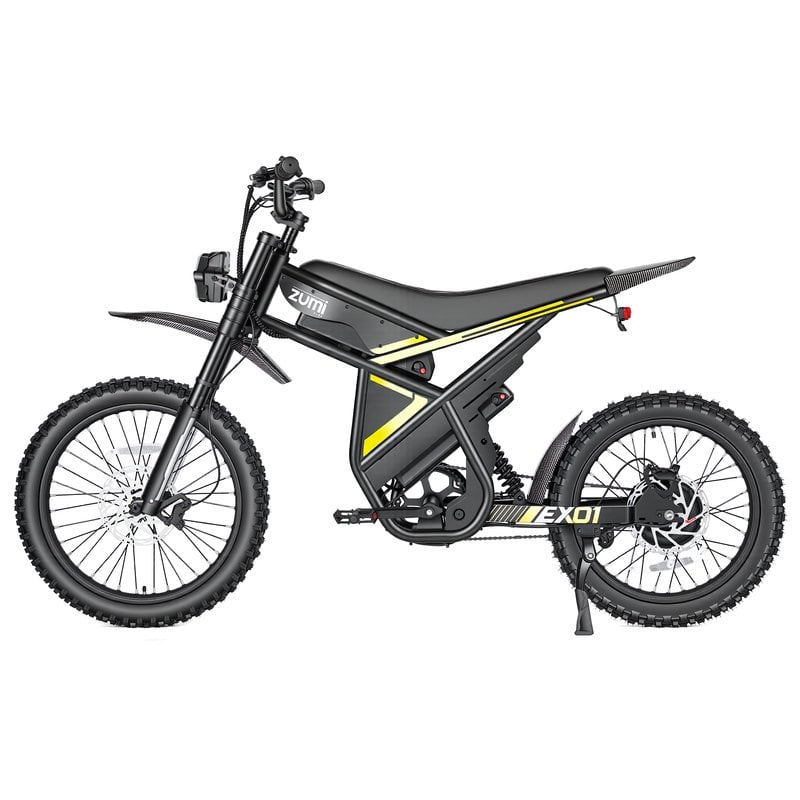
Managing controller temperature effectively requires understanding how thermal stress develops on your 1500 watt ebike and implementing preventive strategies. When controllers overheat, they throttle performance automatically to protect internal circuitry, limiting acceleration and top speed. In extreme cases, excessive heat can trigger permanent damage, forcing costly replacements. Whether you ride a 1500w electric mountain bike in steep terrain or a fat tire electric bike 1500w on varied surfaces, temperature control ensures consistent power delivery and extends equipment reliability.
A 1500w ebike controller handles tremendous electrical load during acceleration and sustained climbing. The metal-oxide-semiconductor field-effect transistors (MOSFETs) inside the controller switch power hundreds of times per second, and this rapid switching inevitably generates heat as a byproduct. The higher the current flowing through the system, the more thermal energy develops. Fat tire electric bike 1500w models often operate in demanding conditions with heavier riders or off-road terrain, pushing controllers toward their thermal limits regularly.
Several operational factors increase heat production on your 1500 watt ebike. Continuous full throttle application, steep uphill climbing, heavy rider weight, and low battery voltage all force the controller to work harder. Environmental conditions matter too—riding in hot weather, humid conditions, or direct sunlight accelerates heat accumulation. A 1500w electric mountain bike used for technical climbing generates far more thermal stress than casual flat-terrain commuting. Understanding these triggers helps you anticipate when temperature management becomes critical.
The physical location and housing of your 1500w ebike controller significantly influence cooling efficiency. Controllers positioned on the frame downtube or motor housing benefit from natural air circulation as you ride forward. Ensure your controller enclosure has ventilation slots or breathing passages rather than being sealed completely. Many quality 1500w electric bike models feature controllers with aluminum housings that dissipate heat more effectively than plastic alternatives. When selecting or upgrading a fat tire electric bike 1500w, verify that the controller mounting design allows adequate airflow across the device surface.
Thermal pads or phase-change materials applied between the controller and its mounting surface dramatically improve heat transfer away from critical components. These silicone-based pads fill microscopic air gaps and conduct heat from the controller body into the frame material, which acts as a large heat sink. If your 1500 watt ebike controller feels hot to the touch during extended rides, upgrading to higher-quality thermal interface materials can reduce internal temperatures by five to ten degrees. Some manufacturers of premium 1500w electric mountain bike models pre-apply high-performance thermal pads at the factory level.
Your riding habits directly control controller temperature on any 1500w ebike. Instead of maintaining constant full throttle, use a variable-power approach where you pulse acceleration in intervals, allowing the controller brief recovery periods. On steep climbs with a 1500w electric mountain bike, brief throttle releases every thirty seconds let the controller cool naturally. For fat tire electric bike 1500w models used in sandy or muddy conditions, the motor works harder and generates additional heat, making these riding pattern adjustments even more critical. Moderate your power usage during the hottest parts of the day or in peak summer temperatures.
The voltage supplied by your battery directly affects controller workload and heat generation. A fully charged battery at higher voltage reduces the current required to deliver the same power, resulting in less heat. Conversely, a partially discharged battery forces the 1500w ebike controller to draw more current to maintain power output, creating thermal stress. Keep your 1500 watt ebike battery charged above the fifty percent threshold during extended rides whenever possible. This practice reduces the thermal burden on the controller and improves overall system efficiency, particularly important on 1500w electric mountain bike models used for endurance-style mountain routes.
Plan your 1500w ebike rides around weather conditions when possible. Avoid extended rides during peak afternoon heat in summer months. Seek shaded routes when using a fat tire electric bike 1500w, especially in arid regions where solar absorption heats the controller rapidly. After intense rides, allow your 1500w electric bike to cool in shade for fifteen to twenty minutes before charging. This cool-down period lets the controller return to a stable temperature before the charging process adds additional electrical stress. Winter riding conditions are ideal for demanding throttle usage since ambient temperatures keep controllers naturally cooler.
Modern 1500w ebikes often include display readouts showing real-time controller temperature or performance throttling indicators. Pay attention to these signals as they reveal when thermal stress is developing. If your 1500 watt ebike consistently throttles during your regular riding patterns, thermal management requires immediate attention. Some fat tire electric bike 1500w owners use non-contact infrared thermometers to check controller housing temperatures after rides—anything above one hundred twenty degrees Fahrenheit indicates problematic heat accumulation. Temperature consistency across multiple rides helps establish baseline profiles for your specific 1500w electric mountain bike.
Dust, mud, and debris accumulate on the 1500w ebike controller housing and impede heat dissipation. Clean your controller enclosure regularly, especially after off-road rides where a 1500w electric mountain bike encounters sandy or muddy terrain. Use a soft brush and gentle compressed air to remove particles without forcing moisture into sealed components. Check that ventilation slots on your 1500 watt ebike controller remain unobstructed. For fat tire electric bike 1500w models, inspect weathersealing around the controller to ensure water protection while maintaining cooling effectiveness. Preventive cleaning extends the thermal efficiency window and reduces overheating incidents.
Most 1500w electric bike controllers begin thermal throttling between ninety and one hundred ten degrees Celsius, depending on the specific controller firmware and manufacturer design. This safety feature reduces power output to bring temperatures down before permanent damage occurs. Your 1500 watt ebike may limit acceleration or maximum speed when reaching these thresholds. Understanding your controller's throttling temperature helps you recognize when heat management practices need adjustment during rides.
Adding external cooling fans is technically possible for some 1500w ebike models, though it requires careful integration to avoid water ingress and electrical interference. A small twelve-volt fan mounted near the fat tire electric bike 1500w controller can enhance airflow during stationary or low-speed operation. However, forced-air cooling only works when the 1500w electric bike is powered, offering limited benefit during extended climbs where the bike moves slowly. Most riders find passive cooling improvements through thermal interface materials and operational discipline more practical than active fan systems.
Heavier riders demand more current from the 1500 watt ebike controller to deliver the same acceleration and climbing performance as lighter riders. A 1500w electric mountain bike carrying a two hundred fifty-pound rider generates significantly more heat than the same bike with a one hundred fifty-pound rider. Fat tire electric bike 1500w models specifically rated for heavier loads have more robust controllers designed for sustained high-current operation. If you exceed your 1500w ebike manufacturer's recommended weight capacity, thermal management becomes critically important for avoiding premature controller failure.
2026/08/03
Fix time zones, language gaps, and unclear protocols—boost speed, cut costs, and scale confidently.
2026/08/03
Avoid liability & import bans: Learn IEC 62619, UN 38.3, and UL 2271—plus how to verify real compliance (not fakes).
2026/08/03
Learn precise air pressure, rebound & compression tuning for optimal suspension performance. Get pro-level setup tips now.
2026/08/03
Discover how voltage drop saps performance—and proven fixes to restore responsiveness, range, and battery life. Read now.
2026/08/03
Discover data-backed protocols, smart infrastructure & operational fixes. Optimize now.
2026/08/03
How payload cuts 48V cargo ebike range by 15–50%+ — backed by real-world degradation curves, motor load science & fleet optimization strategies.
Comprehensive warranty, fast parts shipping, remote diagnostics and local dealer training


