 EN
EN
STEP 1
Full vehicle warranty for 2 years
2026/08/25
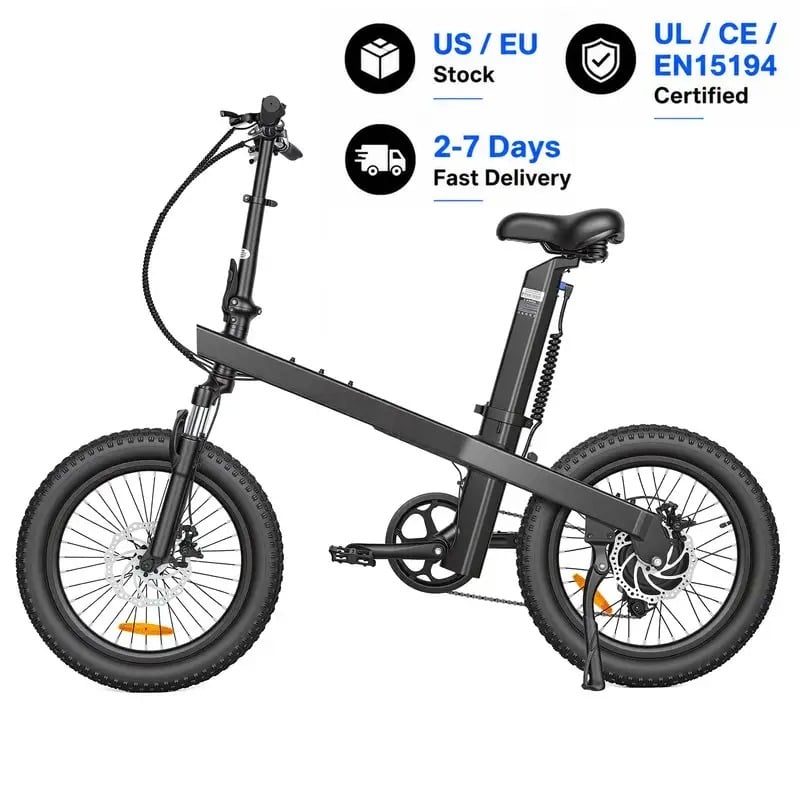
Negotiating favorable terms with electric bicycle suppliers is critical for building a sustainable dropshipping business. Many resellers enter negotiations without a clear strategy, leaving significant money on the table and creating operational friction that compounds over time. Whether you're launching your first ebike dropshipping venture or scaling an existing operation, understanding how to structure conversations with suppliers directly impacts your margins, inventory flexibility, and competitive positioning in the market.
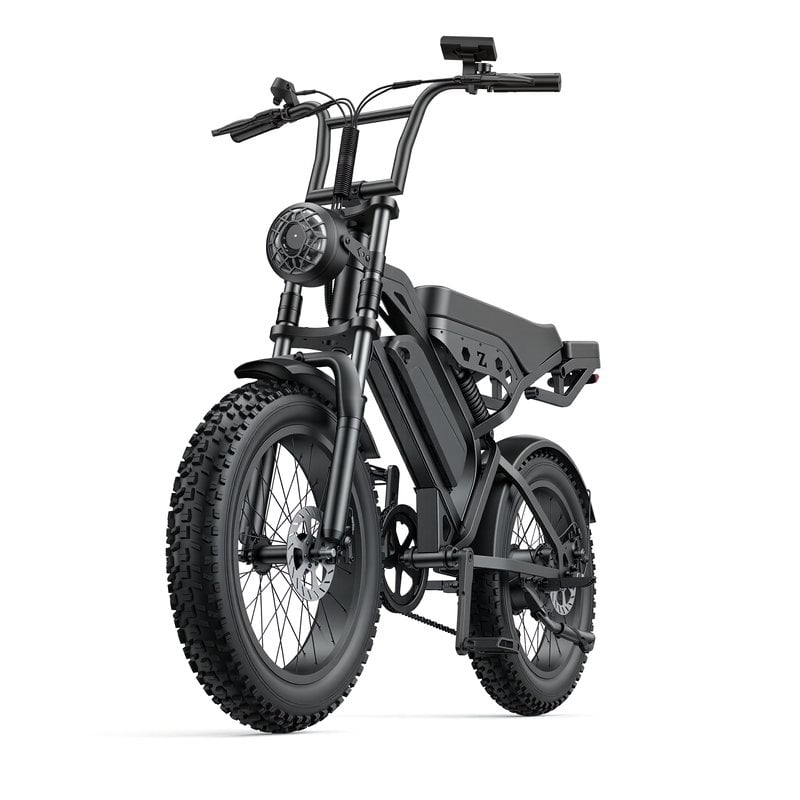
The dropshipping model fundamentally relies on your ability to negotiate pricing, shipping costs, payment terms, and flexibility with electric bike wholesale providers. Unlike traditional retail relationships where large upfront purchases secure discounts, dropshipping requires you to develop leverage through volume potential, customer reliability, and long-term partnership positioning. This article walks you through the essential negotiation frameworks, key metrics to understand before talks begin, and tactical approaches that consistently yield better terms from ebike factory operations across different business scales.
Before approaching any ebike supplier, you must honestly evaluate your leverage in the relationship. Your purchase volume, payment reliability, market reach, and growth trajectory all factor into how much negotiating power you actually possess. Small operators with minimal order history typically have less negotiating room than established retailers with documented sales data and customer reviews. When engaging with electric bike wholesale partners, bring concrete evidence of your sales capability, customer base size, or marketing reach that demonstrates future volume potential. This transforms the conversation from a beggar asking for favors into a partnership discussion where both parties recognize mutual benefit.
Research the specific ebike factory's current market position, competitor relationships, and recent product launches. If a supplier is actively seeking to expand into your geographic market or launch new product lines, your timing strengthens your negotiating position substantially. Conversely, if an electric bicycle suppliers operates at near-capacity or has lengthy waiting lists, their flexibility diminishes. Understanding this context prevents you from making unrealistic requests and helps you identify which concessions are genuinely possible versus which ones the supplier cannot accommodate without restructuring their operations.
The e-bike industry experiences pronounced seasonal patterns that directly impact supplier willingness to negotiate. Off-season periods, particularly late autumn and winter in many regions, create inventory pressure that makes ebike factory representatives more motivated to secure committed orders at slightly lower margins. Spring preparation and early summer, conversely, typically represent peak demand periods where suppliers operate with reduced flexibility because existing orders already fill production capacity. An electric bike wholesale provider operating at 90 percent capacity has minimal incentive to offer better terms, regardless of your pitch quality. Timing your major negotiations during slower demand periods, such as September through November, typically yields 10-15 percent better outcomes than negotiating during spring.
Shipping costs represent a hidden margin killer in dropshipping operations, particularly when sourcing from international ebike factory operations. Rather than accepting standard carrier rates, ask your electric bicycle suppliers about consolidated shipping options where multiple orders combine into full container loads that qualify for substantially reduced per-unit logistics costs. If you're purchasing fifty units monthly, coordination with complementary product suppliers to fill a partial container together can reduce your effective shipping cost by 20-30 percent compared to less-than-container rates. This represents real money: on a twenty-unit monthly average, reducing shipping cost by five dollars per unit equals one thousand two hundred dollars in annual savings.
Insurance, duties, and handling fees often hide within ebike wholesale invoicing and require explicit negotiation. Ask electric bicycle suppliers to break down their total delivered cost into component parts: manufacturing, packaging, inland freight, international freight, insurance, and duties. Once itemized, you can often negotiate specific components: perhaps the supplier absorbs insurance costs in exchange for you pre-arranging customs clearance, or you split duties based on the origin and destination jurisdictions. Some electric bike wholesale providers embed these fees at 15-20 percent above actual cost, creating negotiation opportunity if you handle portions of the logistics chain independently.
Quality consistency and defect management significantly impact your customer satisfaction and return rates. When establishing terms with any ebike supplier, explicitly negotiate warranty scope, return procedures, and defect responsibility. Standard arrangements through electric bicycle suppliers typically allow 1-3 percent defect returns for credit, though this varies widely by manufacturer and product class. High-end e-bikes often carry lower defect allowances, while budget models might accept 3-5 percent returns acknowledging more variable production quality.
Request advance technical support and troubleshooting documentation from your electric bike wholesale partner to reduce customer support burden. Some ebike factory operations provide pre-shipment inspection photos, battery testing certificates, or component sourcing details that let you handle basic customer questions without escalating to supplier support. These value-adds don't typically cost the supplier meaningful resources but substantially improve your customer experience.
As your purchase history with electric bicycle suppliers expands, advocating for extended payment terms transforms cash flow dynamics. Initial orders might require payment-on-order or deposit arrangements, but after demonstrating consistent purchasing and on-time payment across three to six months, many ebike factory partners will extend net-30, net-45, or even net-60 payment arrangements. These terms provide working capital flexibility that dramatically improves your business viability: if you sell units within twenty days of receipt but payment isn't due for forty-five days, you operate with positive cash flow rather than constant replenishment pressure. This negotiation typically succeeds after establishing payment reliability, so prioritize punctuality and communication above aggressive early price negotiation.
Line of credit arrangements with electric bicycle suppliers represent an advanced negotiation milestone that signals genuine partnership maturity. Rather than transacting order-by-order, established buyers work with their ebike supplier through standing purchase authorizations within a pre-arranged credit limit. This eliminates friction from repetitive payment processing, reduces your administrative overhead, and provides the supplier with predictable revenue visibility. Reaching this stage requires building trust through consistent volumes, spotless payment history, and professional business conduct. When you reach this point with an electric bike wholesale provider, you've effectively graduated from transactional buyer to preferred partner, which unlocks additional negotiation opportunities around new product launches, early access to inventory, and custom configurations.
The most sustainable negotiating advantage flows from positioning yourself as a valuable long-term partner rather than a one-time price optimizer. Share your business growth roadmap with your electric bicycle suppliers, explaining your target market expansion, customer acquisition strategy, and product development intentions. When ebike factory operations understand that supporting your success today creates a significantly larger buyer tomorrow, their willingness to accommodate special terms, flexible MOQs, or custom configurations increases substantially. This perspective shift transforms pricing conversations from zero-sum haggling into collaborative problem-solving around how to structure the relationship such that both parties win.
Regular communication and feedback loops reinforce partnership positioning. After receiving shipments, provide quality assessments and customer feedback to your electric bike wholesale supplier, highlighting which models resonate most strongly and which face sales resistance. This intelligence helps them optimize their product development and inventory strategy while demonstrating that you view the relationship as collaborative. When an ebike supplier views you as a valuable market intelligence source and committed customer rather than merely another transactional reseller, they naturally become more flexible on terms because losing your business carries real strategic cost.
Most ebike factory operations start with MOQs between five and fifty units depending on product model, production complexity, and buyer volume potential. Urban commuter models typically carry lower MOQs since they represent higher-volume products, while specialized cargo bikes or performance ebikes might require higher minimums. Your negotiating position improves by demonstrating monthly purchase capacity that aligns with their production runs, which often allows MOQ reduction by 20-40 percent from initial quotes.
Consolidated shipping through container consolidation services, coordination with complementary product buyers, or negotiated full-container rates with your electric bicycle suppliers can reduce per-unit freight by 20-30 percent. Additionally, requesting that your ebike supplier handle portion of customs pre-clearance and requesting itemized freight breakdowns often reveals cost reduction opportunities previously embedded in their standard invoicing.
Extended payment terms become negotiable after establishing six to twelve months of consistent purchasing and demonstrated on-time payment reliability. Building this trust foundation first makes ebike factory partners confident that net-30 or net-45 arrangements won't create collection risk. Approaching this discussion too early typically results in rejection, so prioritize payment reliability before requesting payment term extensions.
2026/08/03
Fix time zones, language gaps, and unclear protocols—boost speed, cut costs, and scale confidently.
2026/08/03
Avoid liability & import bans: Learn IEC 62619, UN 38.3, and UL 2271—plus how to verify real compliance (not fakes).
2026/08/03
Learn precise air pressure, rebound & compression tuning for optimal suspension performance. Get pro-level setup tips now.
2026/08/03
Discover how voltage drop saps performance—and proven fixes to restore responsiveness, range, and battery life. Read now.
2026/08/03
Discover data-backed protocols, smart infrastructure & operational fixes. Optimize now.
2026/08/03
How payload cuts 48V cargo ebike range by 15–50%+ — backed by real-world degradation curves, motor load science & fleet optimization strategies.
Comprehensive warranty, fast parts shipping, remote diagnostics and local dealer training


