 EN
EN
STEP 1
Full vehicle warranty for 2 years
2026/09/02
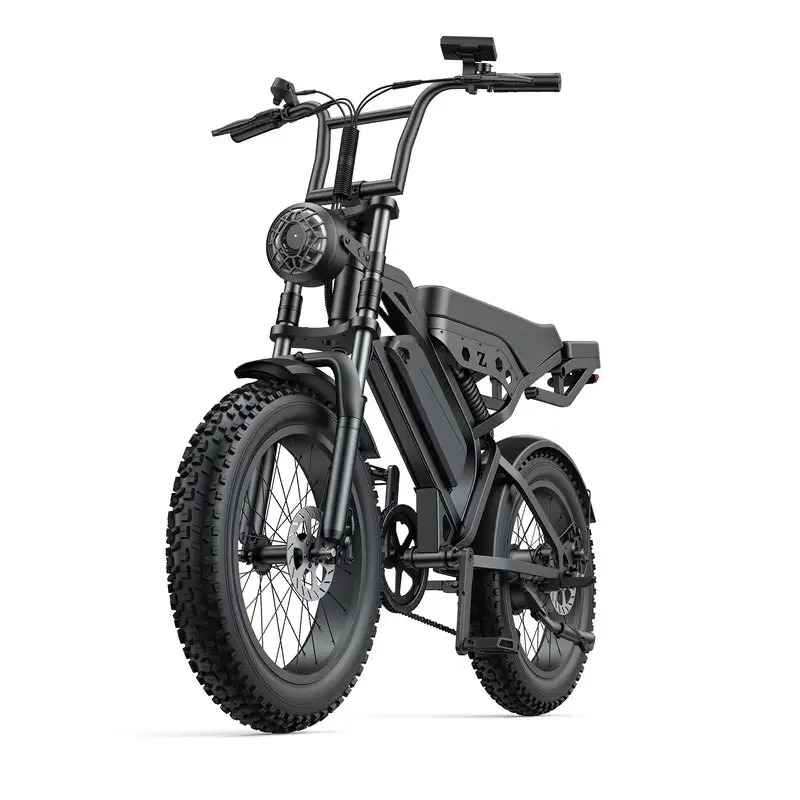
Pedal cadence is one of the most overlooked factors in maximizing the performance and range of your 250w electric bike. Many riders assume that more power from the motor means less attention to pedaling technique, but the reality is quite different. Finding your optimal cadence directly affects battery efficiency, motor lifespan, and your overall riding experience. Whether you are commuting daily or exploring off-road trails, understanding how to maintain the right pedal rhythm with your electric bike can transform how you ride.
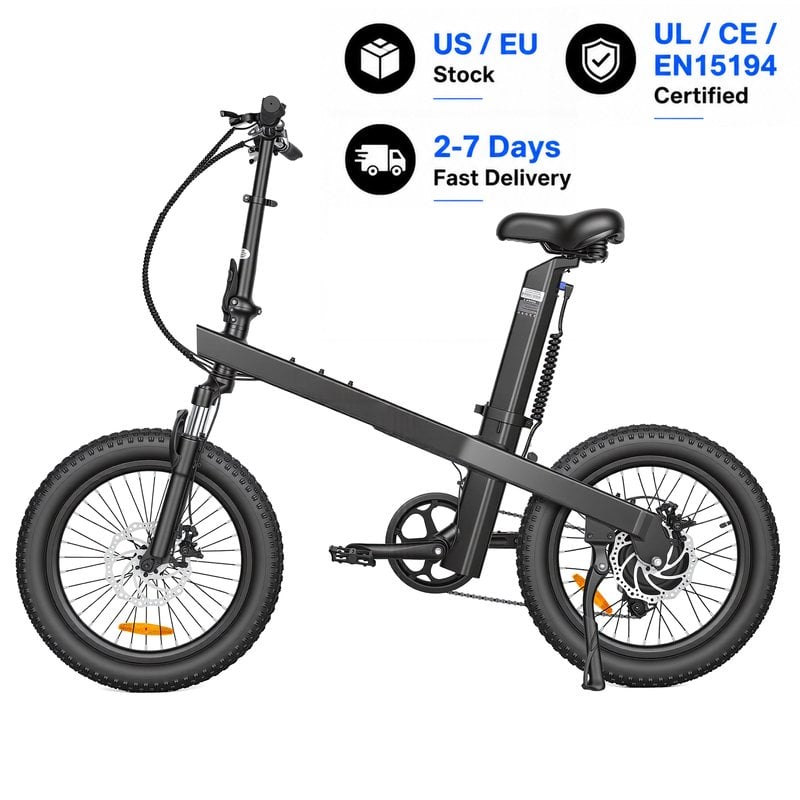
A 250w electric bike combines modest motor power with human pedal input, requiring a harmonized approach to both. Unlike high-powered ebikes that can motor dominantly, a 250w system depends on your pedaling efficiency to deliver smooth acceleration and extend battery life. Cadence optimization is particularly important for 250w ebikes because the motor works best when receiving consistent, rhythmic pedal input at the right speed. Learning to synchronize your leg speed with your 250w electric mountain bike or commuter model will noticeably improve range and reduce strain on both your legs and the drivetrain.
Pedal cadence is simply the number of revolutions your pedals complete in one minute, measured in rotations per minute or RPM. For most cyclists, a natural cadence falls between 80 and 100 RPM, though this varies by riding style and terrain. On a 250w ebike, cadence becomes a critical control variable because it directly influences how much work the motor must do and how efficiently the system converts battery energy into forward motion. Higher cadence generally means lower resistance per pedal stroke, allowing the motor to operate in its sweet spot where efficiency peaks.
The motor on a 250w electric bike is calibrated to work best within specific performance windows. When your cadence is too low, you create excessive torque demand on both the pedals and motor, causing energy waste and faster battery drain. Conversely, cadence that is too high may feel unsustainable and can make the motor work inefficiently at higher speeds. For ebike 250w 48v systems, maintaining cadence between 70 and 90 RPM typically yields the best balance of comfort, efficiency, and battery longevity. This optimal range keeps the motor engaged without overworking your legs or exhausting the battery prematurely.
Start by riding your 250w electric bike on flat terrain at a comfortable speed without relying too heavily on assist. Pay attention to how many times your pedals rotate per minute. Most modern ebikes include a display showing cadence data, which removes guesswork from the process. Ride for several minutes at a steady pace and note the RPM readout. Gradually increase and decrease your pedaling speed while observing how the motor responds and how your legs feel. You will quickly discover the cadence band where the motor feels most responsive and your legs feel least fatigued. This is your personal cadence sweet spot.
On your 250w electric mountain bike or city commuter, start with a lower assist level and focus on maintaining a steady cadence rather than chasing speed. Lower assist forces you to pedal with intention and builds the neuromuscular awareness needed to sustain consistent RPM. Ride in this mode for 15 to 20 minutes at a time, keeping your cadence between 75 and 85 RPM. Gradually increase assist levels as you become more comfortable with the rhythm. The key is training your body to recognize and maintain the cadence independently of assist strength. This skill then transfers to all riding conditions, making your 250w ebikes feel more responsive and controlled across all terrains.
Flat roads and gentle inclines allow for cadence in the 85 to 100 RPM range, where efficiency is high and comfort is excellent. On moderate hills, reduce cadence slightly to 70 to 80 RPM to maintain steady power delivery without overheating the motor. During steep climbs, your cadence may naturally drop to 50 to 70 RPM, and this is acceptable as the motor provides substantial support. On descents or when gliding with minimal pedal input, cadence becomes less critical but maintaining light pedal contact keeps you ready to respond quickly if needed. Learning to adapt your cadence flexibly across conditions is a hallmark of experienced 250w electric bike riders who achieve maximum range and comfort.
Battery efficiency on a 250w electric mountain bike or commuter model improves dramatically when cadence is optimized. When you pedal at the motor's most efficient RPM band, you reduce the electrical load placed on the battery during each pedal stroke. Over a full ride, this seemingly minor efficiency gain compounds into substantial range extension. Riders who master cadence optimization often report 15 to 25 percent longer range compared to those who ride without attention to pedaling rhythm. For anyone looking at ebike 250w 48v systems as a cost-effective commuting option, this range extension directly translates to fewer charging cycles and lower electricity costs over time.
Smooth, consistent cadence reduces stress on the motor, controller, and drivetrain components. When cadence is erratic or too low, the motor experiences sudden torque spikes that accelerate wear on internal gears and bearings. By maintaining steady, optimized cadence, you distribute motor load evenly, allowing it to operate within designed thermal and mechanical limits. This gentler operating profile can extend motor lifespan by years, ultimately making your 250w ebikes a more durable and economical long-term investment. Regular riders who optimize cadence report fewer maintenance issues and longer intervals between service appointments.
The ideal cadence range for most 250w ebikes falls between 70 and 90 RPM, with 75 to 85 RPM being optimal for efficiency and comfort on flat terrain. This range allows the motor to operate at peak efficiency while keeping your legs engaged without fatigue. Adjust within this band based on terrain, assist level, and personal preference for the best riding experience.
Most modern 250w electric bikes display cadence data on their LCD screens or smartphone apps. If your bike lacks this feature, you can use a standalone cadence sensor or count pedal revolutions manually during timed intervals. Apps designed for cycling also estimate cadence based on speed and wheel size if you pair them with your ebike's digital system for calibration.
Yes, optimizing cadence noticeably improves range on a 250w electric mountain bike or any ebike 250w 48v model. By maintaining steady, efficient pedaling rhythm, you reduce battery strain per mile traveled. Riders who master cadence optimization typically gain 15 to 25 percent additional range per charge, meaning fewer charging sessions and lower energy costs over the bike's lifespan.
2026/08/03
Fix time zones, language gaps, and unclear protocols—boost speed, cut costs, and scale confidently.
2026/08/03
Avoid liability & import bans: Learn IEC 62619, UN 38.3, and UL 2271—plus how to verify real compliance (not fakes).
2026/08/03
Learn precise air pressure, rebound & compression tuning for optimal suspension performance. Get pro-level setup tips now.
2026/08/03
Discover how voltage drop saps performance—and proven fixes to restore responsiveness, range, and battery life. Read now.
2026/08/03
Discover data-backed protocols, smart infrastructure & operational fixes. Optimize now.
2026/08/03
How payload cuts 48V cargo ebike range by 15–50%+ — backed by real-world degradation curves, motor load science & fleet optimization strategies.
Comprehensive warranty, fast parts shipping, remote diagnostics and local dealer training


