 EN
EN
STEP 1
Full vehicle warranty for 2 years
2026/08/13
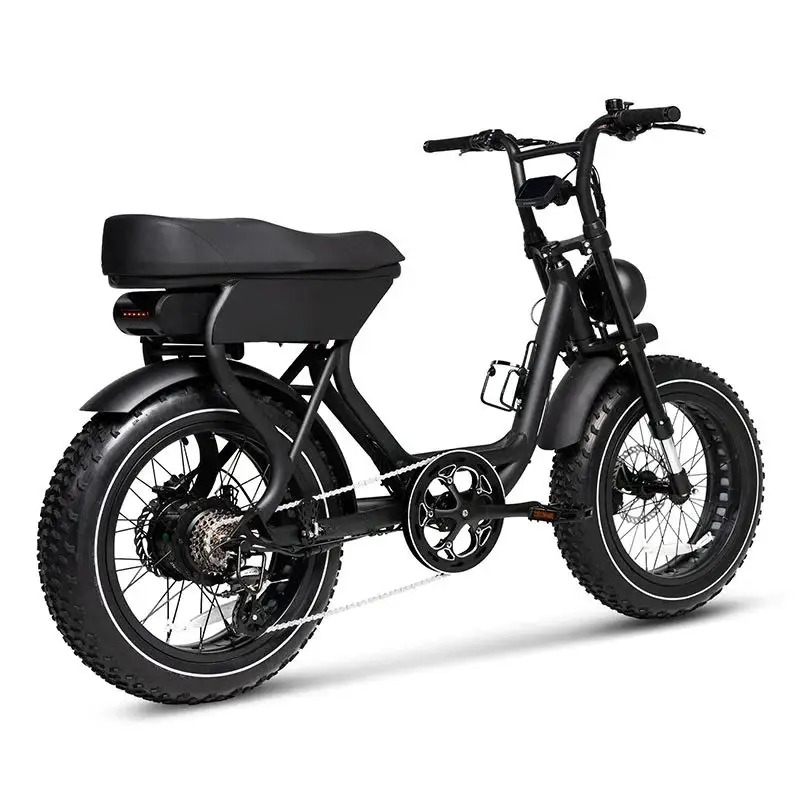
Winter riding presents unique challenges for electric bike enthusiasts, particularly when using 250w ebikes on daily commutes. Cold temperatures significantly impact battery performance, reduce motor efficiency, and alter tire traction on city streets and commuter routes. Understanding how to optimize your 250w ebikes during winter months ensures reliable transportation when conditions are harshest. The combination of weather factors, reduced daylight, and terrain changes requires specific adjustments to maintain consistent range and performance throughout the season.
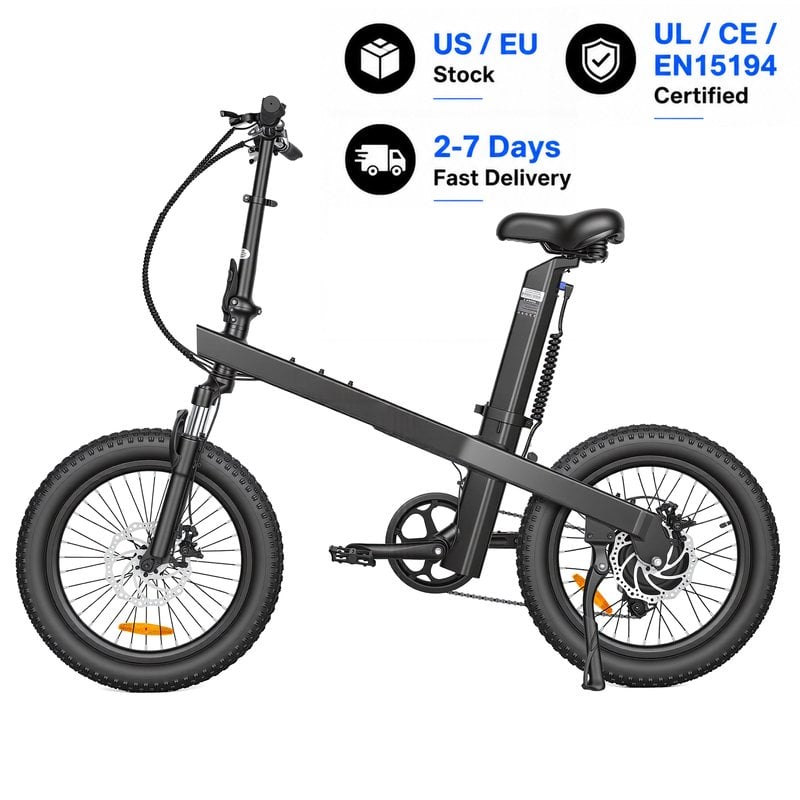
A commuter ebike or city ebike must deliver dependable range year-round, making winter optimization essential for regular riders. The relationship between battery chemistry, ambient temperature, and electrical resistance directly affects how far your 250w ebike can travel on a single charge. By implementing strategic maintenance, riding techniques, and battery management practices, you can preserve or even exceed your expected range during the coldest months.
Lithium-ion batteries, standard on most 250w ebike models, experience reduced chemical reaction rates in cold temperatures. The internal resistance increases when the electrolyte thickens, which means the battery delivers power less efficiently. A commuter ebike battery that provides 40 miles of range at 70 degrees may only deliver 20-30 miles at freezing temperatures without intervention. This is not permanent damage; it is a temporary performance reduction that reverses once the battery warms up. Understanding this distinction helps riders plan routes and manage expectations during winter months.
Warming your 250w ebike battery before riding is one of the most effective optimization strategies. Store your ebike indoors or use a protective case that retains heat. Before departing, ride at moderate assist levels for 5-10 minutes to gradually elevate battery temperature through internal resistance. This pre-ride warm-up period restores much of the lost capacity by allowing chemical reactions to normalize. For commuter ebike users with consistent schedules, charging indoors and keeping the battery warm before the morning ride maximizes available range immediately.
Winter conditions demand strategic use of pedal assist on your 250w ebike. Rather than relying on maximum assist levels, alternate between lower assist modes (1-2) and manual pedaling on flat sections. This approach preserves battery capacity while maintaining consistent forward motion. A city ebike designed for urban commuting benefits from this technique because stop-and-go traffic already provides natural rhythm breaks. Save higher assist levels for hills, headwinds, and challenging terrain where motor efficiency matters most for maintaining speed and momentum.
Winter routes require more planning than summer commutes. Choose paths with less elevation gain when possible, as climbing hills demands peak motor power and drains your 250w ebikes battery fastest. Avoid routes with deep snow, thick ice, or slush that create rolling resistance and force the motor to work harder. A commuter ebike performs optimally on cleared roads with minimal obstacles. Pre-planning your route using mapping tools that show elevation profiles and real-time road conditions helps you avoid unexpected energy drains and calculate whether you need a mid-route charging stop.
Winter tire maintenance directly impacts your 250w ebike range efficiency. Cold temperatures reduce tire pressure, which increases rolling resistance and forces the motor to expend additional power. Check your city ebike tire pressure weekly and inflate slightly above summer recommendations to compensate for the cold. Consider switching to winter-specific tires with deeper treads or studs that reduce wheel slip and motor strain. Proper traction means your 250w ebikes motor does not waste energy spinning wheels, maintaining consistent speed with less power draw.
Winter salt, slush, and moisture accelerate drivetrain wear and increase friction. A dirty chain on your commuter ebike forces the motor to work harder, directly reducing range. Clean and lubricate your chain every 100-150 miles during winter, or weekly if you ride frequently. Use weather-resistant lubricants designed for cold conditions. Regular drivetrain maintenance ensures power transfers efficiently from motor to wheels. Well-maintained 250w ebikes consume less energy per mile, extending your available range during cold months when battery capacity is already compromised by temperature.
Charging strategies significantly influence both immediate range and long-term battery health. Avoid charging your 250w ebike in sub-freezing temperatures, as cold reduces charging efficiency and can damage the battery. Instead, charge indoors after allowing the battery to warm gradually to room temperature. For a commuter ebike used daily, charge to 80 percent rather than 100 percent during winter months. This reduces charging stress on cold lithium cells and extends battery lifespan while sacrificing minimal range for most commutes. Full charges should be reserved for longer weekend rides or when you anticipate extended trips.
Proper winter storage protects your city ebike battery and maintains range capacity through seasonal changes. Store your 250w ebike in a temperature-controlled environment whenever possible. If outdoor storage is necessary, use insulated covers that shield the battery from extreme cold and moisture. Maintain battery charge between 40-60 percent during extended storage periods. This charge level minimizes stress on lithium cells during dormant months. When spring arrives and you resume regular riding, your 250w ebikes battery should return to full performance capacity, ensuring consistent range throughout the year.
Winter typically reduces 250w ebike range by 20-50 percent, depending on temperature severity and riding conditions. A commuter ebike with a rated 40-mile summer range might achieve 20-32 miles in freezing conditions. The reduction stems from increased battery internal resistance, reduced motor efficiency in cold air, and greater rolling resistance from winter terrain. These losses are not permanent; they reverse when temperatures warm. Pre-ride battery warming and optimized riding techniques recover 10-15 percent of lost range for most riders.
Yes, your city ebike can operate safely in snow and ice with proper preparation. Winter tires, adjusted tire pressure, and reduced assist levels maintain control on slippery surfaces. A 250w ebike provides adequate power for winter commuting on cleared roads and packed snow. Avoid riding on deep snow, black ice, or extremely slippery conditions that exceed tire traction capabilities. Many commuter ebike riders successfully use their 250w ebikes throughout winter by selecting appropriate routes and adjusting riding techniques for seasonal conditions.
Daily charging is often necessary during winter for regular commuter ebike users because cold reduces effective range. However, avoid charging in sub-freezing conditions; instead, charge indoors after allowing the battery to reach room temperature. Charging to 80 percent instead of full capacity during cold months reduces stress on 250w ebike batteries while maintaining sufficient range for most commutes. If your city ebike commute exceeds half the battery range, consider charging at work or carrying a portable charger for mid-route top-ups on particularly cold days.
2026/08/03
Fix time zones, language gaps, and unclear protocols—boost speed, cut costs, and scale confidently.
2026/08/03
Avoid liability & import bans: Learn IEC 62619, UN 38.3, and UL 2271—plus how to verify real compliance (not fakes).
2026/08/03
Learn precise air pressure, rebound & compression tuning for optimal suspension performance. Get pro-level setup tips now.
2026/08/03
Discover how voltage drop saps performance—and proven fixes to restore responsiveness, range, and battery life. Read now.
2026/08/03
Discover data-backed protocols, smart infrastructure & operational fixes. Optimize now.
2026/08/03
How payload cuts 48V cargo ebike range by 15–50%+ — backed by real-world degradation curves, motor load science & fleet optimization strategies.
Comprehensive warranty, fast parts shipping, remote diagnostics and local dealer training


