 EN
EN
STEP 1
Full vehicle warranty for 2 years
2026/08/11
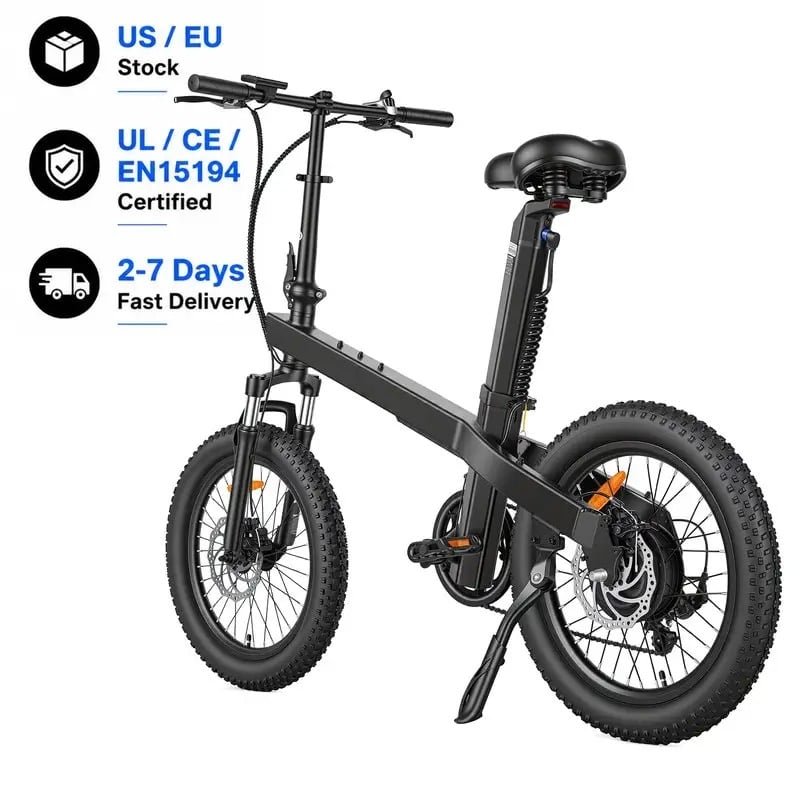
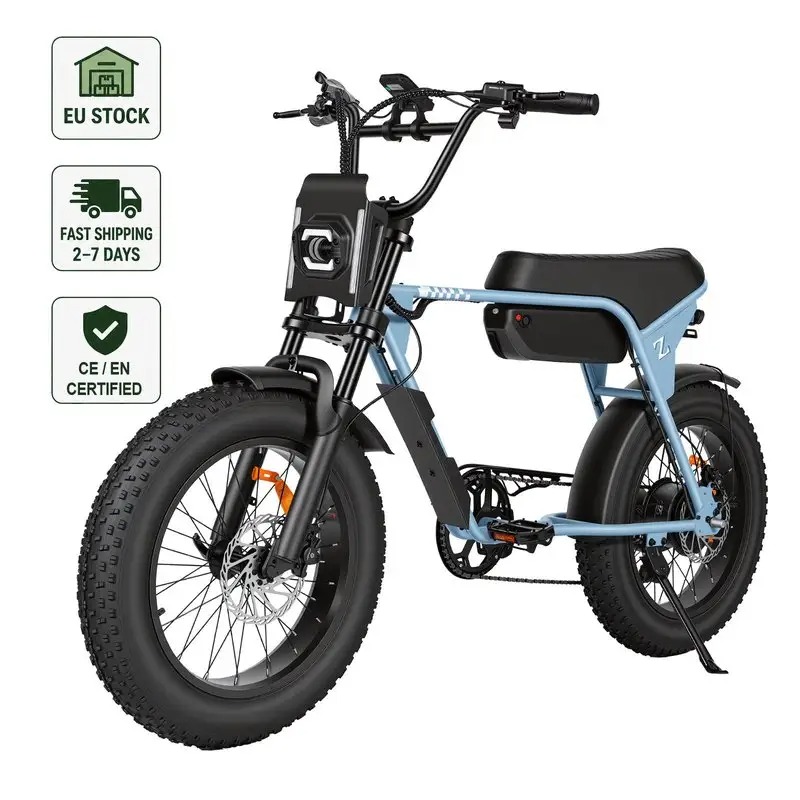
Maximizing the range of your fat tire electric bike is essential for getting the most value from your investment and enjoying longer rides without frequent charging interruptions. Whether you own a 26 fat tire electric bike or a cruiser fat tire electric bike, understanding how to optimize daily performance can significantly extend your riding distance. The good news is that range optimization doesn't require expensive upgrades or complicated technical knowledge—instead, it involves strategic habits and informed maintenance practices that work with your bike's built-in capabilities.
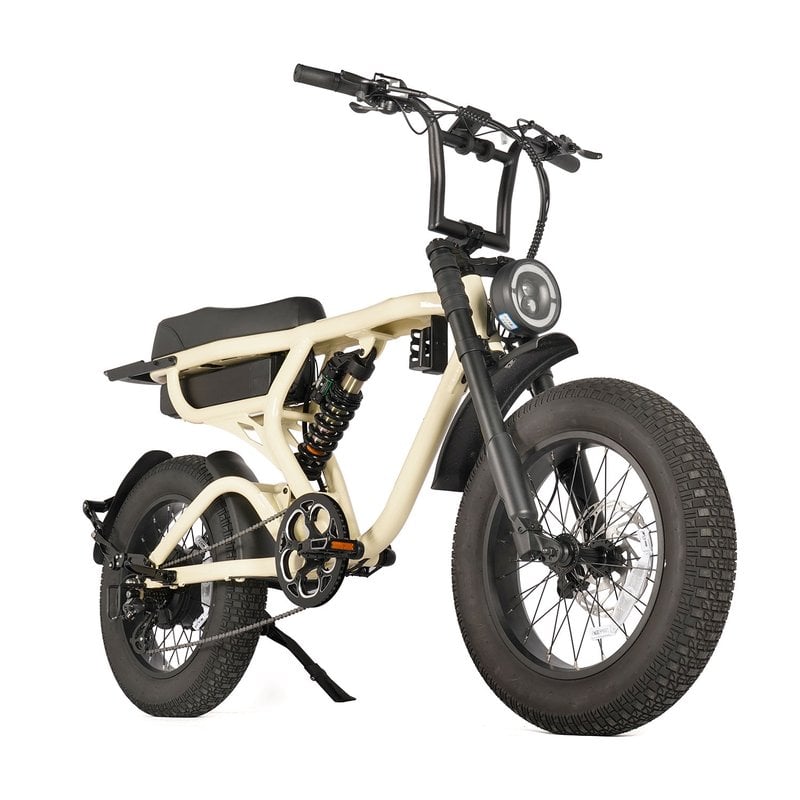
A fat tire electric bicycle for sale today comes equipped with advanced battery systems and motor technology designed to deliver impressive range under optimal conditions. However, real-world riding introduces variables—terrain, weather, rider weight, assistance level, and tire pressure—that directly impact how far your battery takes you. By mastering these optimization factors, you can transform your daily commute, weekend exploration, or leisure rides into extended adventures while maintaining consistent battery health over the bike's lifetime.
The way you charge your fat bike electric cycle plays a foundational role in range optimization. Lithium batteries, which power modern fat tire electric bikes, perform best when charged regularly in controlled sessions rather than allowed to fully deplete. Aim to charge your battery when it drops to 20 percent remaining capacity, rather than waiting until it's completely dead. This practice reduces stress on battery cells and maintains their ability to hold a full charge over extended periods. Additionally, charging to 80 percent instead of 100 percent on daily rides—reserving full charges only for longer expeditions—preserves long-term capacity more effectively than constant full charging cycles.
Environmental conditions directly affect your fat tire electric bike battery performance. Cold temperatures reduce effective range by 15 to 25 percent because chemical reactions slow in battery cells, while excessive heat accelerates battery degradation. Store and charge your battery indoors at room temperature when possible, particularly during winter months. If you ride in cold weather, allow your battery to warm slightly before demanding maximum power, and keep your battery away from direct sunlight and heat sources during storage. These simple thermal management practices preserve your battery's usable energy capacity throughout the year.
Most cruiser fat tire electric bikes and 26 fat tire electric bike models offer multiple power-assist levels—typically eco, standard, high, and turbo modes. Your choice of assistance level directly determines energy consumption and achievable range. For maximum distance, prioritize eco or standard mode on flat terrain and gentle inclines, reserving higher assistance levels for steep hills or when you need rapid acceleration. Many riders discover that consistent moderate assistance provides better range than aggressive acceleration followed by coasting, because the motor operates at its most efficient power level. Experiment with your bike's assistance levels during different ride segments to identify the sweet spot between comfort and efficiency.
Skilled riders maximize range by thinking several hundred feet ahead, maintaining momentum on downhill sections and gentle slopes rather than braking sharply and losing kinetic energy. Plan your route to include downhill opportunities and minimize unnecessary stops. When approaching traffic lights or obstacles, reduce throttle early rather than accelerating and braking hard. On a fat tire electric bicycle for sale, these small momentum-preservation techniques accumulate into meaningful range gains across a full ride. Additionally, pedaling actively alongside motor assistance, rather than relying entirely on throttle alone, distributes energy demand and can extend overall range by 15 to 20 percent depending on your fitness level and ride intensity.
Tire pressure represents one of the most overlooked range optimization factors on fat tire electric bikes. Underinflated tires increase rolling resistance dramatically, forcing your motor to work harder and consume battery power faster. Check your fat bike electric cycle tire pressure weekly, as fat tires typically operate at 6 to 12 PSI depending on your bike model and rider weight. Higher pressure within the recommended range reduces rolling resistance on pavement and hardpack surfaces, though slightly lower pressure improves traction on sand or snow. Maintaining optimal pressure for your typical terrain directly extends range by 8 to 12 percent while also reducing motor strain and extending component life.
A well-maintained fat tire electric bicycle for sale operates at peak efficiency and range. Keep your drivetrain clean and properly lubricated—a dry or rusty chain increases friction and forces the motor to work harder. Check brake alignment regularly; dragging brakes waste energy continuously throughout your ride. Ensure your wheels are properly trued and hub bearings spin freely without resistance. Tighten any loose components that rattle or shift, as mechanical friction drains battery capacity. Every 500 to 1000 miles, perform a complete inspection of your 26 fat tire electric bike, including bottom bracket, headset, and rear hub bearings. These maintenance tasks cost minimal time but deliver consistent range improvements and safer, more enjoyable riding experiences.
Yes, rider weight and cargo load directly reduce range on any fat tire electric bike. A heavier rider or additional cargo increases the energy required to accelerate and climb hills, reducing total distance per charge by roughly 2 to 3 percent per 25 pounds of added weight. While you cannot change your weight significantly for a single ride, you can minimize unnecessary cargo and distribute weight evenly across your cruiser fat tire electric bike to optimize energy efficiency.
Absolutely. Cold weather reduces battery efficiency by 15 to 25 percent, strong headwinds increase aerodynamic drag and motor load, and rain or wet roads create additional rolling resistance. Summer rides with favorable tailwinds typically deliver maximum range from a 26 fat tire electric bike, while winter riding requires accepting shorter effective distances unless you employ heating strategies like insulated battery covers or reduced tire pressure adjustments for traction.
With proper charging and storage practices, most fat tire electric bike batteries maintain 80 to 90 percent of original capacity after 1000 charge cycles, equivalent to 3 to 5 years of regular riding. However, extreme temperature exposure, consistent full-charge cycling, or deep discharges accelerate degradation. Most riders enjoy reliable range for 3 to 5 years before noticing significant capacity loss, at which point battery replacement restores your cruiser fat tire electric bike to like-new performance.
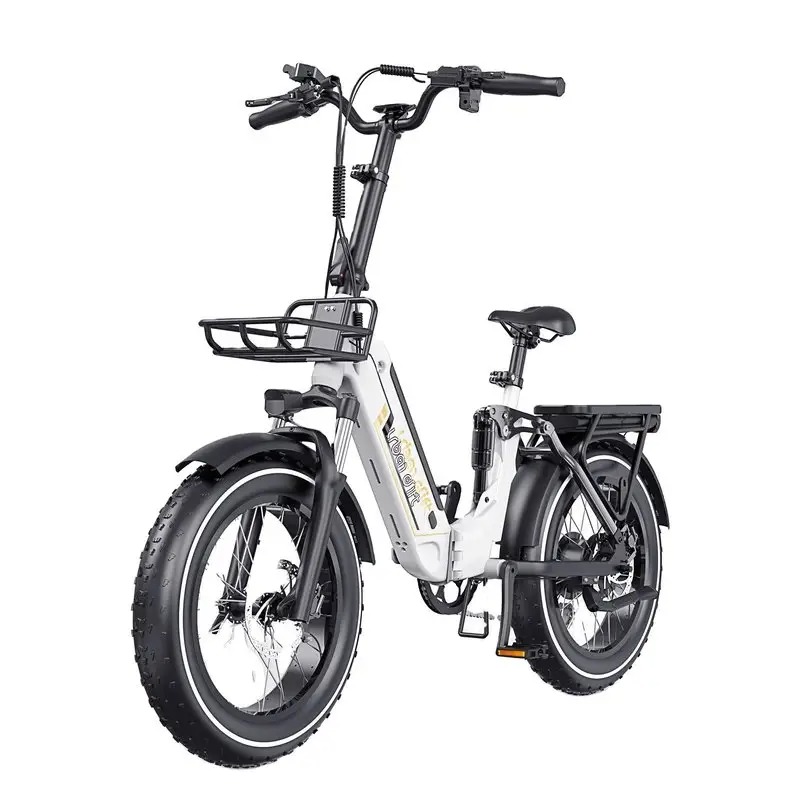
2026/08/03
Fix time zones, language gaps, and unclear protocols—boost speed, cut costs, and scale confidently.
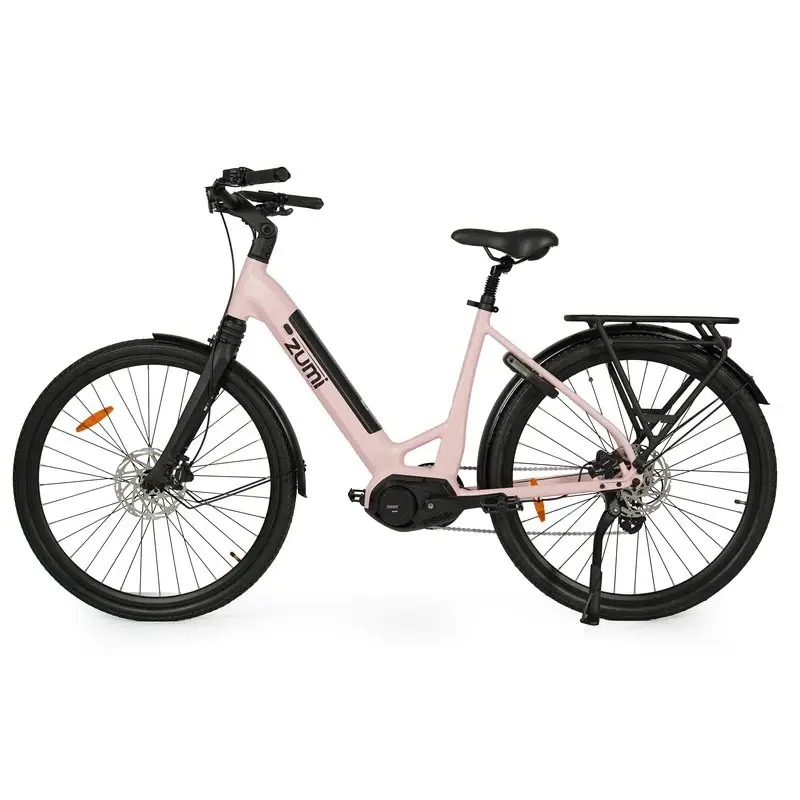
2026/08/03
Avoid liability & import bans: Learn IEC 62619, UN 38.3, and UL 2271—plus how to verify real compliance (not fakes).
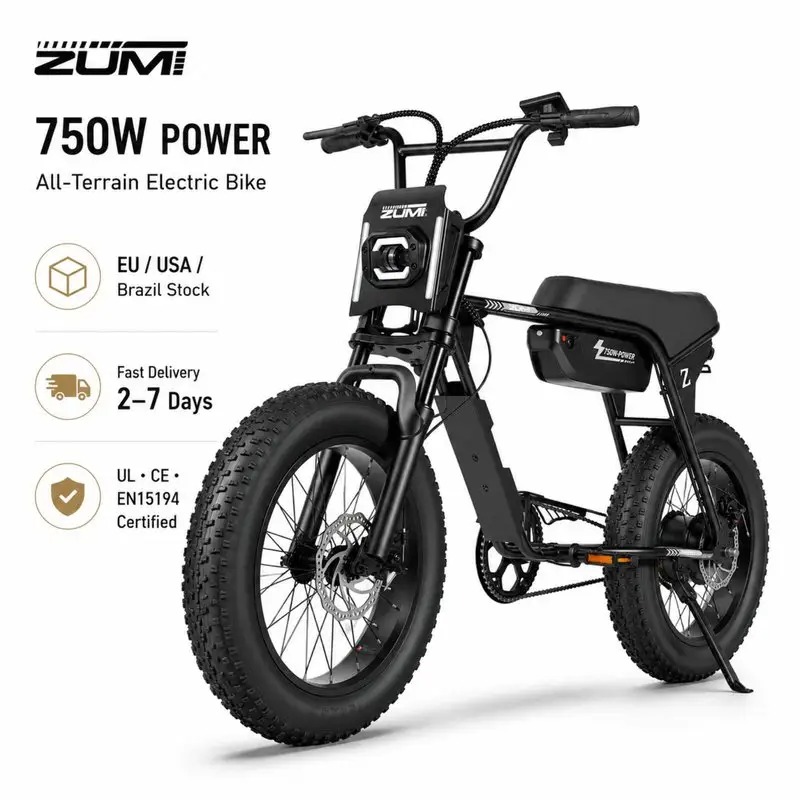
2026/08/03
Learn precise air pressure, rebound & compression tuning for optimal suspension performance. Get pro-level setup tips now.
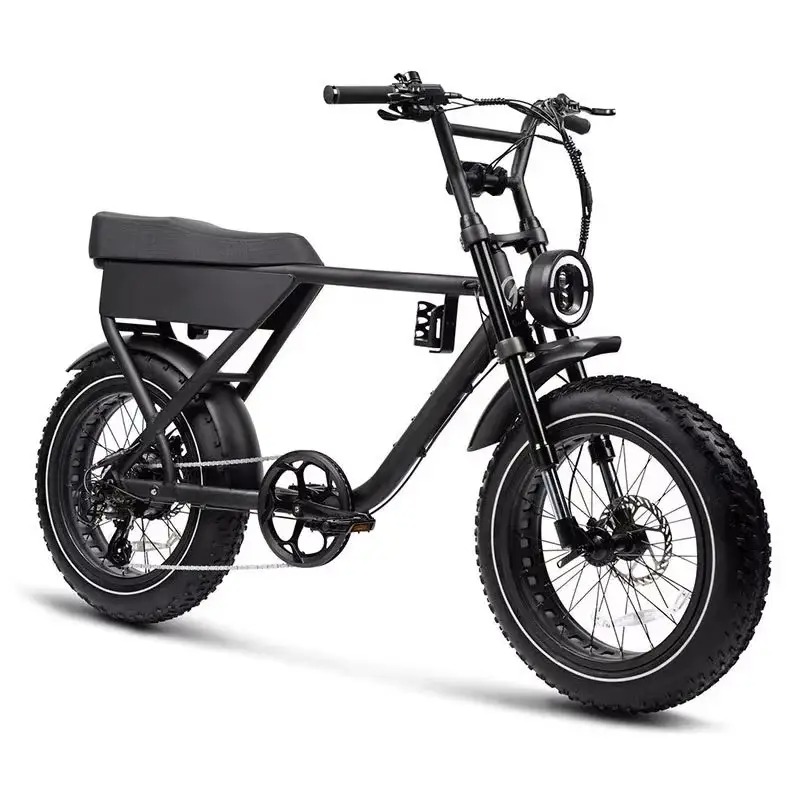
2026/08/03
Discover how voltage drop saps performance—and proven fixes to restore responsiveness, range, and battery life. Read now.
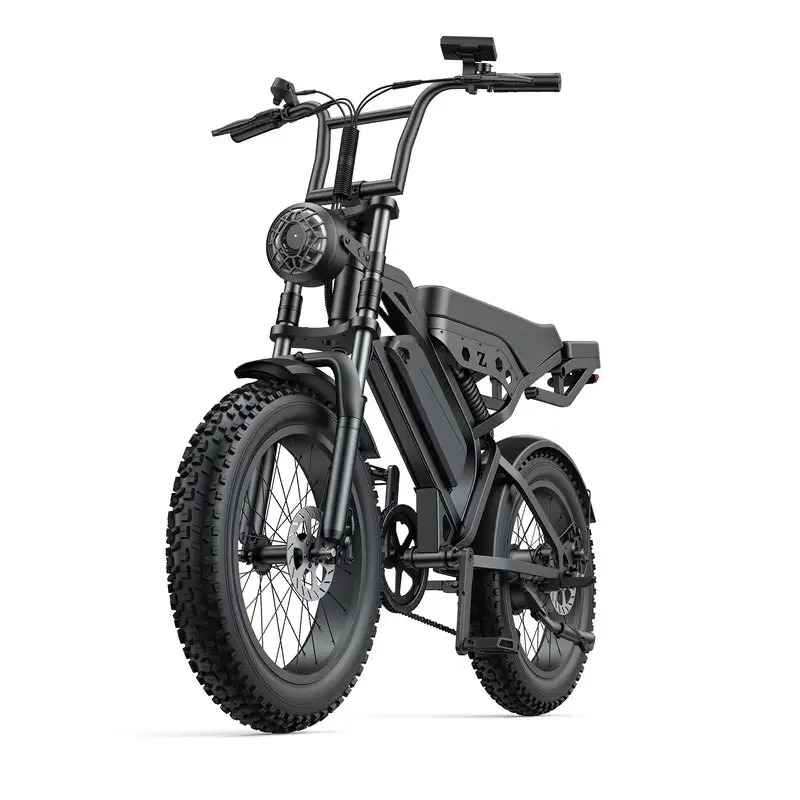
2026/08/03
Discover data-backed protocols, smart infrastructure & operational fixes. Optimize now.
2026/08/03
How payload cuts 48V cargo ebike range by 15–50%+ — backed by real-world degradation curves, motor load science & fleet optimization strategies.
Comprehensive warranty, fast parts shipping, remote diagnostics and local dealer training


