 EN
EN
STEP 1
Full vehicle warranty for 2 years
2026/08/27
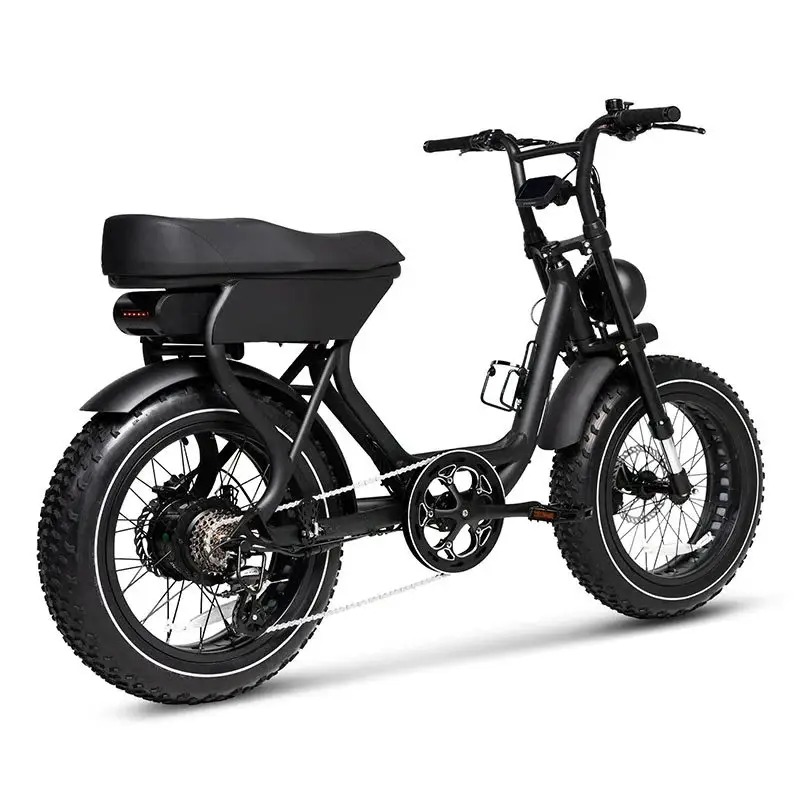
Proper tire pressure is one of the most overlooked yet critical maintenance tasks for any electric bike for city use. Many riders focus on battery performance and motor efficiency while neglecting the fundamental role that tire pressure plays in ride comfort, handling, safety, and energy consumption. Whether you're commuting daily through busy streets or running weekend errands, maintaining optimal tire pressure directly affects how your urban electric bike responds to road conditions, how much assistance your motor needs to provide, and how long your tires will last.
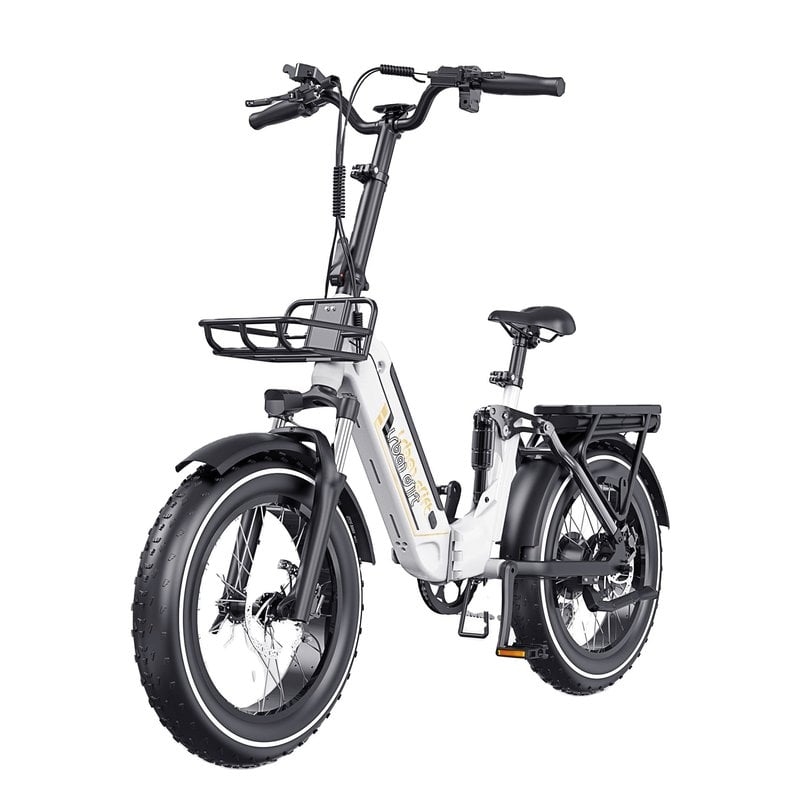
Your commuter ebike's performance depends heavily on tire conditions that most riders don't understand. Under-inflated tires increase rolling resistance, forcing your motor to work harder and draining your battery faster. Over-inflated tires reduce traction and comfort, making city riding less stable on uneven pavement. Finding the precise tire pressure sweet spot requires understanding manufacturer recommendations, your weight, cargo loads, and urban riding conditions specific to your location and terrain.
Tire pressure directly influences how your city ebike handles during stops, starts, and sharp turns. A city ebike requires precise pressure settings because urban environments present constantly changing surface conditions: smooth asphalt, potholes, manhole covers, gravel, and wet pavement. Proper pressure ensures your tires grip these surfaces consistently, preventing skids during sudden braking and maintaining control when navigating crowded city streets. Additionally, correct tire pressure protects your rims from impact damage when rolling over obstacles common in urban commuting.
Your commuter ebike's motor works in concert with tire pressure to deliver efficient power. When tire pressure drops below the recommended range, rolling resistance increases substantially, meaning your motor must expend more energy to maintain the same speed. This higher energy demand drains your battery reserve faster, reducing overall range on a single charge. Conversely, when pressure exceeds optimal levels, your commuter ebike experiences harsh ride quality and reduced contact patch with the road, potentially compromising traction during emergency stops. Understanding this relationship helps you maximize both battery life and riding safety.
Every tire sidewall displays a recommended pressure range, typically measured in pounds per square inch (PSI) or bar. For a city ebike, this range reflects tire design limits, not necessarily optimal performance conditions for your specific weight, cargo, and riding style. Check your tire sidewall for markings like '50-75 PSI' or '3.5-5.0 bar.' Your urban electric bike manual should also specify recommended pressures for solo riding and loaded carrying capacity. Never assume all tires of the same size have identical pressure ranges; different tire models and brands may have different recommendations based on their construction and materials.
Base tire pressure recommendations assume average rider weight and minimal cargo. When using your commuter ebike for daily errands involving grocery shopping, equipment transport, or regular cargo carrying, you'll typically want tire pressure closer to the upper recommended range to prevent excessive rim contact. Conversely, lighter riders or those carrying minimal cargo may prefer lower pressures within the acceptable range for improved comfort and traction. City riding on potholes and rough pavement generally benefits from slightly lower pressure for shock absorption, while smooth, well-maintained roads can handle higher pressures safely. Seasonal changes also matter: cold winter temperatures naturally reduce tire pressure, so winter commuting may require more frequent pressure adjustments than summer riding.
Invest in a reliable floor pump with a built-in pressure gauge or a digital handheld gauge for accuracy. Check tire pressure when your urban electric bike is stationary and tires are cool, ideally before your first ride of the day. Fluctuations in pressure occur throughout the day as tires heat from friction and ambient temperature changes; checking after riding produces artificially high readings that don't reflect true conditions. For your city ebike, check pressure at least once weekly or before every long commute. When adjusting, inflate gradually and recheck frequently to avoid overshooting your target pressure, especially with floor pumps that can quickly raise pressure beyond intended levels.
Temperature changes dramatically affect your commuter ebike tire pressure without any actual air loss. For every ten-degree Fahrenheit drop in ambient temperature, tire pressure typically decreases by approximately one PSI. Winter commuting may require pressure increases of five to ten PSI above your summer baseline to maintain consistent performance. Monitor your urban electric bike's handling feel as a practical indicator: if your bike feels sluggish, bouncy, or less responsive than usual, pressure deviation is often the culprit before assuming mechanical issues. Establish a monthly inspection routine where you visually check tires for wear patterns, bulges, or debris, then verify pressure with your gauge. This proactive approach prevents pressure-related problems from developing into safety hazards during your city commutes.
Under-inflated tires on your commuter ebike create excessive rolling resistance, forcing your motor to provide continuous extra power, which significantly drains battery capacity and reduces range. Low pressure also causes tires to flex excessively, generating internal heat that accelerates tire wear and increases risk of punctures from debris. Handling becomes sluggish, and traction decreases on wet surfaces, creating safety concerns during emergency braking in urban traffic conditions.
For a city ebike used regularly for commuting, check tire pressure at least once per week or before any extended ride. More frequent checks are advisable during seasonal temperature transitions or if you notice performance changes. Many experienced commuter ebike riders develop a habit of checking pressure every few days to maintain consistent performance, especially during winter when temperature fluctuations are most pronounced. Your riding conditions and storage environment influence checking frequency.
Absolutely. Proper tire pressure is essential for your urban electric bike's safety in city environments. Correct pressure maintains adequate traction for braking, cornering, and navigating obstacles, while improper pressure can cause skidding during emergency stops or instability on wet pavement. Over-inflated tires may lose grip entirely on uneven surfaces, while under-inflated tires increase stopping distance. Consistent, optimal pressure on your city ebike directly correlates to predictable handling and reduced accident risk during your daily commutes.
2026/08/03
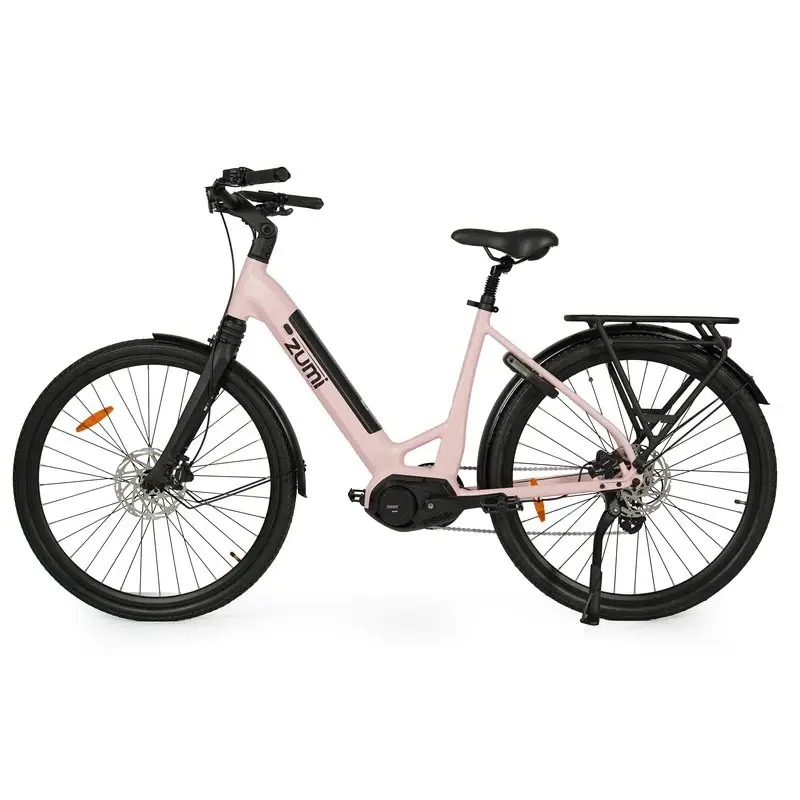
Fix time zones, language gaps, and unclear protocols—boost speed, cut costs, and scale confidently.
2026/08/03
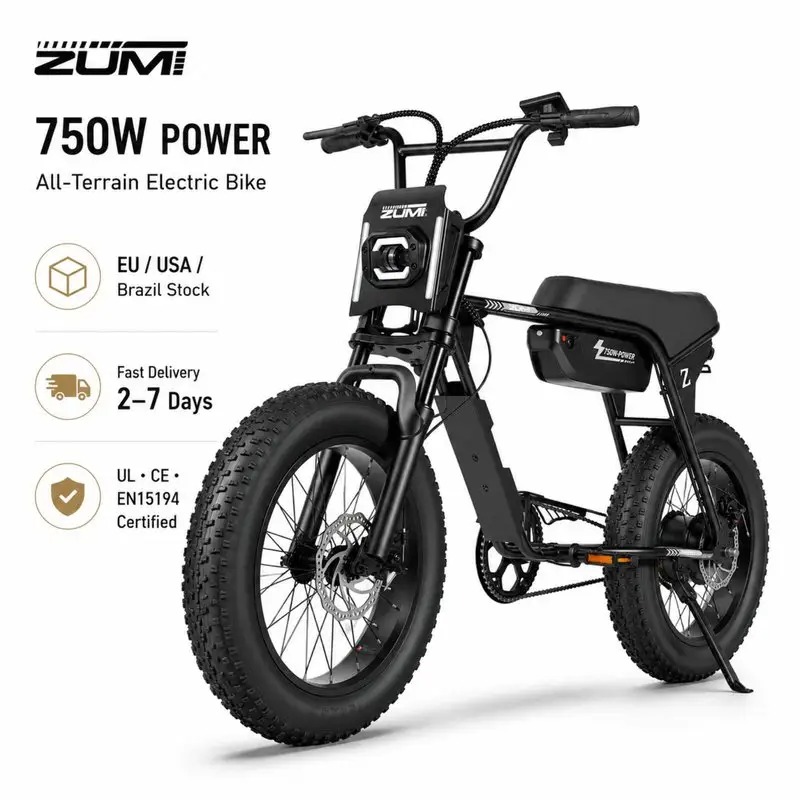
Avoid liability & import bans: Learn IEC 62619, UN 38.3, and UL 2271—plus how to verify real compliance (not fakes).
2026/08/03
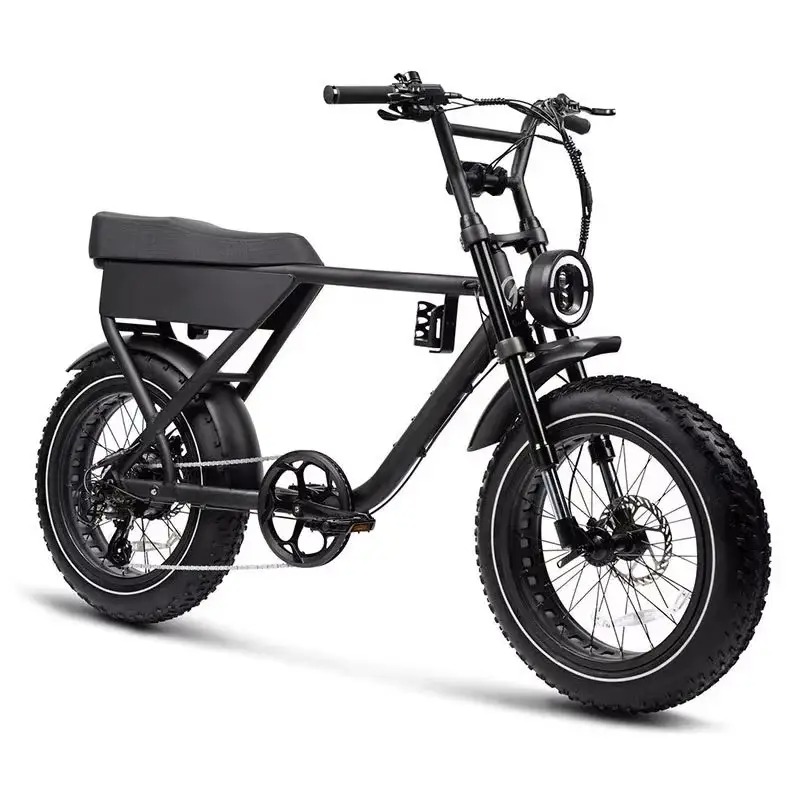
Learn precise air pressure, rebound & compression tuning for optimal suspension performance. Get pro-level setup tips now.
2026/08/03
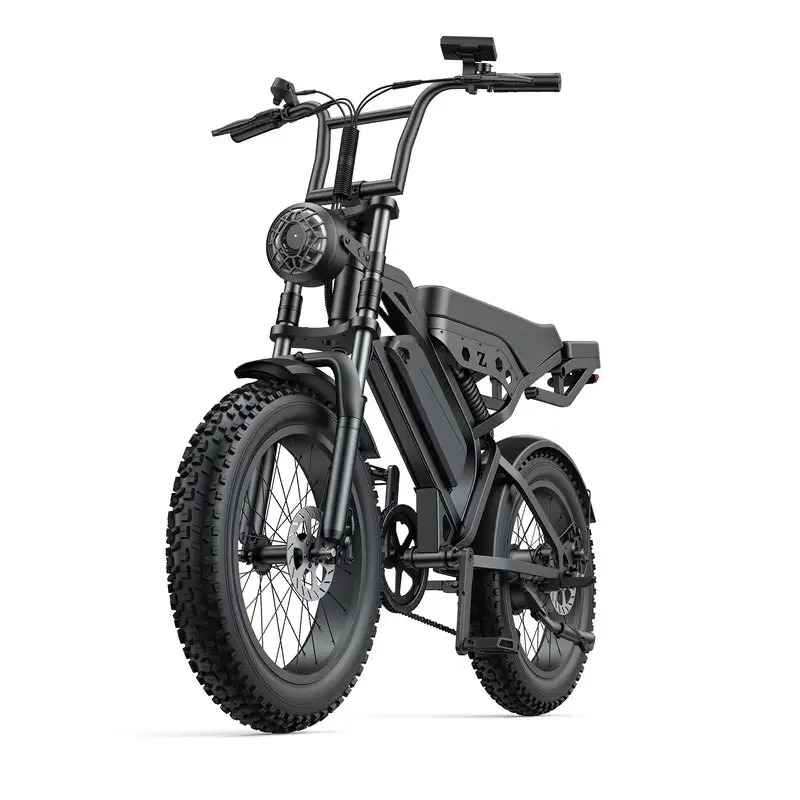
Discover how voltage drop saps performance—and proven fixes to restore responsiveness, range, and battery life. Read now.
2026/08/03
Discover data-backed protocols, smart infrastructure & operational fixes. Optimize now.
2026/08/03
How payload cuts 48V cargo ebike range by 15–50%+ — backed by real-world degradation curves, motor load science & fleet optimization strategies.
Comprehensive warranty, fast parts shipping, remote diagnostics and local dealer training


