 EN
EN
STEP 1
Full vehicle warranty for 2 years
2026/08/10
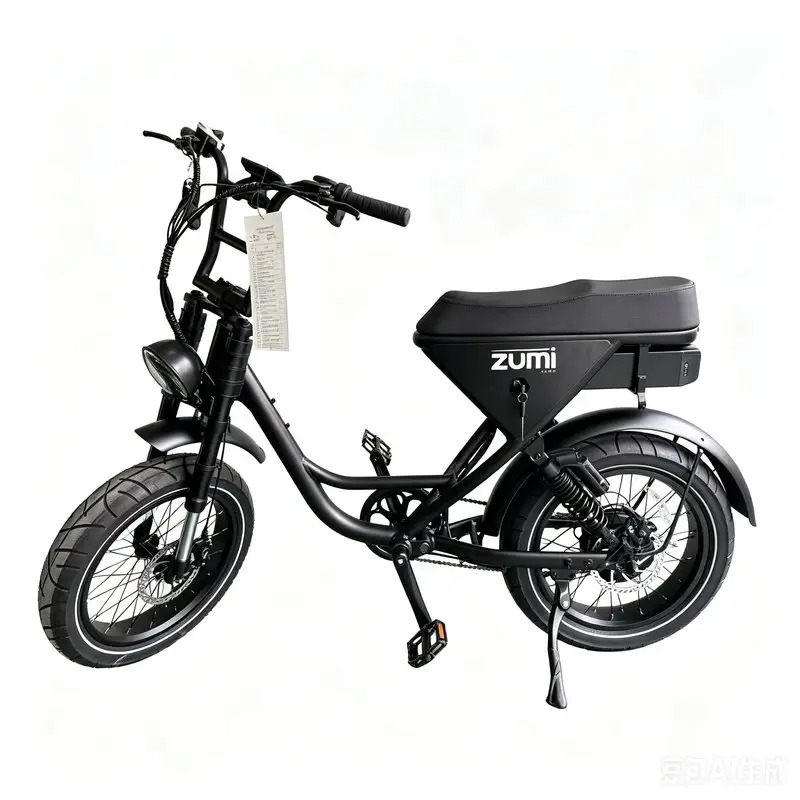
Optimizing warehouse layout for ebikes wholesale operations requires a strategic approach that balances accessibility, space efficiency, and operational workflow. The warehouse serves as the central hub for your entire distribution network, making layout optimization critical to reducing costs, improving order fulfillment speed, and maintaining inventory accuracy. A poorly organized warehouse directly impacts customer satisfaction, increases labor costs, and creates bottlenecks in the supply chain.
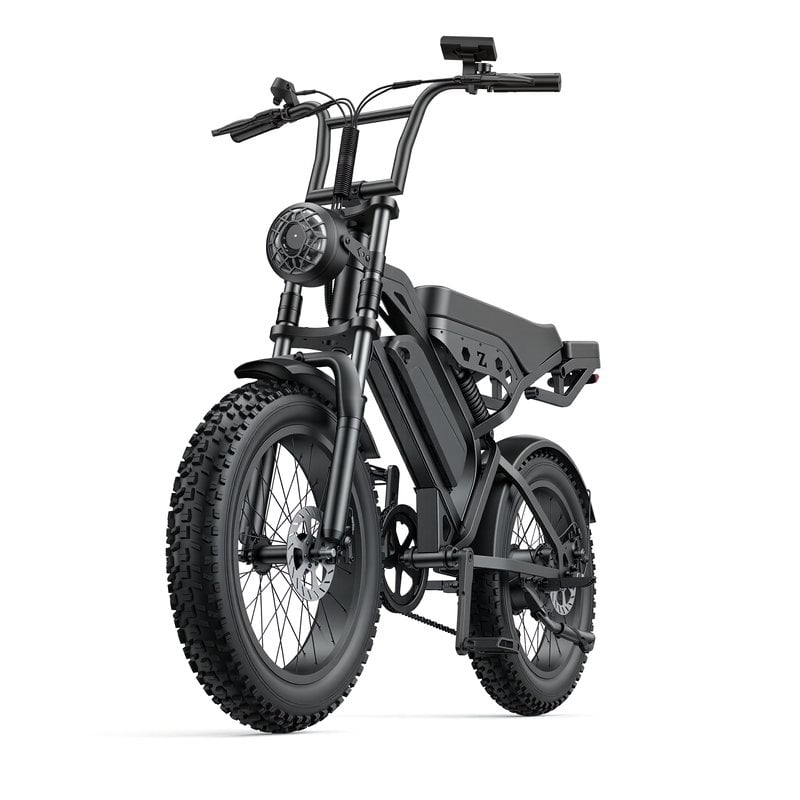
When managing electric bike wholesale inventory, the physical arrangement of storage zones, receiving areas, and shipping stations fundamentally affects operational efficiency. Electric bikes vary significantly in size, weight, and component configuration compared to traditional bicycles, requiring specialized storage considerations. Understanding how to arrange your warehouse layout transforms wholesale electric bikes operations from chaotic to streamlined, enabling faster order processing and reducing damage to high-value inventory.
The receiving area should be positioned near the main entrance for efficient unloading of incoming ebike wholesale shipments. This zone requires adequate space for quality checks, damage assessment, and documentation processing. During inspection, teams verify that electric bike wholesale orders match purchase orders and assess battery condition, frame integrity, and component functionality. Designating a dedicated receiving area prevents bottlenecks at entry points and ensures systematic inventory intake.
Divide your warehouse into vertical and horizontal storage zones to maximize cubic space utilization. Fast-moving ebike models and popular battery configurations should occupy mid-level shelving at arm height to reduce picking time. Heavier components and bulk chassis inventory can be stored at lower levels, while slower-moving specialty electric bike wholesale items occupy upper shelves. This tiered approach reduces labor fatigue and accelerates order fulfillment for high-velocity SKUs.
First-In-First-Out (FIFO) methodology prevents battery degradation and ensures older ebike wholesale stock moves before newer inventory, critical given battery expiration concerns. Cross-docking strategies allow direct transfer of incoming ebike wholesale shipments to outbound areas, eliminating intermediate storage for time-sensitive orders. For wholesale electric bikes with seasonal demand patterns, cross-docking reduces holding costs and improves cash flow by accelerating turnover cycles.
Warehouse aisles should be wide enough for equipment passage and positioned to minimize travel distance between storage locations. For ebike wholesale operations, implement a serpentine picking pattern that reduces backtracking and consolidates orders logically. Position high-velocity items at the beginning of pick routes and group complementary products like batteries, chargers, and accessories near their corresponding bike models. This systematic approach cuts picking time by 30–40% compared to random layout configurations.
Electric bike batteries require climate-controlled storage to maintain performance and safety standards. Excessive heat degrades lithium cells, while moisture exposure creates corrosion risks and electrical hazards. Design temperature and humidity monitoring systems for critical storage zones, particularly where bulk ebike wholesale batteries are stocked. Separate hazardous material storage areas from general inventory, complying with regulatory requirements for lithium battery handling.
Modern warehouse management systems track location data for every ebike wholesale unit, enabling real-time inventory visibility and reducing misplacement errors. Barcode or RFID scanning at receiving, storage, and shipping stages ensures accurate lot tracking for electric bike wholesale inventory. Integration between your WMS and order management system automates pick list generation, reducing manual errors and accelerating fulfillment cycles. This technology backbone transforms your physical layout's efficiency gains into tangible business outcomes.
Lithium batteries in ebike wholesale units perform optimally between 15–25°C (59–77°F). Temperatures exceeding 45°C accelerate chemical reactions that degrade battery life, while freezing conditions reduce immediate performance and increase internal resistance. For wholesale electric bikes, maintain climate control year-round and implement monitoring systems that alert staff to temperature deviations before damage occurs.
A mid-size ebike wholesale facility serving 50–100 dealers typically requires 2,000–5,000 square feet, accounting for receiving areas, storage racks, packing stations, and safety buffer zones. Space requirements depend on inventory turnover rates and seasonal demand peaks. Electric bike wholesale operations with higher velocity can operate efficiently in smaller footprints using vertical storage, while slower-turning inventory requires proportionally more space for segregation.
Yes, separating components improves warehouse flexibility and reduces damage risk during handling. Store batteries, motors, and control systems in dedicated climate-controlled zones within your ebike wholesale area. Assembled electric bike wholesale units occupy more space and require careful positioning to prevent frame damage. This separation also enables kit-building and customization operations while maintaining distinct storage protocols for hazardous and standard inventory.
2026/08/03
Fix time zones, language gaps, and unclear protocols—boost speed, cut costs, and scale confidently.
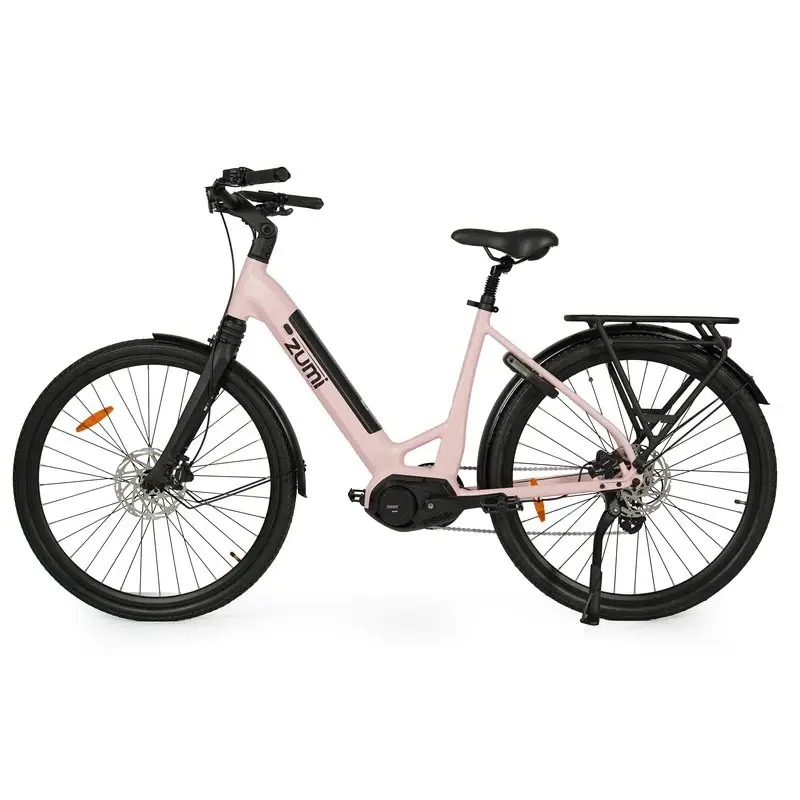
2026/08/03
Avoid liability & import bans: Learn IEC 62619, UN 38.3, and UL 2271—plus how to verify real compliance (not fakes).
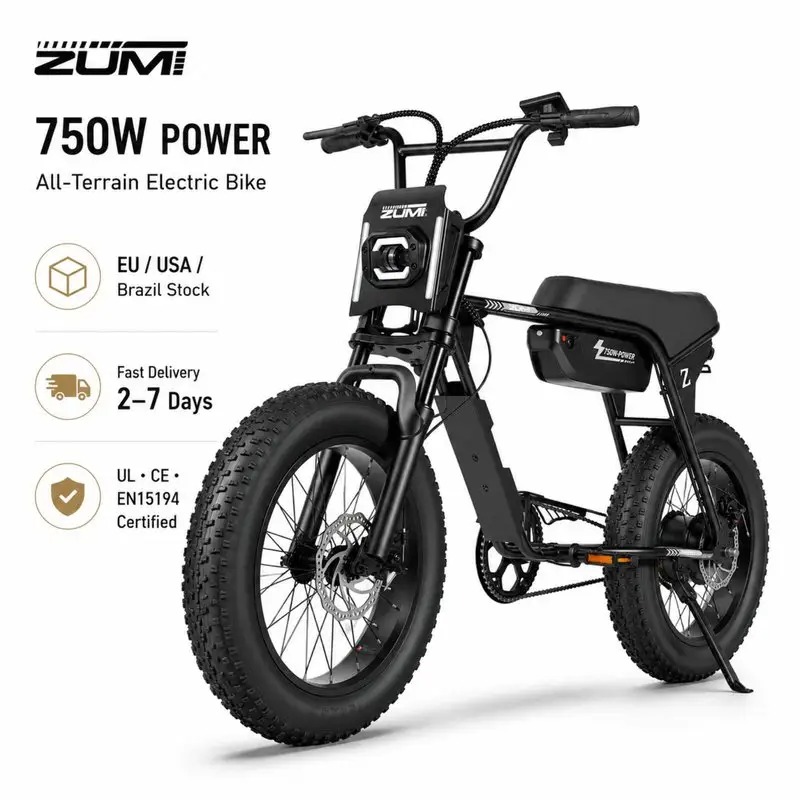
2026/08/03
Learn precise air pressure, rebound & compression tuning for optimal suspension performance. Get pro-level setup tips now.
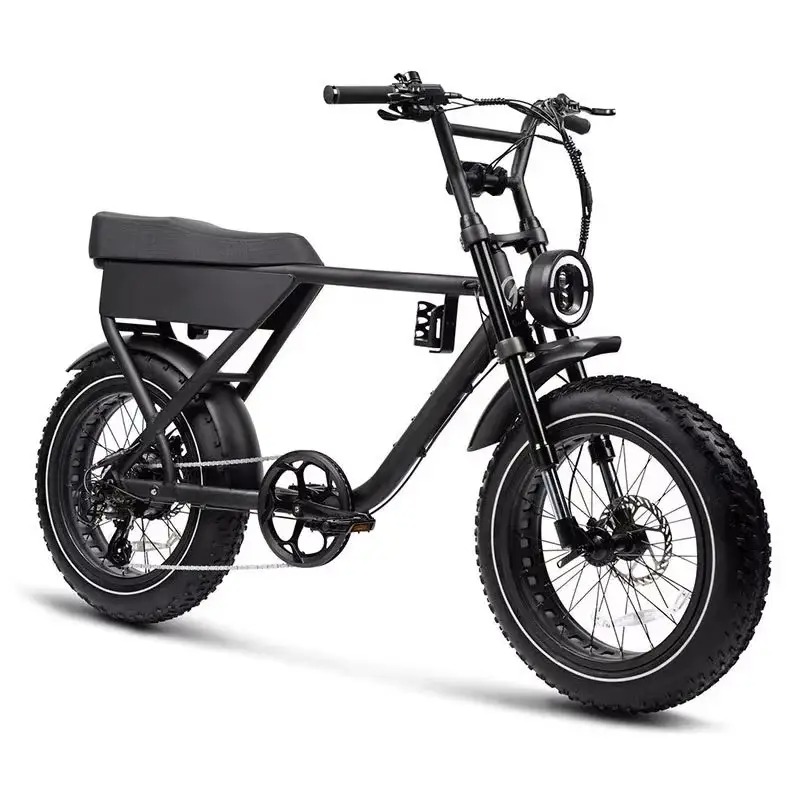
2026/08/03
Discover how voltage drop saps performance—and proven fixes to restore responsiveness, range, and battery life. Read now.
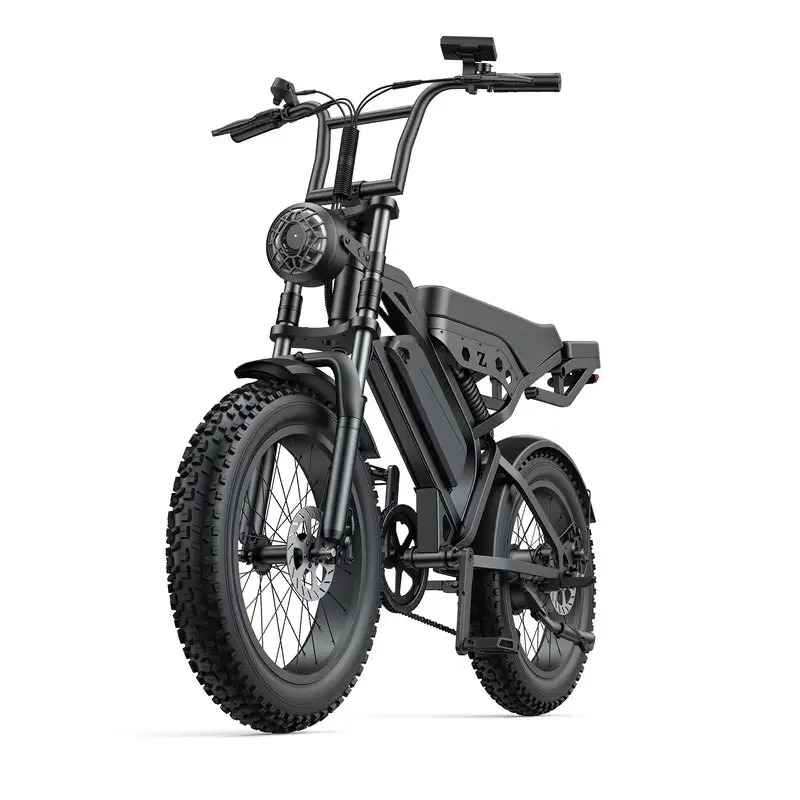
2026/08/03
Discover data-backed protocols, smart infrastructure & operational fixes. Optimize now.
2026/08/03
How payload cuts 48V cargo ebike range by 15–50%+ — backed by real-world degradation curves, motor load science & fleet optimization strategies.
Comprehensive warranty, fast parts shipping, remote diagnostics and local dealer training


