 EN
EN
STEP 1
Full vehicle warranty for 2 years
2026/08/11
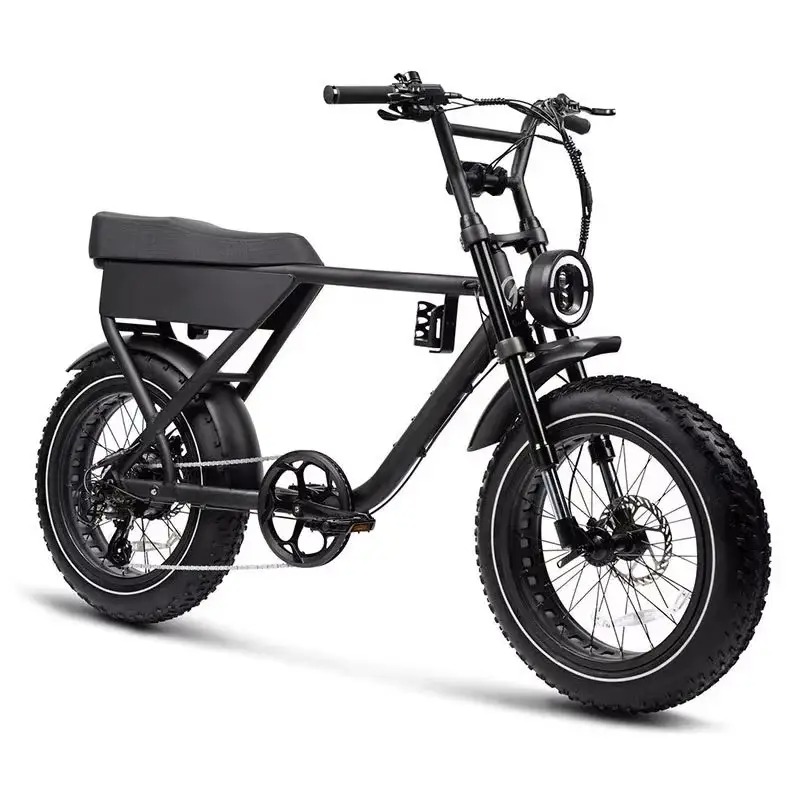
Riding your electric mountain bike through wet conditions demands more than casual care. Rain poses serious threats to the electrical systems, battery connections, and mechanical components that keep your e mtb cycle performing reliably on steep descents and technical terrain. Understanding how water infiltrates and damages an adult electric mountain bike is the first step toward developing a comprehensive protection strategy. Every rider faces this challenge, whether tackling weekend trails or committing to serious backcountry adventures with an electric enduro mountain bike built for aggressive riding.
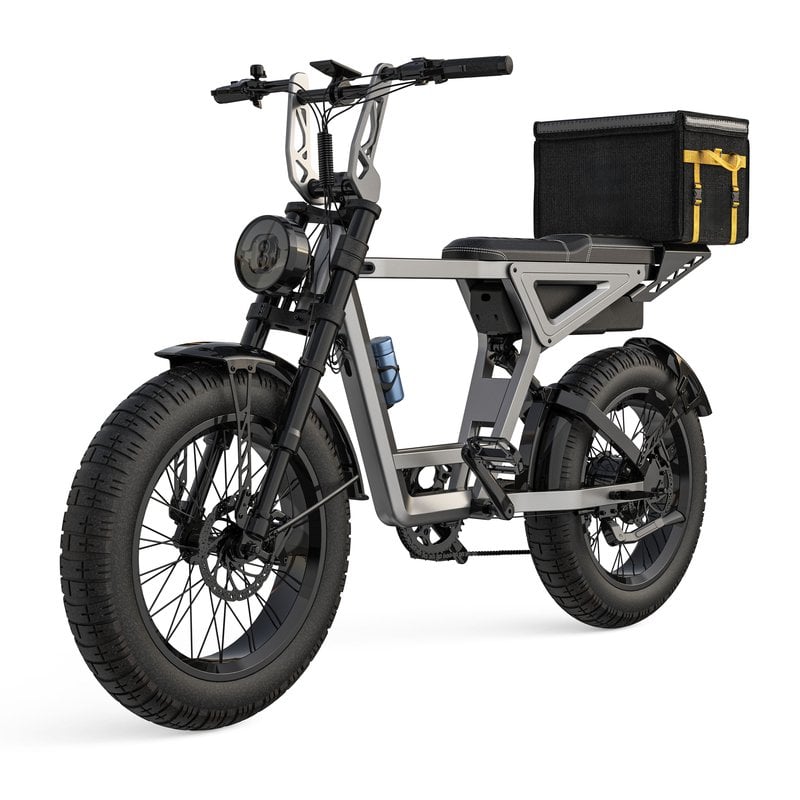
Water intrusion into battery casings, motor housings, and controller units can create irreversible short circuits and corrosion that render your electric mountain bike unsafe or unusable. Rain doesn't just affect performance during a single wet ride; it initiates long-term degradation that compounds with each successive exposure. Proper protection techniques extend component lifespan, preserve warranty coverage, and maintain the reliability that makes an electric enduro mountain bike such a valuable investment for serious trail riders.
Every adult electric mountain bike relies on multiple electrical junctions where cables connect battery terminals, motor leads, and controller inputs. These connection points represent the primary vulnerability during rain exposure because water naturally seeks pathways between components. Factory-sealed connections on quality e mtb cycle models provide baseline protection, but riding conditions, vibration, and repeated mud cleaning gradually compromise original seals. Identify every external connector on your electric enduro mountain bike and inspect them regularly for corrosion, visible moisture, or loosened weatherstripping around junction boxes.
Professional conformal coating—a thin polymer layer applied to circuit boards and connectors—creates a water-resistant barrier without affecting electrical conductivity. This protective film is standard on premium adult electric mountain bike models but may require reapplication after several seasons of aggressive trail use. Silicone-based dielectric grease applied to exposed battery connectors on your e mtb cycle prevents moisture from reaching metal contact surfaces and reduces corrosion development. For an electric enduro mountain bike subjected to frequent rain and mud, quarterly inspection of connection point seals and annual conformal coating maintenance ensures maximum electrical safety and system longevity.
The motor housing on your adult electric mountain bike contains rotating magnets, copper windings, and sealed bearings designed to function in damp environments but not submerged in water. Mid-drive motors common on e mtb cycle designs position critical components near the chain line where standing water and mud splash create persistent exposure during wet-weather rides. Hub motors integrated into wheels on an electric enduro mountain bike offer slightly better water isolation but still require protective maintenance because bearing seals gradually wear under continuous moisture exposure. After riding through deep water or sustained rain, immediately rinse your electric mountain bike with clean water from a low-pressure source to remove corrosive salts and abrasive mud particles lodged in motor cooling fins.
The battery case represents the most critical component requiring protection on your adult electric mountain bike because internal damage renders the entire system unusable or creates fire hazards during charging. High-quality e mtb cycle batteries feature sealed aluminum or composite housings with gasket-protected terminals, but repeated pressure washing or submersion can gradually degrade these seals over time. Store your electric enduro mountain bike in a dry environment between rides, and remove the battery if you anticipate extended storage during wet seasons. Never charge a battery that has been completely submerged or shows visible water droplets inside the connector housing on your electric mountain bike.
Immediately after riding your adult electric mountain bike in rain, allow moisture to evaporate completely before storing it indoors where humidity can trap water vapor inside motor housings and battery cases. Use a soft brush to remove mud from cooling vents and connection points on your e mtb cycle, but avoid high-pressure washers that force water directly into electrical enclosures of your electric enduro mountain bike. Compressed air directed at low pressure can safely clear water from connector sockets and external surfaces without creating damaging pressure differentials inside sealed components. Dedicate soft microfiber cloths exclusively to electrical components, and replace them regularly to prevent cross-contamination of corrosion residue between cleaning sessions.
Before entering your region's rainy season, inspect all visible seals on your electric mountain bike, apply fresh dielectric grease to battery connectors, and verify that your adult electric mountain bike controller displays no error codes related to moisture detection. Consider protective weatherproof sleeves designed for e mtb cycle batteries and motor controllers if you frequently ride in heavy rain or coastal environments where salt spray accelerates corrosion. An electric enduro mountain bike used primarily during dry seasons requires less intensive protection but still benefits from annual connector inspection and conformal coating reapplication. Schedule maintenance during transition periods between seasons to address any moisture damage before it progresses into more serious electrical failures.
Yes, an adult electric mountain bike designed and maintained with proper waterproofing can operate safely during rain rides, though aggressive water crossings or submersion remain risky even with protection measures. Quality e mtb cycle models and electric enduro mountain bikes feature water-resistant ratings that allow brief exposure to rain and splashing, but manufacturers typically recommend avoiding deep water submersion. Proper waterproofing dramatically extends safe operating conditions, but riders must still respect component limitations and perform post-ride maintenance consistently.
Conformal coating on critical electronics of your adult electric mountain bike typically lasts 12 to 24 months depending on riding frequency and environmental exposure, with quarterly inspection recommended for e mtb cycles used in frequent rain. Dielectric grease on battery connectors requires reapplication every six to twelve months or whenever you notice moisture accumulation on your electric enduro mountain bike's electrical junctions. Keep detailed maintenance records to track when you last applied protective treatments so you can schedule reapplication before components become compromised.
If your adult electric mountain bike experiences partial submersion or water enters the motor housing or controller on your e mtb cycle, immediately stop riding and allow all components to dry completely in a warm, low-humidity environment before charging or operating the system. Never attempt to charge an electric enduro mountain bike with wet battery connectors or suspected internal moisture, as this can create electrical shorts or battery damage. Contact the manufacturer for guidance if your electric mountain bike has been submerged, as internal water damage may require professional service or component replacement to ensure safe operation.
2026/08/03
Fix time zones, language gaps, and unclear protocols—boost speed, cut costs, and scale confidently.
2026/08/03
Avoid liability & import bans: Learn IEC 62619, UN 38.3, and UL 2271—plus how to verify real compliance (not fakes).
2026/08/03
Learn precise air pressure, rebound & compression tuning for optimal suspension performance. Get pro-level setup tips now.
2026/08/03
Discover how voltage drop saps performance—and proven fixes to restore responsiveness, range, and battery life. Read now.
2026/08/03
Discover data-backed protocols, smart infrastructure & operational fixes. Optimize now.
2026/08/03
How payload cuts 48V cargo ebike range by 15–50%+ — backed by real-world degradation curves, motor load science & fleet optimization strategies.
Comprehensive warranty, fast parts shipping, remote diagnostics and local dealer training


