 EN
EN
STEP 1
Full vehicle warranty for 2 years
2026/08/31
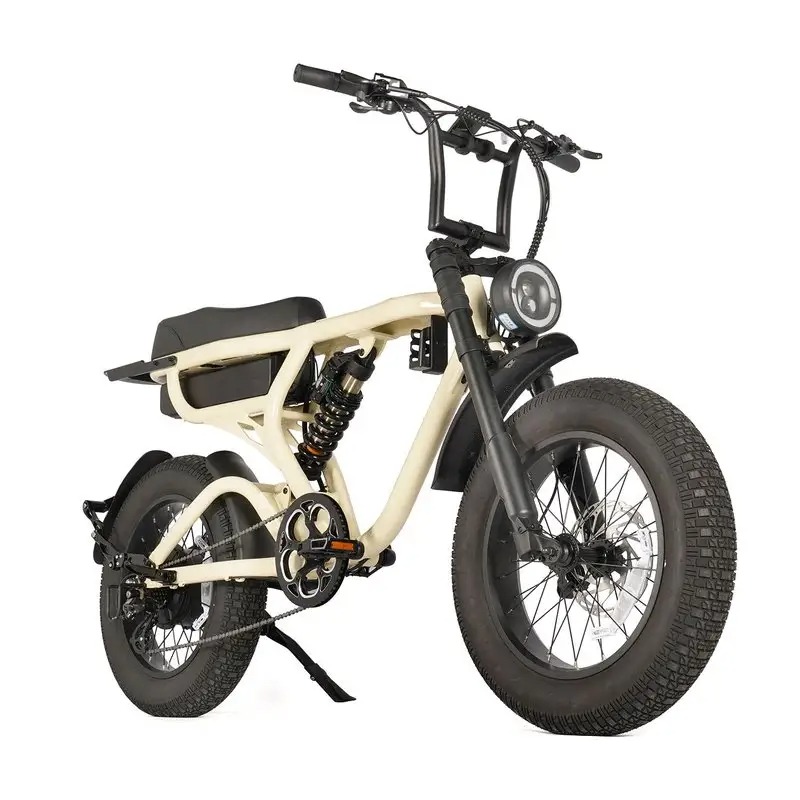
Requesting custom firmware from a fat tire ebike supplier is a strategic approach for businesses looking to differentiate their product offerings and meet specific market demands. Custom firmware allows you to tailor the performance, display interface, and safety features of electric bikes to match your brand identity and customer expectations. Whether you operate in the electric bike wholesale space or manage a retail operation, understanding how to properly communicate your firmware requirements to your supplier is essential for successful product customization.
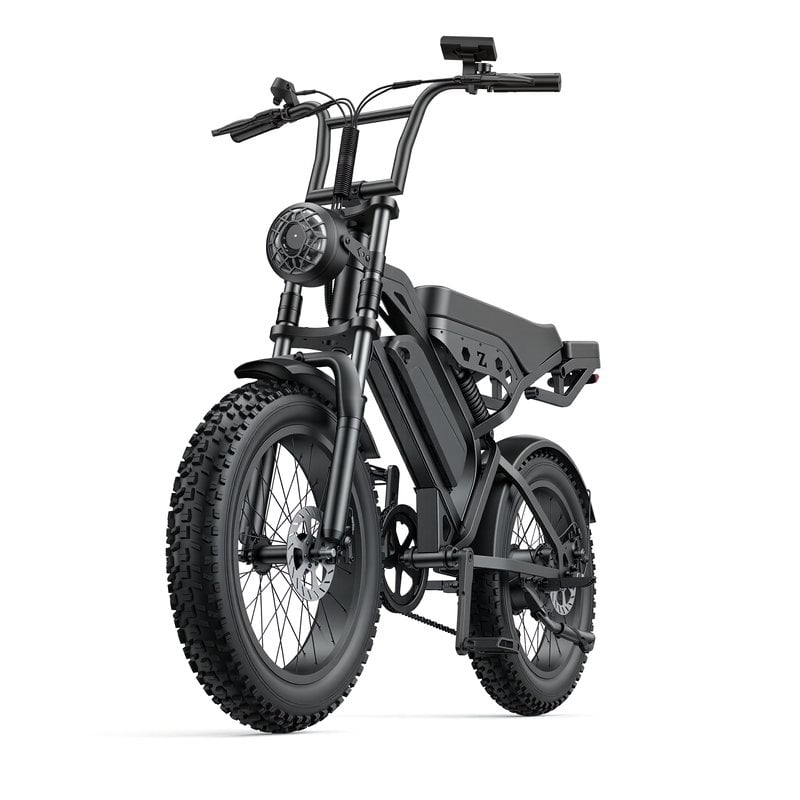
A reliable fat tire ebike supplier understands that firmware customization is not a luxury but a necessity in competitive markets. Custom firmware enables you to adjust motor power delivery, set specific speed limits for different markets, customize the display language and layout, implement proprietary safety protocols, and integrate branding elements into the rider experience. When you work with an experienced ebike supplier, the firmware customization process becomes a collaborative effort that results in products uniquely suited to your business model.
Before contacting your fat tire ebike supplier, you need to determine exactly which aspects of firmware require customization. Motor power output, assist levels, speed governors, battery management systems, display functions, and safety features are all controllable through firmware. For electric bike wholesale operations, clarifying whether you need market-specific speed restrictions, branded display interfaces, or enhanced battery diagnostics will significantly streamline your request. Document these requirements clearly before initiating contact with your ebike supplier, as vague requests often lead to misunderstandings and delayed timelines.
Different regions impose specific regulations on electric bikes, making regulatory compliance a primary driver of custom firmware requests. European markets typically require strict speed limitations and power output restrictions that differ from North American standards. When working with an ebike supplier for electric bike wholesale distribution, your firmware specifications must align with local regulations to ensure your products pass certification and avoid costly recalls. Custom firmware from your fat tire ebike supplier can automatically enforce regional compliance parameters, protecting your business from legal exposure while maintaining consistency across your fleet.
The firmware customization request process begins with comprehensive technical documentation. Create a detailed specification sheet that outlines each firmware modification, the reason for the change, expected user impact, and any performance thresholds. Include information about your target market, intended use cases, and any branding or interface preferences. Professional fat tire ebike suppliers appreciate receiving structured documentation because it reduces back-and-forth communication and accelerates the development timeline. Include diagrams, mockups, or written descriptions of how you want the display to function, how assist modes should be labeled, and what visual feedback riders should receive during operation.
Once you have prepared your specifications, establish clear communication protocols with your ebike supplier. Request a dedicated technical contact, specify communication frequency, and define milestone dates for prototype testing, revision cycles, and production readiness. A professional ebike supplier will provide a project roadmap that outlines development phases, testing procedures, and quality assurance checkpoints. Ensure your fat tire ebike supplier understands your production timeline and volume requirements, as these factors influence their ability to meet your deadline. Regular check-ins prevent misalignment and allow both parties to address technical challenges before they impact final delivery.
After your ebike supplier develops the initial firmware version, thorough testing is essential before production begins. Request prototype units loaded with the custom firmware and conduct real-world testing across various conditions and use scenarios. Test acceleration profiles, braking response, display accuracy, battery management, and any proprietary features you requested. Document any issues, unexpected behaviors, or areas requiring improvement, then communicate findings back to your fat tire ebike supplier with specific details about what occurred, when it occurred, and whether the issue is consistent or intermittent. Most suppliers anticipate multiple revision cycles, so budget time for iterative improvements rather than expecting perfection on the first attempt.
Before mass production begins, establish quality assurance protocols with your ebike supplier to ensure consistency across all units. Request sample units from early production batches and verify that firmware functionality matches your tested prototype. Confirm that your fat tire ebike supplier has documented the firmware specifications, stored backups, and established procedures for firmware updates or emergency patches. Clarify whether firmware updates will be customer-facing or handled exclusively through your distribution channels. Define support responsibilities, specifying which party handles customer issues related to firmware behavior versus hardware performance. A professional electric bike wholesale partner will provide documentation packages that enable your team to provide informed customer support.
Custom firmware requires ongoing support beyond initial deployment. Discuss with your fat tire ebike supplier how firmware updates will be delivered, whether customers can update their own units or if updates require professional service, and what security measures protect against unauthorized firmware modifications. As your business grows and customer feedback arrives, you may identify necessary improvements or performance adjustments. A dependable ebike supplier maintains firmware documentation and development tools to support future modifications without requiring complete redevelopment. Clarify update costs, turnaround times, and whether your supplier supports over-the-air updates or requires physical device connection for firmware installation.
As electric bike wholesale volumes increase, maintaining consistent firmware performance becomes more challenging. Your fat tire ebike supplier should have scalable manufacturing processes that ensure firmware integrity remains constant across thousands of units. Request documentation of their version control procedures, quality testing processes, and firmware deployment verification methods. Confirm that your supplier can handle surge orders without compromising firmware stability or introducing new bugs into production units. Establishing these protocols early prevents costly recalls and customer satisfaction issues when volumes expand significantly.
Most fat tire ebike suppliers require 4 to 8 weeks for basic firmware customization, depending on complexity and revision cycles. Simple modifications like speed adjustments or display label changes may take 2 to 3 weeks, while comprehensive firmware rewrites involving new safety protocols or advanced motor controls can extend to 10 to 12 weeks. Timeline depends on your supplier's current workload, your detailed specifications clarity, and how quickly you can provide feedback during prototype testing. Plan accordingly and discuss realistic deadlines with your ebike supplier before beginning the project.
Properly developed custom firmware from an experienced fat tire ebike supplier should not negatively impact warranty or reliability when implemented correctly. However, poorly designed firmware modifications can cause motor stress, battery issues, or safety problems if they push components beyond their rated specifications. This is why working with a reputable ebike supplier who understands electrical systems and regulatory compliance is crucial. Professional suppliers conduct extensive testing to ensure custom firmware operates safely within design parameters and maintains manufacturer warranties for electric bike wholesale customers.
Your fat tire ebike supplier can implement firmware encryption, secure bootloaders, and digital rights management features to prevent unauthorized copying. Discuss intellectual property protection during your initial discussions with your ebike supplier, as some firms specialize in securing proprietary code. Additionally, establish non-disclosure agreements with your supplier and limit firmware access to authorized service centers. Legal protection through patents may also be viable depending on your firmware's innovative aspects, though this requires consultation with intellectual property specialists separate from your ebike supplier relationship.
2026/08/03
Fix time zones, language gaps, and unclear protocols—boost speed, cut costs, and scale confidently.
2026/08/03
Avoid liability & import bans: Learn IEC 62619, UN 38.3, and UL 2271—plus how to verify real compliance (not fakes).
2026/08/03
Learn precise air pressure, rebound & compression tuning for optimal suspension performance. Get pro-level setup tips now.
2026/08/03
Discover how voltage drop saps performance—and proven fixes to restore responsiveness, range, and battery life. Read now.
2026/08/03
Discover data-backed protocols, smart infrastructure & operational fixes. Optimize now.
2026/08/03
How payload cuts 48V cargo ebike range by 15–50%+ — backed by real-world degradation curves, motor load science & fleet optimization strategies.
Comprehensive warranty, fast parts shipping, remote diagnostics and local dealer training


