 EN
EN
STEP 1
Full vehicle warranty for 2 years
2026/08/25
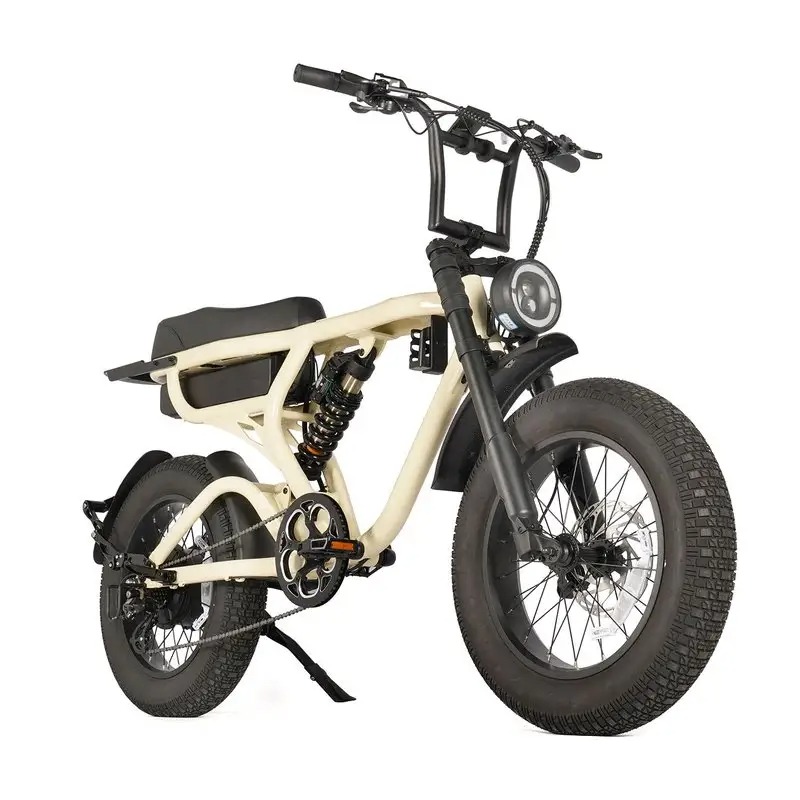
When sourcing frames or components from custom electric bike builders, evaluating welding sample quality is essential to ensuring durability, safety, and customer satisfaction. The welding process directly impacts frame strength, longevity, and rider safety, making thorough inspection non-negotiable. Whether you are a distributor, retailer, or assembly operation partnering with an ebike manufacturer, understanding how to assess welding samples separates reliable partners from inconsistent ones.
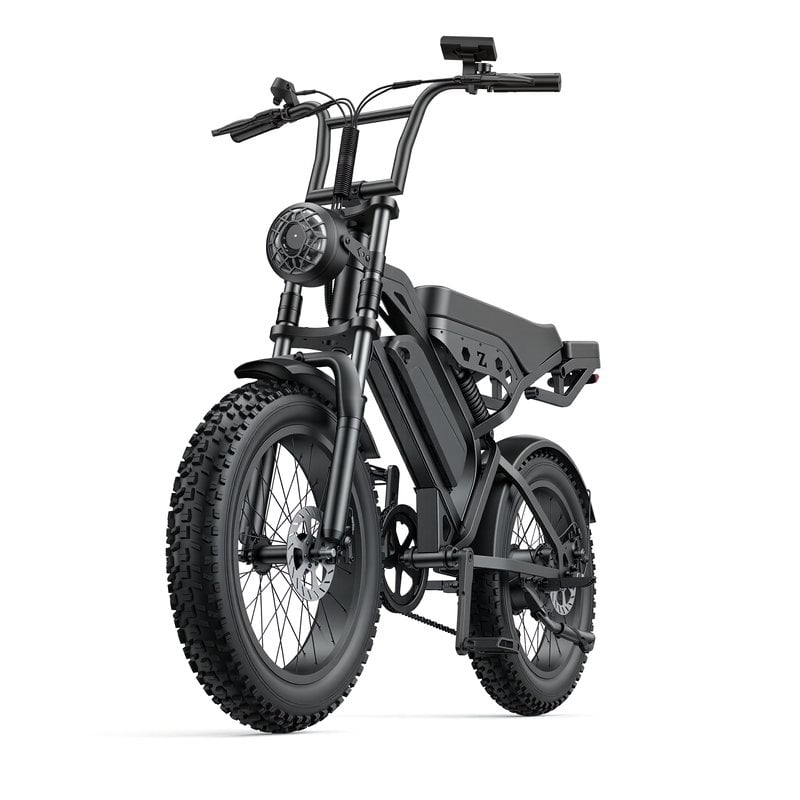
The welding quality of an ebike factory directly determines whether a custom ebike can withstand real-world riding conditions, mechanical stress, and environmental factors. Poor welding creates invisible weaknesses that lead to frame failures, rider injuries, and costly liability. A systematic inspection methodology protects your brand reputation and ensures every ebike reaching your customers meets structural integrity standards. This guide walks through the practical steps for reviewing welding samples from custom ebike builders with confidence and precision.
Electric bikes experience unique stresses compared to traditional bicycles because of motor weight, battery mass, and higher acceleration forces. Every weld joint on a frame bears concentrated stress during climbing, acceleration, and braking. An ebike manufacturer must understand these load paths and position welds accordingly. Custom ebike builders who skip proper welding procedures or rush production timelines create frames prone to micro-fractures that eventually fail during use.
When reviewing samples from an ebike factory, you are checking whether they understand your riding conditions, weight ratings, and durability expectations. A reputable custom ebike manufacturer will welcome rigorous inspection because consistent quality is their competitive advantage. Weak welding becomes the liability anchor that damages brand trust and customer retention far more than the cost of rework or sample rejection.
Before inspecting any samples, define your welding acceptance criteria clearly with the ebike manufacturer. Specify the alloy type, wall thickness, penetration depth, and visual appearance standards required. Different frame styles demand different welding approaches—chromoly steel requires different techniques than aluminum or titanium. Custom ebike builders who ask clarifying questions about your specifications are demonstrating expertise and commitment to your requirements.
Document your standards in writing and share them with the manufacturer before production begins. This prevents misalignment and gives the custom ebike builders clear targets to meet. Request that they provide sample batches at multiple production stages so you can identify any drift from standards early rather than discovering problems in full-scale production.
Begin by examining weld beads under bright light, looking for consistent ripple patterns, even color, and uniform bead width. High-quality welds from an ebike manufacturer display smooth, predictable patterns without irregular bumps, spatter buildup, or discoloration. Spatter—metal droplets outside the weld zone—indicates poor arc control and suggests the welder lacks experience or the equipment needs maintenance. Discoloration ranging from light straw to dark blue signals improper heat control, which weakens the heat-affected zone.
Examine joint alignment carefully. Frame tubes should meet with consistent gaps and proper alignment. An ebike factory using fixture tables and trained welders produces repeatable joint geometry. Hand-aligned welds or poorly controlled positioning from less rigorous custom ebike builders often show visible misalignment or uneven gaps that compromise penetration. Pitting or porosity—visible surface holes or divots—indicates gas entrapment during welding and signals internal defects likely present below the surface.
Request bend tests and tensile tests on samples from the ebike manufacturer. A bend test involves clamping the welded joint and bending it in a press until failure, revealing the ductility and strength of the bond. Quality welds bend significantly before cracking; brittle failures indicate weak penetration or material defects. Custom ebike builders confident in their work readily provide test results because certified testing proves compliance with standards and protects both parties.
Tensile testing measures the force required to break a welded sample lengthwise. The results should equal or exceed the base material strength. If weld joints fail before the parent material yields, the ebike manufacturer is applying inadequate technique, wrong filler material, or insufficient heat input. Request test certificates and compare results against material specifications and your performance requirements. Reputable custom ebike builders conduct testing in-house or through accredited labs and include results with sample submissions.
Visual inspection alone cannot detect internal defects like incomplete penetration, lack of fusion, or internal porosity. Radiographic testing or ultrasonic inspection can reveal these hidden flaws. While not required for every production batch, request X-ray or ultrasonic testing on sample parts from a new ebike manufacturer or when you change suppliers. This investment upfront prevents discovering major manufacturing defects in finished goods.
Dye penetrant testing offers a cost-effective alternative for surface-connected defects. The ebike factory applies a colored dye to the weld, allows it to seep into any surface cracks, then wipes away excess dye and applies developer powder. Defects show up as colored traces on the white developer background. Ask custom ebike builders whether they employ dye penetrant checks during production as an internal quality gate. Manufacturers using these methods demonstrate seriousness about quality control.
Once you approve welding samples from the ebike manufacturer, establish a monitoring schedule for ongoing compliance. The best custom ebike builders follow documented procedures and train all welders to consistent standards. Request production records showing which welder produced each frame lot and when fixtures were last calibrated. This traceability lets you correlate any field failures back to specific production batches or equipment issues within the ebike factory.
Schedule periodic re-qualification checks every three to six months even after sample approval. New staff onboarding at the ebike manufacturer changes output quality. Equipment drift, electrode degradation, and tooling wear affect consistency. An ebike factory committed to quality welcomes these checkpoints and often suggests them proactively. If a custom ebike manufacturer resists ongoing inspection or argues that initial approval makes future checks unnecessary, that resistance is a red flag about their quality mindset.
If welding failures occur in field-deployed ebikes, document the failure mode immediately and contact your ebike manufacturer with details. Communicate whether the failure happened near a specific weld type, what loading conditions preceded failure, and the appearance of the broken surfaces. Root cause analysis by the ebike factory should investigate whether the failure stems from design issues, material defects, welding technique, or misuse by the rider.
Work with custom ebike builders to implement corrective actions—revised welding procedures, equipment upgrades, welder retraining, or design reinforcement. Track whether corrective actions address the root cause and prevent recurrence. A responsive custom ebike manufacturer treats failures as opportunities to strengthen processes. Manufacturers who become defensive, blame customers, or resist investigation are poor long-term partners for quality-critical components.
The most frequent defects include incomplete penetration where the weld fails to bond fully through the joint, porosity caused by gas entrapment, lack of fusion where filler metal fails to bond to base material edges, and excessive spatter indicating poor arc control. Visual inspection catches obvious issues like discoloration or surface roughness, but hidden defects require testing methods like bend tests, X-ray inspection, or ultrasonic scanning to confirm internal integrity. Custom ebike builders using certified procedures and proper equipment minimize these defects, so comparing suppliers on defect rates and testing rigor is essential.
Initial sample approval should involve comprehensive testing including visual inspection, bend tests, tensile tests, and possibly nondestructive testing before any production orders. After approval, re-qualify samples every three to six months or whenever the ebike factory introduces new equipment, staff, or procedures. Increase inspection frequency if field failures occur or if production volume spikes. An ebike manufacturer managing quality well welcomes regular checks and often conducts in-house testing between your inspections. Custom ebike builders with mature quality systems can move to periodic sampling rather than 100% part inspection as trust develops.
Request written welding procedures specifying alloy, heat input, electrode type, and technique parameters for each weld type. Ask for welder certification records showing who performed the work and when certifications expire. Obtain test reports including tensile and bend test results, radiographic or ultrasonic inspection results if performed, and dye penetrant inspection records. Production records should identify the welder for each batch, equipment used, environmental conditions during welding, and any rework that occurred. An ebike manufacturer providing complete documentation demonstrates accountability and process discipline that protects your brand reputation and rider safety.
2026/08/03
Fix time zones, language gaps, and unclear protocols—boost speed, cut costs, and scale confidently.
2026/08/03
Avoid liability & import bans: Learn IEC 62619, UN 38.3, and UL 2271—plus how to verify real compliance (not fakes).
2026/08/03
Learn precise air pressure, rebound & compression tuning for optimal suspension performance. Get pro-level setup tips now.
2026/08/03
Discover how voltage drop saps performance—and proven fixes to restore responsiveness, range, and battery life. Read now.
2026/08/03
Discover data-backed protocols, smart infrastructure & operational fixes. Optimize now.
2026/08/03
How payload cuts 48V cargo ebike range by 15–50%+ — backed by real-world degradation curves, motor load science & fleet optimization strategies.
Comprehensive warranty, fast parts shipping, remote diagnostics and local dealer training


