 EN
EN
STEP 1
Full vehicle warranty for 2 years
2026/08/21
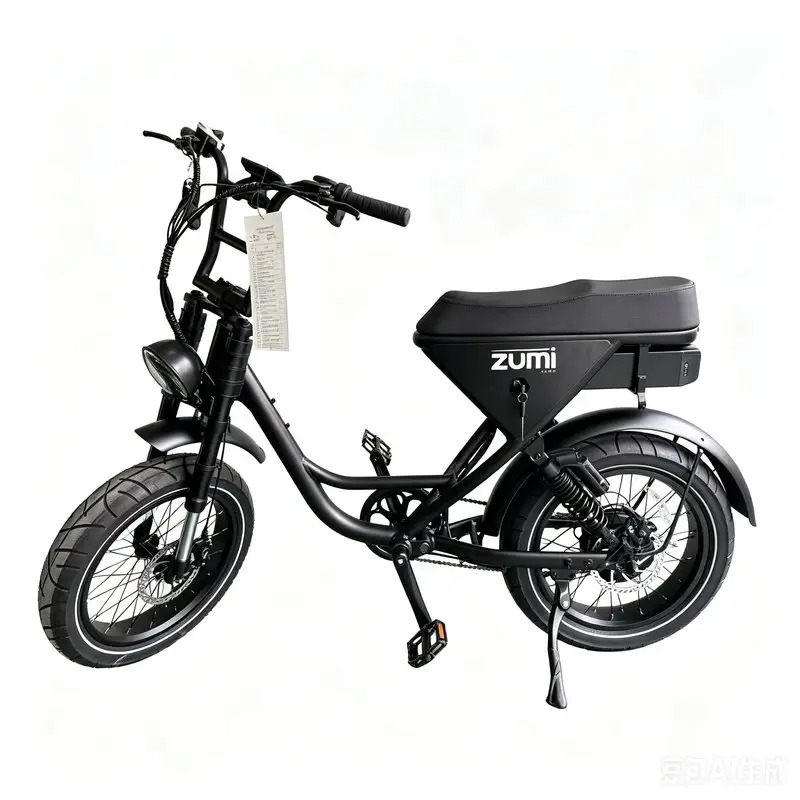
Selecting the right frame material is one of the most critical decisions when building custom made e bikes. The frame serves as the foundation for the entire vehicle, determining its durability, weight distribution, handling characteristics, and overall performance on various terrains. Whether you are an ebike manufacturer developing a new line or an individual builder crafting a custom ebike, understanding frame material properties is essential for achieving the performance goals your riders expect.
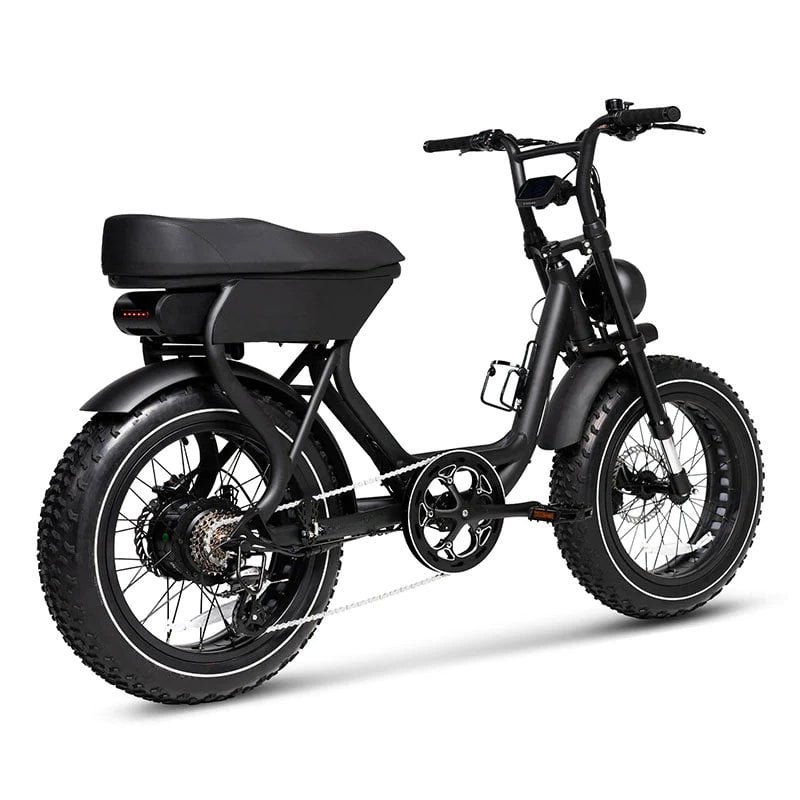
The choice of frame material directly impacts power transfer efficiency, rider comfort, and component longevity. An ebike builder must balance multiple competing demands: structural integrity under motor loads, minimal weight to preserve battery efficiency, corrosion resistance, cost-effectiveness, and repairability in the field. This guide explores the primary frame materials used by professional ebike manufacturers and independent builders to deliver high-performance custom made e bikes that meet diverse application requirements.
Steel remains the traditional choice for custom made e bikes requiring exceptional durability and repairability. Steel frames excel at absorbing shocks and vibrations, making them ideal for rough terrain and heavy-duty applications where impact tolerance matters. An ebike builder working with steel gains inherent safety: if the frame sustains damage, it can often be repaired through welding rather than requiring full replacement, a significant advantage in remote areas or regions with limited service infrastructure.
The primary tradeoff with steel is weight. Steel frames typically weigh 30 to 40 percent more than equivalent aluminum designs, requiring larger battery capacity to achieve comparable range. However, for a custom ebike designed for sustained hill climbing, heavy cargo transport, or multi-day touring, the robust power transfer and damping characteristics of steel justify the weight penalty. Many ebike manufacturers specify steel frames for models targeting industrial or commercial delivery use cases where reliability outweighs weight concerns.
Aluminum alloys represent the most popular material choice for modern custom ebike designs targeting consumer markets. High-grade aluminum (typically 6061 or 7005 series) offers exceptional strength-to-weight ratios, enabling builders to create lightweight frames that maximize motor efficiency and extend battery range without sacrificing stiffness. An ebike builder using aluminum can construct a frame that feels responsive and agile, delivering direct power transfer and quick handling characteristics that enhance the riding experience on mixed terrain.
Aluminum naturally forms an oxide layer that resists corrosion, making it suitable for coastal or humid environments where steel would require regular maintenance. However, aluminum frames demand more careful handling during assembly and require protective coatings or anodizing to resist galvanic corrosion from dissimilar metals like steel components. An ebike manufacturer must specify compatible fasteners, grease formulations, and assembly protocols to ensure long-term durability of aluminum custom made e bikes in demanding use conditions.
Carbon fiber composite frames represent the pinnacle of performance engineering for high-end custom ebike applications. A skilled ebike builder can engineer carbon frames with strength-to-weight ratios exceeding both steel and aluminum, while selectively tuning stiffness and compliance in specific zones to optimize ride quality and efficiency. Carbon fiber absorbs vibration naturally, reducing fatigue on long rides and allowing for more elegant frame geometries that would be structurally impossible with metallic materials.
The tradeoff is substantial cost and specialization required in production. An ebike manufacturer producing high-volume carbon frames requires advanced composite layup expertise, autoclave curing facilities, and rigorous quality control processes. For premium custom ebike builds targeting serious enthusiasts or professional applications, carbon fiber justifies the investment through unmatched performance metrics. However, repair complexity makes carbon frames less suitable for models expected to handle abuse or operate in regions lacking specialized repair services.
Progressive ebike manufacturers are experimenting with titanium alloys and hybrid frame constructions that combine materials strategically. Titanium offers exceptional fatigue resistance and vibration damping alongside formidable strength, though extreme cost limits adoption to custom ebike builders serving ultra-premium market segments. Some modern designs incorporate carbon fiber top tubes and seat stays with aluminum or steel downtube sections, enabling custom ebike designs that balance performance, cost, and serviceability across different use cases and rider budgets.
An ebike manufacturer evaluating material selection must weigh material properties against production scalability and supply chain reliability. Aluminum offers the best combination of performance, cost, and manufacturing accessibility for most commercial custom ebike applications. Steel remains optimal where durability and repairability are paramount. Carbon fiber serves premium segments where performance justifies specialized production infrastructure. The most successful ebike builders recognize these tradeoffs and design product lines that match material capabilities to target market needs.
Aluminum alloys provide the optimal balance for most custom ebike applications, offering 30 to 40 percent weight reduction compared to steel while maintaining excellent durability and impact resistance. An ebike builder can achieve responsive handling and efficient power transfer with aluminum while keeping costs reasonable for mid-range consumer models. Steel excels for applications prioritizing extreme durability and repairability, while carbon fiber dominates premium segments where maximum performance justifies higher cost.
The terrain and use case drive material selection for custom ebike designs. Mountain and trail models benefit from carbon fiber or premium aluminum for compliance and weight control. Urban commuter custom ebikes often use aluminum for affordability and low-maintenance characteristics. Heavy-duty cargo or industrial custom made e bikes typically specify steel for impact tolerance and load capacity. An experienced ebike builder matches material properties directly to the performance demands of the intended riding environment.
Yes, frame material significantly impacts total cost of ownership. Steel frames require periodic inspection for corrosion but accept simple field repairs through welding. Aluminum demands professional care and compatible component selection but provides long service life with minimal maintenance. Carbon fiber requires specialized repair services but typically exhibits excellent durability if protected from impact damage. An ebike manufacturer designing for specific markets must account for regional service infrastructure and buyer expectations regarding maintenance burden when selecting frame materials.
2026/08/03
Fix time zones, language gaps, and unclear protocols—boost speed, cut costs, and scale confidently.
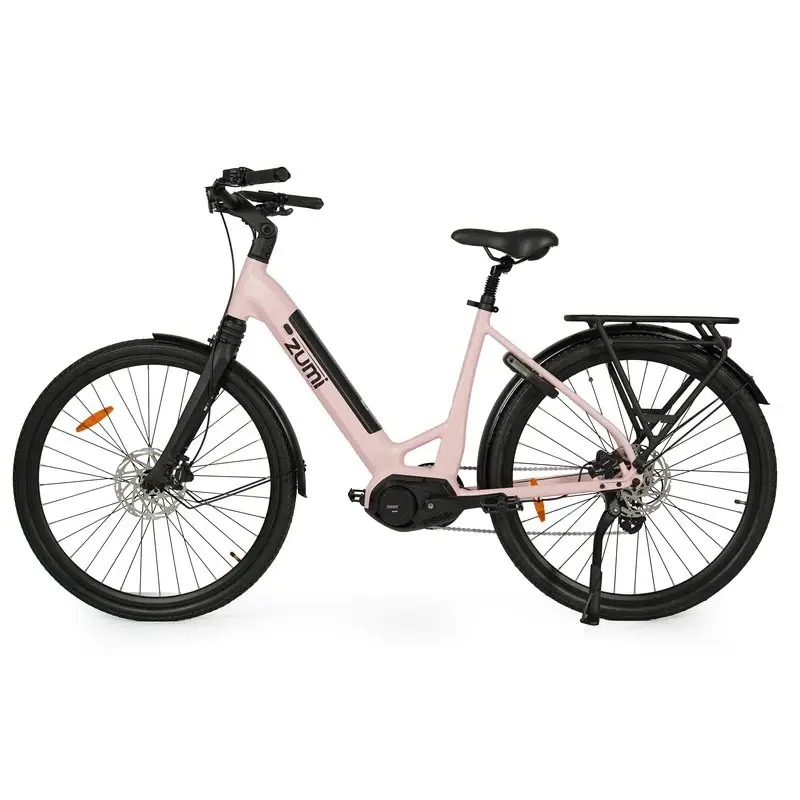
2026/08/03
Avoid liability & import bans: Learn IEC 62619, UN 38.3, and UL 2271—plus how to verify real compliance (not fakes).
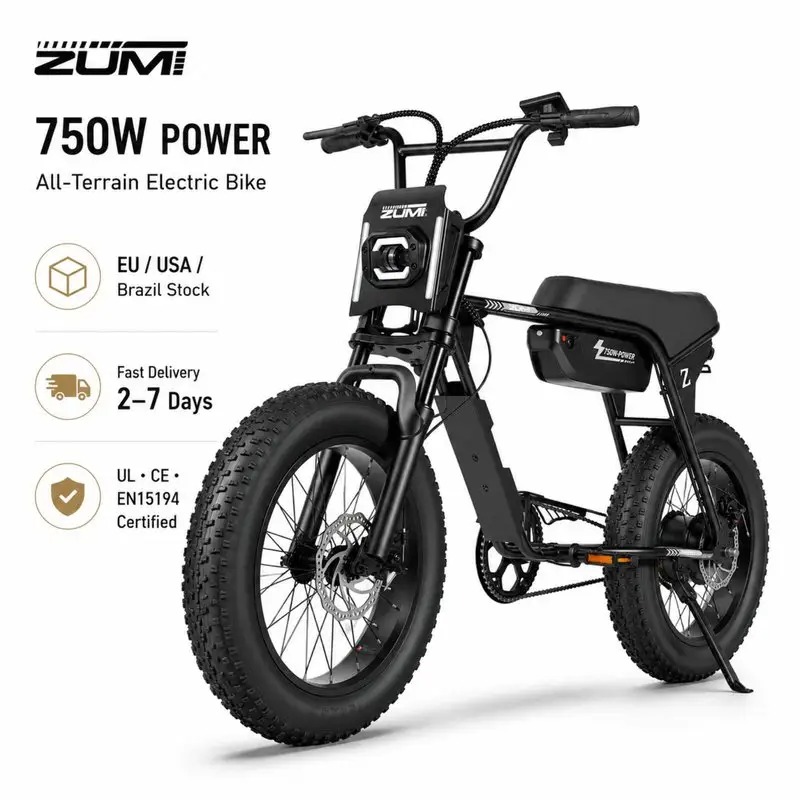
2026/08/03
Learn precise air pressure, rebound & compression tuning for optimal suspension performance. Get pro-level setup tips now.
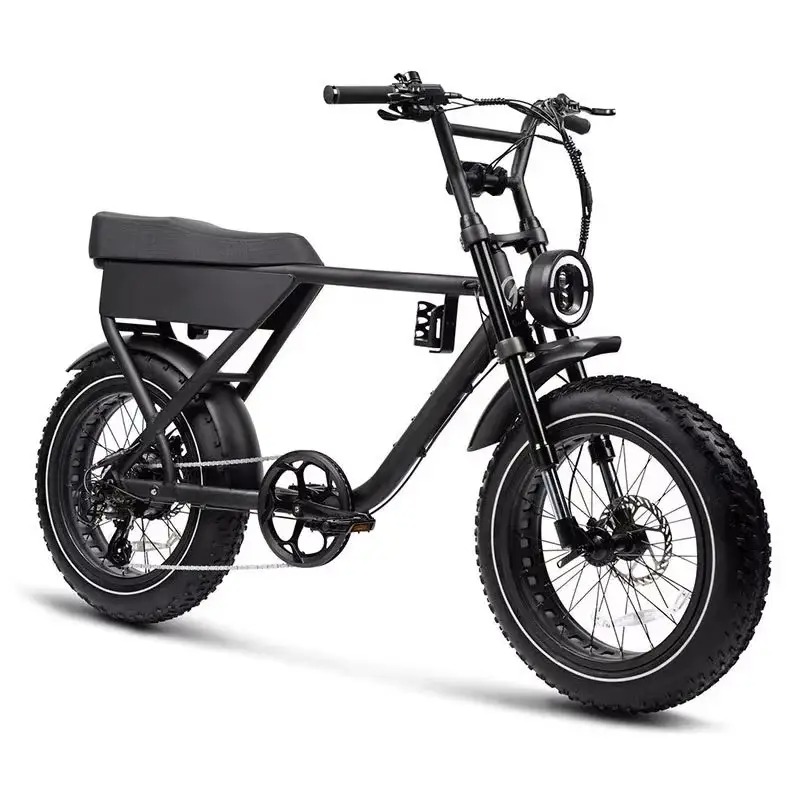
2026/08/03
Discover how voltage drop saps performance—and proven fixes to restore responsiveness, range, and battery life. Read now.
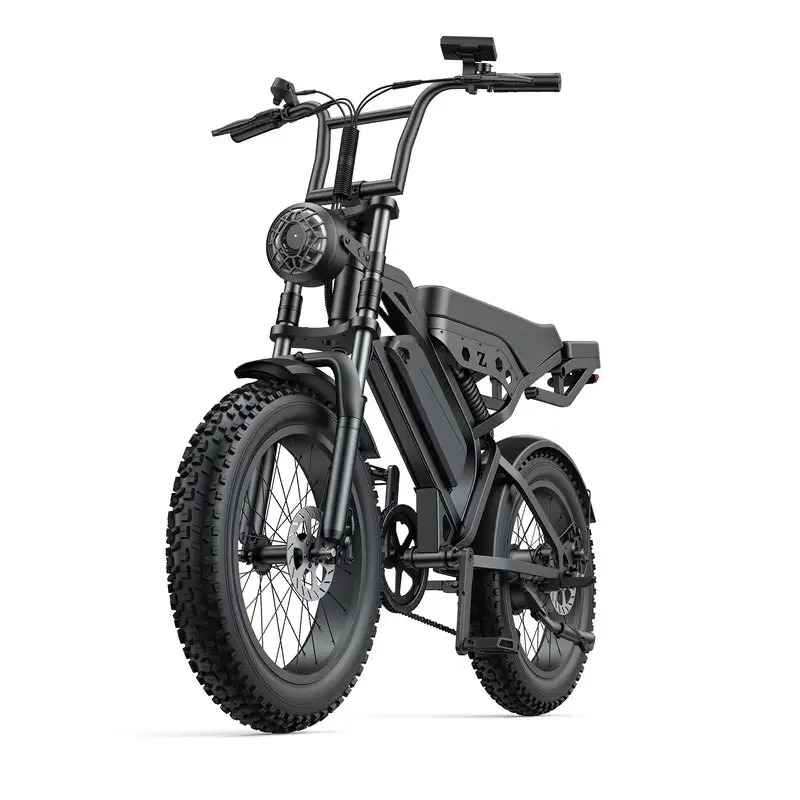
2026/08/03
Discover data-backed protocols, smart infrastructure & operational fixes. Optimize now.
2026/08/03
How payload cuts 48V cargo ebike range by 15–50%+ — backed by real-world degradation curves, motor load science & fleet optimization strategies.
Comprehensive warranty, fast parts shipping, remote diagnostics and local dealer training


