 EN
EN
STEP 1
Full vehicle warranty for 2 years
2026/08/05
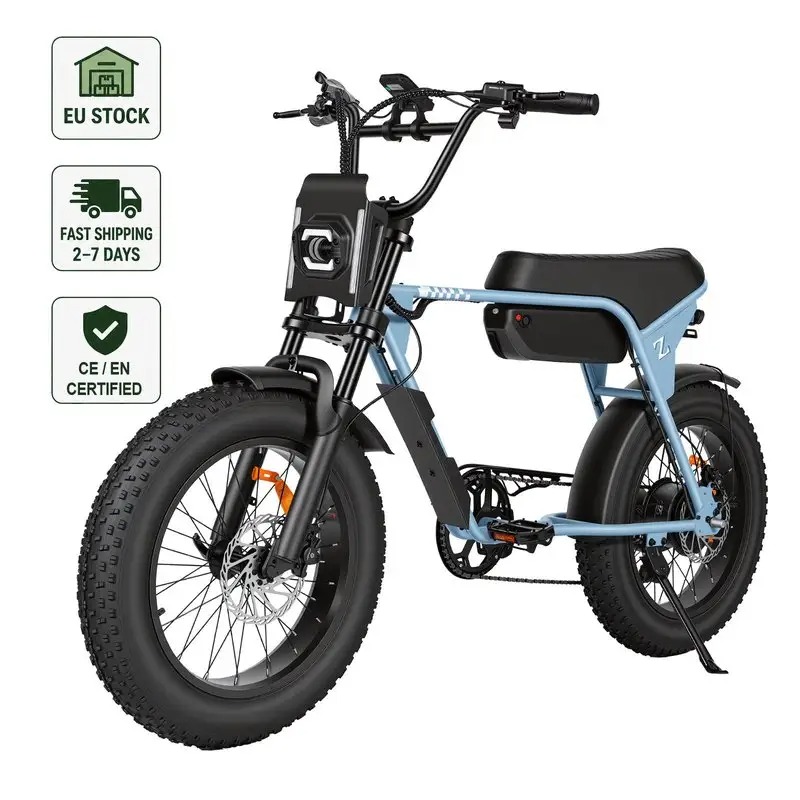
Specifying battery cell brands to electric bike makers requires a strategic approach that balances performance requirements, cost constraints, and supply chain reliability. Battery cells represent one of the most critical components in electric bike design, directly affecting range, charging time, lifespan, and overall user satisfaction. When working with an ebike manufacturer or ebike factory, your ability to specify the right battery cell brand can make the difference between a competitive product and one that falls short in the market.
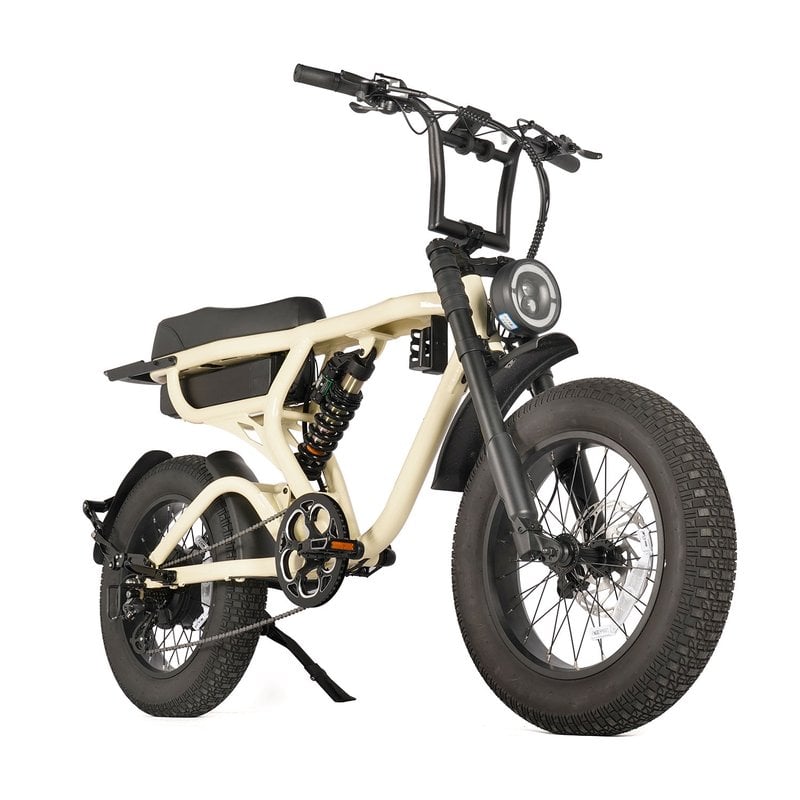
Battery specifications carry weight in procurement discussions with electric bike wholesale suppliers and contract manufacturers. The conversation begins not with brand preferences alone, but with a clear understanding of your performance targets, budget parameters, and long-term production volume commitments. This comprehensive guide walks you through the process of evaluating, negotiating, and finalizing battery cell brand specifications with your chosen ebike factory partner.
Energy density determines how much power a battery can store relative to its physical size and weight. When speaking with an ebike manufacturer, express your range requirements in miles or kilometers per charge, then work backward to calculate the watt-hour capacity needed. Higher energy density means lighter bikes with greater range, a combination that drives competitive advantage. Most electric bike wholesale channels require cells rated between 250 and 350 watt-hours per kilogram to meet modern consumer expectations.
The ebike factory will use your range target to recommend appropriate cell formats and configurations. Standard 18650 cylindrical cells, pouch cells, and prismatic cells each offer different energy density profiles. Your ebike manufacturer should provide transparency about which formats they source most efficiently and how cell brand choice affects final assembly compatibility and cost.
Battery cycle life—measured in charging and discharging cycles before capacity degrades to 80 percent of original capacity—directly impacts customer satisfaction and warranty costs. Specify your expected cycle life requirement to the ebike factory during the initial procurement phase. Premium battery cell brands typically guarantee 1000 to 3000 cycles depending on chemistry and operating conditions, while budget alternatives may offer only 500 to 800 cycles.
An electric bike maker must factor cycle life into warranty policy design. Longer cycle life means fewer warranty claims and stronger customer retention. Discuss with your ebike manufacturer partner how different cell brands affect warranty duration and replacement costs. This conversation often reveals which battery cell specifications align with your long-term profitability model.
Evaluating battery cell brands requires examining manufacturing reputation, certification standards, and supply chain stability. Leading cell manufacturers typically hold ISO 9001, UL, and international safety certifications. When specifying cells to your ebike manufacturer, request documentation of third-party testing results and certificate authenticity. The ebike factory should provide traceability documentation linking specific battery charges to manufacturing date codes and quality test results.
Supply chain security matters significantly in battery sourcing. Verify that your preferred cell brand maintains consistent production capacity and has established distribution through reliable electric bike wholesale channels. Disruptions in cell availability can halt entire production runs, making supply stability a critical specification parameter when negotiating with your ebike manufacturer.
Battery cell specifications must align with the battery management system, charging architecture, and mechanical form factor used by the ebike factory. Standard specifications include nominal voltage, rated capacity in milliamp-hours, discharge rate capability, temperature operating range, and physical dimensions. An experienced ebike manufacturer maintains validated specifications for compatible cell brands, reducing integration risk and accelerating time-to-market.
Request that the ebike factory provide a qualified parts list identifying which battery cell brands they have tested and certified for use in your product line. This document becomes your specification baseline during procurement discussions. When working with electric bike wholesale partners or contract manufacturers, this parts list ensures consistency across production batches and facilities.
Begin negotiations with your ebike manufacturer by defining non-negotiable performance benchmarks and parameters where flexibility exists. Specify minimum cycle life, energy density, charge time, and safety certifications as hard requirements. Communicate your anticipated production volume so the ebike factory understands the commercial opportunity and can provide realistic pricing and lead-time commitments.
Volume commitment matters significantly when an electric bike wholesale supplier or ebike manufacturer negotiates battery pricing with cell suppliers. Higher volumes typically unlock preferential pricing and faster delivery schedules. Discuss volume forecasts honestly with your ebike factory partner, as this transparency enables them to secure cell brand allocation from their suppliers and pass savings to your production program.
Battery cell costs typically represent 25 to 40 percent of total electric bike manufacturing expenses, making this a high-impact specification decision. Request that your ebike manufacturer provide cost-performance comparisons across approved battery cell brands. This analysis should include unit cost, warranty and reliability implications, and total cost of ownership including potential warranty claims and customer satisfaction impact.
Negotiate pricing with transparency about your competitive context and margin requirements. A reputable ebike factory will engage in partnership discussions around cost reduction through design optimization, volume commitments, and extended payment terms rather than simply cutting battery quality. These collaborative negotiations often yield better long-term outcomes than price-only discussions with electric bike wholesale suppliers focused solely on lowest unit cost.
Leading ebike factory partners typically specify cells from manufacturers known for consistent quality, safety certifications, and reliable supply chains. Most electric bike makers maintain approved suppliers lists including options at different price and performance tiers. Request your ebike manufacturer's qualified parts list to see which battery cell brands they have tested and certified for production use.
Request from your ebike factory documentation including UL certification, IEC 61960 testing results, and third-party safety assessments. Verify that test reports include specific model numbers and batch date codes matching your procurement order. Ask the electric bike wholesale supplier or ebike manufacturer to provide original certificates directly from the testing laboratory rather than relying on distributor claims.
Changing battery cell brands may require modifications to the battery management system, charging circuitry, or mechanical form factor depending on differences in nominal voltage, discharge characteristics, and physical dimensions. Discuss compatibility options with your ebike manufacturer before committing to production. Work with your ebike factory early to establish contingency suppliers for approved battery cell brands, minimizing production delays if your primary supplier experiences disruptions in the supply chain.
2026/08/03
Fix time zones, language gaps, and unclear protocols—boost speed, cut costs, and scale confidently.
2026/08/03
Avoid liability & import bans: Learn IEC 62619, UN 38.3, and UL 2271—plus how to verify real compliance (not fakes).
2026/08/03
Learn precise air pressure, rebound & compression tuning for optimal suspension performance. Get pro-level setup tips now.
2026/08/03
Discover how voltage drop saps performance—and proven fixes to restore responsiveness, range, and battery life. Read now.
2026/08/03
Discover data-backed protocols, smart infrastructure & operational fixes. Optimize now.
2026/08/03
How payload cuts 48V cargo ebike range by 15–50%+ — backed by real-world degradation curves, motor load science & fleet optimization strategies.
Comprehensive warranty, fast parts shipping, remote diagnostics and local dealer training


