 EN
EN
STEP 1
Full vehicle warranty for 2 years
2026/08/28
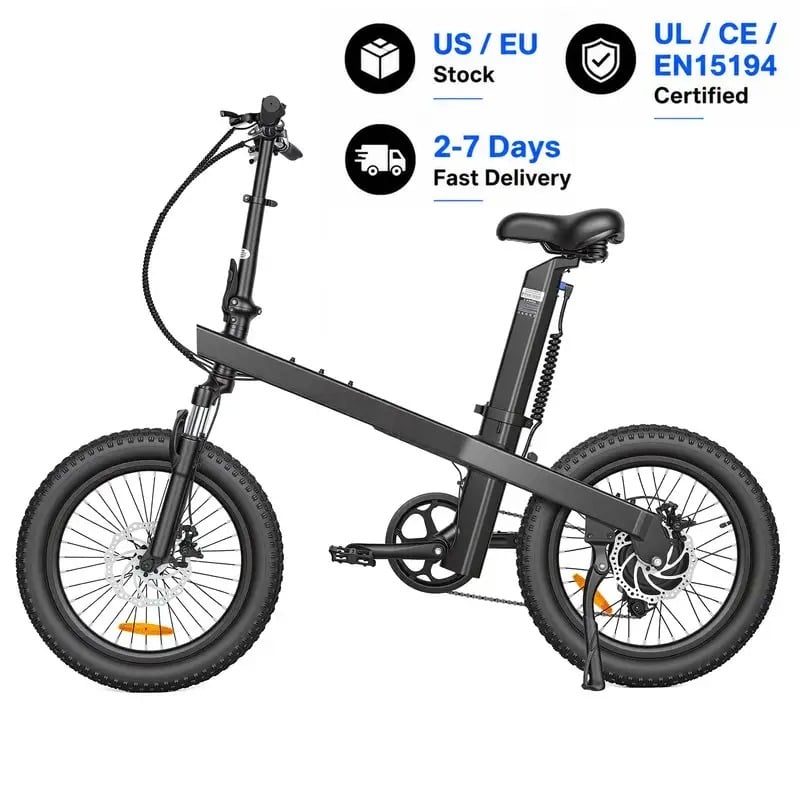
Selecting the right fat tire electric bike supplier requires far more than checking price tags and delivery timelines. Battery specifications represent the technical foundation of every electric bike's performance, safety, and longevity. When you partner with an ebike supplier, establishing clear battery standards upfront protects your business from inconsistent quality, compliance failures, and customer dissatisfaction. The battery is not simply a component—it is the heart of the machine, and specifications must be treated with precision and rigor.
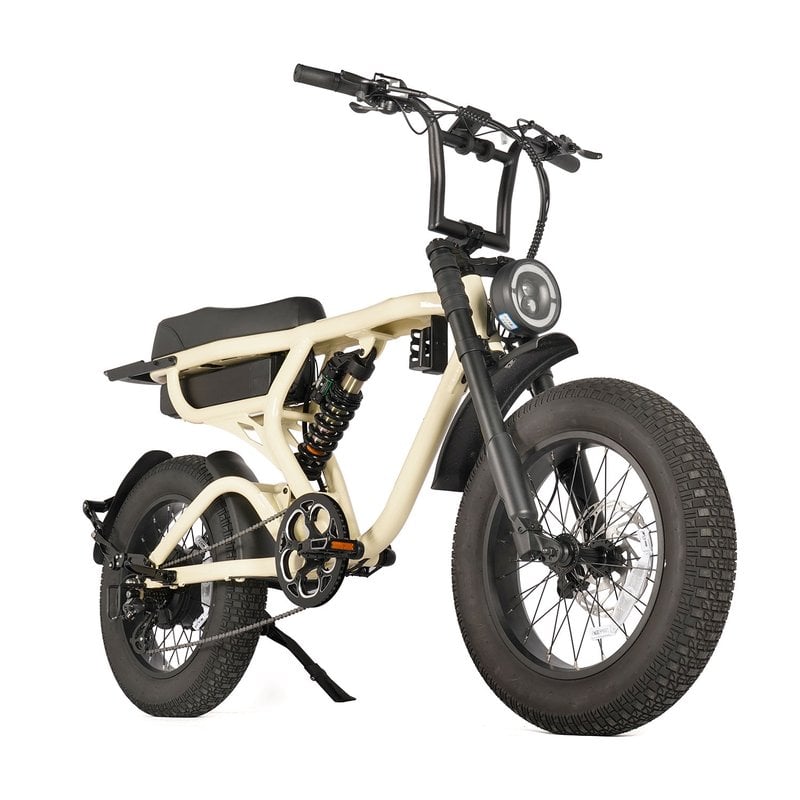
When sourcing electric bike wholesale units, you cannot rely on verbal agreements or generic datasheets. Your fat tire ebike supplier must provide documented battery specifications that align with your brand promises, regulatory obligations, and customer expectations. This guide walks you through the critical battery standards you must specify, how to communicate them clearly, and how to verify compliance before accepting inventory.
Battery voltage and capacity directly determine range, power delivery, and charging speed. Most fat tire ebikes operate at 36V, 48V, or 52V systems, with capacity measured in amp-hours (Ah). A 48V 20Ah battery delivers more range and consistent power than a 36V 10Ah system, but also adds weight and cost. When communicating with your ebike supplier, specify the exact voltage and capacity your models require. Document whether your fat tire electric bike supplier must provide 48V 20Ah, 52V 25Ah, or other configurations. Voltage consistency is critical because mismatched systems can damage motors, controllers, and chargers.
Lithium-ion batteries are the standard for electric bike wholesale operations, but the specific chemistry matters. Lithium iron phosphate (LiFePO4) offers superior cycle life and thermal stability compared to NCM chemistry, though at slightly higher cost. Your fat tire ebike supplier must provide batteries with UL 2271 certification (North America), CE marking (Europe), or equivalent regional safety approvals. Specify that all battery packs include BMS (Battery Management System) protection against overcharge, overdischarge, and short circuit. Request certificates of compliance from your supplier before production begins, not after delivery.
A premium fat tire electric bike supplier guarantees cycle life performance, typically ranging from 800 to 1500 cycles depending on chemistry and build quality. One cycle represents a full charge-discharge sequence. Specify the minimum cycle life your brand requires—for example, 1000 cycles at 80% remaining capacity. This means the battery should retain at least 80% of its original capacity after 1000 complete charge cycles. Degradation rates vary; cheaper suppliers may deliver batteries that drop below 70% capacity after 600 cycles, damaging your brand reputation. Negotiate cycle life warranties in writing. Your ebike supplier must stand behind this commitment with documented testing data or performance guarantees.
Fat tire ebikes operate in diverse climates, from hot summers to cold winters. Your electric bike wholesale agreement should specify operating temperature ranges—typically minus 10°C to plus 60°C for discharge and 0°C to 45°C for charging. Cold weather significantly reduces battery performance and range, so document what capacity reduction is acceptable below 0°C. Ask your fat tire ebike supplier for environmental test reports verifying performance at temperature extremes. Specify IP65 or higher water resistance for battery enclosures to protect against mud, rain, and spray common in fat tire riding conditions. These environmental standards prevent field failures and warranty claims.
Establish a formal battery specification document that your ebike supplier must acknowledge and validate before production. This document should include voltage, capacity, cycle life, safety certifications, temperature ratings, and physical dimensions. Require that your fat tire electric bike supplier conduct pre-production battery testing and provide test certificates with each shipment. Specify that random batteries from each production batch undergo capacity verification, voltage checks, and safety circuit testing. Request that your supplier maintains traceability documentation linking each battery pack to its manufacturing date, test results, and quality inspector name. This level of documentation enables you to identify defective batches quickly and address quality issues with the manufacturer.
Battery regulations vary by region. United States, European Union, and Asian markets all have specific safety and environmental requirements for electric bike wholesale shipments. Your fat tire ebike supplier must confirm compliance with UL 2271 (USA), EN 15194 (EU), or other applicable standards for your target markets. Specify in your purchase agreement that batteries meet Regional regulations for transportation, storage, and disposal. Non-compliant batteries cannot enter certain markets and may expose your company to liability. Ask your ebike supplier to provide a compliance matrix showing which certifications each battery configuration carries. This prevents costly shipment delays or legal complications upon arrival in customer markets.
Most modern fat tire ebikes use 48V or 52V systems because they balance power delivery, weight, and efficiency effectively. A 48V system is common for entry-level fat tire electric bike wholesale, while 52V systems deliver higher top speeds and better hill-climbing performance. Specify 48V for models targeting recreational riders and 52V for performance-focused customers. Your fat tire electric bike supplier can recommend voltage based on your motor wattage and intended use case.
Request independent test certificates from your fat tire ebike supplier showing cycle life testing conducted at accredited laboratories. Reputable suppliers provide documentation following IEC 62133-2 standards, which define battery cycle testing procedures. Ask for both initial capacity and capacity at 1000, 1200, and 1500 cycles to see degradation curves. Your electric bike wholesale agreement should include performance guarantees backed by warranty terms if batteries underperform the specified cycle life.
Batteries for European electric bike wholesale must carry CE marking and comply with EN 15194 (e-bike safety), UN 38.3 (transport), and REACH regulations (chemical safety). Your fat tire ebike supplier should provide documentation confirming all applicable certifications before shipment. Additionally, batteries must comply with EU regulations on battery recycling and labeling. Verify your supplier's compliance documentation covers all three regulatory areas to avoid customs delays and market entry problems.
2026/08/03
Fix time zones, language gaps, and unclear protocols—boost speed, cut costs, and scale confidently.
2026/08/03
Avoid liability & import bans: Learn IEC 62619, UN 38.3, and UL 2271—plus how to verify real compliance (not fakes).
2026/08/03
Learn precise air pressure, rebound & compression tuning for optimal suspension performance. Get pro-level setup tips now.
2026/08/03
Discover how voltage drop saps performance—and proven fixes to restore responsiveness, range, and battery life. Read now.
2026/08/03
Discover data-backed protocols, smart infrastructure & operational fixes. Optimize now.
2026/08/03
How payload cuts 48V cargo ebike range by 15–50%+ — backed by real-world degradation curves, motor load science & fleet optimization strategies.
Comprehensive warranty, fast parts shipping, remote diagnostics and local dealer training


