 EN
EN
STEP 1
Full vehicle warranty for 2 years
2026/08/07
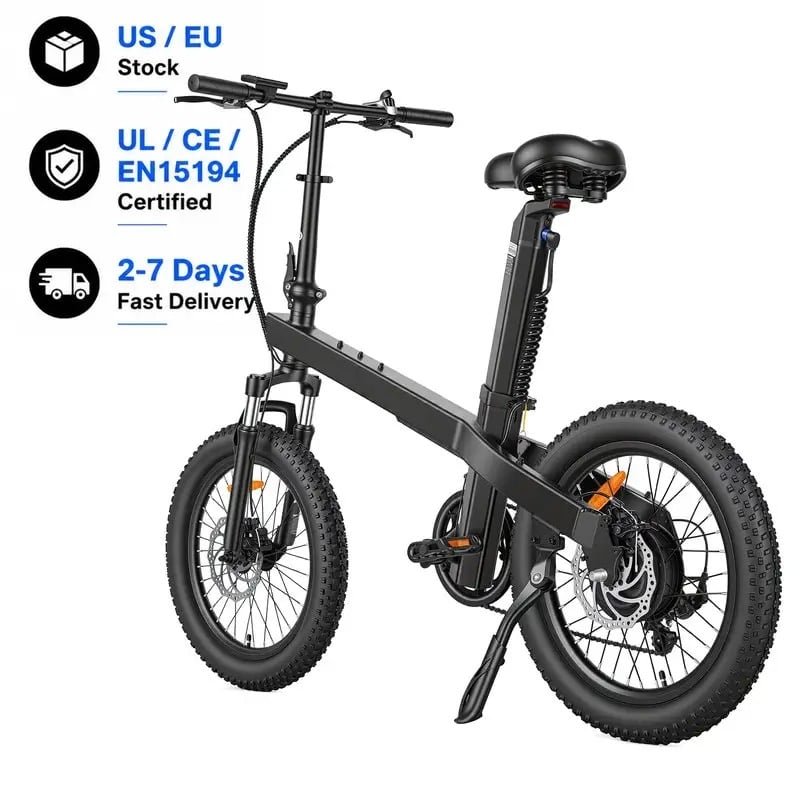
Storing wholesale ebikes in high volumes presents unique challenges that many retailers and distributors underestimate. Battery degradation, physical damage, and operational inefficiency can quickly erode profit margins if inventory management protocols are not carefully planned. Whether you operate a retail warehouse, distribution center, or wholesale operation, understanding proper storage techniques directly impacts product longevity, customer satisfaction, and your bottom line. The stakes are particularly high when managing large quantities of electric bikes, as battery health deteriorates rapidly under improper conditions, and damaged units require costly repairs or replacement.
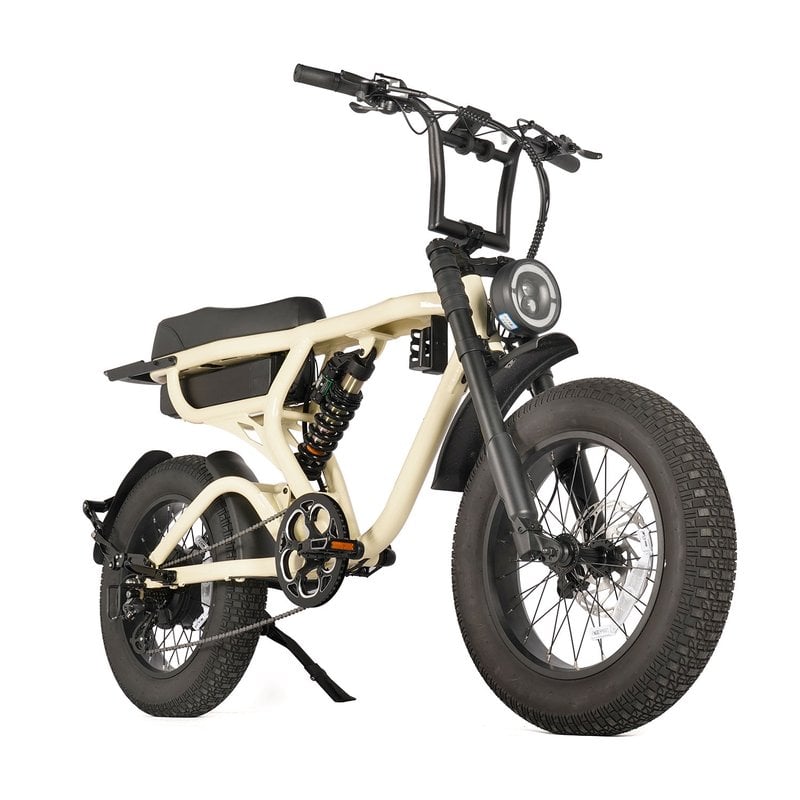
The process of managing ebike wholesale inventory requires a systematic approach that balances space efficiency with preservation of product integrity. Battery drain represents one of the most significant threats to stored inventory, particularly when units sit idle for extended periods. Modern electric bike wholesale operations must implement environmental controls, charging schedules, and climate management strategies to ensure that bikes remain in sellable condition. This comprehensive guide walks you through the essential practices for storing high volumes of wholesale electric bikes while protecting battery performance and extending shelf life.
Temperature stability is paramount when storing wholesale electric bikes. Lithium-ion batteries, which power most modern ebikes, perform best in environments between 50°F and 77°F (10°C to 25°C). Exposure to extreme heat accelerates chemical degradation within battery cells, causing permanent capacity loss. Conversely, cold temperatures reduce battery efficiency temporarily, though they slow degradation rates overall. Humidity levels should remain between 40 and 60 percent to prevent rust formation on metal components and corrosion on electrical connectors.
Your warehouse or storage facility should incorporate climate control systems that maintain consistent temperature ranges year-round. Direct sunlight exposure can raise internal bike temperatures by 15 to 20 degrees, particularly for black or dark-colored frames. Install shading, reflective barriers, or position shelving away from windows to minimize solar heat gain. For ebike wholesale operations in hot climates, invest in evaporative cooling or air conditioning systems specifically designed for warehouse environments. Regular monitoring with digital hygrometers and thermometers ensures compliance with optimal ranges and triggers corrective action before battery damage occurs.
Proper airflow prevents hot spots within storage areas and reduces moisture accumulation around battery housings. Stagnant air allows heat to concentrate in the center of stacked inventory, creating temperature gradients that accelerate battery aging. Install ceiling fans or circulation fans at strategic intervals throughout your facility. For high-density wholesale electric bikes storage, consider forced-air ventilation systems that move air continuously through aisles and storage zones. This approach is particularly critical during warm months when battery management becomes more challenging.
Before placing wholesale ebikes into long-term storage, charge each battery to approximately 60 percent capacity. This charge level represents the optimal sweet spot for battery preservation during dormant periods. Full charges (100%) create excessive stress within battery chemistry, while completely depleted batteries risk entering a dormant state that may become difficult to revive. Many retailers overlook this critical step and charge new inventory to full capacity immediately upon arrival, inadvertently starting the degradation clock. Document the charge level when each unit enters storage and verify it during regular inventory cycles.
Different battery types may require slightly adjusted protocols. Solid-state and traditional lithium-ion batteries respond best to the 60 percent rule, but always consult manufacturer specifications for your specific ebike wholesale inventory. Modern battery management systems (BMS) on quality electric bikes often feature storage mode settings that optimize long-term preservation automatically. Activate these modes if your units support them, as they reduce parasitic drain and protect cell chemistry more effectively than passive storage.
Batteries naturally lose charge over time due to internal chemical reactions and parasitic drain from onboard electronics. For wholesale ebikes stored longer than three months, implement a quarterly charging schedule to maintain the 60 percent target. Connect stored bikes to appropriate chargers and monitor the process to avoid over-charging. This periodic maintenance prevents batteries from dropping to critically low levels where they risk damage or become unable to accept charge. Create a tracking system noting when each bike was last charged, making it simple to identify units requiring attention before customers receive them.
Optimize your warehouse layout specifically for electric bike wholesale storage. Vertical rack systems maximize space while maintaining individual bike accessibility without moving multiple units. Heavy-duty racks designed for bikes should support at least 50 pounds per space, with frames suspended at the handlebars or top tube. Never stack bikes directly on top of one another, as weight compression damages bearings, bends frames, and stresses battery housings and electrical connectors. Organize inventory by model, arrival date, and battery charge level to streamline both charging cycles and customer fulfillment.
Aisle width should accommodate maintenance personnel moving easily between storage sections. Wide aisles also allow air circulation and facilitate temperature monitoring. For large wholesale electric bikes operations, implement a first-in-first-out (FIFO) system that ensures older inventory moves first, reducing the risk that any bike sits stored excessively long. This rotation principle applies even if some bikes are damaged or require service upon initial inspection.
Padded wall shields and corner guards prevent accidental impacts that crack frames or break displays. Cover bikes with breathable dust sheets rather than plastic coverings, which trap moisture and accelerate corrosion. Plastic sheeting creates a humid microclimate directly against the bike surface, particularly problematic for stored batteries. Breathable materials allow moisture to escape while keeping dust and debris off components. For ebike wholesale inventory destined for retail display, maintaining pristine appearances becomes especially important, making protective covers a worthwhile investment.
The optimal charge level for long-term storage is approximately 60 percent. This level minimizes stress on battery chemistry while maintaining enough charge to prevent the battery from entering a dormant or damaged state. Fully charged batteries experience accelerated degradation, while depleted batteries risk becoming unable to accept charge when reactivated. For wholesale electric bikes operations, this 60 percent target should be verified quarterly throughout the storage period to maintain battery health.
Implement a quarterly charging cycle for wholesale ebikes stored longer than three months. This schedule maintains the 60 percent charge level while allowing natural internal discharge to occur without reaching critical thresholds. If storage extends beyond one year, increase charging frequency to every two months. Create a detailed tracking log documenting when each bike was charged, making it easy to identify units requiring maintenance. This proactive approach prevents battery degradation and ensures customer satisfaction when units finally enter the sales cycle.
Outdoor or uncontrolled storage significantly accelerates battery degradation and physical damage to stored wholesale ebikes. Temperature fluctuations, humidity extremes, and UV exposure cause rapid battery capacity loss and corrosion of electrical components. If indoor climate-controlled storage is unavailable, consider renting warehouse space rather than risking inventory damage. The cost of proper storage protection is minimal compared to the expense of replacing damaged batteries or repairing compromised frames and components in your electric bike wholesale operation.
2026/08/03
Fix time zones, language gaps, and unclear protocols—boost speed, cut costs, and scale confidently.
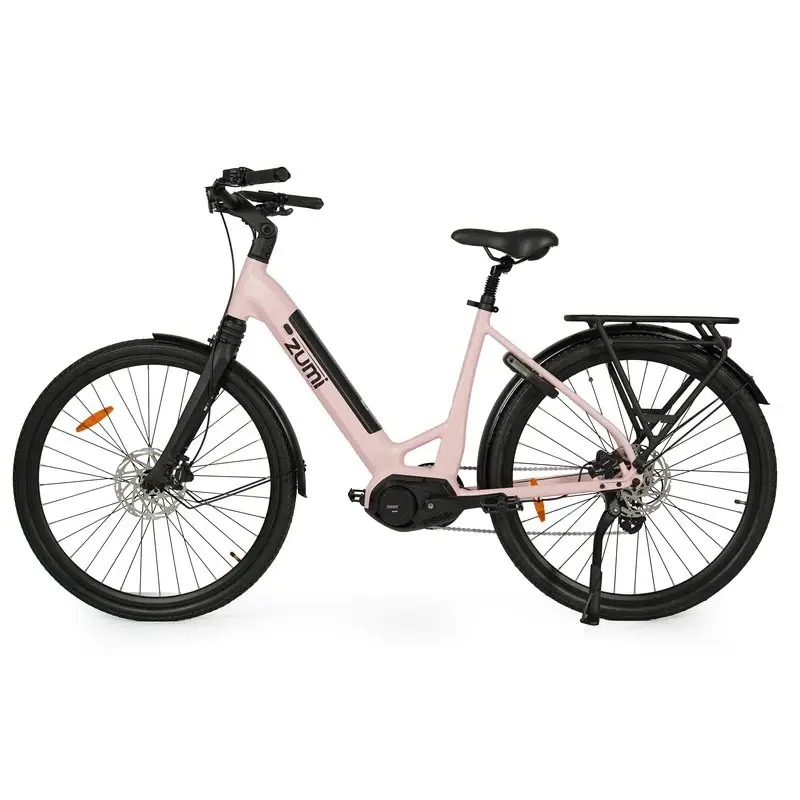
2026/08/03
Avoid liability & import bans: Learn IEC 62619, UN 38.3, and UL 2271—plus how to verify real compliance (not fakes).
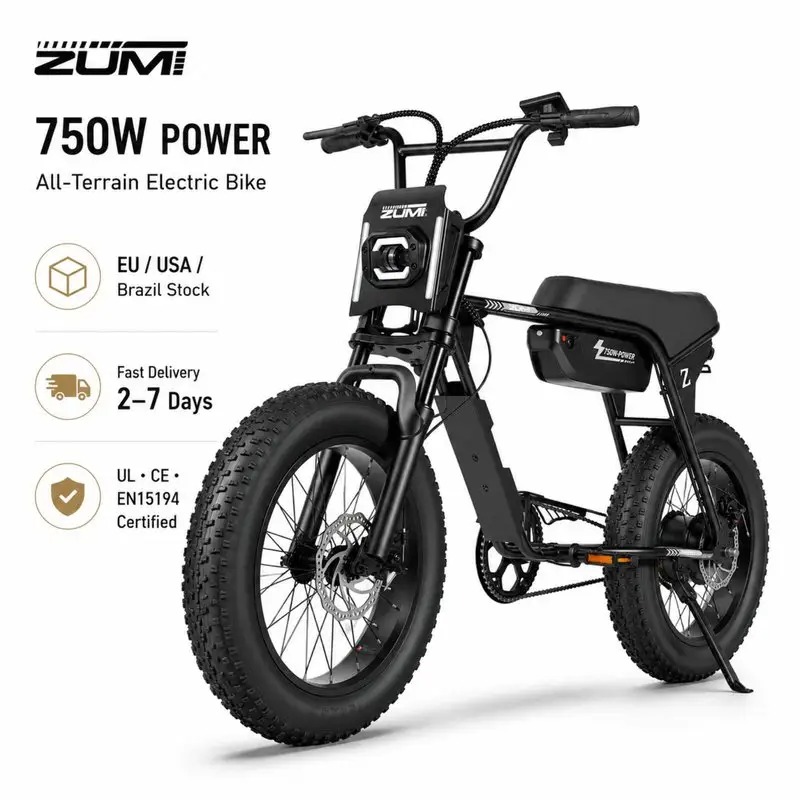
2026/08/03
Learn precise air pressure, rebound & compression tuning for optimal suspension performance. Get pro-level setup tips now.
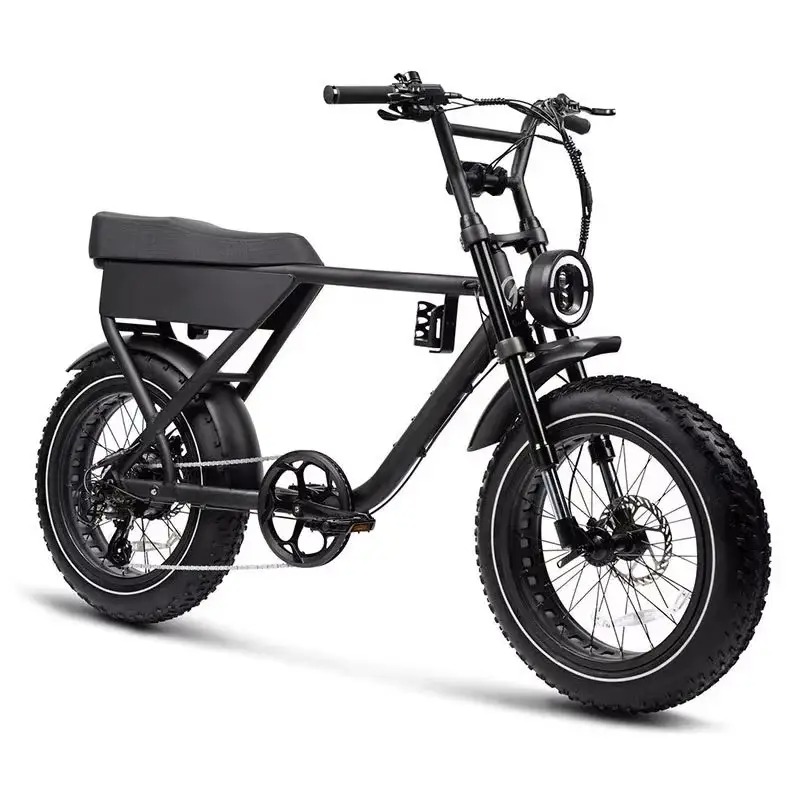
2026/08/03
Discover how voltage drop saps performance—and proven fixes to restore responsiveness, range, and battery life. Read now.
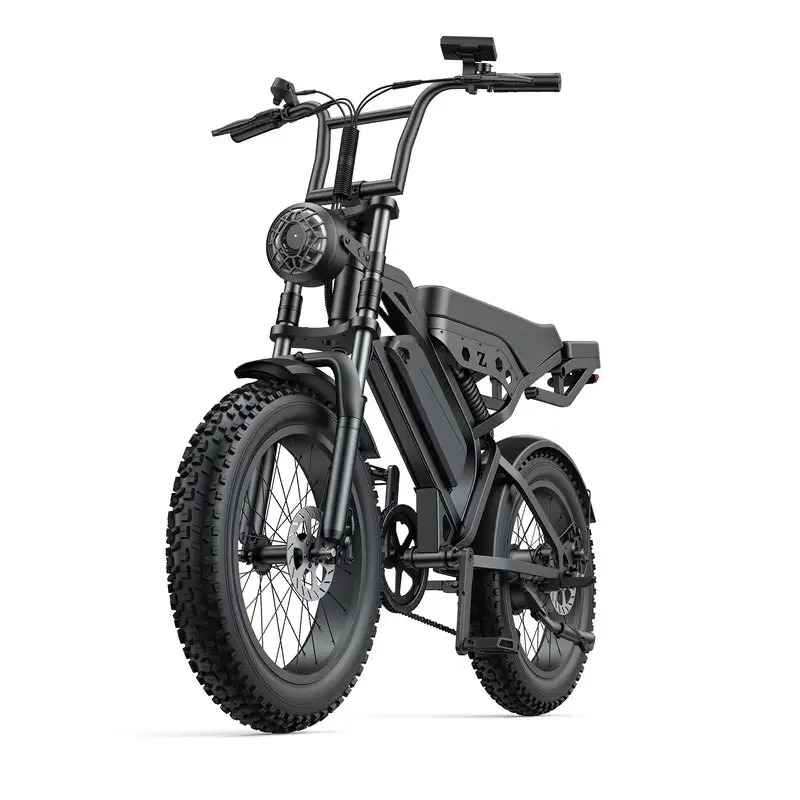
2026/08/03
Discover data-backed protocols, smart infrastructure & operational fixes. Optimize now.
2026/08/03
How payload cuts 48V cargo ebike range by 15–50%+ — backed by real-world degradation curves, motor load science & fleet optimization strategies.
Comprehensive warranty, fast parts shipping, remote diagnostics and local dealer training


