 EN
EN
STEP 1
Full vehicle warranty for 2 years
2026/09/04
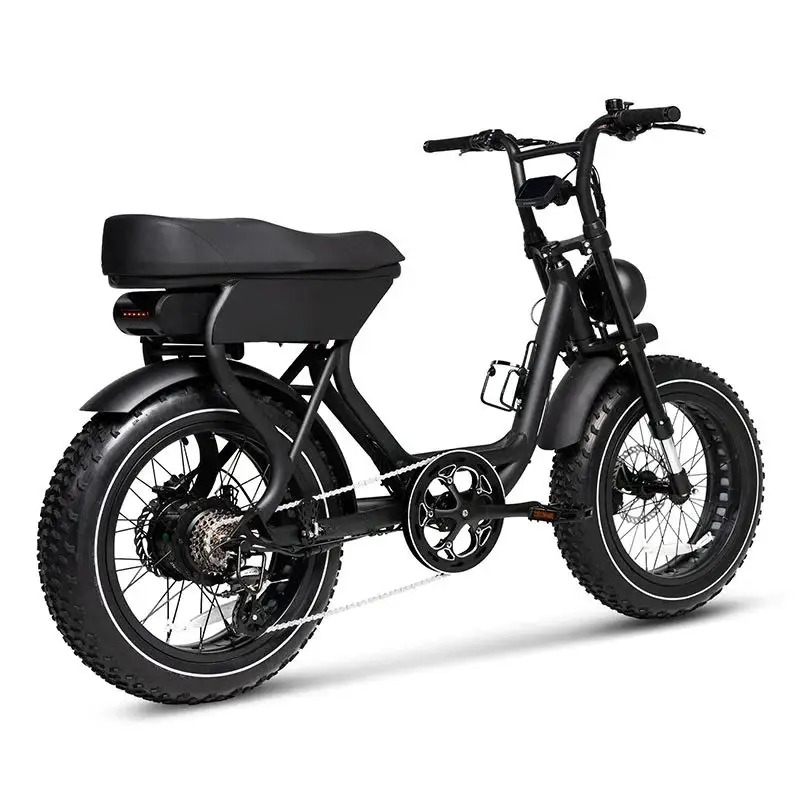
Maintaining your 48v electric bike battery requires understanding cell balance and how to monitor it effectively. The cells within a 48v ebikes battery pack must remain evenly charged to ensure consistent power delivery, longevity, and safety. Without proper cell balance testing, your 48v electric mountain bike may suffer from reduced range, premature battery degradation, or unexpected power loss during rides.
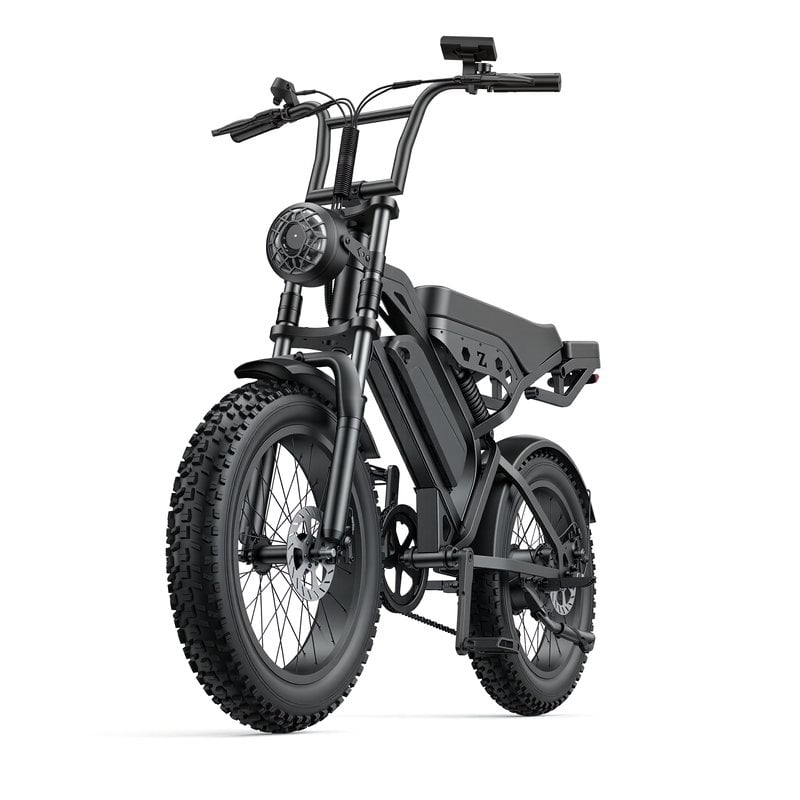
Cell balance refers to the voltage equilibrium across individual cells in your battery pack. An 48v electric bike battery typically contains multiple cells connected in series, and each must maintain a similar charge level. When cells become imbalanced, some cells overcharge while others undercharge, leading to efficiency loss and potential damage to your ebike 48v 250w system.
A 48v ebikes battery pack is commonly composed of four 12v cells arranged in series, or alternatively, sixteen 3v cells grouped appropriately. For models like the ebike 48v 250w or electric bike 48v 1500w variants, the series configuration ensures that voltage accumulates to reach the 48v output required. Each individual cell must perform equally to prevent voltage drops and maintain stable power delivery throughout your ride.
When cells operate in series, the weakest cell limits the performance of the entire pack. A 48v electric mountain bike experiencing unbalanced cells will deliver lower maximum power and exhibit reduced acceleration or hill-climbing ability. The battery management system relies on balanced cells to distribute load evenly and prevent stress on individual cells.
Modern 48v ebikes incorporate a battery management system, or BMS, that monitors and regulates charging and discharging. The BMS communicates with your motor controller and provides safety data to prevent overcharging, over-discharging, and short circuits. A properly functioning BMS on your ebike 48v 250w system includes cell balancing circuitry that passively or actively equalizes voltage across cells during charge cycles.
Testing cell balance on a 48v electric bike battery begins with a digital multimeter set to DC voltage mode. Locate the balance connector on your battery pack, which typically features multiple pins corresponding to each cell group. For a 48v ebikes pack with four cell groups, you will measure voltage at the negative terminal, between cells one and two, between cells two and three, between cells three and four, and finally at the positive terminal.
Record each voltage reading carefully. Ideally, for a four-cell 48v electric mountain bike battery, each cell should read approximately 12v when fully charged. Variations exceeding 0.2v between cells indicate imbalance. For electric bike 48v 1500w systems used in heavy-duty applications, maintain tighter tolerances to ensure reliable performance and extended battery lifespan.
Dedicated battery analyzer tools provide more detailed diagnostics than basic multimeters for your 48v ebikes system. These devices connect to the balance connector and display real-time voltage for each cell, internal resistance measurements, and estimated state of health. A battery analyzer can identify cells deteriorating faster than others, allowing you to address issues before they cause complete battery failure.
For owners of ebike 48v 250w or higher-power models like the electric bike 48v 1500w, investing in a quality analyzer ensures comprehensive diagnostics. These tools often provide trend data showing how cell balance changes over multiple charge cycles, enabling predictive maintenance planning for your 48v electric mountain bike.
If your 48v electric bike battery incorporates an active balancing BMS, the system automatically redistributes charge between cells during charging. Connecting your 48v ebikes battery to the charger designed for active balance circuits allows the BMS to equalize cell voltages gradually. This method works best when performed regularly and prevents significant imbalance from developing in the first place.
Active balancing is particularly beneficial for ebike 48v 250w systems and electric bike 48v 1500w models that experience frequent discharge cycles. By maintaining balanced cells through each charge, your 48v electric mountain bike battery preserves capacity and extends overall lifespan significantly.
For mild imbalances in your 48v ebikes battery, performing controlled deep charge and discharge cycles can improve cell balance. Begin by fully charging your battery using the appropriate charger, allowing the BMS balancing circuit adequate time to operate. Next, ride your ebike 48v 250w to near complete discharge, then recharge fully again. Repeat this cycle three to five times to allow the BMS to rebalance the cells.
This approach works particularly well when cells have drifted slightly but remain within acceptable ranges. For severe imbalances or when cells on your electric bike 48v 1500w system differ by more than 0.5v, deeper intervention or professional servicing may be necessary to prevent battery failure.
Test cell balance every three to six months under normal use conditions on your 48v ebikes system. If you regularly ride your 48v electric mountain bike in extreme temperatures or perform frequent deep discharge cycles, increase testing frequency to monthly intervals. Electric bike 48v 1500w systems used for heavy-duty applications benefit from more frequent monitoring to maintain optimal performance.
Voltage differences exceeding 0.3v between cells on your 48v electric bike battery suggest significant imbalance requiring corrective action. For a 48v ebikes pack, this could mean one cell is substantially degraded compared to others. If testing reveals such variation on your electric bike 48v 1500w or 48v electric mountain bike, stop using the battery and pursue professional diagnostics to prevent safety issues.
Minor imbalances on your 48v ebikes battery may resolve through controlled charge cycles using the designed charger and your 48v electric bike's BMS. Severe imbalances or failing cells typically require professional repair or battery replacement. Attempting to disassemble or repair lithium cells without proper training poses serious safety risks, so professional service is recommended for ebike 48v 250w, electric bike 48v 1500w, and other advanced systems.
2026/08/03
Fix time zones, language gaps, and unclear protocols—boost speed, cut costs, and scale confidently.
2026/08/03
Avoid liability & import bans: Learn IEC 62619, UN 38.3, and UL 2271—plus how to verify real compliance (not fakes).
2026/08/03
Learn precise air pressure, rebound & compression tuning for optimal suspension performance. Get pro-level setup tips now.
2026/08/03
Discover how voltage drop saps performance—and proven fixes to restore responsiveness, range, and battery life. Read now.
2026/08/03
Discover data-backed protocols, smart infrastructure & operational fixes. Optimize now.
2026/08/03
How payload cuts 48V cargo ebike range by 15–50%+ — backed by real-world degradation curves, motor load science & fleet optimization strategies.
Comprehensive warranty, fast parts shipping, remote diagnostics and local dealer training


