 EN
EN
STEP 1
Full vehicle warranty for 2 years
2026/08/06
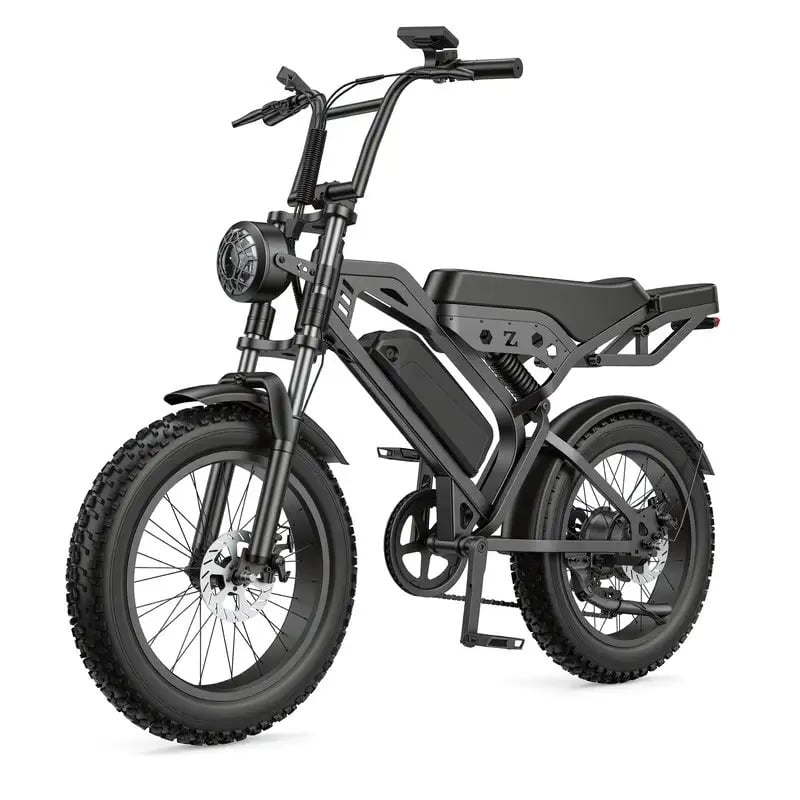
Working with an e bike maker during prototype development requires careful attention to electrical systems and wiring integrity. When designing or testing a new electric bicycle prototype, wiring faults can derail the entire project timeline and compromise safety performance. Understanding how to systematically diagnose and resolve wiring issues will accelerate your development cycle and ensure your prototype meets performance specifications.
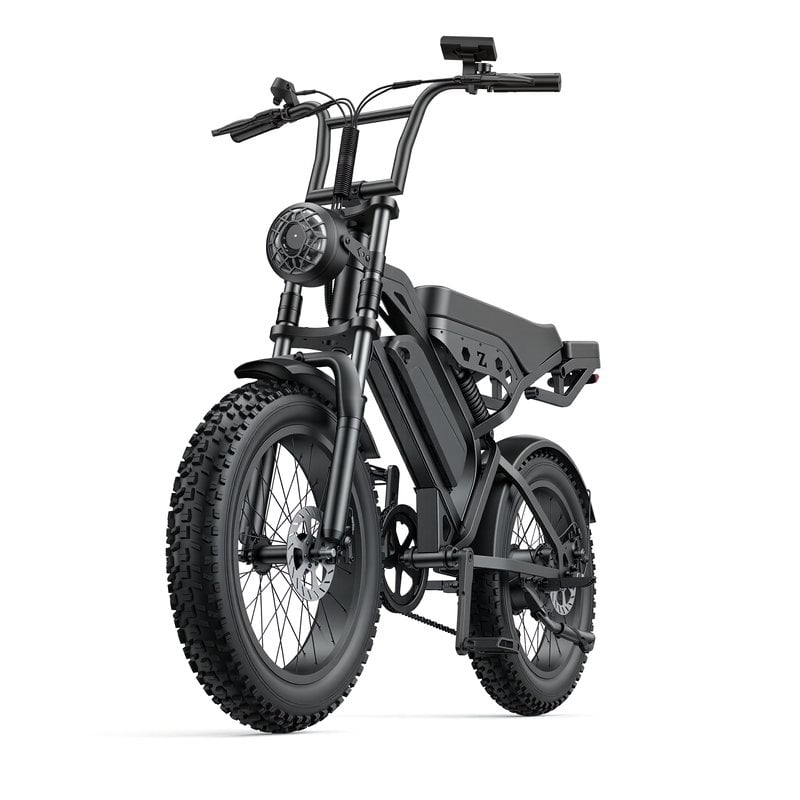
The ebike manufacturer you partner with should provide clear wiring documentation, but practical troubleshooting often requires hands-on testing beyond the schematic. Prototype wiring typically involves high-current motor circuits, battery management systems, controller connections, and sensor networks that must work in perfect harmony. When electrical faults occur, isolating the problem quickly separates a successful ebike factory development process from costly delays and rework cycles.
Begin troubleshooting by examining the entire wiring harness under proper lighting conditions. Look for pinched insulation, burnt connectors, corrosion on terminals, and loose solder joints that indicate manufacturing defects or assembly errors. When working with an ebike factory partner, request high-resolution photographs of the original wire routing and connector placement to verify that your prototype matches the intended design. Document every irregularity with images and notes, as these records become invaluable when communicating issues back to your manufacturer.
Equip yourself with a digital multimeter, oscilloscope, and circuit analyzer before beginning diagnostics. Test continuity across each wire segment, verify voltage levels at key nodes, and measure resistance values against the ebike factory's specifications. A quality multimeter reveals open circuits, short conditions, and incorrect voltage distributions that visual inspection alone cannot detect. When testing prototype wiring on electric bike wholesale samples, maintain organized notes of all measurements to identify patterns and root causes systematically.
The battery circuit serves as the power source for the entire system, making its integrity critical for prototype success. Test voltage output directly at the battery terminals, then trace the path to the controller while measuring voltage drop across each connector. An ebike manufacturer should provide nominal voltage specifications, and your measurements should align within 2–3% of those values. If voltage drops exceed acceptable thresholds, suspect corroded connectors, undersized wiring, or poor solder connections that must be remedied before proceeding to motor testing.
Three-phase motor circuits require balanced resistance across all phase lines when the system is unpowered. Measure continuity and resistance on each phase line independently, comparing results to the ebike factory specifications for your motor variant. An unbalanced phase circuit indicates open windings, damaged connectors, or controller faults that compromise motor performance. When testing electric bike wholesale prototypes, pay special attention to the throttle signal line, brake sensor wiring, and pedal-assist connections, as these often show intermittent faults during initial testing.
The controller coordinates input signals from sensors and delivers appropriate power commands to the motor. Test each sensor signal independently using your multimeter or oscilloscope to confirm that sensor voltages change appropriately during manual movement or adjustment. An ebike manufacturer will specify expected voltage ranges for throttle inputs, pedal cadence sensors, and brake lever switches. If sensors read fixed values or fail to respond to physical input, suspect disconnected wiring, failed sensors, or controller input failures that require component replacement or rewiring.
Corroded or cold solder joints frequently cause intermittent faults that appear and disappear unpredictably. Carefully desolder affected connectors using appropriate temperature-controlled equipment, clean all contact surfaces with flux and a fine brush, then resolder using proper technique and materials matched to the ebike factory specifications. When working with an e bike maker prototype, use marine-grade or waterproof connectors in areas exposed to moisture, as these deliver superior reliability compared to standard automotive connectors. Test continuity immediately after rework to confirm the repair before proceeding to voltage testing.
Motor power lines should use appropriately sized wiring to minimize voltage drop and heat generation during high-current operation. If your ebike factory partner uses undersized gauge wiring in high-current circuits, voltage drop increases and motor performance degrades. Calculate required wire gauge based on circuit current and distance, then verify that your prototype matches the calculated requirement. Reroute wiring away from heat sources and ensure proper strain relief at connectors to prevent mechanical fatigue failures.
Maintain detailed records of every wiring issue discovered, the diagnostic steps performed, and the resolution applied. When communicating with an ebike manufacturer about recurring faults, provide specific measurements, component part numbers, and photographic evidence. An experienced electric bike wholesale supplier will recognize patterns across multiple prototype units and may identify systemic design or manufacturing issues affecting the entire production run. Regular feedback loops between your testing team and the ebike factory accelerate problem resolution and improve subsequent prototype iterations.
The most frequent issues include corroded battery connectors, cold solder joints in the motor circuit, loose phase line connections, and incorrect sensor signal wiring. When partnering with an e bike maker, early production batches often exhibit these preventable manufacturing defects. Systematic testing catches these faults before field deployment, preventing customer returns and reputational damage to the ebike factory.
Isolate the issue by testing wiring continuity and voltage separately from component functionality. Measure continuity across each wire segment without applying power; then test voltage at connector pins with the system powered. If wiring tests pass but voltage or sensor signals remain incorrect, the fault lies in the controller or sensor itself rather than the ebike manufacturer's wiring assembly. An electric bike wholesale supplier should warrant both wiring and components during the prototype phase.
Yes, report wiring issues to your ebike manufacturer as soon as diagnostic testing confirms the fault. Provide specific measurements, photographs, and component identifiers so the ebike factory can identify systemic problems affecting other units. Early communication prevents your entire production run from carrying the same defects, saving time and cost during scaling. A responsive manufacturer will investigate root causes and provide corrective action plans for subsequent units.
2026/08/03
Fix time zones, language gaps, and unclear protocols—boost speed, cut costs, and scale confidently.
2026/08/03
Avoid liability & import bans: Learn IEC 62619, UN 38.3, and UL 2271—plus how to verify real compliance (not fakes).
2026/08/03
Learn precise air pressure, rebound & compression tuning for optimal suspension performance. Get pro-level setup tips now.
2026/08/03
Discover how voltage drop saps performance—and proven fixes to restore responsiveness, range, and battery life. Read now.
2026/08/03
Discover data-backed protocols, smart infrastructure & operational fixes. Optimize now.
2026/08/03
How payload cuts 48V cargo ebike range by 15–50%+ — backed by real-world degradation curves, motor load science & fleet optimization strategies.
Comprehensive warranty, fast parts shipping, remote diagnostics and local dealer training


