 EN
EN

STEP 1
Full vehicle warranty for 2 years
2026/09/02
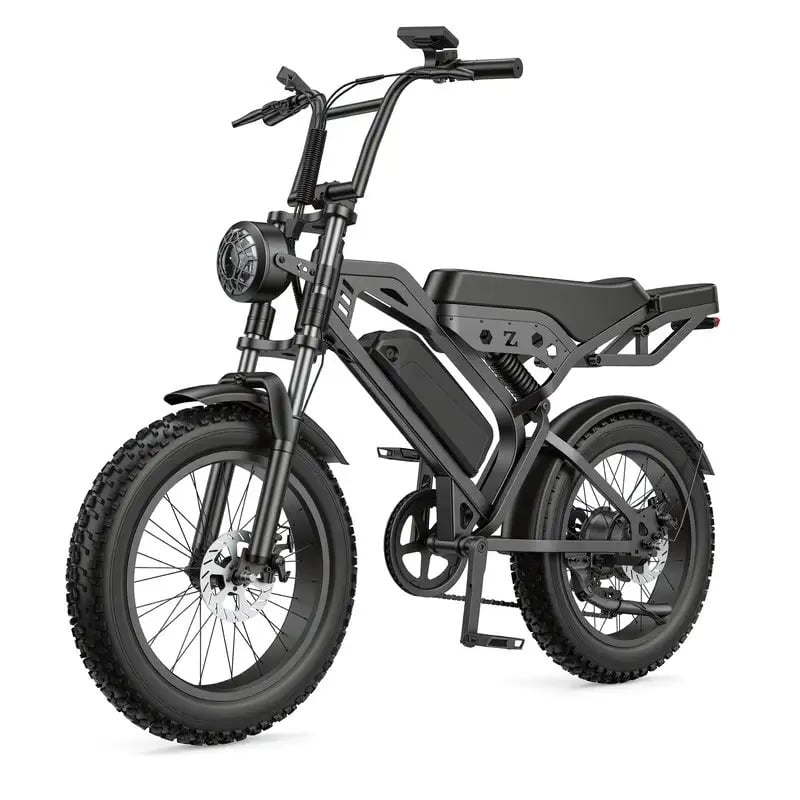
Upgrading the lighting system on your electric city bike is one of the most impactful safety and visibility improvements you can make. Whether you're commuting through busy downtown streets or navigating evening routes, enhanced lighting transforms your riding experience and protects you from accidents. An electric city bike with inadequate factory lighting leaves you vulnerable to poor visibility and driver recognition issues, especially during dawn, dusk, or nighttime urban commuting.
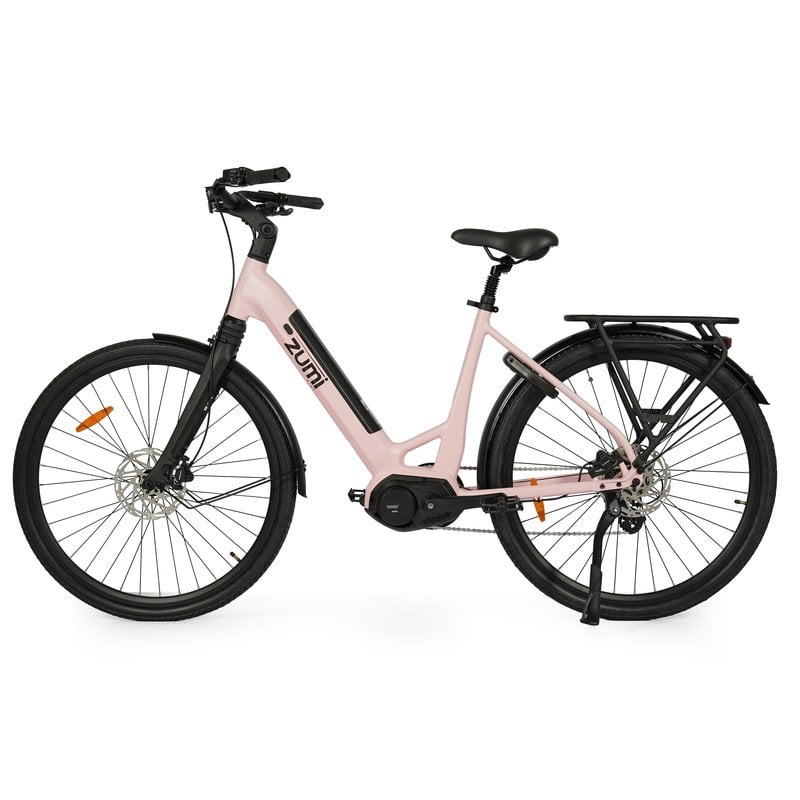
Modern electric bikes for city riding benefit significantly from professional-grade lighting upgrades that exceed standard factory equipment. The process involves selecting compatible components, understanding your bike's electrical architecture, and executing careful installation. This guide walks you through every stage of upgrading your urban commuting e bike's lighting system, ensuring you choose the right components and install them safely.
Most factory city cruiser electric bikes come equipped with basic lighting systems designed to meet minimal legal standards rather than optimal visibility. These stock lights often feature limited brightness, narrow beam patterns, and inconsistent power management. Before upgrading, inspect your current headlight and taillight output by testing them in various conditions, noting which areas lack adequate illumination and where you feel least visible to traffic.
Understanding your bike's current electrical configuration is essential for choosing compatible upgrades. Your ebike city bike's battery and controller regulate power delivery, and any new lighting must integrate seamlessly without draining resources or causing system conflicts. Check your battery capacity, voltage output, and whether your existing lights use direct battery power or connect through your bike's onboard electrical system.
Electric bikes for city riding typically operate on 36V or 48V systems, and your lighting upgrade must match your bike's voltage specification. Installing lights designed for a different voltage creates safety risks and can damage expensive components. Review your electric city bike's manual to identify exact voltage and amperage specifications before purchasing replacement lights. Some urban commuting e bike systems include dedicated lighting ports on the controller, while others require direct battery connections through inline switches.
Modern headlights for your city cruiser electric bike range from 1000 to 3000 lumens, dramatically exceeding factory equipment. LED technology dominates the market due to superior energy efficiency and longevity, critical factors for an electric bikes for city riding setup. When evaluating headlights, consider beam width and focus. Narrow beams project farther down the road, while wider beams improve peripheral visibility in urban environments cluttered with parked cars, pedestrians, and cross-traffic.
Your ebike city bike installation will determine mounting compatibility. Integrated lights built into suspension forks offer cleaner aesthetics but limited flexibility. Universal bracket systems accommodate most handlebar diameters and allow angle adjustment after installation, making them superior for customizable urban commuting e bike setups. Evaluate whether the headlight includes a mounting bracket compatible with your specific bike geometry and whether it supports auxiliary beam modes for residential neighborhoods versus high-intensity modes for highway situations.
Rear lighting on an electric city bike serves equally critical functions as front illumination. Modern taillights include brake-sensing capabilities that increase brightness when you decelerate, alerting following traffic. Quality taillights for your city cruiser electric bike integrate secondary side-scatter lighting to increase visibility from traffic approaching perpendicular routes. Flashing and steady-on modes both serve distinct purposes: steady modes improve consistent visibility while flashing modes grab attention during low-light transitions at dawn and dusk.
Consider reflective surface area alongside active illumination. Many electric bikes for city riding benefit from integrated reflectors paired with battery-powered lights, creating redundancy that protects you during power depletion scenarios. Some premium taillights for urban commuting e bike applications include wireless connectivity to brake sensors or handlebar switches, eliminating hard-wired connections that complicate installation. Seatpost and saddle-rail mounting positions offer superior visibility compared to seat-tube placement, particularly in traffic patterns where vehicles approach from behind and below.
Before beginning any lighting upgrade on your electric city bike, disconnect the battery and wait 30 seconds for residual charge to dissipate. This prevents accidental electrical discharge during handling and protects sensitive controller circuits. Clear your work space of moisture and static-prone materials. Review the installation manual for both your existing lights and replacement components, noting voltage specifications and connector types required for your ebike city bike.
Position your city cruiser electric bike on a sturdy work stand that secures the frame without compressing the battery pack or frame tubes. Mark existing mounting hole locations with tape or markers before removing old components. Preserve factory wiring if your urban commuting e bike controller supports auxiliary lighting ports, as this simplifies power distribution compared to direct battery connections. Test all components before permanent installation to identify incompatibilities while modifications remain reversible.
Install the new headlight on your electric bikes for city riding using the provided bracket system, adjusting beam angle to illuminate 15 to 20 meters ahead without excessive upward glare that irritates oncoming traffic. Route power cables along existing wiring channels on your city cruiser electric bike frame, using cable clips or velcro straps spaced every 10 to 15 centimeters to prevent vibration-related loosening. Secure exposed wiring away from brake cables, derailleurs, and rotating wheels using protective conduit where necessary.
For rear lighting on your ebike city bike, position the taillight at maximum seat-tube height to optimize visibility from following vehicles. Mount secondary reflectors or side-scatter lights on seat stays if your urban commuting e bike geometry permits. Test electrical connections with the battery disconnected, using a multimeter to verify proper voltage delivery through connections before applying power. Once confirmed, reconnect the battery in stages, checking functionality at each integration step.
Brightness requirements depend on riding environment. For urban streets with consistent streetlighting, 800 to 1200 lumens provides adequate visibility on your electric bikes for city riding. For darker routes or rural segments of urban commuting e bike trips, 1500 to 2000 lumens offers safer margins. Your city cruiser electric bike's headlight should illuminate at least 15 meters ahead under night conditions, while tailights should remain visible from 100 meters during daylight and 150 meters at night.
Compatibility depends on your specific electric city bike's electrical architecture and available integration points. Most modern ebike city bike systems support universal lighting through direct battery connections, though some integrated platforms require proprietary components. Before purchasing, verify your bike's voltage specification and available mounting locations. Consulting your electric bikes for city riding manual or manufacturer support ensures the aftermarket light you select operates safely on your urban commuting e bike without exceeding current draw limits or creating system conflicts.
Quality lighting upgrades for your city cruiser electric bike typically range from $150 to $500, depending on component selection and installation complexity. Premium LED headlights for urban commuting e bike applications cost $100 to $300, while quality taillights add $50 to $150. Professional installation through bike shops might add $50 to $200 in labor costs for your electric bikes for city riding system. Considering the safety benefits and extended visibility provided to your ebike city bike, these investments deliver substantial return through accident prevention and enhanced confidence during all riding conditions.
2026/08/03
Fix time zones, language gaps, and unclear protocols—boost speed, cut costs, and scale confidently.
2026/08/03
Avoid liability & import bans: Learn IEC 62619, UN 38.3, and UL 2271—plus how to verify real compliance (not fakes).
2026/08/03
Learn precise air pressure, rebound & compression tuning for optimal suspension performance. Get pro-level setup tips now.
2026/08/03
Discover how voltage drop saps performance—and proven fixes to restore responsiveness, range, and battery life. Read now.
2026/08/03
Discover data-backed protocols, smart infrastructure & operational fixes. Optimize now.
2026/08/03
How payload cuts 48V cargo ebike range by 15–50%+ — backed by real-world degradation curves, motor load science & fleet optimization strategies.
Comprehensive warranty, fast parts shipping, remote diagnostics and local dealer training


