 EN
EN
STEP 1
Full vehicle warranty for 2 years
2026/08/04
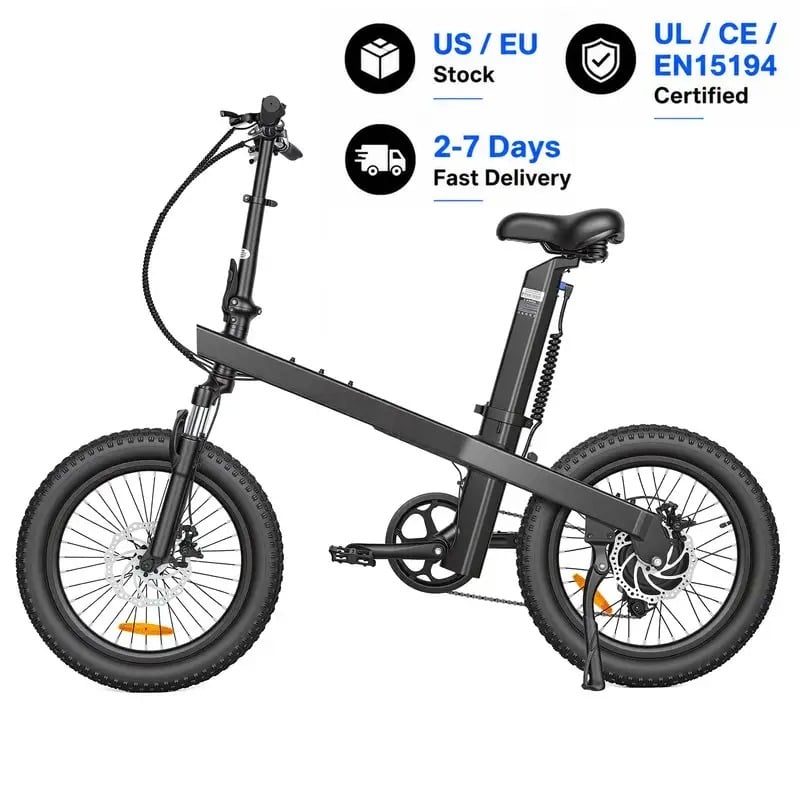
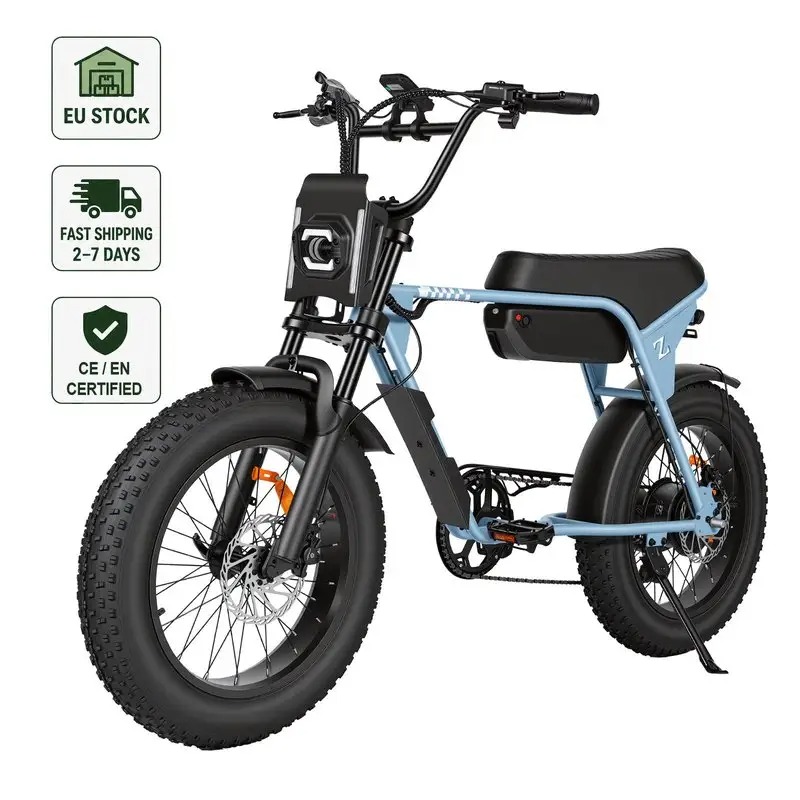
When sourcing a fat tire bicycle manufacturers for your business or personal needs, understanding how to verify alloy rigidity is essential for ensuring product quality and durability. Alloy rigidity directly impacts frame performance, rider safety, and long-term reliability. Fat tire ebike designs place unique stress on the frame structure due to their heavier weight, wider tires, and the additional motor and battery components. Without proper verification methods, you risk investing in bicycles that may fail prematurely or underperform in real-world conditions.
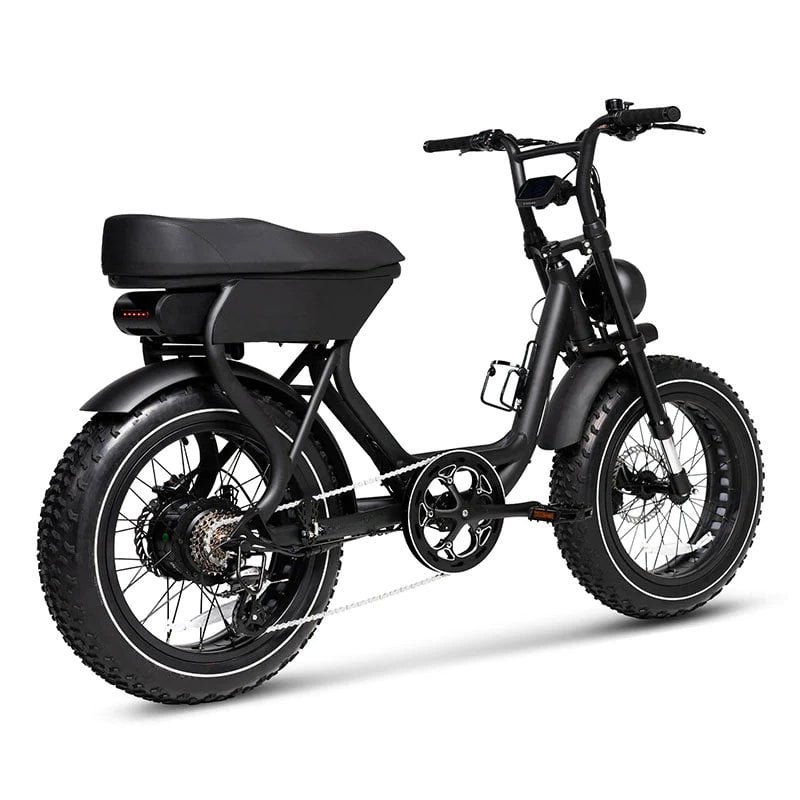
Verifying alloy rigidity from an ebike manufacturer requires a systematic approach that combines material specification review, physical testing, and performance validation. An ebike factory that manufactures fat tire ebike models must demonstrate consistent quality control across multiple production batches. This article explores practical verification methods that help buyers, retailers, and quality assurance teams assess whether frames meet rigidity standards before making purchasing commitments.
Fat tire ebike frames typically use aluminum or steel alloys chosen for their strength-to-weight ratio and fatigue resistance. An ebike manufacturer should provide detailed material certifications, including alloy designation, tensile strength, yield strength, and hardness ratings. Request certificates of analysis from the ebike factory that show batch-specific test results. These documents confirm that raw materials meet international standards such as ASTM, ISO, or Chinese GB specifications. Rigidity depends not just on alloy type but on heat treatment, wall thickness, and grain structure, so certification details matter significantly.
The tube diameter, wall thickness, and frame geometry determine how well a fat tire bicycle withstands stress from pedaling, motor torque, and terrain impacts. Fat tire ebike frames typically feature thicker tubes and reinforced joints compared to standard bicycles. Request the tube specifications, including outer diameter, wall thickness, and corner radius measurements. Ask the ebike factory for engineering drawings or CAD files that show the complete frame design. Rigidity verification includes confirming that tube specifications remain consistent across production units, not just in prototypes.
Hardness testing uses instruments like Rockwell or Vickers hardness testers to measure material resistance to deformation at specific points on the frame. An ebike manufacturer should conduct hardness tests on frame samples from each production batch. Tensile testing involves stretching frame material or complete tubes until failure to measure ultimate tensile strength and elongation. These tests reveal whether the alloy is brittle, properly hardened, or annealed. Request test reports showing hardness values at multiple frame locations and tensile test data for tube samples. Rigidity correlates with hardness when properly balanced—too hard creates brittleness, while too soft reduces stiffness.
Practical rigidity verification involves mounting a complete frame in a test rig and applying known loads to measure deflection under stress. Fat tire ebike frames should undergo static load testing where downward, lateral, and torsional forces simulate real riding conditions. Load testing measures how much the frame flex occurs under specific force amounts—a more rigid frame shows minimal deflection. An ebike factory conducting proper quality control performs these tests on sample units from each production run. Compare deflection measurements across multiple frames to ensure consistency and verify that rigidity meets design specifications.
Fatigue testing applies cyclic loads to frame samples thousands of times to simulate years of use and detect early failure points. Fat tire ebike frames endure repeated stress from motor assistance, braking, and uneven terrain, making fatigue resistance critical. Ask the ebike manufacturer whether they conduct fatigue testing according to ISO 4210 or similar cycling standards. Fatigue test reports should show the number of cycles completed before visible damage or structural failure occurred. Higher cycle counts before failure indicate superior alloy quality and manufacturing consistency within the fat tire bicycle manufacturers category.
Frame rigidity depends heavily on weld quality at joints where tubes connect. Inspect welds visually for consistent bead appearance, uniform width, and absence of porosity, cracks, or undercut areas. An ebike factory should employ trained welders and use modern welding equipment like robotic systems or advanced MIG processes for consistency. Request close-up photographs or site visits to observe welding operations if possible. Poor welds create stress concentration points that reduce rigidity and initiate premature failures. Quality ebike manufacturers maintain welding procedure specifications and conduct periodic weld testing using ultrasonic or radiographic inspection methods.
Surface treatment protects alloy from corrosion and provides indicators of manufacturing quality. Fat tire ebike frames should have uniform powder coat or paint thickness, typically 100 to 200 microns. Inspect frames for coating consistency, absence of runs or drips, and smooth finish indicating controlled application processes. An ebike manufacturer applying quality coatings uses surface preparation like degreasing and light abrasion before painting. Coating thickness testing using electromagnetic gauges reveals whether the ebike factory maintains process discipline. Thin or uneven coatings suggest rushed production and may correlate with internal manufacturing issues affecting rigidity.
Reputable fat tire bicycle manufacturers maintain ISO 9001 or equivalent quality management certifications proving they follow documented processes and track specifications. An ebike manufacturer with valid certification undergoes regular audits ensuring consistent testing, documentation, and continuous improvement. Request certification copies and audit reports to confirm active status. An ebike factory demonstrating ISO compliance typically maintains better process controls and provides reliable test documentation. Certification does not guarantee perfect products but indicates organizational commitment to systematic quality control and rigidity verification.
Professional ebike manufacturers document rigidity testing results for every production batch or statistically significant sample populations. Request batch test reports showing dates, sample unit identifiers, test methods used, results obtained, and comparison to specification limits. Documentation should include names and certifications of personnel conducting tests. An ebike factory that operates transparently provides traceability linking specific frames to their test results. Compare documentation thoroughness across different manufacturers to assess their commitment to rigidity verification and quality assurance.
Quality ebike manufacturers test samples from every production batch or at minimum conduct testing on statistically significant samples from each month of production. Fat tire ebike frame testing should occur after welding and post-weld heat treatment when applicable. Fatigue testing typically occurs on a smaller sample population quarterly or during design validation phases. Continuous testing ensures that changes in raw materials, equipment settings, or personnel do not degrade frame rigidity. An ebike factory committed to consistency maintains documented testing schedules and shares results upon request.
Aluminum alloys like 6061-T6 and 7005 offer good rigidity-to-weight ratios suitable for fat tire ebike frames. Steel alloys including chromoly and double-butted steel provide superior rigidity and fatigue resistance but add weight. Carbon fiber and composite materials offer exceptional rigidity with minimal weight but at higher cost. An ebike manufacturer selecting materials balances rigidity requirements, weight targets, cost constraints, and production capabilities. The best choice depends on the specific fat tire ebike design, motor power, intended use, and target market segment within the broader fat tire bicycle manufacturers category.
Visual inspection identifies manufacturing defects like poor welds or coating inconsistencies that may correlate with rigidity problems, but it cannot directly measure stiffness or strength. An ebike manufacturer relying only on visual inspection risks shipping frames with internal metallurgical defects, improper heat treatment, or marginal material properties. Rigidity verification requires objective testing methods like hardness testing, deflection measurement, and load testing. Professional ebike factories combine visual inspection with documented mechanical testing to ensure frames meet rigidity specifications and perform reliably in the field.
2026/08/03
Fix time zones, language gaps, and unclear protocols—boost speed, cut costs, and scale confidently.
2026/08/03
Avoid liability & import bans: Learn IEC 62619, UN 38.3, and UL 2271—plus how to verify real compliance (not fakes).
2026/08/03
Learn precise air pressure, rebound & compression tuning for optimal suspension performance. Get pro-level setup tips now.
2026/08/03
Discover how voltage drop saps performance—and proven fixes to restore responsiveness, range, and battery life. Read now.
2026/08/03
Discover data-backed protocols, smart infrastructure & operational fixes. Optimize now.
2026/08/03
How payload cuts 48V cargo ebike range by 15–50%+ — backed by real-world degradation curves, motor load science & fleet optimization strategies.
Comprehensive warranty, fast parts shipping, remote diagnostics and local dealer training


