 EN
EN
STEP 1
Full vehicle warranty for 2 years
2026/08/26
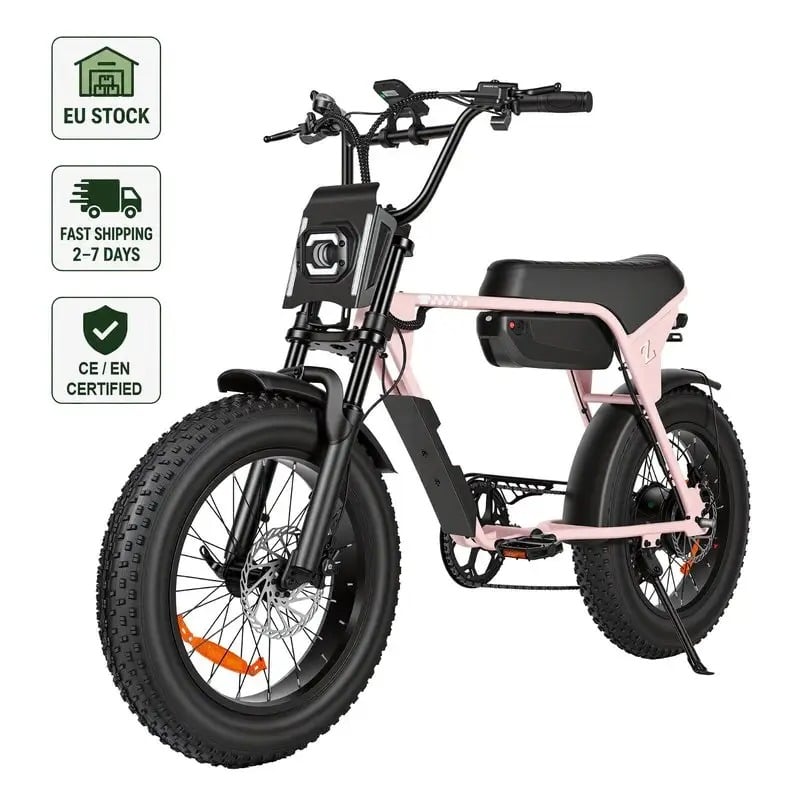
Purchasing an electric bicycle from reputable electric bicycle makers requires confidence in safety and compliance. CE certification serves as a critical indicator that an ebike meets European Union safety and quality standards. However, not all certifications are genuine, and verifying their authenticity protects you from counterfeit or substandard products. Whether you are a retailer, distributor, or end consumer, understanding how to validate CE certifications from ebike manufacturers is essential for making informed purchasing decisions.
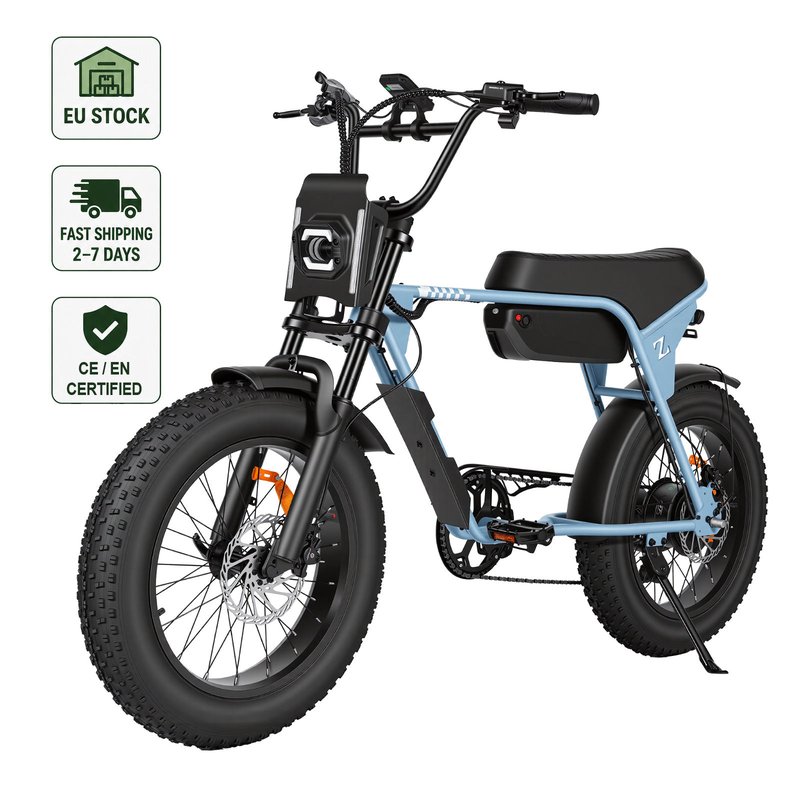
CE marking indicates that an ebike manufacturer has completed conformity assessment and verified compliance with applicable directives. The certification process involves testing, documentation, and third-party involvement from accredited notified bodies. When sourcing from an ebike factory or electric bike wholesale supplier, verifying the legitimacy of their CE certifications ensures you receive products that meet industry safety requirements and can be legally sold in EU markets.
CE certification for electric bicycles confirms that the product complies with the Machinery Directive (2006/42/EC) and the Low Voltage Directive (2014/35/EU). An ebike manufacturer must ensure that their products meet requirements related to electrical safety, mechanical stability, and component integration. The certification process requires the ebike factory to conduct rigorous testing on battery systems, motor performance, braking mechanisms, and frame integrity. When purchasing from any ebike factory, the presence of a valid CE mark indicates the product has undergone systematic evaluation before reaching the market.
Electric bicycles must comply with EN 15194, the specific European standard for e-bikes. This standard covers electrical safety, mechanical robustness, performance testing, and user interface requirements. An ebike manufacturer must verify that batteries are certified, motors meet power output specifications, and charging systems include proper circuit protection. Third-party notified bodies conduct independent testing to validate that an ebike factory's products meet these stringent standards. When evaluating electric bike wholesale offerings, confirm that the supplier has obtained certification from recognized notified bodies rather than relying on self-certification alone.
The first step in verification is requesting the Declaration of Conformity (DoC) directly from the ebike manufacturer. This document details which directives and standards the product complies with and identifies the notified body involved in the certification process. A legitimate ebike factory will provide this documentation without hesitation and supply it in clear, professional format. Ask for the technical file, which includes test reports, design specifications, and evidence of compliance. Reputable electric bike wholesale distributors maintain complete certification documentation and can quickly provide copies to retailers or buyers. If an ebike manufacturer refuses to share these documents, that is a significant red flag indicating potential fraudulent certification.
Every legitimate ebike manufacturer works with an accredited notified body for third-party conformity assessment. You can verify the notified body's credentials by checking the NANDO (New Approach Notified and Designated Organisations) database maintained by the European Commission. This database lists all authorized notified bodies by country, registration number, and scope of certification. Search for the notified body name and number mentioned in the DoC. If the entity does not appear in the NANDO database, the certification is likely fraudulent. Established electric bike wholesale suppliers work exclusively with verified notified bodies and can provide confirmation that their ebike factory partner uses legitimate certification channels.
A genuine Declaration of Conformity must include specific information formatted consistently with EU requirements. The DoC should state the manufacturer's full name and address, product identification with model number and serial range, applicable directives and standards, name and signature of the authorized representative, and the date of issue. The document must explicitly reference the notified body's identification number if third-party certification was involved. Cross-reference the ebike factory's stated address with their official business registration. Compare the DoC language and structure with samples from other reputable ebike manufacturers to identify inconsistencies. Electric bike wholesale distributors maintain multiple verified DoCs that you can use as reference points for comparison.
Counterfeit CE marks appear on products from unreliable ebike factories that have not completed genuine certification. The fake CE logo often differs in font, spacing, or proportion from the official mark. Watch for documentation with spelling errors, unclear terminology, or vague compliance statements. An ebike manufacturer claiming certification but providing no supporting paperwork is operating fraudulently. Significantly lower prices from an electric bike wholesale supplier compared to verified competitors frequently indicate counterfeit products with false CE marks. Be cautious of sellers unwilling to provide notified body contact information or who cannot explain specific compliance details related to their products.
Legitimate ebike manufacturers include batch and serial number tracking that correlates with their certified product range. Request that your ebike factory supplier provide documentation linking specific serial numbers to the batch that underwent testing. This traceability ensures that the exact unit you receive corresponds to the certified design. Cross-reference serial numbers with the Declaration of Conformity to confirm they fall within the stated production range. Contact the notified body directly if you have concerns about a specific product batch. Responsible electric bike wholesale operators maintain detailed serial number records and can trace any unit back to its certification documentation within minutes.
You have the right to contact the notified body directly to verify that an ebike manufacturer has genuine certification. Most accredited notified bodies provide contact information in the Declaration of Conformity. Call or email to confirm that the ebike factory has submitted products for testing and received valid certification. Provide the model number, manufacturer name, and DoC reference number. The notified body will confirm whether testing was completed and certification issued. This independent verification is particularly valuable for large electric bike wholesale purchases where the financial risk justifies the verification effort. A reputable notified body responds promptly to verification inquiries from distributors and end customers.
Advanced verification involves reviewing the actual test reports generated by the notified body. An ebike manufacturer should provide summaries of key test results demonstrating compliance with EN 15194 standards. These reports cover battery performance under various conditions, motor efficiency ratings, braking distance verification, and structural load testing. Request reports specific to the model you are considering. Compare test data across different models from the same ebike factory to identify patterns and consistency. Electric bike wholesale suppliers working with certified manufacturers maintain access to these technical files and understand how to interpret test results. If an ebike manufacturer claims certification but cannot provide substantive test data, the certification is definitely fraudulent.
Contact your local market surveillance authority or the competent authority in your country responsible for product compliance. Report the ebike manufacturer and the electric bike wholesale distributor who supplied the product. Document the false certification, photograph the CE mark, and preserve all documentation. Many EU countries maintain online reporting systems for unsafe or non-compliant products. The manufacturer may face legal penalties and the product will likely be removed from the market. If you have already purchased the product, request a full refund and cease using the ebike immediately for safety reasons.
No. While manufacturers can issue a Declaration of Conformity based on internal testing, most EU directives require involvement of an accredited notified body for third-party conformity assessment. Self-certification alone is insufficient for complex products like electric bikes with high-risk components such as batteries and motors. The notified body provides independent verification that adds credibility and legal standing to the certification. Always verify that an ebike manufacturer has engaged a recognized notified body rather than relying only on self-certification claims. Reputable electric bike wholesale suppliers exclusively work with manufacturers who utilize third-party certification.
CE certification remains valid as long as the product design, components, and manufacturing process remain unchanged. However, the notified body may conduct periodic surveillance audits to ensure ongoing compliance. If an ebike factory modifies the product design, battery capacity, motor power, or material specifications, re-certification testing is required. Certification documents should not have expiration dates, but associated test reports have timeframes reflecting the testing validity period. When sourcing from electric bike wholesale distributors, verify that the certification documentation is current and the product specification matches the tested configuration. Ask manufacturers if any design updates have occurred since the initial certification date.
2026/08/03
Fix time zones, language gaps, and unclear protocols—boost speed, cut costs, and scale confidently.
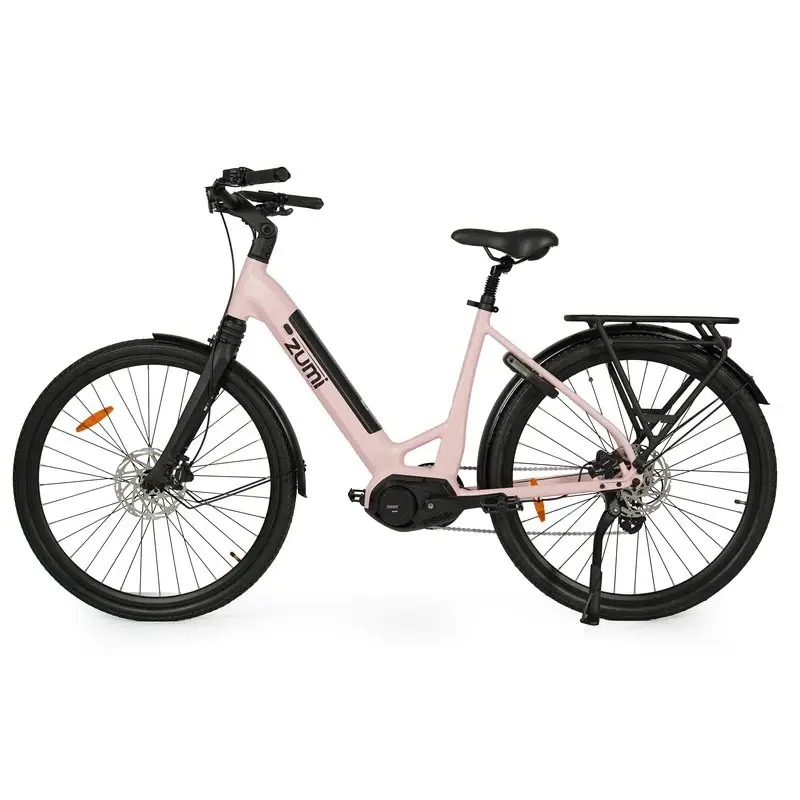
2026/08/03
Avoid liability & import bans: Learn IEC 62619, UN 38.3, and UL 2271—plus how to verify real compliance (not fakes).
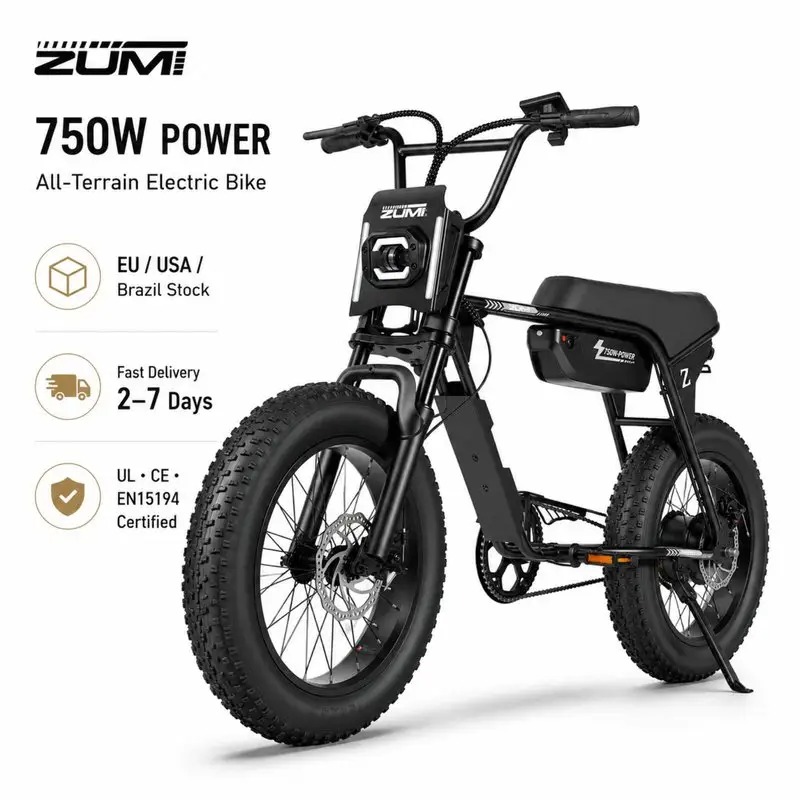
2026/08/03
Learn precise air pressure, rebound & compression tuning for optimal suspension performance. Get pro-level setup tips now.
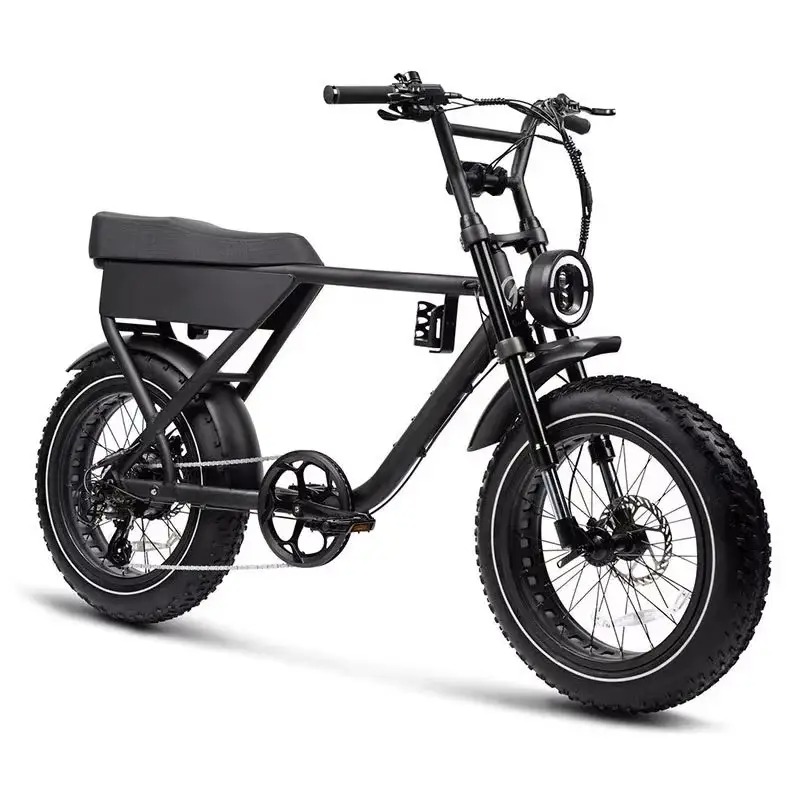
2026/08/03
Discover how voltage drop saps performance—and proven fixes to restore responsiveness, range, and battery life. Read now.
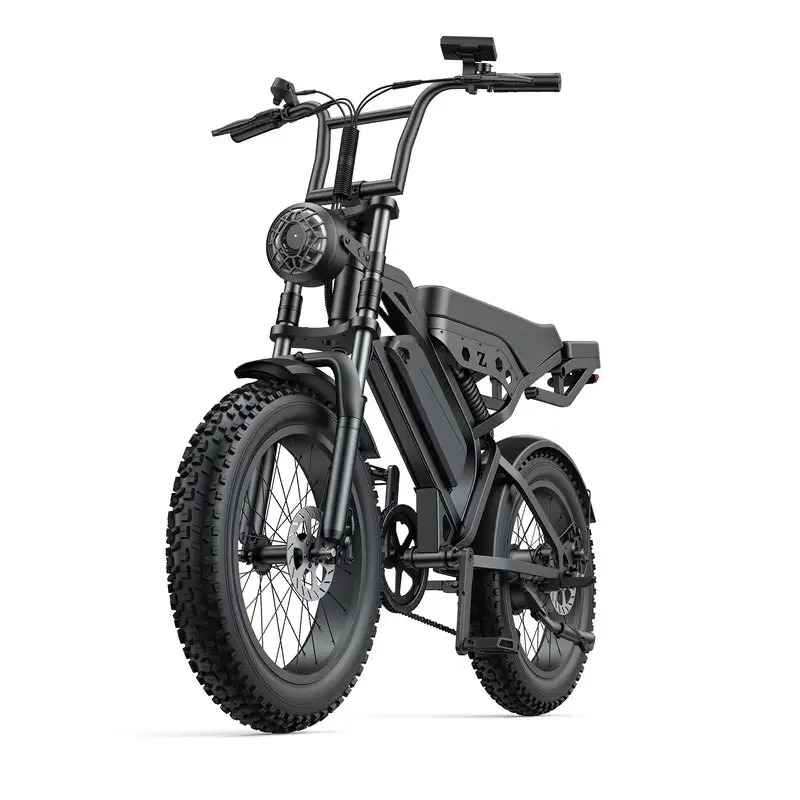
2026/08/03
Discover data-backed protocols, smart infrastructure & operational fixes. Optimize now.
2026/08/03
How payload cuts 48V cargo ebike range by 15–50%+ — backed by real-world degradation curves, motor load science & fleet optimization strategies.
Comprehensive warranty, fast parts shipping, remote diagnostics and local dealer training


