 EN
EN
STEP 1
Full vehicle warranty for 2 years
2026/09/07
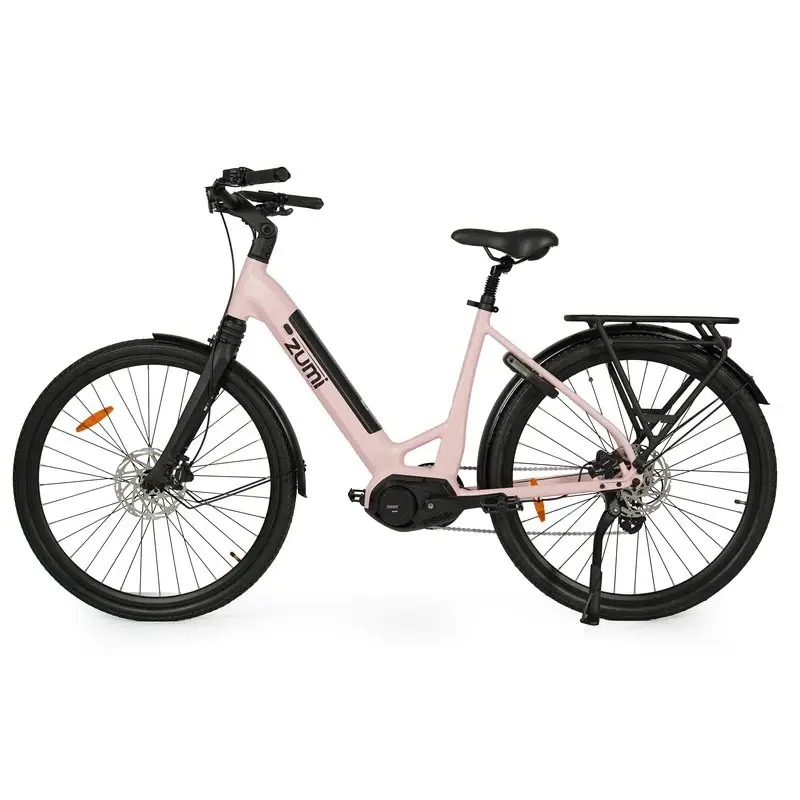
Purchasing an OEM electric bike requires more than evaluating performance specifications and price points. Intellectual property protection stands as a critical yet often overlooked factor when sourcing from custom electric bike builders or evaluating partnerships with an e bike manufacturing company. Your investment depends not only on the quality of the final product but also on ensuring that the design, components, and technology you acquire are legally protected against unauthorized use, replication, or infringement claims.
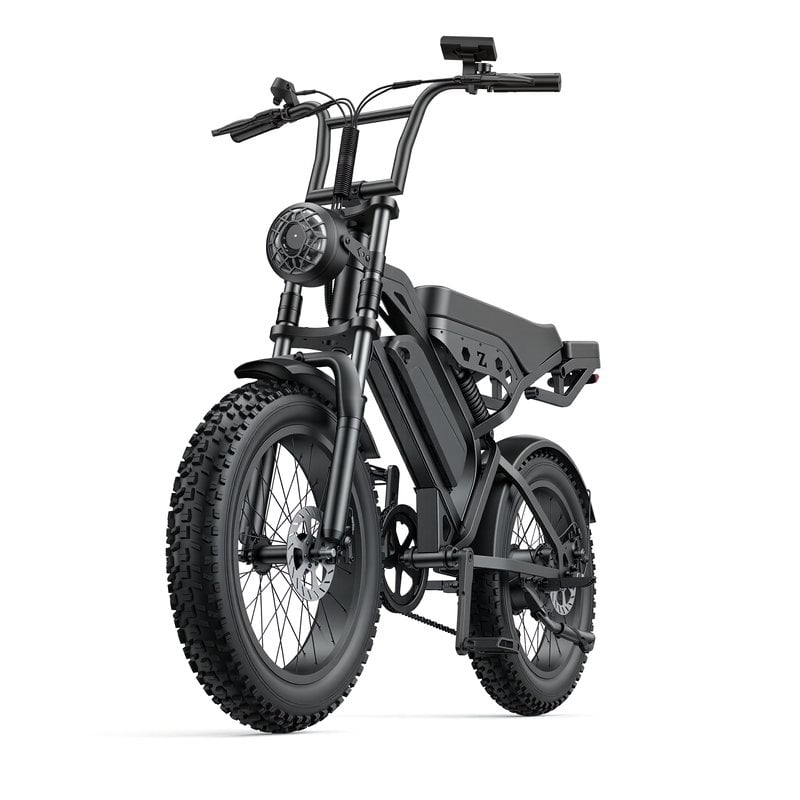
When working with custom made e bikes or establishing relationships with electric bicycle suppliers, understanding intellectual property frameworks protects your brand, ensures product legitimacy, and safeguards against legal disputes. This guide walks you through the essential verification steps, documentation requirements, and due diligence processes that distinguish a trustworthy manufacturer from one that may expose you to significant risks.
Custom electric bike builders operate within a complex intellectual property environment that encompasses patents, trademarks, design rights, and proprietary technology. Each custom made e bikes manufacturer handles intellectual property differently depending on their scale, market position, and product development approach. An e bike manufacturing company may hold patents on motor efficiency systems, battery management algorithms, or frame geometry innovations. Understanding which intellectual properties are owned, licensed, or shared is foundational to verifying protection legitimacy.
Patents represent the most significant intellectual property asset in electric bicycle manufacturing. When you source an OEM electric bike, you need confirmation that the motor technology, drivetrain systems, and electronic controls are either original inventions with granted patents or properly licensed from patent holders.
Design rights protect the unique aesthetic and functional appearance of custom made e bikes. Many custom electric bike builders register design rights for distinctive frame shapes, color schemes, and component arrangements. Trademark protection covers the brand name, logo, and any distinctive visual identity associated with the e bike manufacturing company. When verifying intellectual property for an OEM electric bike purchase, confirming that design rights and trademarks are properly registered prevents future conflicts with other manufacturers and establishes clear ownership boundaries.
Trademarks registered with relevant national and international authorities provide legal evidence of brand ownership. Custom electric bike builders investing in trademark protection demonstrate commitment to brand integrity and legal compliance. Electric bicycle suppliers operating under established trademarks typically maintain higher standards for quality and consistency because their reputation depends on brand recognition.
Begin your verification process by requesting complete documentation regarding patents owned or licensed by the custom electric bike builders you are evaluating. An e bike manufacturing company should provide patent certificates, license agreements, and technical specifications showing which components are patent-protected. For an OEM electric bike purchase, request a list of all relevant patents including the patent numbers, filing dates, and expiration dates. This documentation allows you to verify patent status through official patent office databases in relevant jurisdictions.
Patent searches through the United States Patent and Trademark Office, European Patent Office, and other regional databases reveal whether claims of intellectual property protection hold validity. Custom made e bikes incorporating motor technology, battery systems, or control algorithms should have corresponding patent documentation. Electric bicycle suppliers claiming proprietary technology must provide evidence linking their claims to actual registered patents. Request technical datasheets and cross-reference component specifications against known patent registrations to ensure technology is genuinely proprietary rather than standard market components repackaged as innovation.
Verify that trademark registrations for the e bike manufacturing company exist and remain active through trademark office databases. Custom electric bike builders should provide evidence of trademark registration in all markets where you intend to sell or distribute their products. This confirmation prevents situations where you invest in a product only to discover the brand name faces disputes or lacks legal protection in key territories. Request documentation showing trademark status, renewal dates, and any pending disputes or oppositions.
Design registrations provide additional intellectual property protection layers for distinctive OEM electric bike models. Custom made e bikes featuring unique frame geometries or aesthetic elements should be supported by registered design rights. These registrations demonstrate that the e bike manufacturing company has invested in comprehensive intellectual property strategy extending beyond basic patent coverage.
Many custom electric bike builders do not own all intellectual property within their products. Instead, they license technology from component manufacturers, software developers, or design firms. Electric bicycle suppliers often work with multiple licensed technologies combined into their final product. Request complete licensing agreements showing which third-party technologies are included in your OEM electric bike and whether those licenses transfer to your business or remain tied to the manufacturer. Verify that licensing terms permit your intended use, distribution, and geographic markets without triggering additional royalty obligations.
Examine license agreements for duration, territorial scope, and renewal requirements. Some custom made e bikes incorporate licensed technology approaching expiration dates, which could affect future production or support availability. Confirm whether the e bike manufacturing company has proper authorization to sublicense technology to you and whether any end-user restrictions apply to your customers or distribution partners.
Conduct a formal intellectual property audit before finalizing partnerships with custom electric bike builders. This audit examines all claimed intellectual property, verifies ownership through official records, and identifies any gaps in protection coverage. Request that the e bike manufacturing company provide a complete IP inventory including patents, trademarks, design rights, software copyrights, and trade secrets documentation. An OEM electric bike sourcing decision should never proceed without understanding the full intellectual property landscape underlying the product.
The audit process includes searching patent databases, trademark registries, and design right databases to confirm all claimed intellectual properties actually exist and remain in good standing. Custom made e bikes from reputable manufacturers pass this verification process smoothly, while those with questionable intellectual property often show inconsistencies between claimed protection and official records. Electric bicycle suppliers worth partnering with welcome and facilitate thorough IP verification because they operate with legitimate, properly documented intellectual property foundations.
Ensure that your purchase agreement with the custom electric bike builders includes explicit intellectual property warranties and indemnification clauses. These provisions state that the e bike manufacturing company owns or has properly licensed all intellectual property incorporated into the OEM electric bike and guarantees that your use, resale, and distribution will not infringe any third-party intellectual property rights. Indemnification clauses protect you financially if intellectual property disputes arise despite manufacturer assurances.
Request that custom made e bikes suppliers provide certificates of originality confirming that designs and technology are not copied from competitors or third parties. Electric bicycle suppliers operating legitimately maintain comprehensive documentation supporting their intellectual property claims and willingly provide contractual guarantees backing those claims. These protective measures form the foundation of legally sound sourcing relationships.
Request patent certificates with grant dates and current status, trademark registration documents for all relevant jurisdictions, design right registrations, complete licensing agreements for any third-party technology, technical specifications matching patent claims, and a comprehensive IP inventory from custom electric bike builders. For custom made e bikes, also request certificates of originality and evidence that no intellectual property claims from third parties exist. An e bike manufacturing company should provide all documentation within reasonable timeframes without excessive confidentiality restrictions that prevent verification.
Access the United States Patent and Trademark Office website, European Patent Office database, or relevant national patent offices where the custom electric bike builders operate. Search using patent numbers provided by the manufacturer, or search by company name and technology keywords. Verify that patents remain active, not expired or abandoned, and confirm that the technology described in patent documents matches the OEM electric bike specifications. For custom made e bikes incorporating licensed technology, verify that licenses were granted by actual patent holders, not fraudulent claims. Electric bicycle suppliers should facilitate this verification process by providing precise patent numbers and filing details.
Stop the sourcing process immediately and request detailed explanations from the custom electric bike builders regarding any discrepancies. If custom made e bikes include components without supporting intellectual property documentation, clarify whether those components are standard market items or involve potential IP violations. Never proceed with an OEM electric bike purchase if the e bike manufacturing company cannot satisfactorily resolve IP verification concerns, cannot provide required documentation, or becomes evasive during the audit process. Electric bicycle suppliers demonstrating transparency and legitimate intellectual property protection build long-term trustworthy relationships, while those hiding or misrepresenting their IP positions represent unacceptable business risks.
2026/08/03
Fix time zones, language gaps, and unclear protocols—boost speed, cut costs, and scale confidently.
2026/08/03
Avoid liability & import bans: Learn IEC 62619, UN 38.3, and UL 2271—plus how to verify real compliance (not fakes).
2026/08/03
Learn precise air pressure, rebound & compression tuning for optimal suspension performance. Get pro-level setup tips now.
2026/08/03
Discover how voltage drop saps performance—and proven fixes to restore responsiveness, range, and battery life. Read now.
2026/08/03
Discover data-backed protocols, smart infrastructure & operational fixes. Optimize now.
2026/08/03
How payload cuts 48V cargo ebike range by 15–50%+ — backed by real-world degradation curves, motor load science & fleet optimization strategies.
Comprehensive warranty, fast parts shipping, remote diagnostics and local dealer training


