 EN
EN
STEP 1
Full vehicle warranty for 2 years
2026/08/04
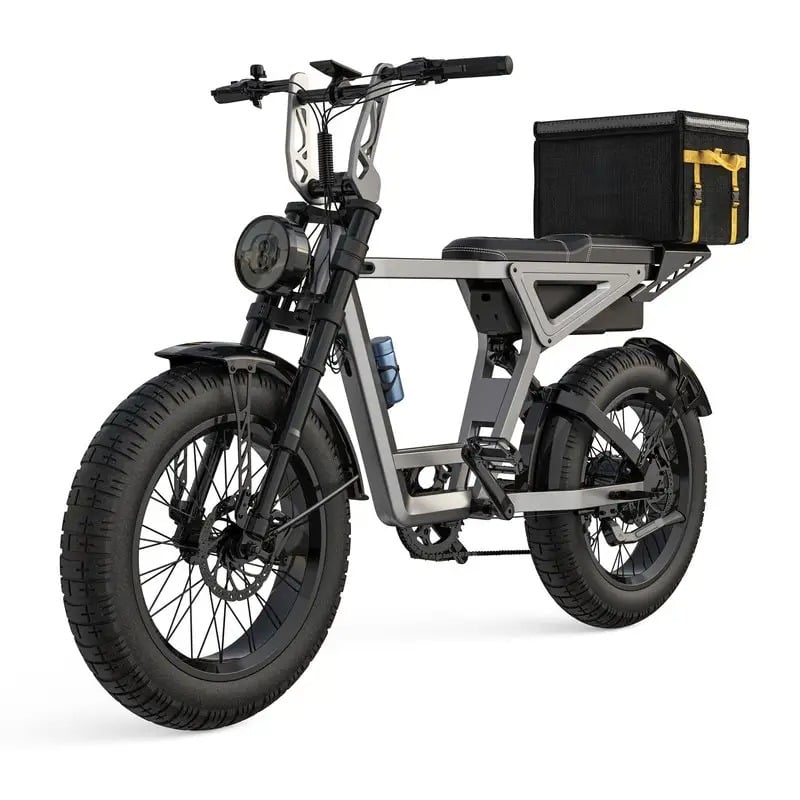
Testing equipment verification is a critical process when working with companies that make electric bikes. Whether you are sourcing ebikes for retail distribution, managing supply chain quality, or evaluating an electric bike factory for partnership, understanding how to verify their testing infrastructure directly impacts product reliability and your business reputation. Testing equipment verification ensures that the ebike manufacturer has the proper tools and protocols to validate motor performance, battery safety, structural integrity, and electrical systems before products reach end users.
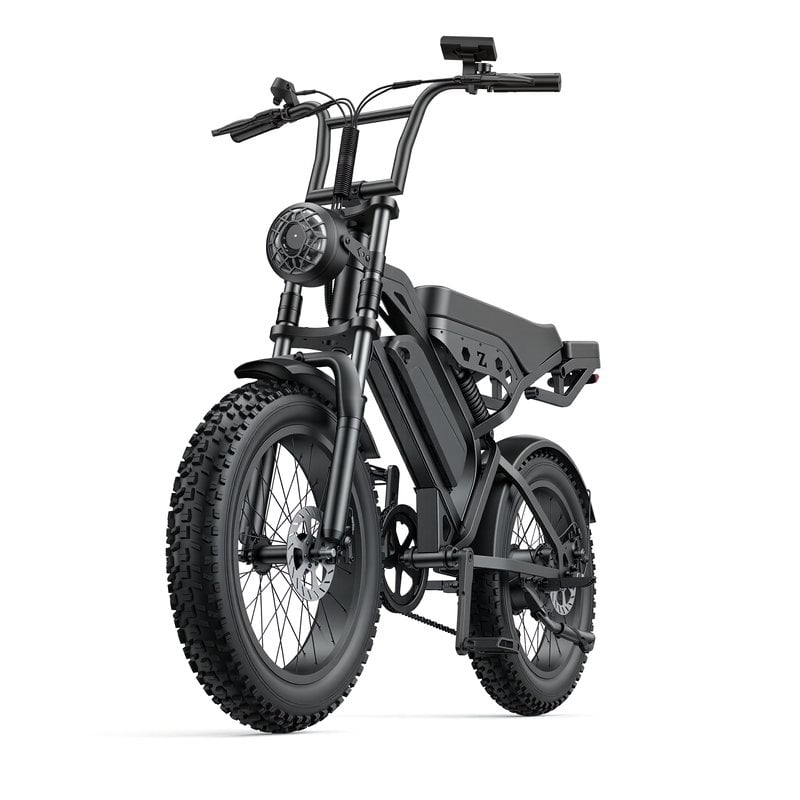
The verification process involves multiple layers of assessment, from physical equipment inspection to calibration records and performance data validation. An ebike supplier with robust testing capabilities can demonstrate compliance with international safety standards, reduce defect rates, and provide transparency throughout the manufacturing process. This article walks you through the essential verification steps you should take when evaluating any electric bike factory.
Companies that make electric bikes must maintain testing equipment across several critical domains. Motor testing equipment measures output power, efficiency, torque consistency, and thermal performance under load. Battery testing systems validate cell capacity, voltage stability, charge cycles, and thermal management. Structural testing equipment assesses frame durability, weld integrity, and load-bearing capacity through fatigue and stress analysis. Electrical safety testers verify insulation resistance, ground continuity, and component isolation to prevent short circuits and electrical hazards.
An ebike manufacturer operating at industry standards will possess calibrated equipment for each category. The equipment must meet specifications outlined in standards such as UL 2849, EN 15194, and GB 17382, depending on target markets. Without proper testing infrastructure, an electric bike factory cannot reliably detect defects or ensure consistency across production batches.
Every ebike supplier should maintain comprehensive documentation of their testing infrastructure. This includes equipment purchase receipts, calibration certificates, maintenance logs, and test reports. Calibration records prove that instruments measure accurately within acceptable tolerances. Testing records demonstrate that the electric bike factory conducts regular validations of finished products. Request a sample of recent test data for motor performance, battery cycle counts, and safety compliance results.
When visiting an ebike manufacturer or electric bike factory, conduct a thorough visual inspection of their testing laboratory. Look for equipment that appears well-maintained, properly labeled, and organized in a controlled environment. Temperature and humidity control are essential for accurate battery and electronic component testing. Check for proper grounding systems, ventilation, and safety equipment like fire suppressors and first aid stations. An ebike supplier's commitment to facility standards reflects their overall quality culture.
Request to observe testing procedures in action. Watch technicians perform motor testing, battery capacity verification, and electrical safety checks on sample products. Ask about failure thresholds and how the company handles products that do not pass testing. A transparent companies that make electric bikes will openly discuss their rejection rates and continuous improvement processes.
Verify that all critical testing equipment is calibrated by accredited laboratories on a defined schedule. Calibration certificates should show equipment type, measurement range, tolerance limits, and calibration date. An electric bike factory must recalibrate instruments at least annually, or more frequently for high-precision equipment. Cross-check calibration dates against testing records to ensure no tests were performed on uncalibrated equipment.
Ask the ebike manufacturer which international standards they follow for testing procedures. Standards like IEC 61000 for electromagnetic compatibility, IEC 62619 for battery safety, and ISO 4210 for bicycle mechanical safety should be referenced in their testing protocols. An ebike supplier aligned with these standards demonstrates credibility and reduces your regulatory risk.
Request representative testing reports from the electric bike factory for products you plan to purchase. These should include motor efficiency curves, battery capacity degradation over cycles, mechanical stress test results, and safety compliance certifications. Review the reports for completeness, consistency with claimed specifications, and alignment with your performance requirements. An ebike manufacturer providing detailed, transparent data reports indicates operational maturity.
Cross-reference reported performance data with independent third-party test results when available. Some companies that make electric bikes undergo external validation by certification bodies. If the ebike supplier's internal test results significantly differ from independent testing, this flags potential concerns about measurement accuracy or data integrity.
An effective ebike supplier maintains structured quality processes that evolve over time. Ask about their defect tracking, root cause analysis, and corrective action procedures when testing identifies issues. Review their testing equipment upgrade schedule to ensure they are maintaining state-of-the-art capabilities. Companies that make electric bikes with mature quality systems invest regularly in equipment maintenance and staff training.
Discuss how the electric bike factory handles testing during product development versus production. Early-stage prototypes require different testing protocols than mass production units. A responsible ebike manufacturer conducts comprehensive testing at each design phase, incorporating feedback into subsequent iterations before full-scale production begins.
An electric bike factory should maintain certifications such as ISO 9001 for quality management, ISO 14001 for environmental standards, and product-specific certifications like UL 2849 or CE marking under EN 15194. These certifications indicate that the ebike supplier has undergone independent audits and meets established manufacturing standards. Request current certification documents and verification codes directly from certification bodies when possible.
Testing equipment calibration frequency depends on equipment type and manufacturer recommendations. Most critical instruments like power meters, battery testers, and torque sensors require annual calibration. High-precision laboratory equipment may need more frequent calibration every six months. An ebike supplier following industry best practices documents all calibration events and maintains a master equipment register tracking calibration due dates.
Yes, many independent testing laboratories and certification bodies offer factory audits and equipment verification services. You can hire external auditors to inspect the ebike manufacturer's testing infrastructure, review calibration records, and witness live testing procedures. This third-party verification provides objective assurance of compliance and helps you make informed sourcing decisions when evaluating an ebike supplier.
2026/08/03
Fix time zones, language gaps, and unclear protocols—boost speed, cut costs, and scale confidently.
2026/08/03
Avoid liability & import bans: Learn IEC 62619, UN 38.3, and UL 2271—plus how to verify real compliance (not fakes).
2026/08/03
Learn precise air pressure, rebound & compression tuning for optimal suspension performance. Get pro-level setup tips now.
2026/08/03
Discover how voltage drop saps performance—and proven fixes to restore responsiveness, range, and battery life. Read now.
2026/08/03
Discover data-backed protocols, smart infrastructure & operational fixes. Optimize now.
2026/08/03
How payload cuts 48V cargo ebike range by 15–50%+ — backed by real-world degradation curves, motor load science & fleet optimization strategies.
Comprehensive warranty, fast parts shipping, remote diagnostics and local dealer training


