 EN
EN
STEP 1
Full vehicle warranty for 2 years
2026/08/12
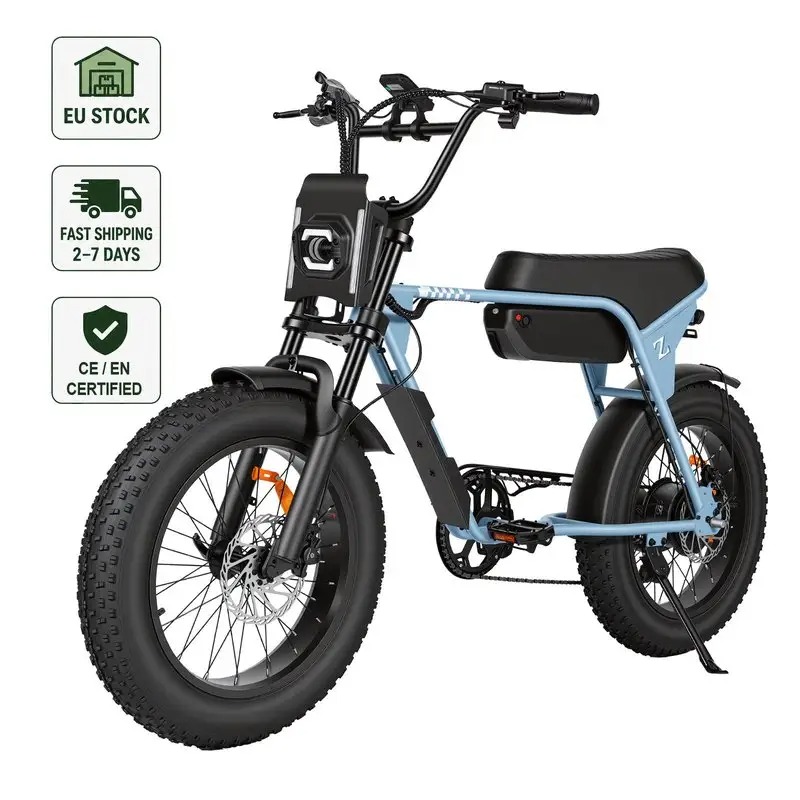
Modern terrain demands advanced suspension technology to ensure rider safety and comfort. A full suspension electric bike integrates dual shock absorption systems that work together to dampen vibrations and impacts across both front and rear wheels. This comprehensive approach to impact management distinguishes full suspension mountain ebikes from hardtail alternatives, offering riders superior control and reduced fatigue during extended journeys on challenging surfaces.
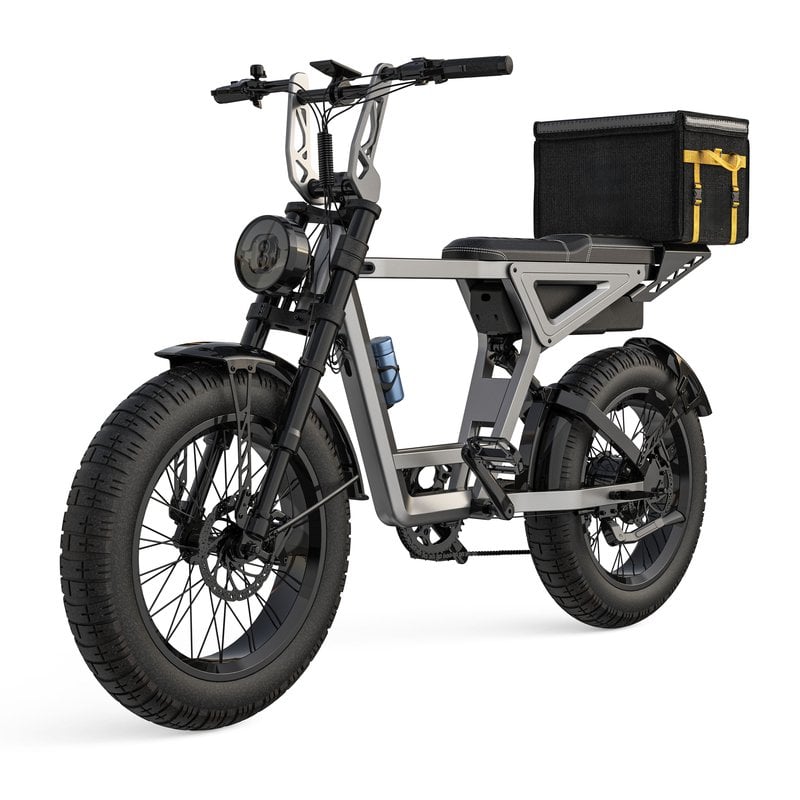
Understanding how an electric full suspension system absorbs and manages impact forces is essential for anyone investing in off-road or mountain biking equipment. The suspension geometry, spring rates, damping characteristics, and weight distribution all interact to create a responsive, stable platform. Full suspension ebike mountain bike designs have evolved significantly, incorporating advanced materials and tuning strategies that enhance both performance and ride quality across diverse trail conditions.
The front fork in a full suspension mountain ebikes system typically features coil or air springs that compress when the tire encounters bumps, rocks, or roots. This initial absorption point prevents direct shock transmission to the frame and rider upper body. Simultaneously, the rear suspension leverages a shock absorber mounted between the seat tube and rear wheel hub, creating a second impact mitigation layer. Together, these components allow a full suspension electric bike to distribute forces progressively rather than transmitting them instantaneously to the rider. The coordinated action between front and rear units ensures that neither suspension component works in isolation, enabling smooth load transfer and maintaining tire contact with the ground during technical riding.
Spring rate determines how much compression force is required to move the suspension through its travel range. An electric full suspension system must account for additional motor and battery weight compared to traditional bicycles, requiring stiffer spring rates or carefully calibrated air pressure settings. Manufacturers of full suspension ebike mountain bike models engineer suspension components to match typical rider weight ranges, cargo capacity, and intended terrain difficulty. Proper spring rate selection enables efficient energy absorption without bottoming out or creating excessive harshness that would defeat the suspension's purpose.
Hydraulic dampers filled with specialized suspension fluid control the speed at which springs extend and compress. When a wheel strikes an obstacle, the damper restricts fluid flow through precision ports and valves, slowing compression and preventing rapid oscillation. This controlled dissipation of energy separates impact absorption from vibration bounce. A quality full suspension mountain ebikes setup includes compression damping that adjusts how quickly the suspension collapses under impact, and rebound damping that controls how quickly it returns to its original position. These adjustable parameters allow riders to fine-tune their full suspension electric bike for specific trail conditions, rider preferences, and load configurations.
Many modern electric full suspension systems feature compression and rebound adjustment dials that enable on-the-fly tuning without tools or mechanical intervention. Increasing compression damping firms the suspension, beneficial for high-speed descents where impact frequency is high. Decreasing damping softens the ride, improving small-bump compliance on technical terrain. The hydraulic fluid itself plays a critical role in damping performance; temperature changes affect viscosity, altering how effectively the suspension absorbs energy. Riders of a full suspension ebike mountain bike often discover optimal settings through systematic testing rather than relying on factory defaults alone, since trail conditions and riding style significantly influence performance.
Suspension travel refers to the total distance a spring can compress before reaching its mechanical limits. Full suspension mountain ebikes typically offer 100 to 200 millimeters of front and rear travel, providing substantial compliance over rough terrain. Adequate travel ensures that large impacts compress the suspension fully without transmitting force directly to the frame or rider. Progressive spring curves add increasing resistance as travel nears maximum compression, preventing harsh bottoming that could damage components or injure the rider. An electric full suspension bike with insufficient travel performs poorly on rocky or heavily rooted trails where frequent large impacts occur, while excessive travel may introduce instability or sluggish handling on smoother sections.
Full suspension ebike mountain bike models must accommodate the combined weight of the rider, cargo, motor, and battery while maintaining predictable impact absorption characteristics. The suspension's ability to absorb energy scales with both the force of impact and the mass of the system. Heavier riders or those carrying substantial cargo require different suspension tuning than lighter users. Engineers design full suspension electric bikes with adjustable pressure settings or optional spring rates to accommodate this range without compromising performance. Proper weight distribution maintains consistent tire contact with terrain, essential for traction and steering control during technical descents or accelerating climbs on challenging surfaces.
The appropriate travel depends on terrain type and riding style. For smooth trails and cross-country riding, 80–120 millimeters suffices. Aggressive mountain biking, rocky descents, and technical terrain benefit from 150–200 millimeters. A full suspension mountain ebikes designed for all-mountain use typically features 120–160 millimeters front and rear, balancing efficiency with impact protection. Consider your local trail conditions and typical impact frequency when evaluating travel requirements for your full suspension electric bike.
Most modern full suspension ebike mountain bike models include easily accessible damping adjustment knobs on the shock absorbers, enabling mid-ride tuning without tools. Riders can increase compression damping for high-speed sections or decrease it for technical climbing. However, full suspension mountain ebikes vary in adjustment range and sophistication; some offer only basic rebound adjustment while others provide independent compression and rebound controls. Always consult your manufacturer's guidelines before making adjustments to your full suspension electric bike to avoid unintended performance changes.
Regular inspections of suspension components prevent degradation and maintain impact absorption performance. Check for oil leaks around shock bodies, ensure air pressure in air springs matches manufacturer specifications, and verify that damping adjustment mechanisms move smoothly. Dirty or contaminated suspension fluid reduces damping effectiveness over time. Many riders service their full suspension mountain ebikes suspension annually or after heavy riding seasons. Proper care of your full suspension electric bike's suspension system ensures consistent impact absorption and extends component lifespan significantly.
2026/08/03
Fix time zones, language gaps, and unclear protocols—boost speed, cut costs, and scale confidently.
2026/08/03
Avoid liability & import bans: Learn IEC 62619, UN 38.3, and UL 2271—plus how to verify real compliance (not fakes).
2026/08/03
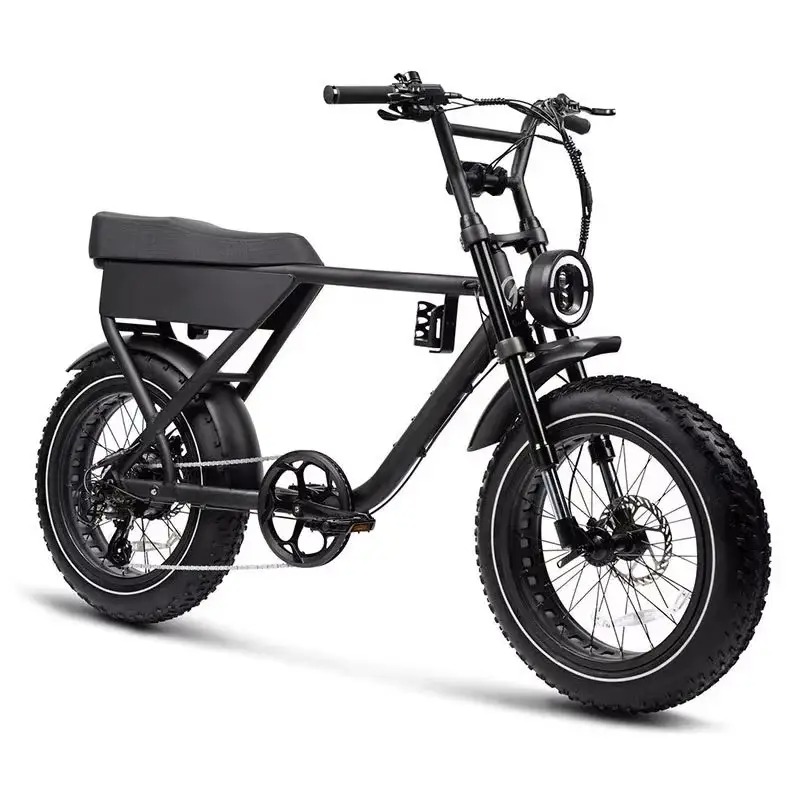
Learn precise air pressure, rebound & compression tuning for optimal suspension performance. Get pro-level setup tips now.
2026/08/03
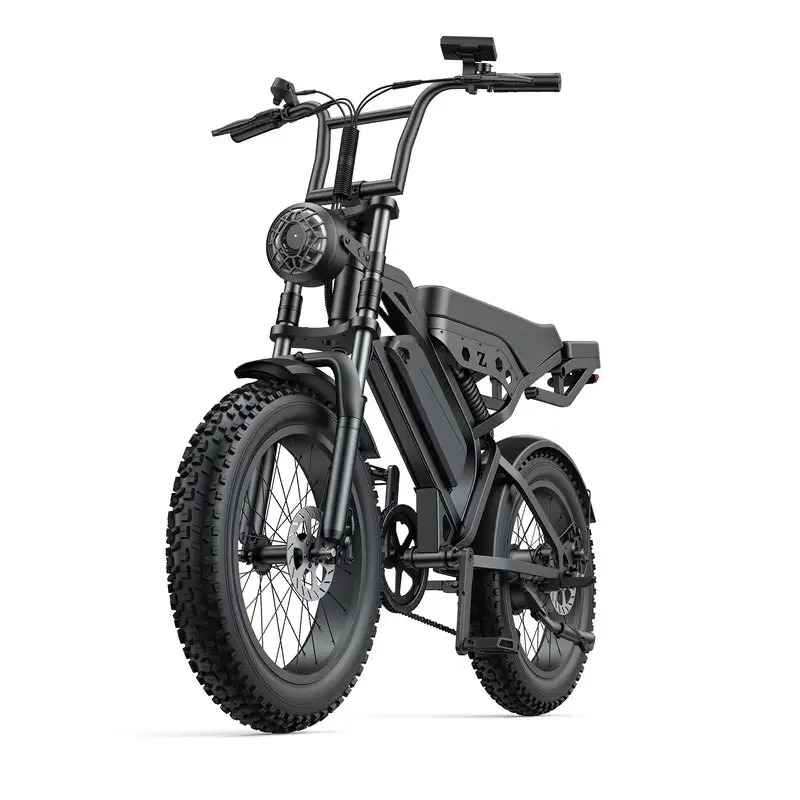
Discover how voltage drop saps performance—and proven fixes to restore responsiveness, range, and battery life. Read now.
2026/08/03
Discover data-backed protocols, smart infrastructure & operational fixes. Optimize now.
2026/08/03
How payload cuts 48V cargo ebike range by 15–50%+ — backed by real-world degradation curves, motor load science & fleet optimization strategies.
Comprehensive warranty, fast parts shipping, remote diagnostics and local dealer training


