 EN
EN
STEP 1
Full vehicle warranty for 2 years
2026/09/02
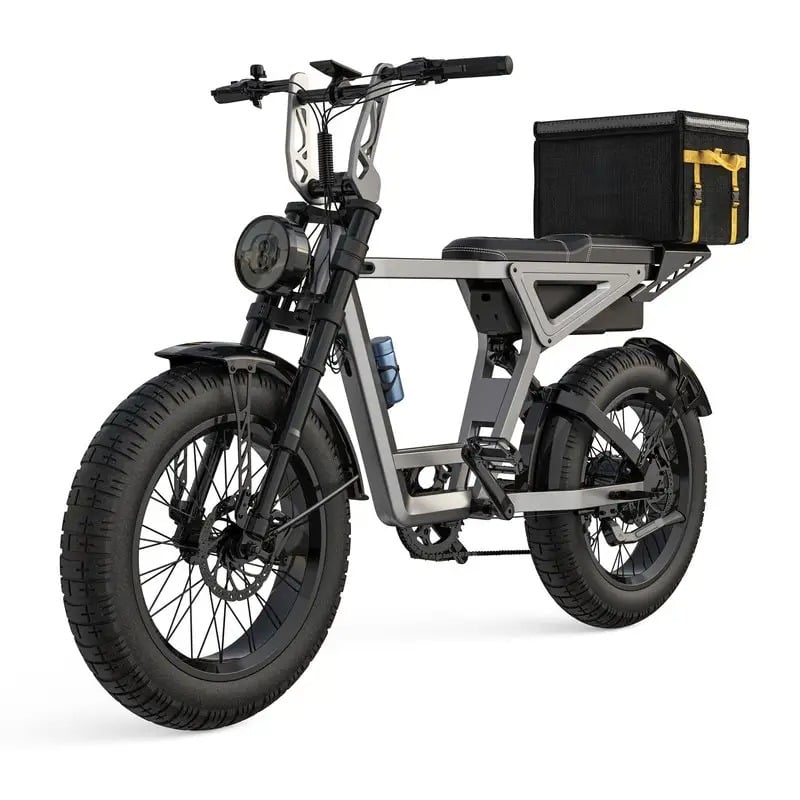
The decision to import or assemble wholesale electric bikes USA represents one of the most critical strategic choices for distributors and retailers entering the rapidly growing e-bike market. Understanding the fundamental differences between these two approaches directly impacts your operational costs, supply chain flexibility, product quality, and competitive positioning. Whether you choose to source finished units from overseas manufacturers or establish domestic assembly operations, each path carries distinct advantages and challenges that merit careful evaluation.
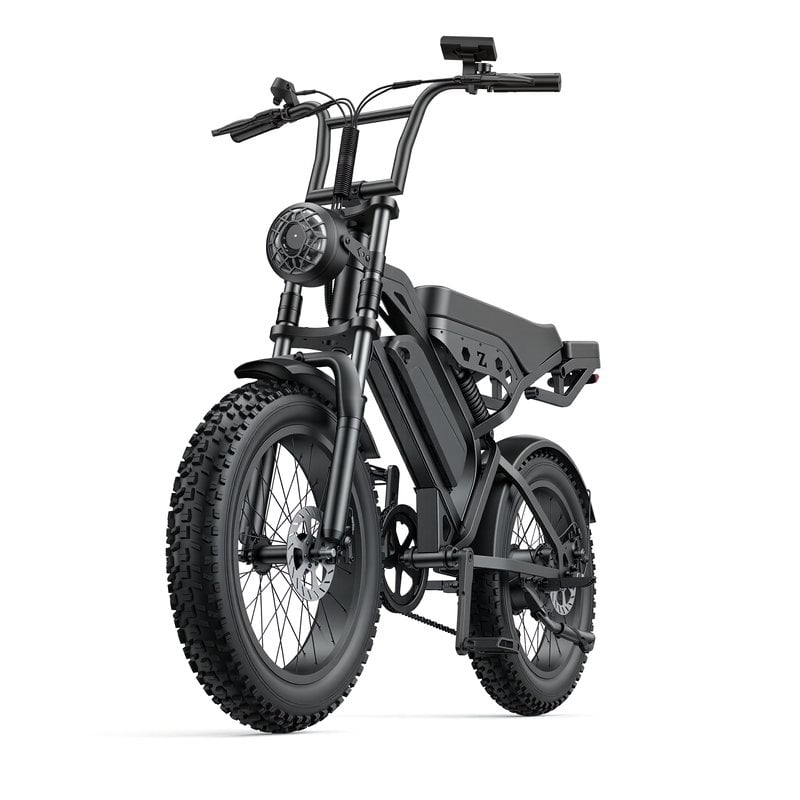
The wholesale electric bikes USA market has expanded dramatically, with buyers seeking reliable supply partners who can deliver quality products consistently. Your sourcing model fundamentally shapes how you scale, adapt to market demands, and maintain profitability in this competitive landscape.
Importing complete assembled units from established manufacturers overseas offers significant cost reduction through economies of scale and lower labor expenses in producing regions. Wholesale electric bikes suppliers operating at global scale achieve manufacturing efficiencies that smaller domestic operations cannot match. When you import ebikes wholesale, you leverage existing production infrastructure, tested quality systems, and bulk purchasing power that directly lower your landed costs per unit.
The financial model of importing ebike wholesale usa products typically involves container shipments that spread fixed freight costs across hundreds of units, dramatically reducing per-unit expenses. You avoid capital investment in assembly facilities, specialized tooling, and skilled assembly labor. Additionally, importing lets you access diverse product specifications and designs from multiple international sources, providing portfolio flexibility without the burden of holding diverse inventory from domestic manufacturers.
Import-based models introduce longer procurement cycles, typically ranging from 60 to 120 days from order to delivery at your warehouse. This extended timeline requires accurate demand forecasting and careful inventory planning to avoid stockouts or excess inventory. Ocean freight schedules operate on fixed departure dates, meaning you cannot easily adjust order quantities mid-cycle. For ebike wholesale suppliers managing seasonal demand fluctuations, this rigidity can create cash flow challenges if market demand shifts unexpectedly.
Quality control becomes more complex when importing electric bike wholesale in usa markets because final inspection happens after weeks of transit. Any product defects discovered upon arrival create delays in addressing supplier issues. Customization requests from retailers or end customers require negotiating with overseas partners, often adding weeks to turnaround timelines. Currency fluctuations and international logistics complexity also introduce unpredictability into your final cost per unit.
Assembling wholesale electric bikes domestically provides unprecedented flexibility to respond to market demands with shorter turnaround times. Rather than waiting for container shipments, domestic assembly operations can source component kits from multiple suppliers and build finished units within days or weeks. This agility allows you to introduce product variations, add custom branding, or incorporate market-specific features without renegotiating with international manufacturers. Retailers requesting specialized configurations or smaller batch runs become easier to accommodate when you control the assembly process locally.
Quality control improves dramatically when you oversee assembly directly. Issues are identified immediately and corrected in real time, reducing warranty claims and customer dissatisfaction. You can ensure that every unit meets your exact specifications and performance standards before shipping to customers. This hands-on approach builds stronger brand reputation and customer loyalty, differentiating your wholesale electric bikes suppliers positioning from competitors relying solely on import models.
Domestic assembly requires substantial upfront capital investment in facility space, assembly equipment, testing infrastructure, and skilled technician hiring. Your fixed overhead increases regardless of production volume, creating pressure to maintain high utilization rates. Labor costs in the USA remain considerably higher than in overseas manufacturing regions, pushing per-unit assembly costs significantly above imported alternatives. Component sourcing adds complexity, requiring relationships with multiple suppliers for motors, batteries, frames, and electronics to ensure consistent availability.
Workforce management presents ongoing challenges in maintaining consistent assembly quality and meeting production schedules. Training assembly technicians requires time and investment, and staff turnover can disrupt operations. Compliance with local labor regulations, safety standards, and environmental requirements adds administrative burden and potential costs. Despite these challenges, the ability to maintain inventory of component kits rather than finished units can reduce overall working capital requirements compared to importing pre-assembled ebikes wholesale.
Your ideal sourcing approach depends on your target market, order volumes, customer service expectations, and competitive positioning. High-volume distributors serving national retailers benefit from importing wholesale electric bikes suppliers' finished products due to cost advantages and predictable large-order economics. Retailers focusing on local markets and custom configurations gain competitive advantage through domestic assembly capabilities. Many successful ebike wholesale usa operations employ hybrid approaches, importing base models for high-volume standard offerings while assembling custom variants domestically.
Market timing also influences sourcing decisions. Entering the market quickly favors importing because you avoid facility development delays. However, long-term competitiveness and market share growth often require domestic assembly capabilities as your business matures. Evaluating your specific operational requirements, customer expectations, and financial resources ensures you select the sourcing model that maximizes profitability while supporting your growth trajectory in the wholesale electric bikes market.
Importing electric bike wholesale in usa markets requires navigating tariffs, import duties, and customs regulations that vary by product classification and origin. Battery regulations, specifically lithium-ion battery transportation rules, add complexity to international shipping. Domestic assembly simplifies regulatory compliance because you manage quality and safety standards directly within your facility. You avoid international shipping restrictions and benefit from clearer warranty and liability structures under USA law.
Sustainability and environmental consciousness increasingly influence purchasing decisions in the ebike wholesale sector. Domestic assembly reduces transportation emissions and appeals to environmentally-conscious retailers and consumers. However, importing from regions with advanced manufacturing efficiency might offset carbon footprints if those facilities operate at scale. Understanding your target customers' values and regulatory environment helps determine which sourcing model aligns with your brand positioning and long-term market viability.
Importing typically reduces per-unit costs by 20-40% compared to domestic assembly, depending on volume and component sourcing strategies. Import models benefit from overseas labor cost advantages and manufacturing scale. However, domestic assembly reduces transportation and inventory holding costs while enabling faster response to market demands, potentially offsetting higher assembly labor through reduced waste and inventory optimization.
Importing wholesale electric bikes USA involves 60-120 day lead times from order to delivery, while domestic assembly typically delivers finished units within 2-4 weeks. Import models require accurate forecasting and fixed production schedules, whereas domestic assembly accommodates shorter lead times and custom orders. This timeline difference significantly impacts working capital management and your ability to respond to unexpected market opportunities or demand shifts.
Domestic assembly excels at customization, allowing retailers to request product variations, branding, and configurations with quick turnaround. Importing wholesale electric bikes suppliers' finished products limits customization options unless you negotiate specialized production runs with manufacturers. For distributors targeting retailers seeking differentiated products or private labeling opportunities, domestic assembly provides competitive advantage even at higher per-unit costs.
2026/08/03
Fix time zones, language gaps, and unclear protocols—boost speed, cut costs, and scale confidently.
2026/08/03
Avoid liability & import bans: Learn IEC 62619, UN 38.3, and UL 2271—plus how to verify real compliance (not fakes).
2026/08/03
Learn precise air pressure, rebound & compression tuning for optimal suspension performance. Get pro-level setup tips now.
2026/08/03
Discover how voltage drop saps performance—and proven fixes to restore responsiveness, range, and battery life. Read now.
2026/08/03
Discover data-backed protocols, smart infrastructure & operational fixes. Optimize now.
2026/08/03
How payload cuts 48V cargo ebike range by 15–50%+ — backed by real-world degradation curves, motor load science & fleet optimization strategies.
Comprehensive warranty, fast parts shipping, remote diagnostics and local dealer training


