 EN
EN
STEP 1
Full vehicle warranty for 2 years
2026/08/11
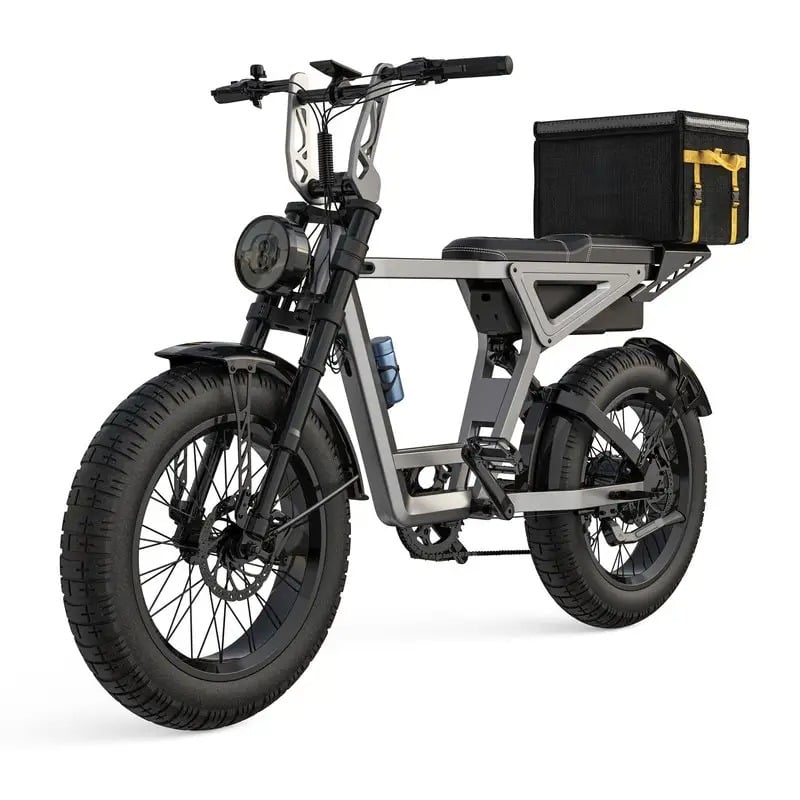
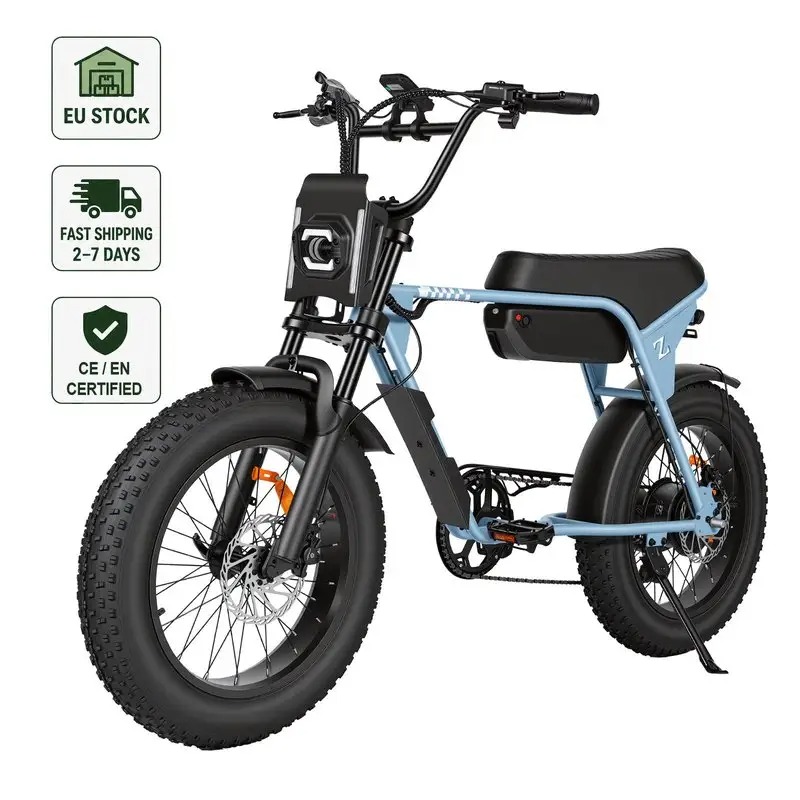
Integrating cargo accessories into your fat tire ebike requires careful planning and strategic implementation to maintain performance, safety, and rider comfort. Whether you operate a fat tire ebike 750w model or a custom fat tire ebike designed for heavy loads, the way you attach and distribute cargo directly impacts handling, battery range, and overall ride quality. Understanding the fundamental principles of cargo integration ensures your fat tire ebike cruiser operates efficiently while carrying what you need.
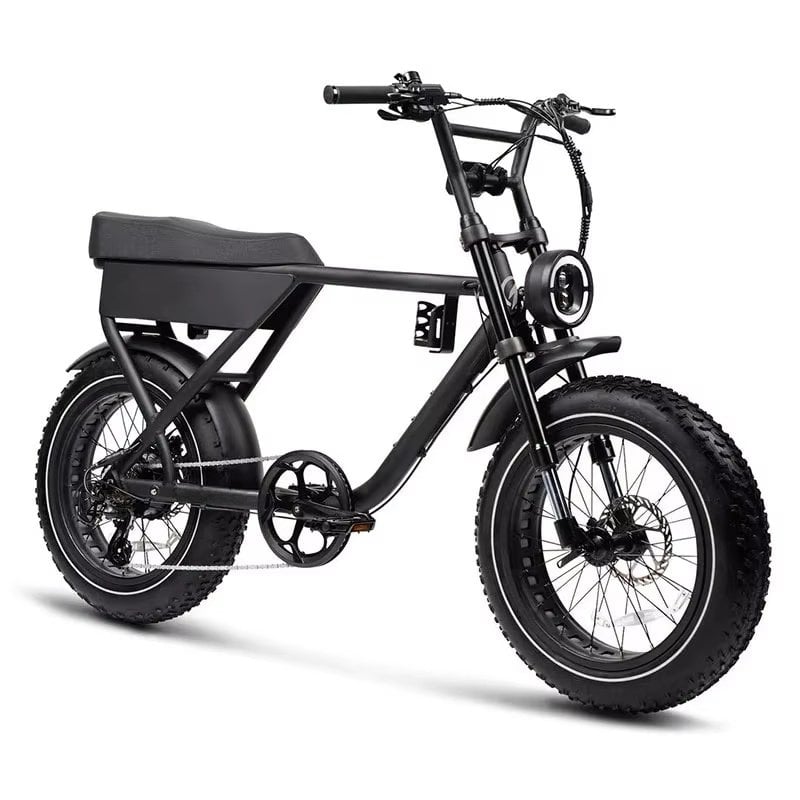
Cargo integration on an ebike cruiser fat tire platform involves more than simply bolting on racks and baskets. It demands understanding weight limits, load distribution mechanics, frame geometry, and how power delivery systems respond to added mass. Your fat tire ebike 750w is engineered with specific payload capacities, and exceeding those limits risks component failure, reduced acceleration, and compromised braking performance. This guide walks through proven integration strategies that maximize cargo capacity while preserving the reliability and handling characteristics your fat tire ebike was designed to deliver.
On any ebike cruiser fat tire model, where you position cargo directly affects steering response and stability. The ideal approach places heavy loads low and centered on your fat tire ebike, typically over or slightly behind the rear axle. This positioning keeps the center of gravity stable and prevents front-end heaviness, which can cause sluggish steering and increased motor strain. A custom fat tire ebike designed with integrated cargo integration naturally distributes this load through its frame architecture, but aftermarket additions require deliberate placement strategy.
Adding cargo to a fat tire ebike 750w increases system load, demanding more from the motor and battery. The motor must work harder during acceleration, hill climbing, and sustained cruising when carrying heavier payloads. Strategic weight distribution reduces unnecessary motor stress by maintaining balance, which improves efficiency and extends range per charge. Riders who understand this principle can integrate cargo systems that actually preserve their fat tire ebike's performance rather than degrade it, particularly on longer routes or terrain-challenged routes where energy conservation matters most.
A fat tire ebike cruiser benefits from purpose-built cargo racks that account for the wide tire base and frame geometry. Rear racks mounted directly to the frame provide stable, predictable cargo support and keep weight off the front wheel. Many custom fat tire ebike builders integrate rack mounting points directly into frame design, eliminating the need for retrofitting. When selecting a fat tire ebike 750w rack system, verify weight ratings, confirm mounting hardware matches your frame diameter, and ensure the rack design doesn't interfere with the fat tires or suspension components common to modern ebike cruiser fat tire designs.
Proper cargo securement prevents shifting during acceleration, braking, or turns—problems that become dangerous on a heavily loaded fat tire ebike. Use straps rated for the weight you're carrying, position cargo low to maintain stability, and avoid overloading a single point. Many riders of a fat tire ebike 750w or custom fat tire ebike benefit from waterproof cargo bags that distribute weight evenly across the rack surface. Test your setup by riding slowly on smooth terrain before taking your loaded ebike cruiser fat tire into traffic or challenging conditions. Loose cargo not only creates safety risks but also forces your motor to compensate for shifting weight, wasting battery energy and accelerating component wear.
Every additional kilogram on your fat tire ebike directly reduces range and increases energy consumption. A fat tire ebike 750w under light use might travel 80 kilometers on a single charge, but add 20 kilograms of cargo and expect that range to drop significantly. Riders planning regular cargo duties should choose a custom fat tire ebike with larger battery capacity, which distributes that weight more evenly and provides reserve energy for unexpected demands. Understanding this trade-off helps you plan realistic routes and integrate cargo systems that match your actual use case rather than creating a mismatch between ambition and capability.
Fat tires provide excellent traction and load distribution, which is why cargo-focused ebike cruiser fat tire models typically feature them. However, heavier loads increase rolling resistance and wear. Ensure your fat tire ebike has adequate braking power for combined rider and cargo weight—hydraulic or high-quality mechanical disc brakes become essential when you're managing additional momentum. The frame, fork, and suspension components on a fat tire ebike 750w are rated for specific loads; exceeding those limits can cause structural issues or accelerated component failure. Always consult manufacturer specifications and distribute cargo integration across multiple sessions to identify any handling anomalies early.
Most fat tire ebike 750w models support total loads between 180 and 250 kilograms, including rider and cargo combined. Verify the exact specification from your manufacturer, as frame material, suspension design, and motor type all influence safe payload limits. Exceeding these ratings risks frame damage, brake failure, and motor overheating. Always leave a safety margin rather than pushing capacity limits, especially on a custom fat tire ebike where frame tolerances may differ from standard models.
Rear cargo mounting is generally superior for an ebike cruiser fat tire because it maintains steering responsiveness and keeps the front wheel lighter for better traction. Front baskets work for light, infrequently carried items, but loading the front wheel of a fat tire ebike compromises handling and increases motor strain as the system compensates for weight imbalance. If you require significant cargo capacity on your fat tire ebike 750w, prioritize rear-mounted solutions or consider pannier systems that distribute weight across both sides of the rear wheel.
Most manufacturers honor warranties on custom fat tire ebike models even with cargo integration, provided you stay within rated payload limits and use approved mounting systems. Installing incompatible racks or exceeding weight specifications may void coverage. Contact your manufacturer before integrating cargo systems, especially if you're modifying a fat tire ebike 750w significantly. Proper integration using manufacturer-approved accessories typically preserves warranty protection while enabling reliable cargo carrying.
2026/08/03
Fix time zones, language gaps, and unclear protocols—boost speed, cut costs, and scale confidently.
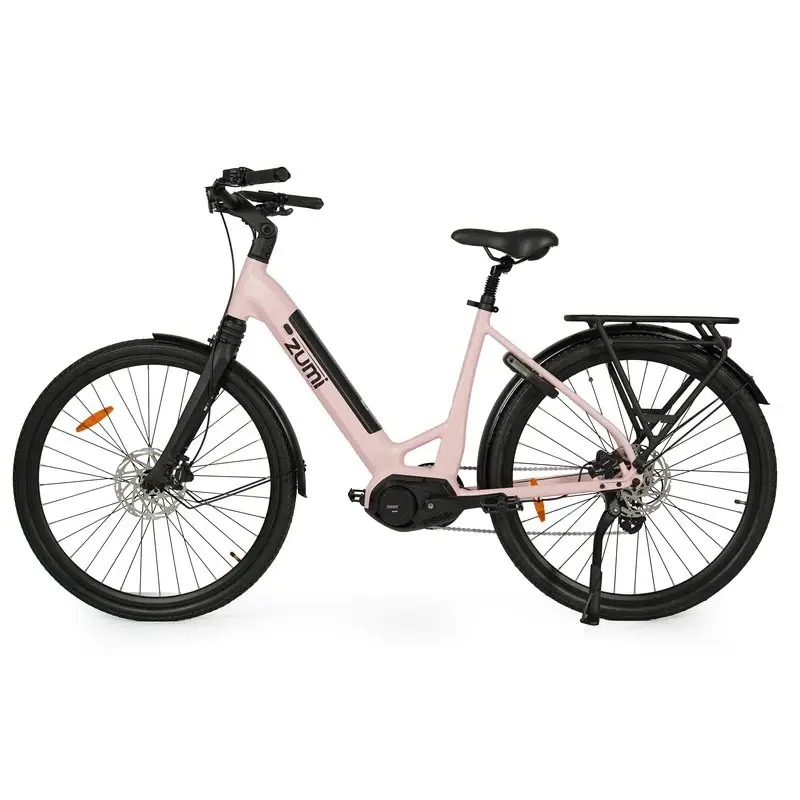
2026/08/03
Avoid liability & import bans: Learn IEC 62619, UN 38.3, and UL 2271—plus how to verify real compliance (not fakes).
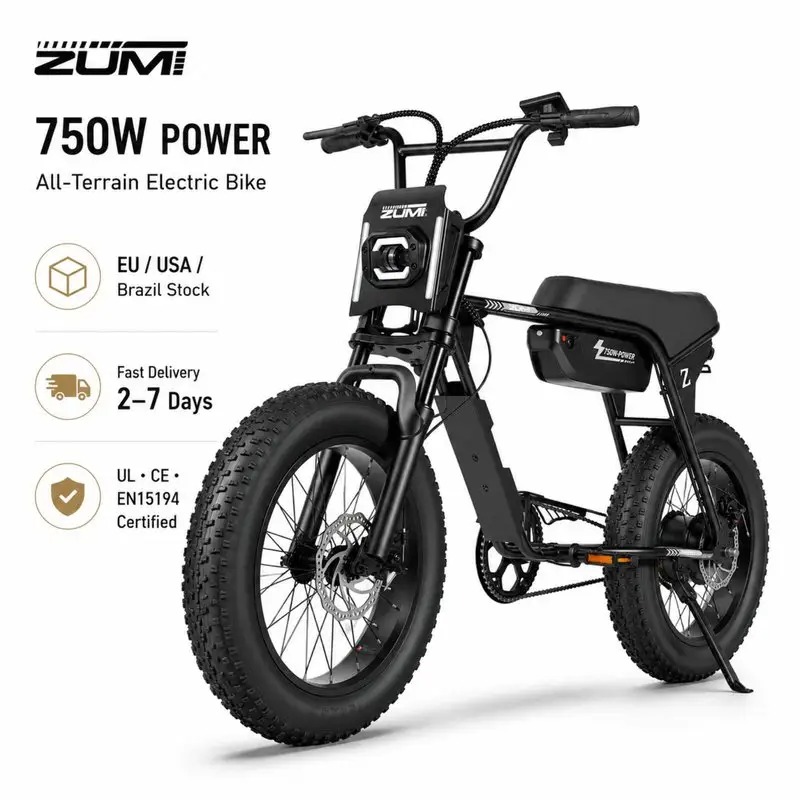
2026/08/03
Learn precise air pressure, rebound & compression tuning for optimal suspension performance. Get pro-level setup tips now.
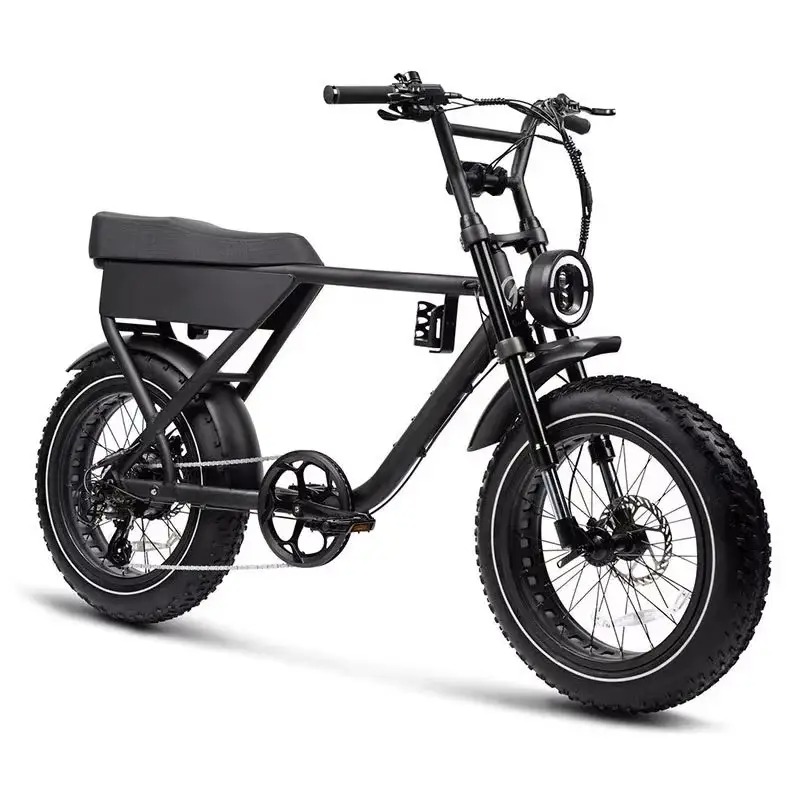
2026/08/03
Discover how voltage drop saps performance—and proven fixes to restore responsiveness, range, and battery life. Read now.
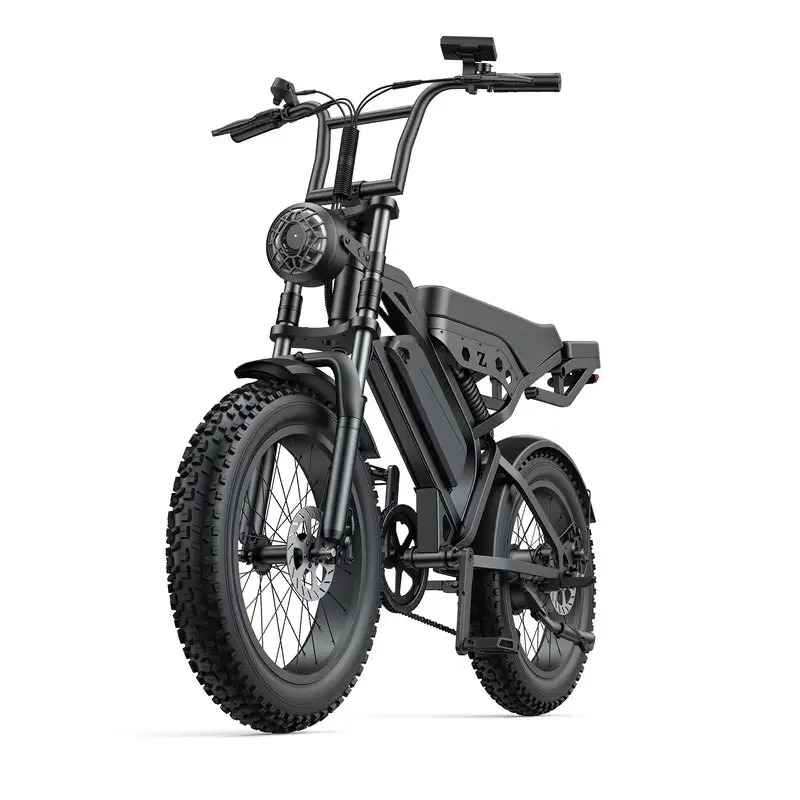
2026/08/03
Discover data-backed protocols, smart infrastructure & operational fixes. Optimize now.
2026/08/03
How payload cuts 48V cargo ebike range by 15–50%+ — backed by real-world degradation curves, motor load science & fleet optimization strategies.
Comprehensive warranty, fast parts shipping, remote diagnostics and local dealer training


