 EN
EN
STEP 1
Full vehicle warranty for 2 years
2026/08/26
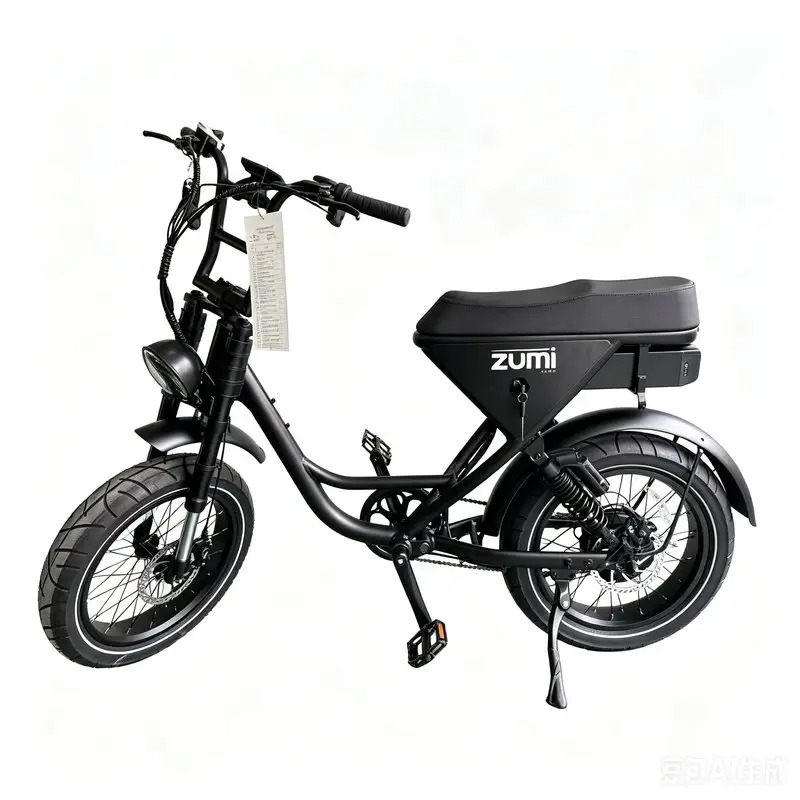
Retailers selling electric bikes face unique inventory challenges that differ significantly from traditional bicycles. Effective electric bike suppliers provide reliable sourcing options, but success depends on strategic replenishment planning. Managing stock levels, demand forecasting, and supplier relationships requires a methodical approach that balances carrying costs against stockout risks. Understanding how to work effectively with your ebike supplier directly impacts your operational efficiency and customer satisfaction.
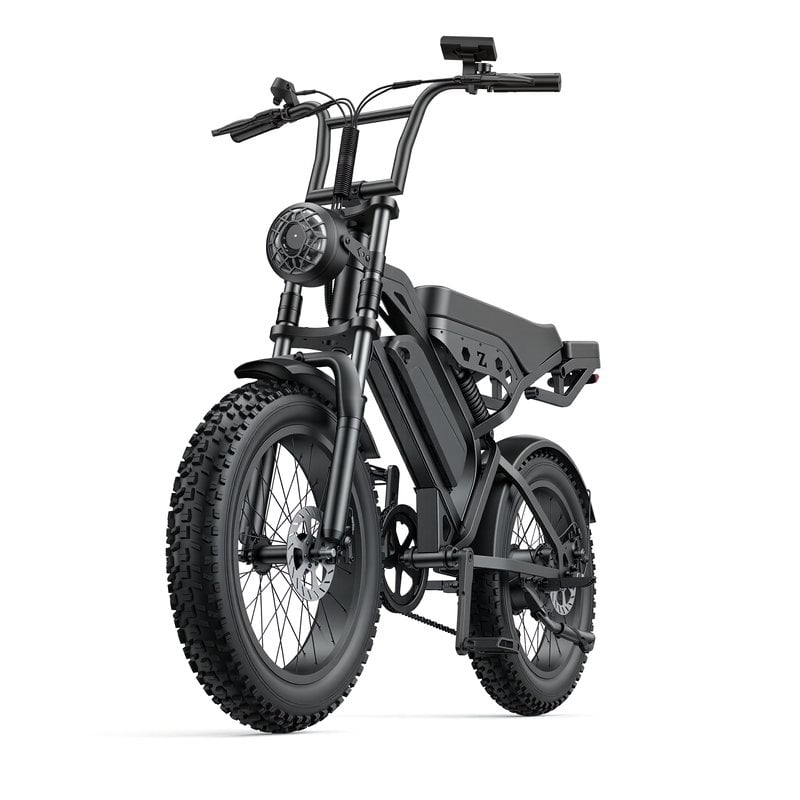
Retailers who partner with quality ebike supplier networks gain access to competitive pricing, flexible order quantities, and dependable lead times. Electric bike wholesale channels offer opportunities to purchase inventory in bulk while maintaining healthy profit margins. However, partnering with reliable ebike factory sources requires understanding demand patterns, seasonal trends, and the specific product mix that resonates with your customer base. This article explores proven inventory replenishment strategies that help retailers optimize their relationship with electric bike suppliers while maintaining balanced stock levels.
Demand forecasting begins with analyzing your historical sales performance across different ebike models and categories. Track seasonal variations, customer preferences, and market trends to identify which electric bike wholesale products move quickly and which require longer sell-through periods. Many retailers working with ebike factory partners find that e-mountain bikes and fat-tire models demonstrate stronger seasonal demand in certain regions, while urban commuter models maintain steadier year-round sales. By mapping this data, you can align replenishment orders with anticipated demand spikes, reducing both excess inventory and stockout situations.
Strong communication with your electric bike suppliers enables access to market intelligence and production capacity insights. Share your sales forecasts and growth expectations with your ebike supplier partners so they can allocate production capacity effectively. Many ebike factory operations appreciate advance notice of seasonal demand shifts, as this helps them optimize their manufacturing schedules and avoid long lead times during peak seasons. Regular review meetings with key electric bike wholesale contacts ensure you understand production timelines, minimum order quantities, and any supply chain constraints that might affect your replenishment strategy.
Economic order quantity models help determine the optimal purchase volume that minimizes total inventory costs. Consider ordering costs, holding costs, and the price breaks offered by your ebike supplier when calculating ideal order sizes. Electric bike wholesale pricing often includes volume discounts that reward larger orders, but these must be weighed against increased warehouse expenses and the risk of obsolescence. Working with experienced ebike factory partners who offer flexible payment terms and return policies allows you to test different order quantities without bearing excessive financial risk. The goal is finding the sweet spot where volume discounts are maximized while avoiding overstock situations that tie up working capital.
Lead times from electric bike suppliers directly influence your replenishment timing decisions. Most ebike factory operations require 6-12 weeks for custom orders or bulk production runs, while electric bike wholesale distributors may offer 2-4 week lead times for standard models. Calculate your reorder points by multiplying average daily sales by the lead time in days, then add a safety stock buffer for unexpected demand spikes. This ensures new inventory arrives before existing stock depletes completely. Maintain open communication with your ebike supplier contacts about any potential delays, and establish backup supplier relationships to protect against supply disruptions.
Successful retailers develop long-term partnerships with reliable electric bike suppliers based on mutual benefit and transparency. When negotiating with ebike factory representatives, emphasize the value of consistent, predictable orders and discuss opportunities for volume growth over time. Many electric bike wholesale providers offer improved payment terms, priority production slots, and custom product support for retailers who commit to regular purchasing relationships. Clearly communicate your inventory management goals and ask how your ebike supplier can help you optimize replenishment efficiency. Transparent conversations about pricing, minimum orders, and service expectations create the foundation for stable, mutually beneficial partnerships.
Just-in-time inventory strategies reduce holding costs and warehouse pressure by receiving inventory closer to the point of sale. This approach works particularly well with electric bike suppliers who offer reliable delivery schedules and consistent product quality. Rather than maintaining months of inventory, retailers can place smaller, more frequent orders aligned with actual sales velocity. The ebike factory partners who excel at just-in-time fulfillment provide real-time inventory visibility, flexible order acceptance, and rapid processing capabilities. Retailers pursuing this strategy benefit from reduced carrying costs and improved cash flow, though they must accept slightly higher per-unit transportation costs and maintain excellent communication with their electric bike wholesale partners.
Reorder frequency depends on your sales velocity, warehouse capacity, and the lead times offered by your ebike supplier. Most retailers place orders every 2-6 weeks, with timing based on reorder point calculations that account for average daily sales and supplier lead times. Retailers working with responsive ebike factory partners may use more frequent, smaller orders, while those with longer lead times typically place larger quarterly orders. Regular analysis of your sales data and coordination with your electric bike wholesale contacts will reveal the optimal reorder cadence for your specific business.
Diversifying across several electric bike suppliers reduces supply chain risk, provides access to different product lines, and creates competitive negotiating leverage. Multiple ebike factory relationships ensure that production delays or quality issues from one partner do not completely disrupt your inventory replenishment cycle. Additionally, comparing prices and terms across different electric bike wholesale providers helps you negotiate better rates and identify the best partners for specific product categories. Retailers typically maintain a primary supplier for core products and secondary suppliers for seasonal or specialty models.
Effective seasonal management requires advance planning with your ebike supplier partners and flexible inventory strategies. Share your seasonal sales forecasts with electric bike wholesale contacts at least 2-3 months in advance so ebike factory operations can accommodate production peaks without delays. Consider maintaining higher safety stock before peak seasons, then reducing inventory during slower periods. Negotiate flexible order quantities and return policies with your electric bike suppliers that allow you to adjust purchases based on actual seasonal performance. Building strong relationships with reliable ebike factory partners enables you to adapt quickly to unexpected market changes.
2026/08/03
Fix time zones, language gaps, and unclear protocols—boost speed, cut costs, and scale confidently.
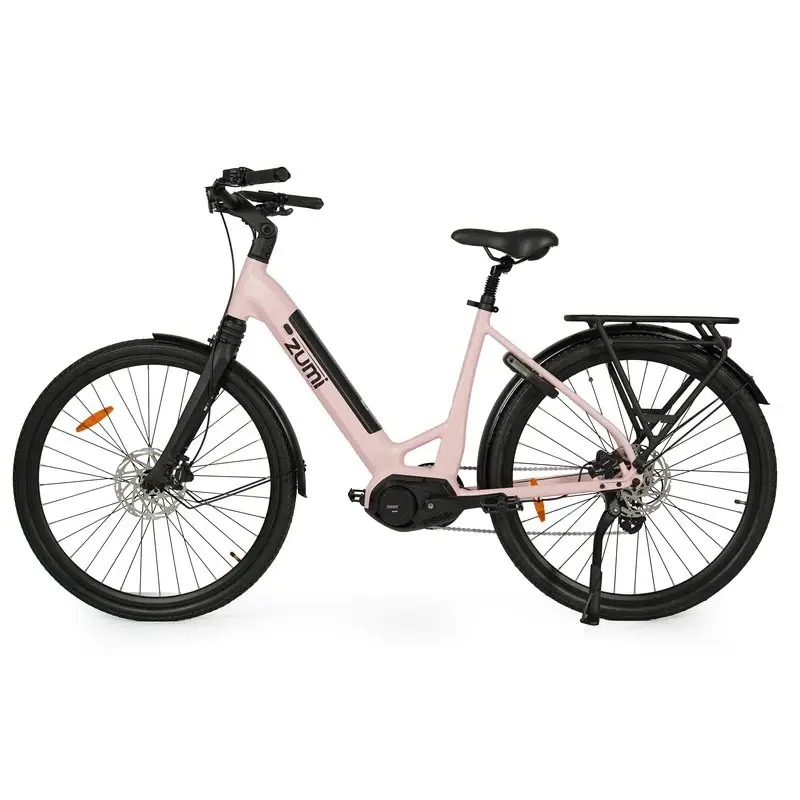
2026/08/03
Avoid liability & import bans: Learn IEC 62619, UN 38.3, and UL 2271—plus how to verify real compliance (not fakes).
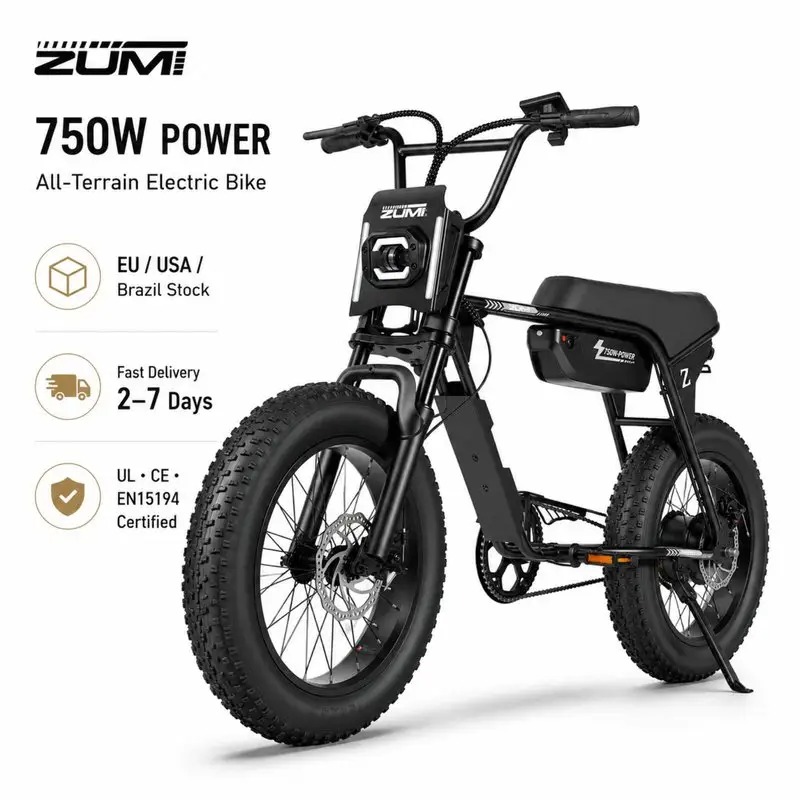
2026/08/03
Learn precise air pressure, rebound & compression tuning for optimal suspension performance. Get pro-level setup tips now.
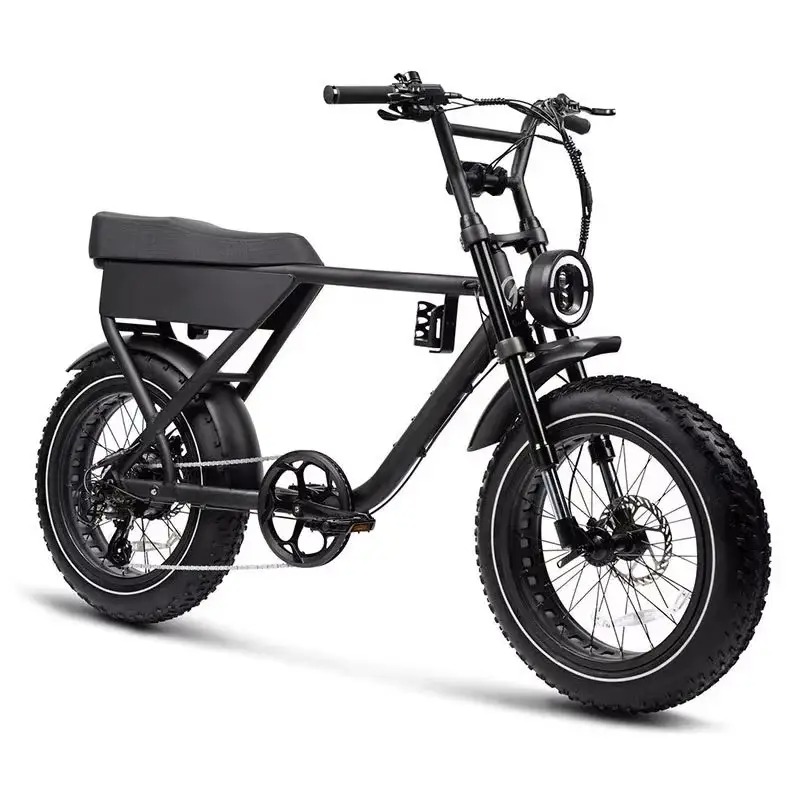
2026/08/03
Discover how voltage drop saps performance—and proven fixes to restore responsiveness, range, and battery life. Read now.
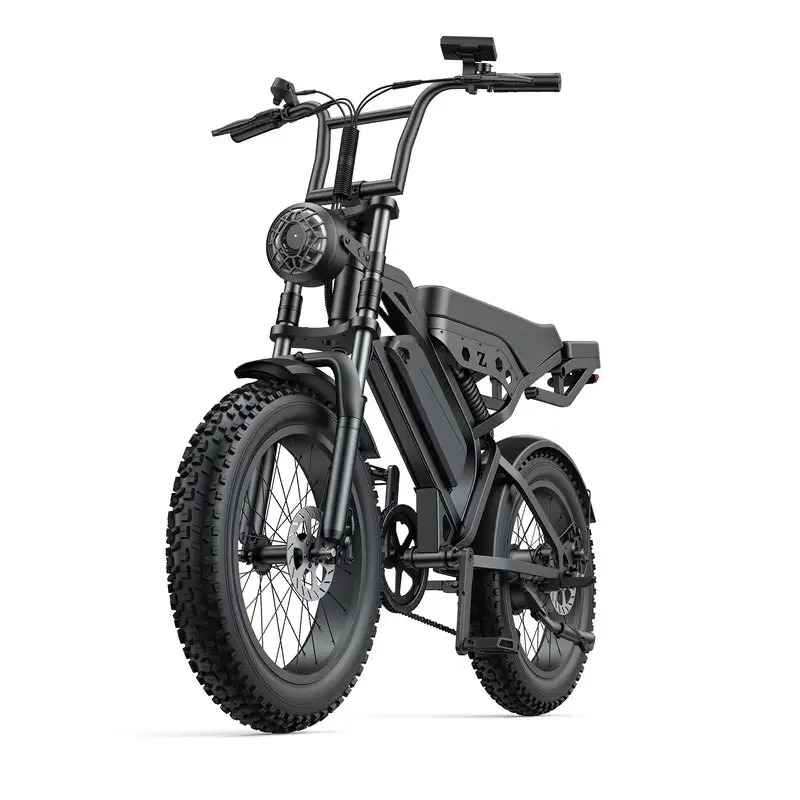
2026/08/03
Discover data-backed protocols, smart infrastructure & operational fixes. Optimize now.
2026/08/03
How payload cuts 48V cargo ebike range by 15–50%+ — backed by real-world degradation curves, motor load science & fleet optimization strategies.
Comprehensive warranty, fast parts shipping, remote diagnostics and local dealer training


