 EN
EN
STEP 1
Full vehicle warranty for 2 years
2026/09/03
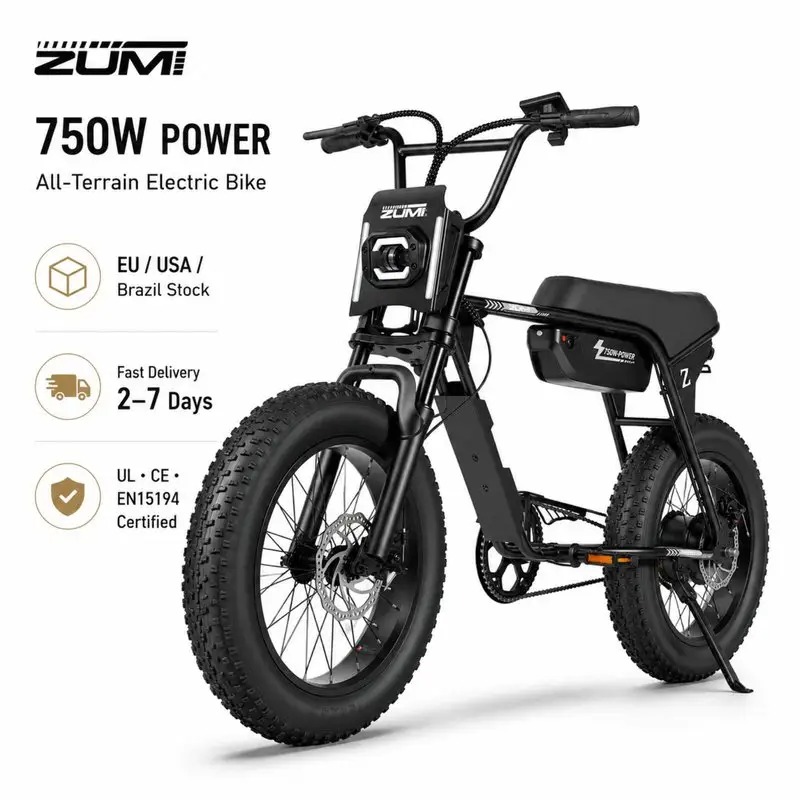
Developing innovative electric bikes requires more than engineering expertise and market vision. Strategic partnerships with experienced ebike manufacturers can accelerate product innovation, reduce time-to-market, and unlock access to established supply chains and manufacturing capabilities. A joint venture with an ebike manufacturer combines your product vision with their operational excellence, creating a competitive advantage in the rapidly growing electric bicycle market. This collaborative approach has become increasingly popular among companies seeking to enter or expand within the e-bike sector without bearing the full burden of building manufacturing infrastructure from scratch.
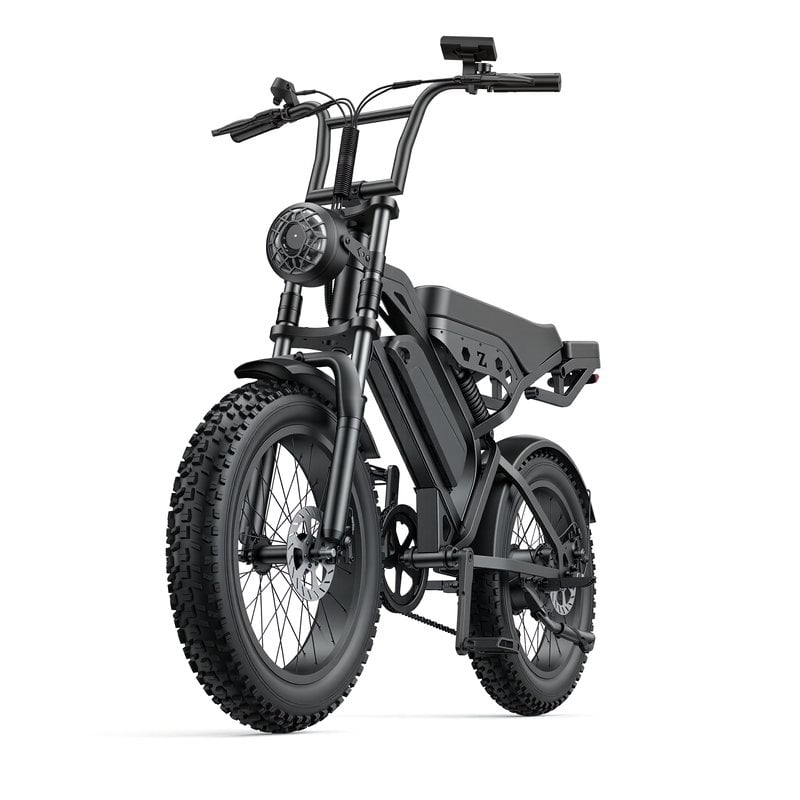
Joint venture structures with ebikes manufacturers vary widely depending on capital investment levels, operational control preferences, and long-term strategic goals. Whether you partner with chinese electric bicycle manufacturers for cost-effective production or collaborate with established e bike makers in developed markets, the partnership model you select will fundamentally shape your product development timeline, quality standards, and market positioning. Understanding the key drivers of successful partnerships helps you evaluate potential partners and structure agreements that align with your business objectives.
A joint venture with an e bike maker typically involves shared equity ownership and collaborative decision-making on product development priorities. Your company might contribute intellectual property, market expertise, and brand positioning, while the ebike manufacturer brings production capacity, supply chain relationships, and technical manufacturing knowledge. Chinese electric bicycle manufacturers increasingly offer flexible equity structures that can accommodate minority or majority ownership depending on your investment and involvement level. Clear documentation of ownership percentages, profit-sharing arrangements, and decision-making authority prevents disputes and ensures both parties understand their stake in the venture's success.
Establishing a joint governance structure with your ebikes manufacturer partner requires defining board representation, voting rights on major decisions, and escalation procedures for disagreements. Many successful partnerships between companies and e bicycle manufacturers use a balanced governance model where each party holds board seats proportional to their equity stake. This approach ensures both partners maintain meaningful influence over product roadmap decisions, manufacturing standards, and market expansion strategies. Regular quarterly business reviews and transparent reporting of key metrics including production volume, quality benchmarks, and market performance help maintain alignment and trust throughout the partnership.
Working with an e bike maker on joint product development combines market-driven design thinking with manufacturing practicality. Your insights into customer needs, market trends, and brand positioning inform the technical specifications, while the ebike manufacturer's engineers ensure designs are producible at scale and cost-competitive. Chinese electric bicycle manufacturers have developed deep expertise in battery integration, motor selection, thermal management, and supply chain optimization that directly influences product performance and cost structure. Collaborative design reviews that include both teams help identify manufacturing constraints early, prevent costly redesigns, and accelerate the path from concept to production-ready prototypes.
Establishing shared quality standards and testing protocols is essential when partnering with ebikes manufacturers on product development. Define specifications for motor efficiency, battery cycle life, brake performance, structural durability, and electrical safety that exceed relevant regulatory requirements in your target markets. E bicycle manufacturers typically maintain established testing facilities and certification relationships with international standards bodies, providing immediate access to validation capabilities. Joint quality agreements should specify acceptable defect rates, warranty support responsibilities, and corrective action procedures. Regular audits of the e bike maker's manufacturing facilities and quality control processes provide ongoing assurance that production standards remain consistent with your joint venture's commitments.
An ebike manufacturer partner typically brings established relationships with distributors, retailers, and fleet operators in their home market and region. Leveraging these existing channels accelerates market entry and reduces customer acquisition costs compared to building distribution infrastructure independently. Chinese electric bicycle manufacturers particularly offer advantageous access to high-volume distribution networks across Asia-Pacific markets, while also providing export expertise and compliance navigation for entering North American and European markets. Hybrid distribution models where the e bike maker handles regional logistics while your company manages brand marketing and key account relationships can effectively balance market penetration and brand control.
Revenue sharing and pricing strategy decisions in a joint venture require balancing volume growth objectives with margin sustainability. Typically, the ebikes manufacturer receives a cost-plus manufacturing margin while the venture entity captures brand premium and distribution margin. Chinese electric bicycle manufacturers often operate with lower cost structures than Western manufacturers, enabling competitive pricing that expands addressable market size without sacrificing profitability. Transparent cost accounting, regular margin reviews, and performance incentive clauses tied to volume milestones and quality metrics ensure both partners remain motivated to invest in the joint venture's growth. Clear pricing authority structures prevent channel conflicts and protect the e bike maker from being undercut by direct competitors.
Protecting proprietary designs, proprietary software, and brand assets requires formal IP agreements with your ebike manufacturer partner before joint development begins. Establish clear ownership of innovations created during the partnership, background IP contributed by each party, and procedures for licensing third-party technology. Chinese electric bicycle manufacturers increasingly respect confidentiality and patent protection when agreements clearly define obligations and remedies. Include non-compete and non-solicitation clauses that prevent the e bike maker from using your designs or customer relationships outside the joint venture scope. Regular IP audits and documented approval processes for any external partnerships involving the joint venture's technology ensure both parties maintain control over sensitive assets.
Successful joint ventures with ebikes manufacturers require advance planning for potential partnership transitions, buyouts, or dissolution scenarios. Define buy-sell provisions that allow either party to exit the partnership under specified conditions, valuation methodologies that fairly reflect the venture's performance and market position, and transition procedures that protect product continuity and customer relationships. Consider scenarios where your company might eventually acquire full manufacturing capability or where the e bike maker becomes the majority owner. Contractual provisions addressing technology transfer, supply agreement continuity, and customer account ownership provide clarity and reduce disputes if the partnership structure changes.
Joint ventures with ebikes manufacturers provide accelerated time-to-market by leveraging existing manufacturing infrastructure, immediate access to proven supply chains and component suppliers, reduced capital requirements for building dedicated production facilities, and the combined expertise of both partners in product innovation and market execution. For companies entering the e-bike market, this partnership model significantly reduces execution risk and allows faster scaling than building manufacturing capabilities independently.
Chinese electric bicycle manufacturers typically offer cost-competitive production, large-scale manufacturing capacity, established export infrastructure, and deep component supply relationships built over years of industry presence. These advantages make them attractive partners for companies seeking high-volume production and cost efficiency, though partnerships may require careful management of quality standards, IP protection, and longer supply chain lead times compared to regional manufacturers.
Critical metrics include unit production volume versus plan, average selling price realization, gross margin percentage, product defect rates and warranty claims, customer satisfaction and Net Promoter Score, market share growth in target segments, and on-time delivery performance. Monthly performance reviews against these metrics enable both the ebike manufacturer partner and your company to identify issues early, adjust production or marketing strategies, and ensure the joint venture achieves its financial and strategic objectives.
2026/08/03
Fix time zones, language gaps, and unclear protocols—boost speed, cut costs, and scale confidently.
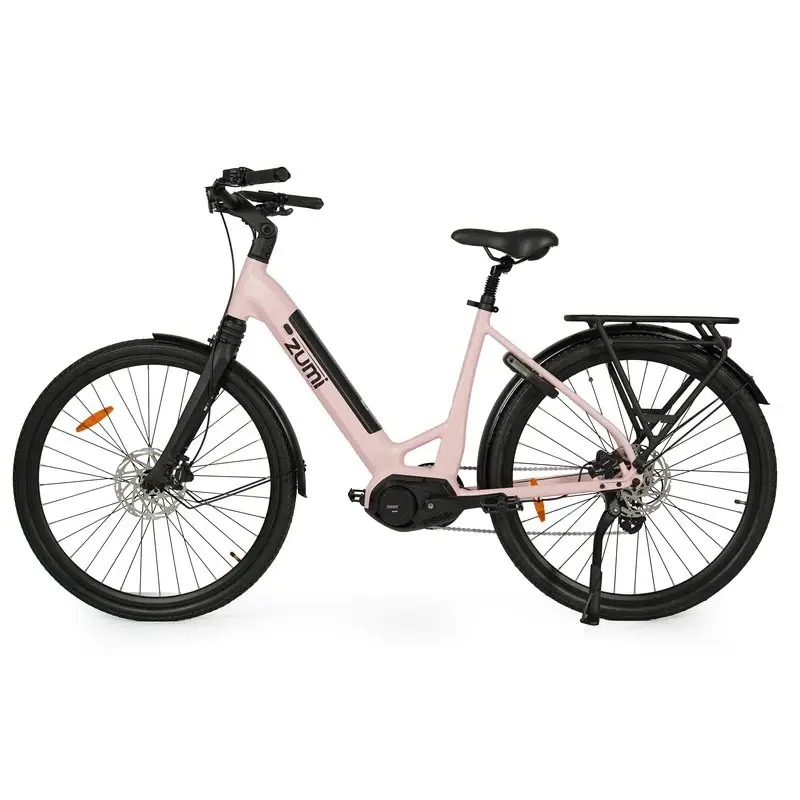
2026/08/03
Avoid liability & import bans: Learn IEC 62619, UN 38.3, and UL 2271—plus how to verify real compliance (not fakes).
2026/08/03
Learn precise air pressure, rebound & compression tuning for optimal suspension performance. Get pro-level setup tips now.
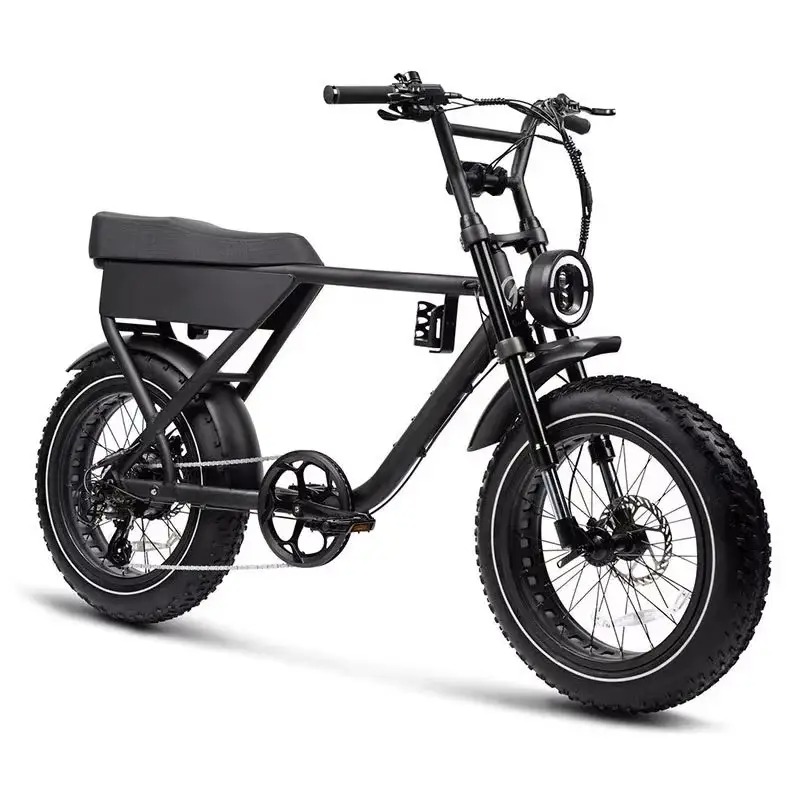
2026/08/03
Discover how voltage drop saps performance—and proven fixes to restore responsiveness, range, and battery life. Read now.
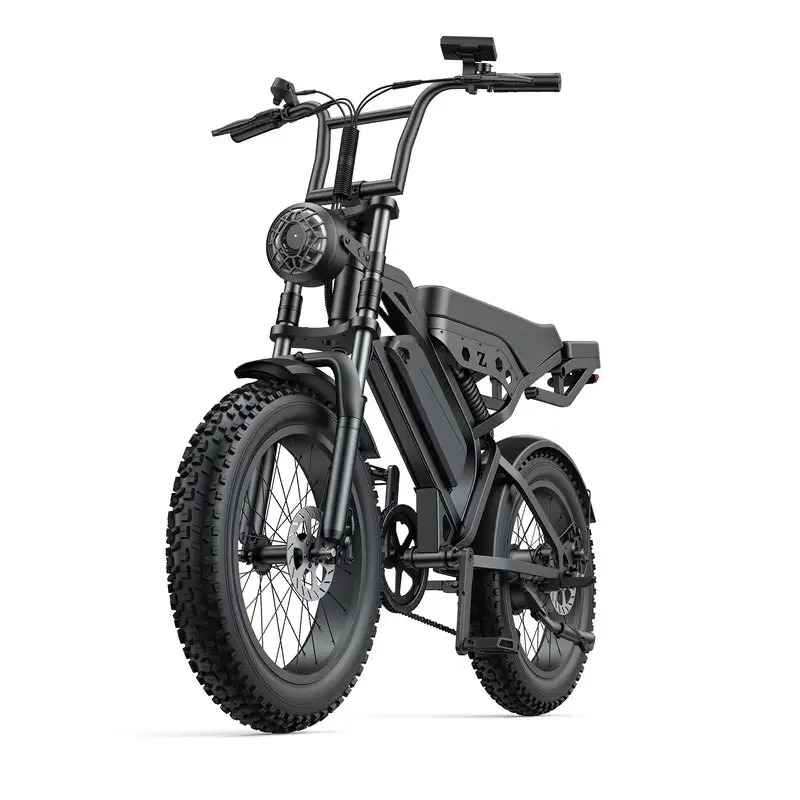
2026/08/03
Discover data-backed protocols, smart infrastructure & operational fixes. Optimize now.
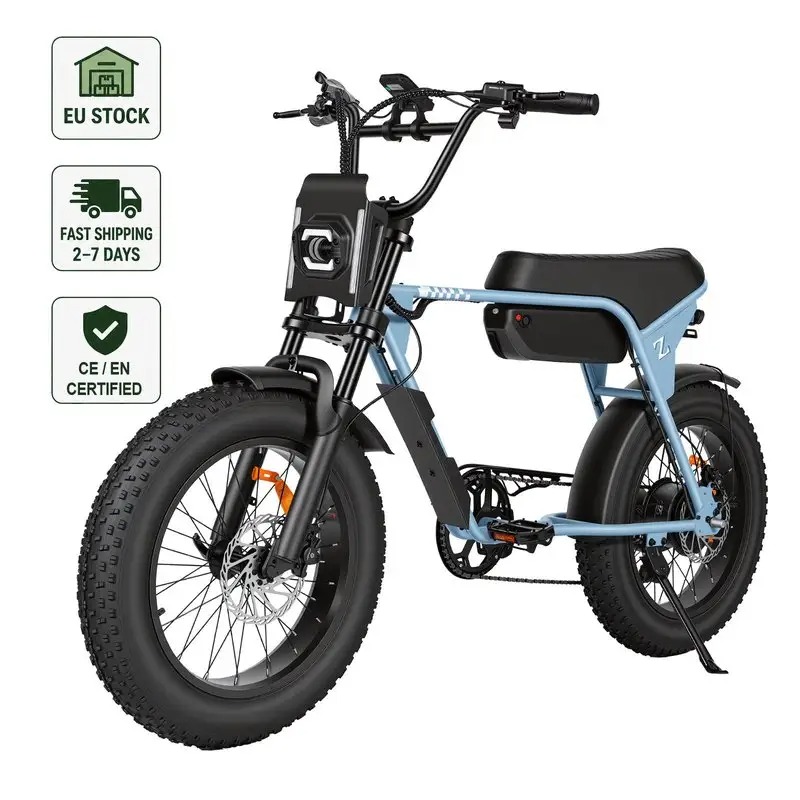
2026/08/03
How payload cuts 48V cargo ebike range by 15–50%+ — backed by real-world degradation curves, motor load science & fleet optimization strategies.
Comprehensive warranty, fast parts shipping, remote diagnostics and local dealer training


