 EN
EN
STEP 1
Full vehicle warranty for 2 years
2026/09/07
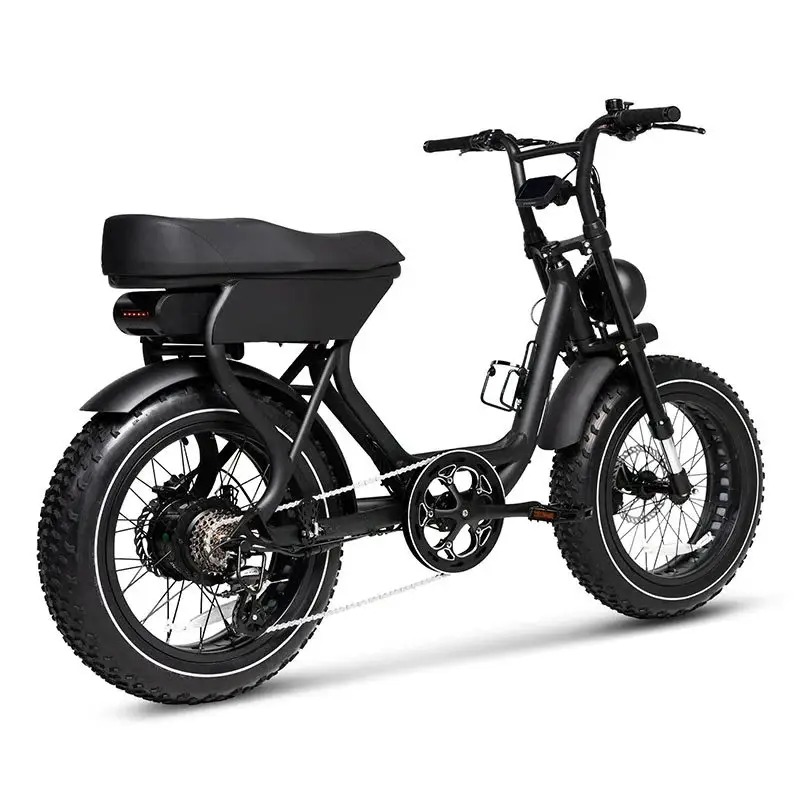
Last-mile delivery represents the most costly and time-intensive segment of modern logistics. Urban congestion, traffic delays, and rising fuel expenses push businesses to reconsider their delivery infrastructure. An electric cargo bike fleet offers a practical, scalable solution that transforms how companies handle final-mile operations. By integrating cargo-specific ebikes into your delivery network, you unlock faster route completion, lower operational costs, and a measurable reduction in your carbon footprint.
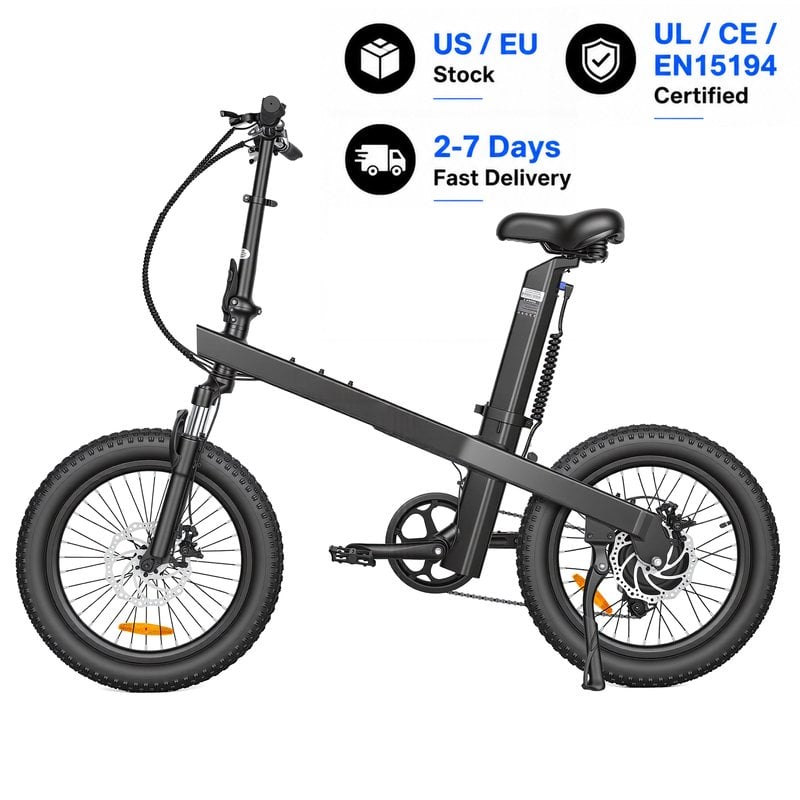
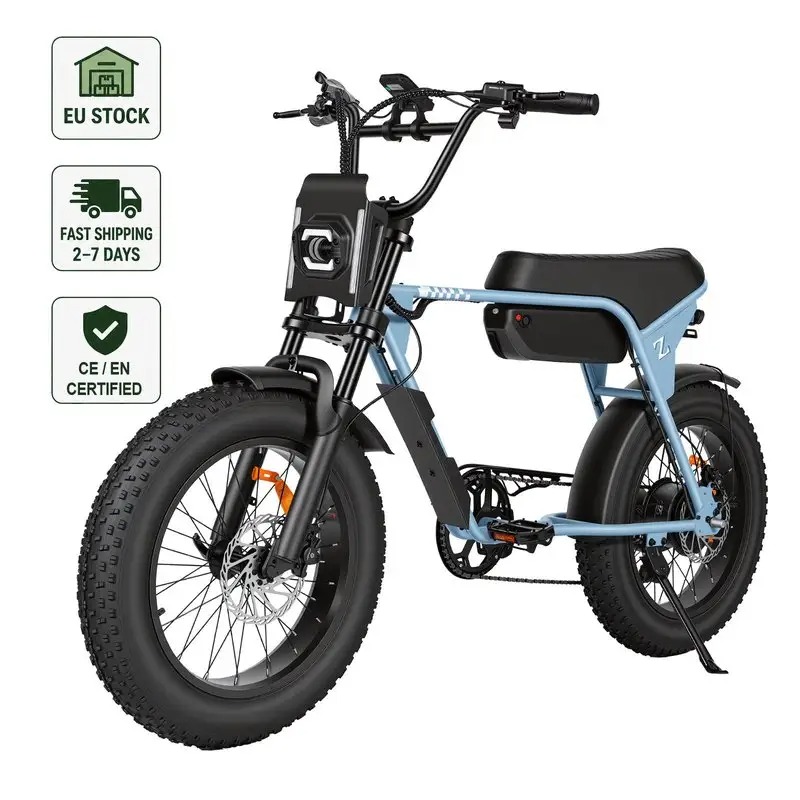
The shift toward cargo ebikes reflects a fundamental change in delivery logistics. A long tail electric cargo bike provides the weight capacity and range needed for typical city routes, while compact designs navigate congested streets faster than traditional vans. Fat tire cargo ebike models add traction and stability, making them ideal for varied urban terrain. Wholesale electric cargo bike purchasing enables businesses to deploy entire fleets cost-effectively, establishing a competitive advantage in crowded markets.
Operating an electric cargo bike fleet dramatically cuts last-mile expenses. Electricity costs per delivery are a fraction of fuel expenses, and maintenance on cargo ebikes is simpler and cheaper than vehicle servicing. With no licensing fees, insurance premiums are substantially lower than fleet vans. A compact electric cargo bike reduces parking complexity in dense urban areas, eliminating the need for expensive lot space. Companies transitioning to fleet-based cargo ebikes often recover their initial investment within 18 to 24 months through operational savings alone.
A fat tire cargo ebike delivers packages on routes where vans face congestion or access restrictions. Riders navigate bike lanes, pedestrian zones, and narrow streets that traditional delivery vehicles cannot reach. This flexibility shrinks delivery windows, enabling same-day or next-day completion for more orders. Long tail electric cargo bike designs provide sufficient cargo volume without the bulk of vehicles, allowing multiple stops per hour. Urban deliveries that once required three hours in traffic now complete in 45 minutes on a cargo ebike.
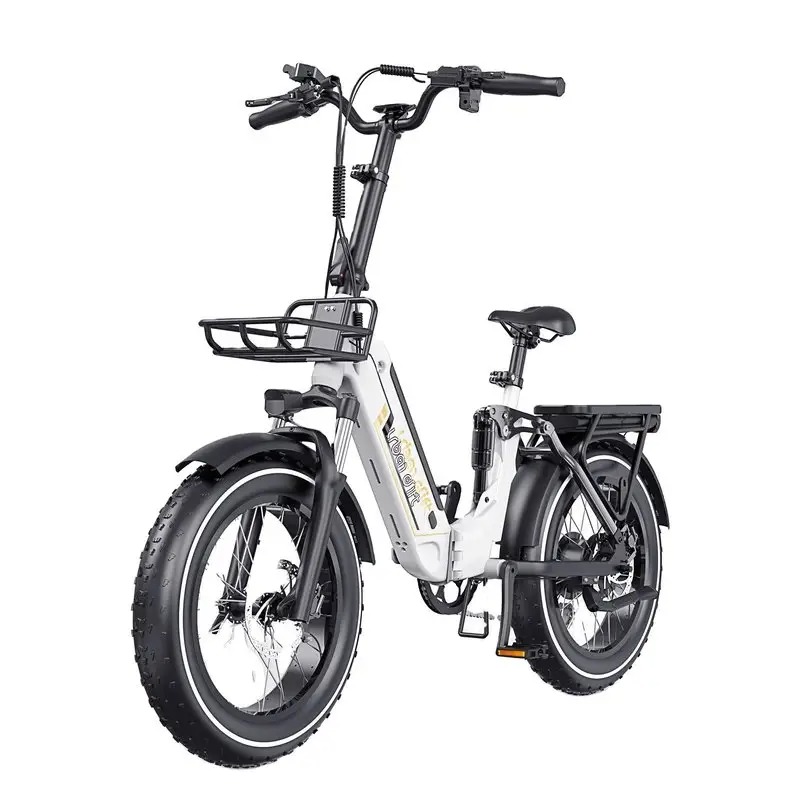
Choosing the right mix of cargo ebike models ensures optimal performance across varied route types. A compact electric cargo bike works well for light-to-medium packages in dense city centers, while a long tail electric cargo bike handles heavier or bulkier shipments on slightly longer urban routes. Fat tire cargo ebike variants excel in areas with rough surfaces or unpredictable weather. A wholesale electric cargo bike procurement strategy lets you purchase multiple styles at volume pricing, spreading risk across proven models suited to your specific service areas.
Modern cargo ebikes deliver 40 to 80 miles per charge, enough for a full day of urban deliveries. Battery capacity depends on terrain, rider weight, cargo load, and pedal assistance level. An electric cargo bike fleet benefits from centralized charging infrastructure at your dispatch facility, enabling daily cycles without range anxiety. Route planning software should account for topography and payload, ensuring riders complete routes before battery depletion. Maintenance and battery replacement schedules add minimal overhead compared to vehicle downtime, and spare batteries allow continuous operation while units charge overnight.
A fat tire cargo ebike fleet eliminates tailpipe emissions entirely, directly supporting corporate sustainability targets. Customers increasingly value eco-conscious delivery, and visible cargo ebikes on city streets reinforce your brand commitment to environmental responsibility. A long tail electric cargo bike operation reduces noise pollution and improves air quality in urban neighborhoods. Wholesale electric cargo bike adoption signals operational maturity and forward thinking, appealing to clients who prioritize sustainable supply chains.
Cities worldwide are restricting vehicle access to low-emission zones and expanding pedestrian areas. An electric cargo bike fleet positions your business ahead of these regulatory shifts. Municipalities often incentivize cargo ebike adoption through tax credits or subsidies, reducing net fleet investment. A compact electric cargo bike meets current restrictions while staying compliant with emerging rules. By transitioning now, you avoid future penalties and maintain service capability in zones where traditional delivery vehicles face bans or surcharges.
Most cargo ebike models handle 50 to 100 pounds of cargo, depending on design and motor power. A long tail electric cargo bike often carries heavier loads due to extended frames and dual-wheel support, while a compact electric cargo bike prioritizes maneuverability over maximum capacity. Fat tire cargo ebike variants maintain traction under load, making them suitable for sustained heavy use.
Rain and cold reduce battery range by 10 to 20 percent, so winter route planning requires adjusted expectations. A fat tire cargo ebike provides superior control on wet or icy surfaces, reducing safety risks. Most cargo ebike electrical components are weather-sealed, ensuring reliable performance year-round. Riders should adjust pedal assistance levels in adverse conditions to preserve battery life.
Yes, many manufacturers offer tiered wholesale electric cargo bike pricing that scales from 5 to 50 units. Compact electric cargo bike models are often available at lower per-unit costs than premium long tail or fat tire cargo ebike options. Leasing programs also exist for businesses testing fleet viability before committing to large purchases, reducing initial capital outlay.
2026/08/03
Fix time zones, language gaps, and unclear protocols—boost speed, cut costs, and scale confidently.
2026/08/03
Avoid liability & import bans: Learn IEC 62619, UN 38.3, and UL 2271—plus how to verify real compliance (not fakes).
2026/08/03
Learn precise air pressure, rebound & compression tuning for optimal suspension performance. Get pro-level setup tips now.
2026/08/03
Discover how voltage drop saps performance—and proven fixes to restore responsiveness, range, and battery life. Read now.
2026/08/03
Discover data-backed protocols, smart infrastructure & operational fixes. Optimize now.
2026/08/03
How payload cuts 48V cargo ebike range by 15–50%+ — backed by real-world degradation curves, motor load science & fleet optimization strategies.
Comprehensive warranty, fast parts shipping, remote diagnostics and local dealer training


