 EN
EN
STEP 1
Full vehicle warranty for 2 years
2026/08/31
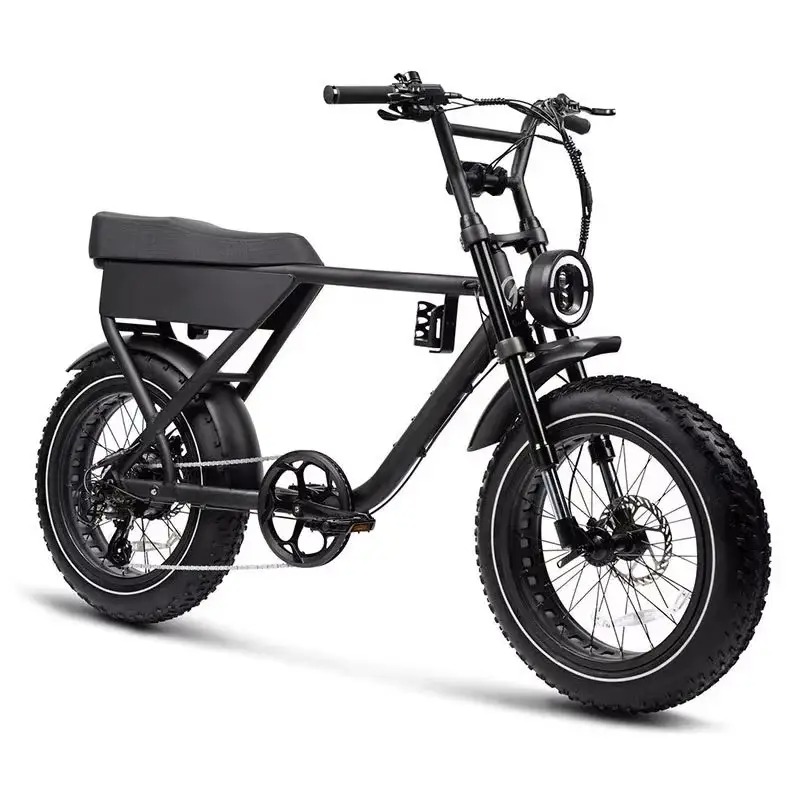
Understanding the load capacity of a fat tire electric bike is essential for safe and reliable performance. Every fat tire electric bike has specific weight limitations that depend on frame construction, motor power, battery capacity, and tire specifications. Riders must recognize these constraints to avoid damage, maintain efficiency, and ensure longevity of the vehicle. Load capacity analysis reveals how design factors work together to establish safe payload limits for different riding conditions and user profiles.
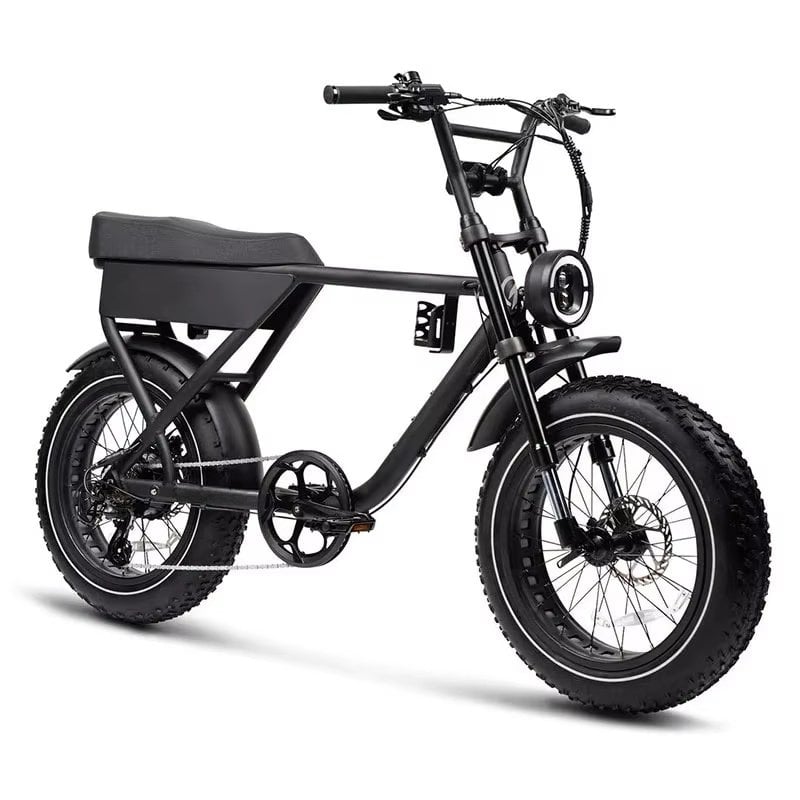
A cruiser fat tire electric bike typically handles heavier loads than lightweight models, thanks to reinforced frames and broader tire contact patches. Knowing your specific model's weight rating prevents overloading scenarios that lead to premature wear, reduced range, and safety hazards.
The frame material and geometry of a fat tire electric bike directly influence maximum load capacity. Steel frames typically support higher payloads than aluminum equivalents due to superior strength, though they add weight. Aluminum frames balance durability with reduced overall mass, making them suitable for moderate loads in the 300 to 400-pound range.
Reinforcement at critical stress areas—such as bottom bracket and rear axle mounting zones—increases the structural integrity of a fat tire electric bike. Manufacturers engineer these zones to handle not just static weight but dynamic forces from acceleration, braking, and terrain impacts. A well-designed cruiser fat tire electric bike incorporates gussets and internal ribbing to maximize strength while minimizing excess material.
Motor power rating significantly affects how a fat tire electric bike responds to increased payloads. Motors ranging from 500 watts to 1000 watts handle different weight scenarios with varying efficiency. A higher-wattage motor compensates for heavier loads by delivering more torque, maintaining acceleration and hill-climbing ability. However, increased motor strain during sustained heavy-load operation generates more heat and accelerates battery depletion, reducing total range and ride time.
The fat tire electric bicycle for sale market offers models with varying motor specifications to match diverse user needs. A 750-watt motor on a cruiser fat tire electric bike provides excellent load-carrying capability while maintaining responsive handling. Users exceeding the recommended payload experience noticeable performance degradation and risk activating thermal protection systems that temporarily reduce motor output.
Fat tires represent the defining characteristic that enables a fat tire electric bike to carry substantial payloads safely. These oversized tires—typically 3.8 to 5 inches wide—spread the total weight across a larger contact patch, reducing pressure per square inch on the riding surface. The 26 fat tire electric bike configuration uses 26-inch rim diameter wheels, offering excellent load distribution and traction on soft surfaces.
Tire pressure settings directly correlate with load capacity on a fat tire electric bike.
Suspension systems on a cruiser fat tire electric bike absorb energy from terrain irregularities while supporting rider and payload weight. Front suspension forks compress under load, and quality systems include dampening mechanisms that prevent bottoming out during hard impacts. The suspension geometry must remain stable throughout its travel range, maintaining steering precision and traction regardless of payload variations.
Rear suspension, when present, works alongside front systems to maintain frame alignment and wheel contact. Progressive suspension designs compress more gently under lighter loads but provide firmer support as stress increases, adapting to various payload scenarios on the fat tire electric bike. This intelligent response prevents excessive travel that would bottom out suspension components and create harsh feedback to the rider.
Battery capacity measured in amp-hours (Ah) and voltage directly determines the energy available to propel a fat tire electric bike carrying different payloads. A 48-volt 15-Ah battery represents mid-to-high capacity in the fat tire electric bicycle for sale category, typically providing 700 to 900 watt-hours of usable energy. Heavier loads require the motor to work harder, drawing more current and depleting the battery faster than lighter-load scenarios. Real-world range diminishes approximately 10 to 20 percent for each 100 additional pounds of payload on a cruiser fat tire electric bike.
Thermal management becomes critical when operating a fat tire electric bike at maximum capacity for extended periods. Batteries and motors generate heat during heavy-load operation, and inadequate cooling reduces efficiency and may trigger protection circuits. Riders should monitor battery temperature indicators on display panels and reduce speed or payload if overheating warnings appear.
Motor efficiency on a fat tire electric bike decreases as load increases due to increased current draw and electromagnetic losses. A motor rated for continuous operation at a specific wattage may reach thermal limits faster when carrying near-maximum payload. The 26 fat tire electric bike with a high-performance motor exhibits better thermal stability through advanced windings and heat-dissipating designs. Manufacturers specify motor thermal limits, and exceeding these limits triggers automatic power reduction to prevent permanent damage.
Intermittent duty cycles, where the motor operates at high power for short periods followed by rest intervals, allow heavier payloads on a fat tire electric bike compared to continuous operation scenarios. Urban riders with frequent acceleration and braking patterns may safely carry loads that would overheat a motor during sustained hill climbing on a cruiser fat tire electric bike. Understanding your specific riding pattern helps optimize the relationship between payload capacity and motor longevity.
Every fat tire electric bicycle for sale includes a maximum combined weight rating established through testing and engineering analysis. This rating accounts for rider weight plus cargo, representing the absolute upper limit for safe operation. Typical fat tire electric bike models support 300 to 400 pounds combined weight, though some heavy-duty cruiser fat tire electric bike variants accommodate 450 pounds or more. Exceeding these limits voids warranties and creates genuine safety risks including frame failure, brake inadequacy, and loss of control.
The fat tire electric bike weight rating appears in owner manuals and specification sheets, often listing separately the maximum rider weight and cargo capacity. Calculating actual available cargo capacity requires subtracting your body weight from the total limit. A 26 fat tire electric bike with a 400-pound rating supports approximately 150 pounds of cargo for a 250-pound rider. Distributing cargo weight low and centered on the frame improves stability and handling characteristics.
Wise riders maintain safety margins below published limits, recognizing that peak stress occurs during acceleration, braking, and rough terrain navigation. Operating consistently at 80 to 90 percent of maximum capacity on a fat tire electric bike extends component lifespan and improves reliability. This conservative approach reduces fatigue on frame welds, reduces thermal stress on battery and motor, and maintains predictable handling characteristics. A cruiser fat tire electric bike used for cargo delivery benefits from this conservative approach, as daily operation near limits accelerates degradation.
Seasonal and environmental factors influence effective load capacity of a fat tire electric bike. Cold temperatures reduce battery capacity, effectively lowering available motor power for a given payload. Rough terrain and steep hills impose greater dynamic stresses than smooth urban roads, suggesting lower practical payloads during challenging conditions. Regular inspection of frame integrity, suspension travel, and tire condition helps identify wear patterns that signal reduced capacity as components age.
Load capacity depends on frame material strength, motor power, battery capacity, tire specifications, and suspension design. The fat tire electric bike rating represents the maximum combined weight of rider and cargo that the system safely supports. Reinforced frames, more powerful motors, and larger batteries all contribute to higher weight limits. Manufacturers test these components under load to establish reliable capacity numbers that account for safety margins and durability requirements.
Heavier payloads dramatically reduce riding range because the motor works harder to propel the increased total weight. A cruiser fat tire electric bike carrying maximum cargo may experience 20 to 40 percent range reduction compared to solo riding. The battery depletes faster as the motor draws more current, and energy efficiency decreases due to increased rolling resistance and motor strain. Riders should plan routes and battery charging based on intended cargo weight to avoid running out of power.
Yes, a 26 fat tire electric bike designed for cargo work safely carries substantial loads within its manufacturer specifications. The wide tires and low center of gravity improve stability with cargo, and reinforced frames distribute weight effectively. Properly securing cargo to prevent shifting improves handling and safety during acceleration and braking. Quality 26 fat tire electric bike cargo models include built-in racks and reinforced structures specifically engineered for dependable payload carrying.
2026/08/03
Fix time zones, language gaps, and unclear protocols—boost speed, cut costs, and scale confidently.
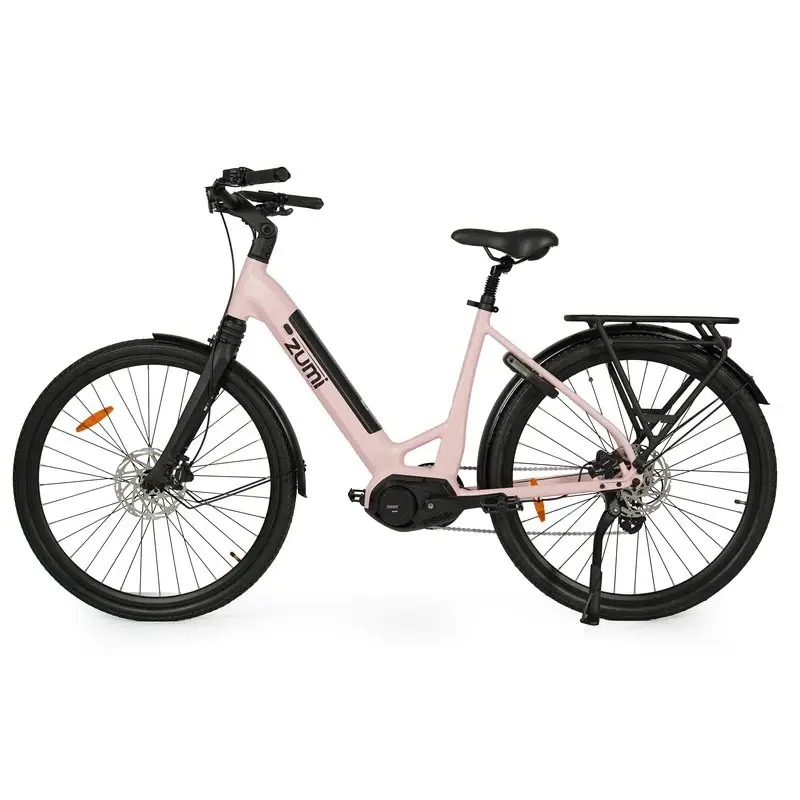
2026/08/03
Avoid liability & import bans: Learn IEC 62619, UN 38.3, and UL 2271—plus how to verify real compliance (not fakes).
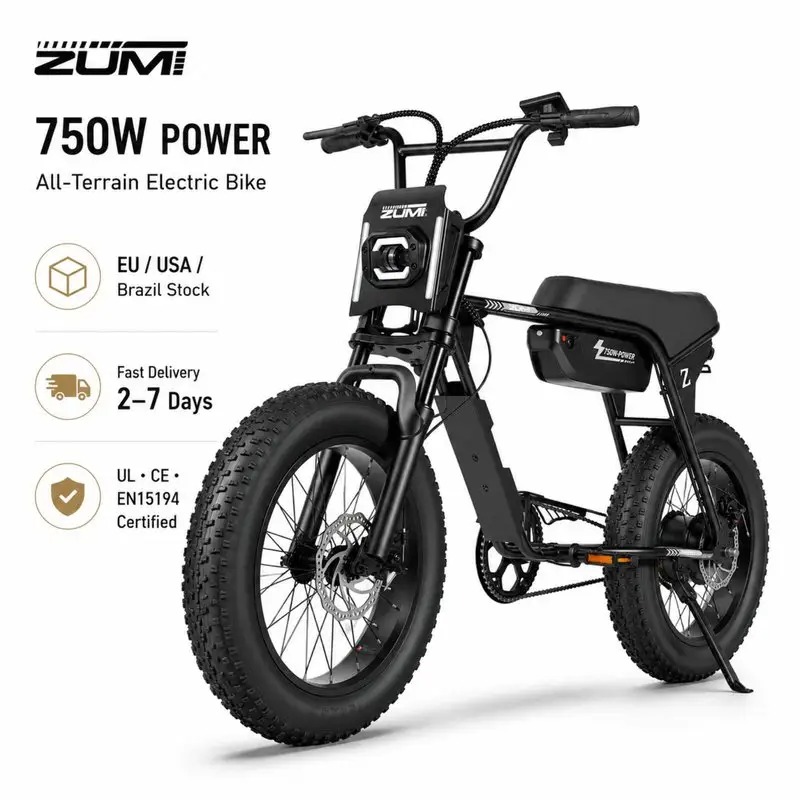
2026/08/03
Learn precise air pressure, rebound & compression tuning for optimal suspension performance. Get pro-level setup tips now.
2026/08/03
Discover how voltage drop saps performance—and proven fixes to restore responsiveness, range, and battery life. Read now.
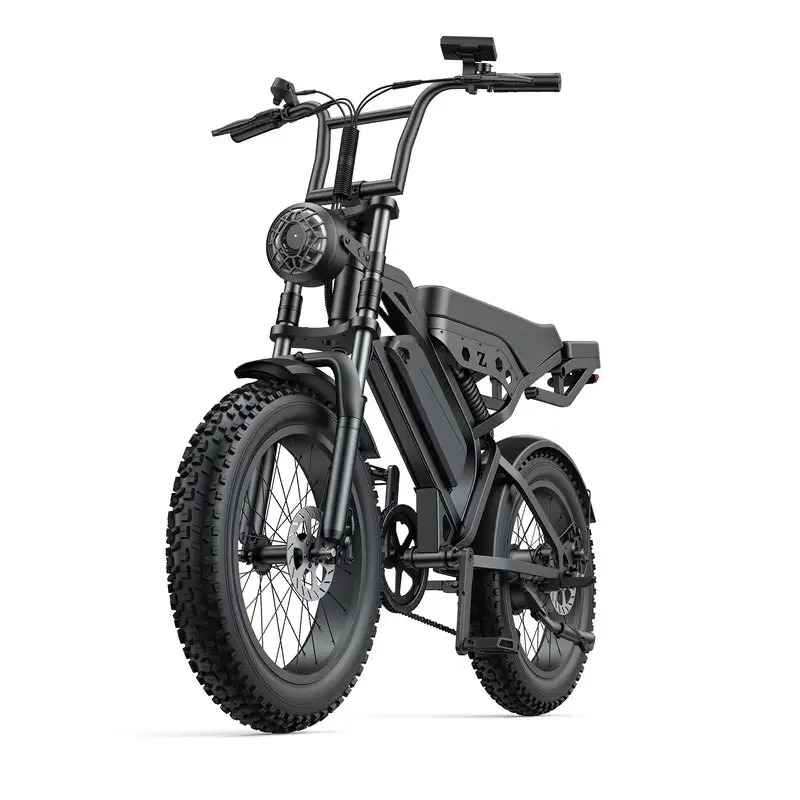
2026/08/03
Discover data-backed protocols, smart infrastructure & operational fixes. Optimize now.
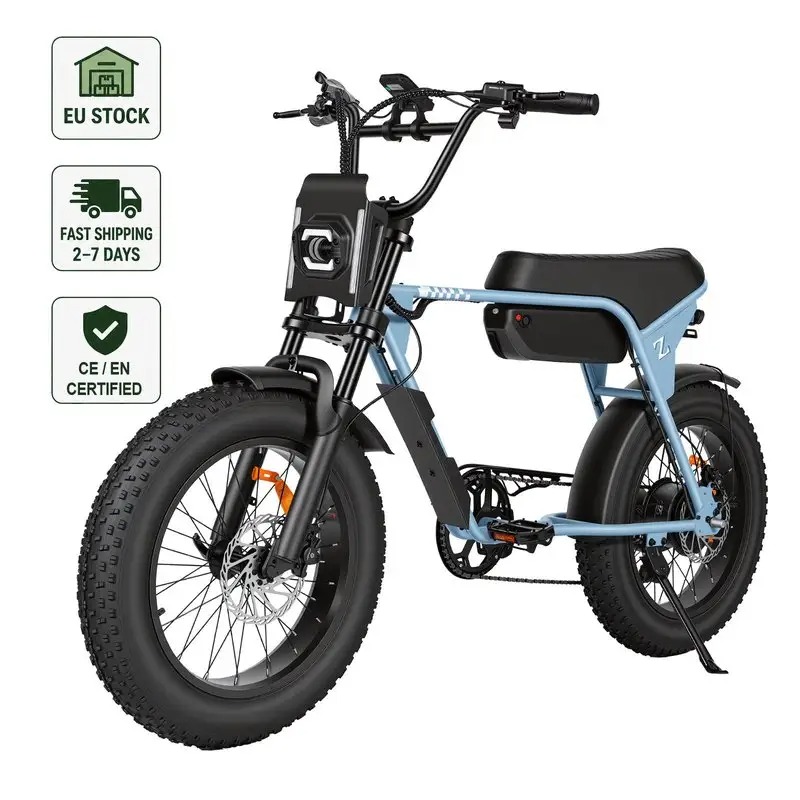
2026/08/03
How payload cuts 48V cargo ebike range by 15–50%+ — backed by real-world degradation curves, motor load science & fleet optimization strategies.
Comprehensive warranty, fast parts shipping, remote diagnostics and local dealer training


