 EN
EN
STEP 1
Full vehicle warranty for 2 years
2026/09/03
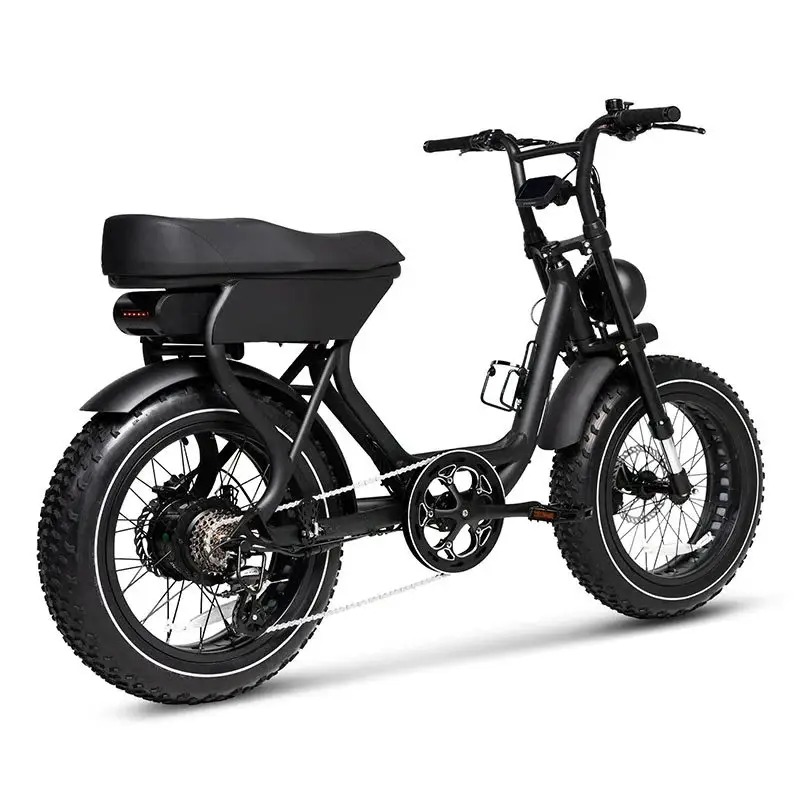
Choosing between a long range electric bike and an electric moped represents one of the most critical decisions for modern commuters. Both options promise eco-friendly transportation and reduced fuel costs, yet they operate under fundamentally different designs, regulations, and practical constraints. Understanding these distinctions helps you select the right solution for your commuting needs, lifestyle, and budget. This guide breaks down the key differences between these two powerhouse commuting solutions.
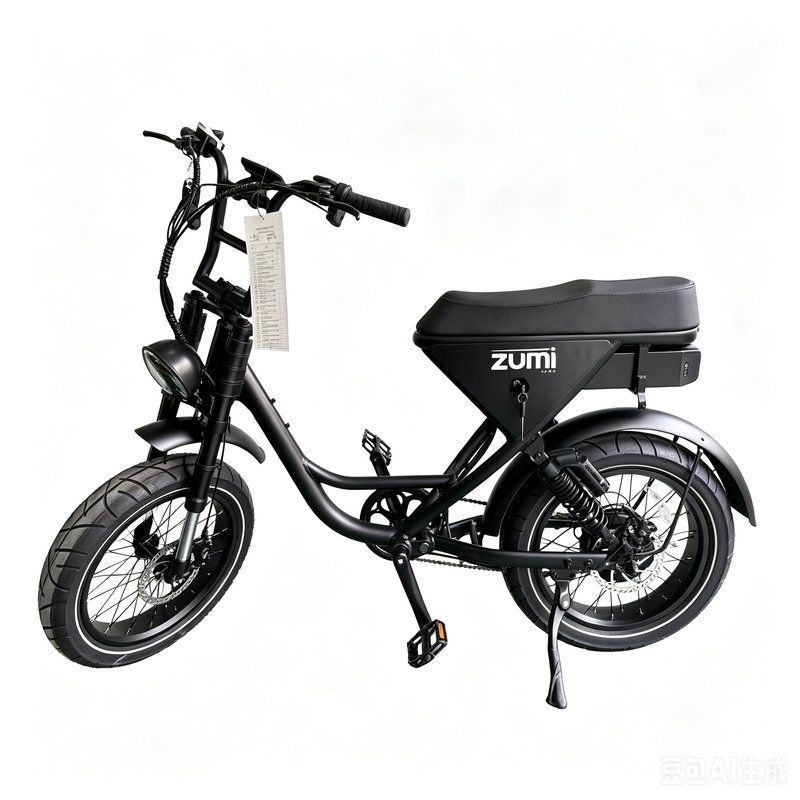
A long range electric bike combines pedal power with electric assistance, typically offering 40–100 miles of range per charge depending on motor power and battery capacity. Electric mopeds, by contrast, function as seated scooters with throttle-based operation and limited or no pedaling capability, delivering similar or greater range with engine-like convenience. The choice between them depends on your commute distance, local regulations, physical capability, and personal preferences around exercise and transportation style.
Long distance ebikes represent a breakthrough in commuting efficiency, with modern high range electric bike models reaching 60–100 miles on a single charge. Battery capacity ranges from 500Wh to 750Wh or higher, and efficiency depends on terrain, rider weight, pedaling effort, and assistance level. Most long range electric bikes for adults use lithium-ion batteries that recharge in 4–8 hours, making overnight charging convenient for daily commuters. The actual range of electric bike with high range models exceeds traditional bicycles by a factor of ten, while preserving the option to pedal when charging infrastructure is scarce.
Electric mopeds typically deliver 30–80 miles per charge, depending on motor wattage, throttle usage patterns, and riding conditions. Unlike long range electric bikes for adults, mopeds rely entirely on battery power without pedal backup, meaning depleted batteries leave you stranded. Charging times often exceed 6–10 hours, and many models lack portable charging solutions. However, mopeds maintain consistent speed regardless of rider exertion, making them predictable for time-sensitive commutes.
High range electric bike regulations vary by jurisdiction but generally follow Class 1, Class 2, or Class 3 classifications. Class 1 and Class 2 high range electric bikes operate legally on most bike paths, multi-use trails, and standard bicycle lanes in the United States and many countries worldwide. Motors typically max out at 250–750 watts, and speed assistance cuts off at 20–28 mph depending on class. This regulatory flexibility means your long distance ebikes can access infrastructure unavailable to motorized alternatives, reducing congestion and parking friction.
Electric mopeds face stricter regulations, often classified as motorized vehicles requiring registration, insurance, and licensing in many states and countries. Many mopeds cannot legally access bike lanes or multi-use trails, forcing riders onto roads with vehicle traffic. Helmet requirements, license plate registration, and inspection protocols add compliance overhead compared to long range electric bikes. Some municipalities ban electric mopeds outright, while others permit them only on specific routes.
A quality long distance ebikes investment typically ranges from $1,200–$4,000 for durable models with high range electric bike performance and reliability. Maintenance costs remain minimal because pedal-assist systems integrate proven bicycle components with minimal wear compared to fully throttled vehicles. Tire replacement, brake service, and chain lubrication mirror traditional bicycle upkeep. Battery replacement after 3–5 years costs $400–$800, significantly cheaper than fuel savings accumulated over ownership. Long range electric bikes for adults rarely require registration or insurance, and electricity costs per mile average $0.02–$0.05.
Electric moped purchase prices range from $1,500–$5,000, comparable to long range electric bike investments, but regulatory costs add $100–$300 annually for registration and insurance. Motor maintenance, controller repairs, and battery degradation present higher failure-rate risk than pedal-assist systems. Without regenerative braking and with constant throttle operation, batteries degrade faster than long range electric bikes. Electricity remains cheap, but warranty claims and dealer service visits accumulate operating costs faster than DIY bicycle maintenance typical for high range electric bike owners.
Long range electric bikes deliver flexible commuting where you choose assistance levels based on energy availability and fitness. Moderate to vigorous pedaling combines exercise with transportation, improving health outcomes over sedentary commutes. Lightweight designs and agile handling navigate urban congestion better than mopeds, and the option to pedal when batteries deplete provides insurance against range anxiety. Weather exposure remains higher than enclosed vehicles, but summer and mild-weather commutes benefit from fresh air and terrain adaptability. High range electric bike models excel for 20–50 mile commutes where pedal assistance compensates for fatigue on longer distances.
Electric mopeds prioritize convenience and consistency, delivering hands-off throttle operation without pedaling effort. Seating comfort and footrest design often exceed bicycle saddles, and weather protection improves through fenders and optional fairings. Speed maintenance remains constant regardless of rider fatigue, supporting predictable arrival times. However, mopeds sacrifice fitness benefits, create parking footprint challenges in crowded urban areas, and lack the agility that long distance ebikes provide in congested streets. Mopeds suit commuters prioritizing passive comfort over active health engagement.
Most long range electric bikes for adults deliver 60–100 miles per charge with moderate pedaling assistance, while electric mopeds typically range 30–80 miles depending on throttle usage and motor efficiency. Real-world range for long distance ebikes extends further because pedal input reduces battery drain, whereas mopeds depend entirely on battery power. High range electric bike owners often experience range extension through pedaling, making effective range unpredictable for mopeds that lack this backup.
Class 1 and Class 2 long distance ebikes require no license, registration, or insurance in most jurisdictions, while Class 3 models face varying restrictions by region. Electric mopeds typically require registration, licensing, and liability insurance in most states and countries, adding regulatory complexity. Long range electric bikes for adults enjoy significantly simpler legal pathways compared to mopeds, making adoption faster and compliance easier for casual commuters.
A high range electric bike works excellently for 30–50 mile daily commutes when moderate pedaling complements battery assistance, and long range electric bikes designed for adults typically handle this distance with morning and evening charging routines. Electric mopeds also handle this range, but registration costs and restricted trail access limit routing flexibility. Long range electric bikes provide fitness benefits, lower ownership costs, and superior regulatory access, making them the preferred choice for moderate-distance daily commuting unless weather or physical limitations strongly favor mopeds.
2026/08/03
Fix time zones, language gaps, and unclear protocols—boost speed, cut costs, and scale confidently.
2026/08/03
Avoid liability & import bans: Learn IEC 62619, UN 38.3, and UL 2271—plus how to verify real compliance (not fakes).
2026/08/03
Learn precise air pressure, rebound & compression tuning for optimal suspension performance. Get pro-level setup tips now.
2026/08/03
Discover how voltage drop saps performance—and proven fixes to restore responsiveness, range, and battery life. Read now.
2026/08/03
Discover data-backed protocols, smart infrastructure & operational fixes. Optimize now.
2026/08/03
How payload cuts 48V cargo ebike range by 15–50%+ — backed by real-world degradation curves, motor load science & fleet optimization strategies.
Comprehensive warranty, fast parts shipping, remote diagnostics and local dealer training


