 EN
EN
STEP 1
Full vehicle warranty for 2 years
2026/08/11
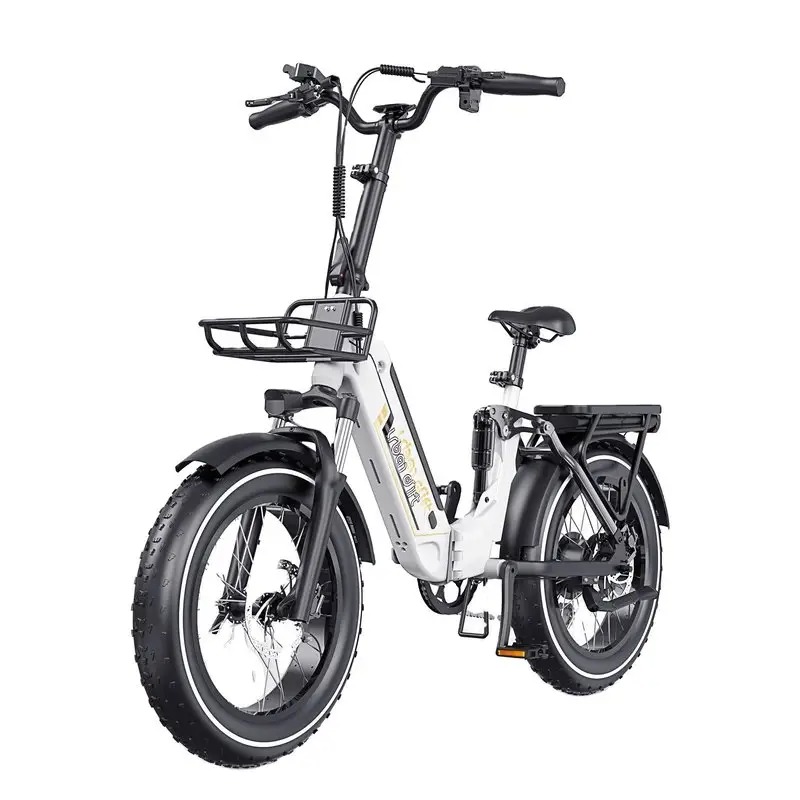
Choosing between a mid drive motor and a hub motor on a fat tire electric bike is one of the most critical decisions you'll make when investing in an e-bike. Both motor types offer distinct advantages and trade-offs that affect your riding experience, maintenance costs, and long-term satisfaction. Understanding how these two powertrains perform on a fat tire electric bike will help you select the right setup for your specific needs and riding conditions.
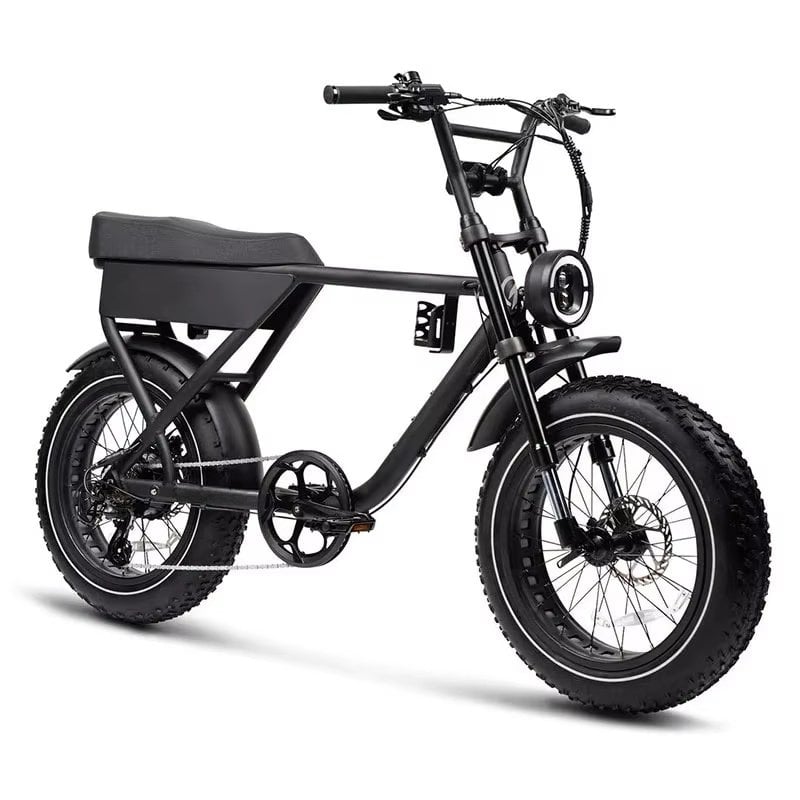
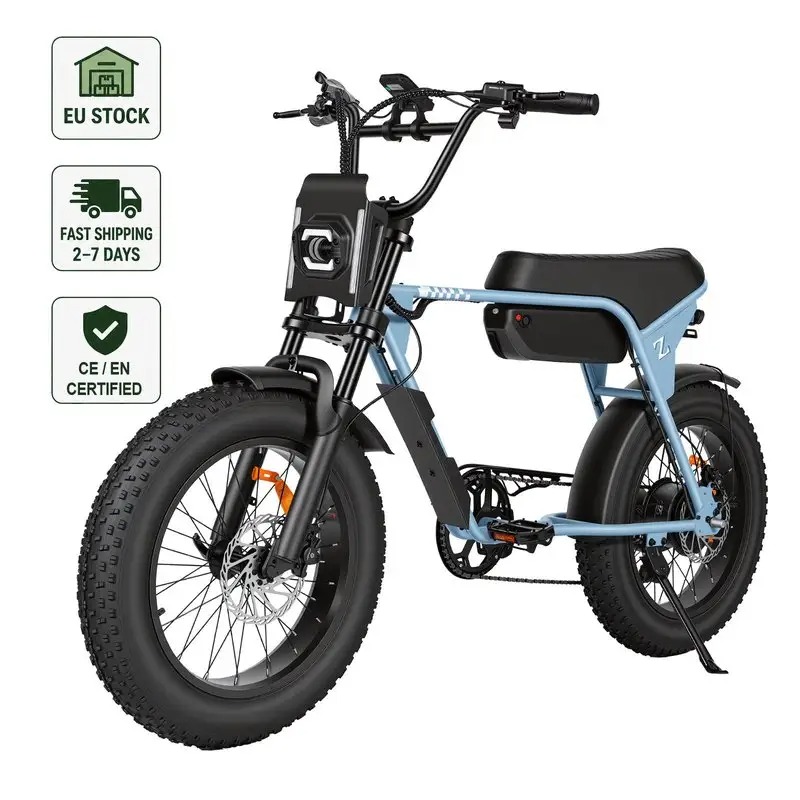
A fat tire electric bicycle for sale today typically features either a mid drive motor positioned near the pedals or a hub motor integrated into the front or rear wheel. Each configuration delivers power differently, influencing acceleration, hill-climbing ability, battery efficiency, and overall ride quality. For riders exploring muddy terrain, sandy beaches, or snow-covered trails, the choice between these motors becomes even more important since fat tires already provide unique handling characteristics that interact with motor placement and torque delivery.
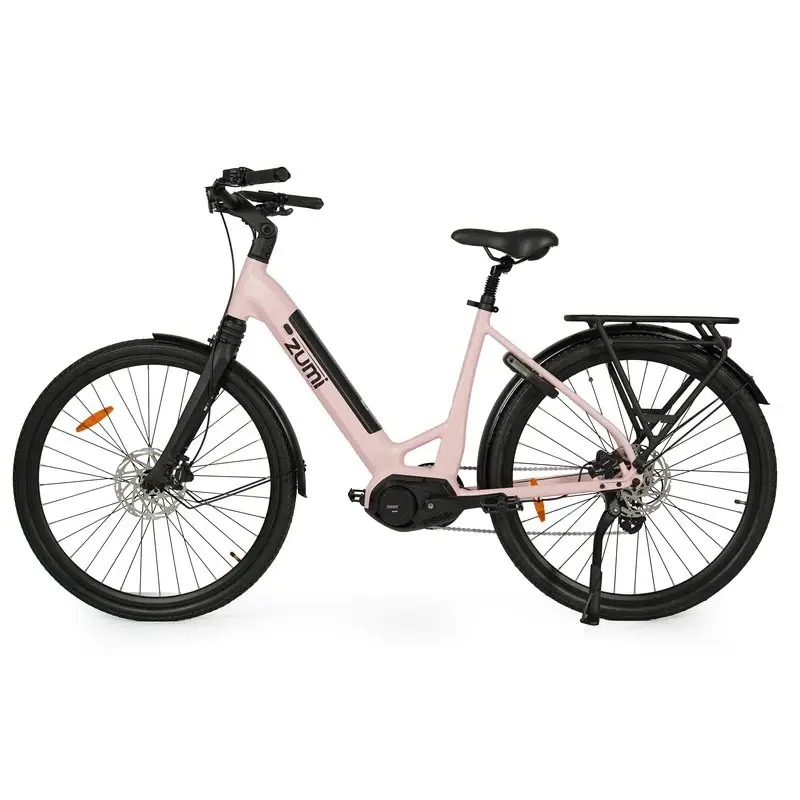
Mid drive motors leverage your bike's existing gears and drivetrain to multiply torque and efficiency. The motor sits centrally at the crank, meaning all power flows through your chain and gears before reaching the wheels. This design gives mid drive systems a significant mechanical advantage, especially when climbing steep inclines or navigating soft terrain where a fat tire electric bike with lower gearing can make a real difference. The motor engages only when you pedal, creating a natural riding feel that many cyclists prefer over throttle-only operation.
Mid drive systems excel in variable terrain because they automatically adjust power output through your gears. When the motor senses pedaling force, it applies torque proportionally, meaning uphill sections receive more assist while flat sections use less battery. This intelligent power distribution makes mid drive motors highly efficient, extending your range on a single charge compared to equivalent hub motor setups on the same fat bike electric cycle.
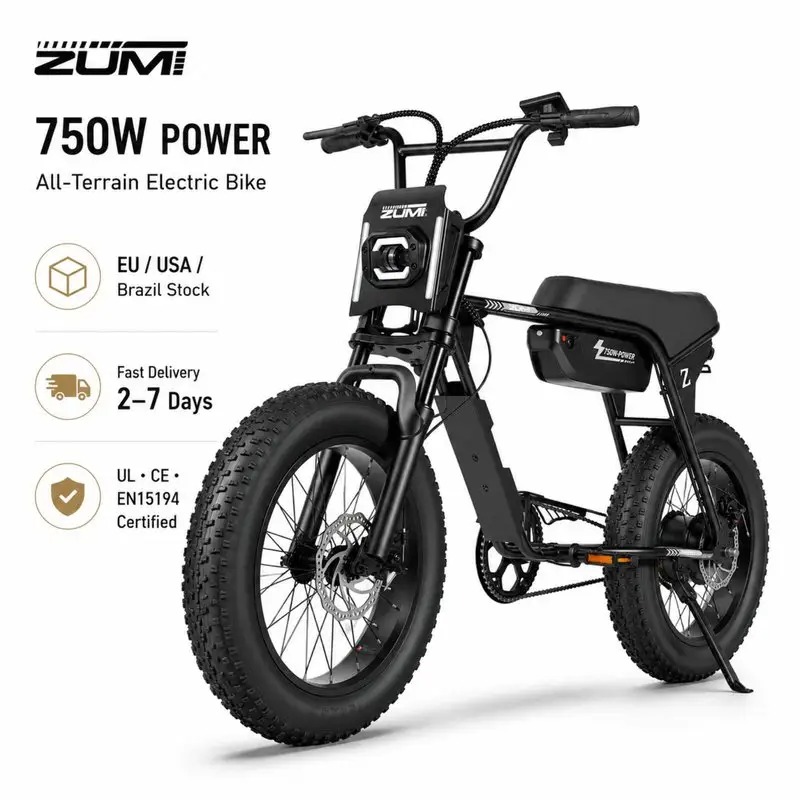
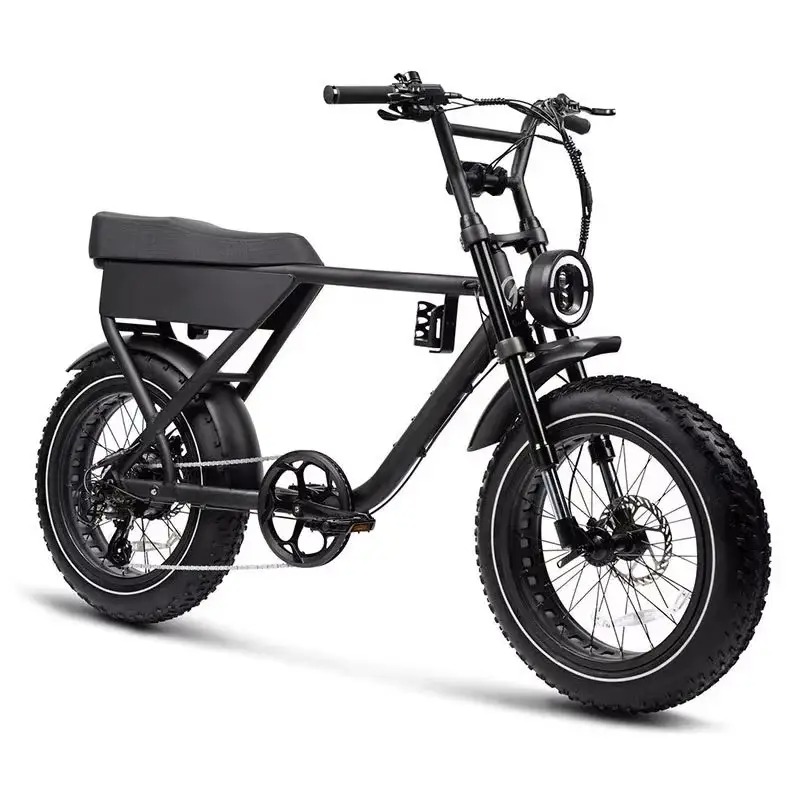
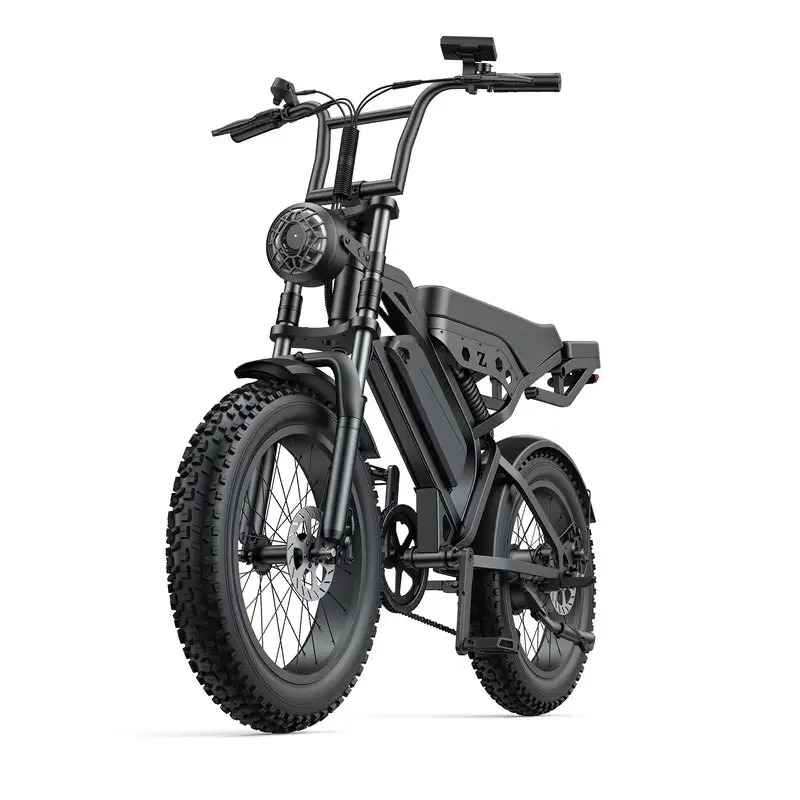
Hub motors sit inside the wheel hub and deliver power directly to the wheel without involving the chain or gears. Direct power delivery from a hub motor creates immediate torque availability, giving you instant acceleration from a standstill. This characteristic proves especially useful in urban environments or when starting from technical rocky sections where constant pedal input would be impractical. A cruiser fat tire electric bike often benefits from hub motors because the relaxed geometry and torque-forward riding style complement the immediate power response.
Hub motors offer simpler maintenance since they bypass the drivetrain entirely, eliminating chain wear acceleration that occurs with mid drive systems. On a 26 fat tire electric bike, a hub motor setup requires fewer adjustments over time, and the constant power delivery provides predictable performance regardless of which gear you're in. However, hub motors apply fixed torque directly to the wheel, which can strain the wheel structure on very soft surfaces and may create less intuitive power modulation on variable terrain.
Mid drive motors achieve superior energy efficiency because they work in harmony with your gears, multiplying available torque mechanically before it reaches the wheels. This means less electrical energy is needed to accomplish the same climb or acceleration compared to hub motors that must generate all torque electrically. On a fat tire electric bicycle for sale with identical battery capacity, the mid drive setup typically delivers 15–25% greater range under similar riding conditions. The efficiency advantage grows especially pronounced when tackling steep hills or navigating variable terrain where gear selection can optimize the motor's work.
Hub motors consume more battery energy to produce equivalent torque because they rely entirely on electrical power without mechanical leverage from gearing. Direct motor-to-wheel power transfer on a fat bike electric cycle means hub motors work harder for the same output, draining your battery faster on technical terrain. However, hub motors maintain more consistent power across different terrain types since there's no gear shifting to optimize efficiency, making them straightforward for riders who prioritize simplicity over maximum range.
A cruiser fat tire electric bike with a mid drive motor and 48V 15Ah battery might deliver 45–60 miles of assisted range under moderate conditions, whereas the same battery on a hub motor setup might provide 35–50 miles. This difference compounds over extended trips, especially when trails demand continuous climbing or soft-surface negotiation where motor efficiency becomes critical. Battery management on a fat tire electric bike matters tremendously; riders choosing mid drive systems gain practical advantages in real-world adventure scenarios where extended range prevents mid-ride power concerns.
Mid drive motors accelerate chain and cassette wear compared to unassisted bikes because the motor applies sudden torque bursts to your drivetrain. On a 26 fat tire electric bike, expect to replace chains more frequently, possibly every 1,000–2,000 miles instead of 3,000–4,000 miles on traditional bicycles. Mid drive systems require regular maintenance including chain tensioning, derailleur adjustments, and cassette monitoring. However, these maintenance tasks remain inexpensive and straightforward, making the long-term cost of ownership reasonable for riders comfortable with basic bike maintenance.
Hub motors eliminate chain wear acceleration and drivetrain stress since they bypass the pedal-powered chain entirely. Rear hub motors on a fat tire electric bicycle for sale require virtually no maintenance beyond occasional spoke truing and standard wheel upkeep. This low-maintenance characteristic appeals to riders seeking simplified ownership; you won't face premature drivetrain replacement costs typical with mid drive systems. The tradeoff is that hub motor repairs, when needed, typically cost more because the motor is integrated into the wheel structure itself.
Mid drive motors connect to your existing drivetrain, meaning experienced bike shops can service them using standard tools and component availability. If your motor requires repair, local technicians often can diagnose and fix issues without ordering specialized equipment. A cruiser fat tire electric bike using a mid drive system offers practical serviceability since the motor sits in an accessible location where adjustments and repairs proceed straightforwardly. Component replacement involves standard parts, keeping repair costs manageable compared to proprietary hub motor systems.
Hub motors require specialized knowledge and often need return to manufacturer service centers for repairs, particularly for rear hub systems where wheel removal and motor disassembly become necessary. Finding qualified technicians for hub motor repairs can prove challenging outside major urban areas, potentially limiting your maintenance options. For riders in remote locations or those valuing local service accessibility, a fat bike electric cycle with mid drive configuration offers practical advantages regarding repair availability and downtime reduction.
Mid drive motors generally perform better on technical mountain terrain because they leverage your gears to optimize power delivery across varying gradients. The mechanical advantage gained through gearing allows the motor to work efficiently through steep climbs, rocky sections, and variable surfaces common on mountain trails. A fat tire electric bicycle for sale marketed for serious trail riding typically features mid drive because the adaptive torque characteristics suit unpredictable terrain and elevation changes.
Yes, hub motors work perfectly for casual riding, beach cruising, and gentle trail exploration. Many riders prefer hub motors on a cruiser fat tire electric bike for their simplicity, instant torque, and low maintenance requirements. If you're mostly traveling flat routes or paved surfaces and prioritize straightforward operation over maximum range, a hub motor on a 26 fat tire electric bike delivers reliable, uncomplicated performance without the drivetrain wear considerations of mid drive systems.
Mid drive fat tire electric bikes typically cost more in cumulative drivetrain maintenance due to accelerated chain and cassette wear, potentially adding $300–500 in replacement parts over five years. Hub motor systems avoid drivetrain replacement costs but may require professional motor service, which could run $400–800 if repairs become necessary. Overall, hub motor setups often cost less to maintain on a fat bike electric cycle, but mid drive systems offer superior efficiency benefits that extend range and reduce battery replacement frequency over the same period.
2026/08/03
Fix time zones, language gaps, and unclear protocols—boost speed, cut costs, and scale confidently.
2026/08/03
Avoid liability & import bans: Learn IEC 62619, UN 38.3, and UL 2271—plus how to verify real compliance (not fakes).
2026/08/03
Learn precise air pressure, rebound & compression tuning for optimal suspension performance. Get pro-level setup tips now.
2026/08/03
Discover how voltage drop saps performance—and proven fixes to restore responsiveness, range, and battery life. Read now.
2026/08/03
Discover data-backed protocols, smart infrastructure & operational fixes. Optimize now.
2026/08/03
How payload cuts 48V cargo ebike range by 15–50%+ — backed by real-world degradation curves, motor load science & fleet optimization strategies.
Comprehensive warranty, fast parts shipping, remote diagnostics and local dealer training


