 EN
EN
STEP 1
Full vehicle warranty for 2 years
2026/08/27
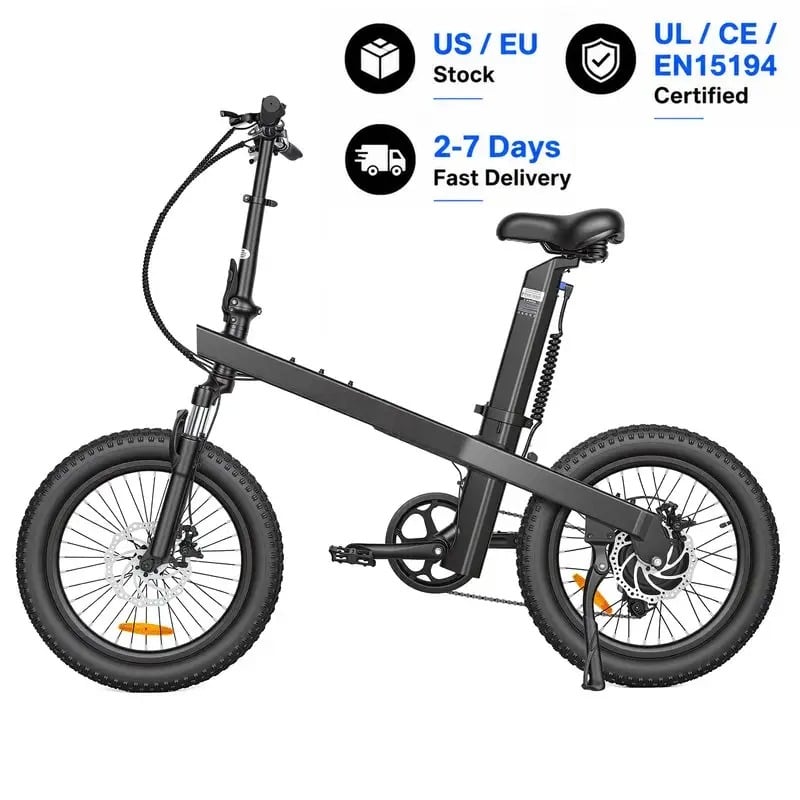
Motor heat dissipation is a critical thermal management challenge in any fat tire electric bike, particularly in high-performance models designed for demanding terrain and extended riding sessions. The powerful motors used in a China fat tire electric bike generate significant heat during acceleration, climbing, and sustained throttle engagement, making effective cooling essential for maintaining performance, extending component lifespan, and ensuring rider safety. Understanding how these systems work reveals why Chinese manufacturers have invested heavily in sophisticated thermal engineering to deliver reliable, long-lasting ebikes.
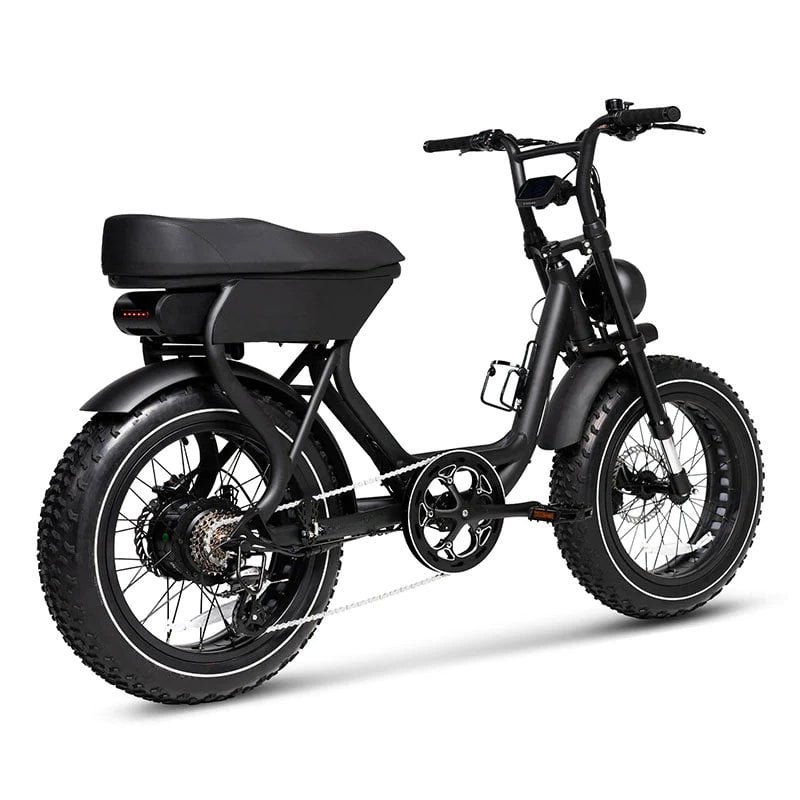
A fat tire ebike typically houses a direct-drive or geared hub motor rated between 750W and 2000W, and these motors consistently generate heat loads that require intelligent dissipation pathways. The thermal performance of your ebike depends on motor design, construction materials, airflow capacity, and the thermal interface between the motor shell and external cooling surfaces. This article explores the engineering principles behind motor heat dissipation in fat tire electric bikes, examines how Chinese manufacturers approach thermal management, and provides practical insights for riders seeking reliable performance.
Inside a fat tire ebike motor, heat originates from three primary sources: copper winding resistive losses, magnetic core hysteresis, and mechanical friction within bearings and gears. When electrical current flows through motor windings, resistance converts energy to heat according to the P = I²R formula, meaning higher current draws produce exponentially greater thermal output. A chinese ebike operating at maximum power output can generate motor temperatures exceeding 80°C within minutes, particularly during hill climbs or continuous throttle engagement in cold weather when ambient cooling becomes less effective.
Sustained high temperatures damage motor insulation, degrade bearing lubricants, and accelerate corrosion of internal conductors. When a fat tire electric bike motor exceeds safe thermal thresholds, performance throttling activates automatically, reducing power output to prevent component failure. Chinese manufacturers implement thermal cut-off systems that progressively limit motor current as temperature rises, protecting the motor but also reducing the rider's available power during critical moments. Understanding these thermal limits helps riders adopt riding patterns that maintain optimal motor temperatures and preserve long-term reliability.
The motor housing of a fat tire ebike serves as the primary thermal radiator, and Chinese manufacturers optimize these designs with finned aluminum surfaces, textured cooling fins, and strategic air pathways. The fat tire ebike's hub-motor location at the wheel rim exposes the motor to constant airflow during riding, which dramatically improves convective cooling compared to mid-drive motor systems. Quality Chinese ebike designs incorporate deep cooling fins that increase surface area without adding excessive weight, allowing thermal energy to dissipate more rapidly into the surrounding air. The housing geometry also influences how effectively air circulates around the motor core, with optimized designs featuring spiral or radial fin patterns that direct airflow through high-heat zones.
Inside the motor, heat must flow from the stator windings to the external housing through multiple conduction pathways including the stator core, mounting brackets, and bearing assemblies. A China fat tire electric bike uses high-thermal-conductivity materials like aluminum and copper in critical interfaces to accelerate heat transfer away from the hottest zones. Thermal interface materials and careful material selection between stator and housing reduce thermal resistance, enabling faster heat dissipation. Chinese ebike engineers also employ potting compounds and thermal grease with specific conductivity ratings to fill air gaps and improve contact between internal components and the external cooling surfaces.
The fat tire electric bike's wheel rotation creates dynamic pressure and boundary-layer turbulence that naturally draws cooler air across the motor housing. Designers optimize this effect by positioning cooling fins to align with airflow direction and creating vortex zones that enhance convective heat removal. Stationary or low-speed operation poses the greatest thermal challenge because reduced wheel rotation means minimal forced convection, causing motor temperatures to rise more steeply. A fat tire ebike tested in laboratory conditions shows significantly higher motor temperatures during stationary throttle tests compared to moving-vehicle conditions, illustrating why real-world riding performance typically exceeds worst-case thermal scenarios.
Modern fat tire electric bike systems from Chinese manufacturers include integrated thermistors or thermal sensors that continuously monitor motor temperature and relay data to the battery management system. The system uses real-time temperature feedback to modulate motor output, progressively reducing available power as the motor approaches critical temperature thresholds. This China fat tire electric bike approach protects expensive motor components while maintaining rider safety and system integrity. Riders benefit from transparent thermal management that communicates temperature status through digital displays or LED indicators, allowing informed decisions about riding intensity and rest intervals.
High-performance bearings with optimized lubrication reduce internal friction and minimize parasitic heat generation within fat tire ebike motors. Chinese manufacturers specify bearing grease formulations with wide operating temperature ranges and low mechanical shear to maintain film strength even at elevated temperatures. Regular bearing maintenance ensures lubricant effectiveness and prevents heat buildup from increased friction as bearings age. Worn bearings generate excessive heat and accelerate motor temperature rise, making bearing inspection a critical maintenance task for riders seeking sustained thermal performance.
Motor power cables and controller connections represent secondary heat sources in chinese ebike systems. High-resistance connectors or undersized power cables generate excessive I²R losses, creating heat outside the motor housing where dissipation becomes difficult. Chinese ebike designers minimize connector resistance through gold-plated contacts, large-gauge conductors, and low-impedance connection points that reduce power losses and associated heat generation. Upgrading or maintaining these connections preserves overall system efficiency and reduces thermal stress on the motor itself.
Dirt, mud, and debris accumulation on motor cooling fins blocks airflow and dramatically reduces heat dissipation efficiency on your fat tire ebike. Routine cleaning of the motor housing removes thermal barriers and restores convective cooling capacity. Inspect cooling fins for damage or corrosion that might impair thermal performance. A fat tire electric bike operating in wet or muddy environments requires more frequent cleaning to maintain optimal thermal characteristics and prevent premature motor degradation from thermal stress.
Riders can optimize motor thermal performance by monitoring temperature indicators and adjusting riding patterns to avoid sustained maximum-power operation. Taking brief rest intervals during intense climbing sessions allows motor temperatures to decrease and improves reliability. A fat tire ebike performs most efficiently within moderate power ranges where thermal dissipation easily manages heat output. Understanding your specific model's thermal characteristics enables better decision-making about route planning, riding intensity, and rest intervals that balance performance with system longevity.
Hill climbing demands maximum motor power output, which generates proportionally higher resistive losses and mechanical friction. The combination of sustained high current draw and reduced airflow velocity (the bike moves slower uphill) creates the worst-case thermal scenario, causing motor temperatures to rise rapidly. The motor's automatic thermal management system may reduce power to prevent overheating, which explains reduced performance during prolonged climbing on a fat tire electric bike.
Keep the motor housing clean of debris, maintain proper bearing lubrication through regular service, ensure power connectors remain clean and corrosion-free, and adopt riding patterns that allow thermal recovery between high-intensity efforts. Upgrading to high-quality thermal interface materials and ensuring proper wheel balance reduces vibration and friction-induced heat. Riding at moderate speeds optimizes the balance between airflow cooling and power efficiency, naturally improving thermal performance without hardware modifications.
Most fat tire ebike motors operate safely between 40°C and 70°C during normal riding conditions. Temperatures above 80°C trigger throttling in quality systems to prevent component damage. Short-term excursions above 70°C during intense efforts are normal and acceptable, but sustained temperatures above 80°C indicate thermal management issues or riding beyond the motor's design envelope. Consult your ebike manual for specific temperature specifications for your particular model and motor system.
2026/08/03
Fix time zones, language gaps, and unclear protocols—boost speed, cut costs, and scale confidently.
2026/08/03
Avoid liability & import bans: Learn IEC 62619, UN 38.3, and UL 2271—plus how to verify real compliance (not fakes).
2026/08/03
Learn precise air pressure, rebound & compression tuning for optimal suspension performance. Get pro-level setup tips now.
2026/08/03
Discover how voltage drop saps performance—and proven fixes to restore responsiveness, range, and battery life. Read now.
2026/08/03
Discover data-backed protocols, smart infrastructure & operational fixes. Optimize now.
2026/08/03
How payload cuts 48V cargo ebike range by 15–50%+ — backed by real-world degradation curves, motor load science & fleet optimization strategies.
Comprehensive warranty, fast parts shipping, remote diagnostics and local dealer training


