 EN
EN
STEP 1
Full vehicle warranty for 2 years
2026/08/13
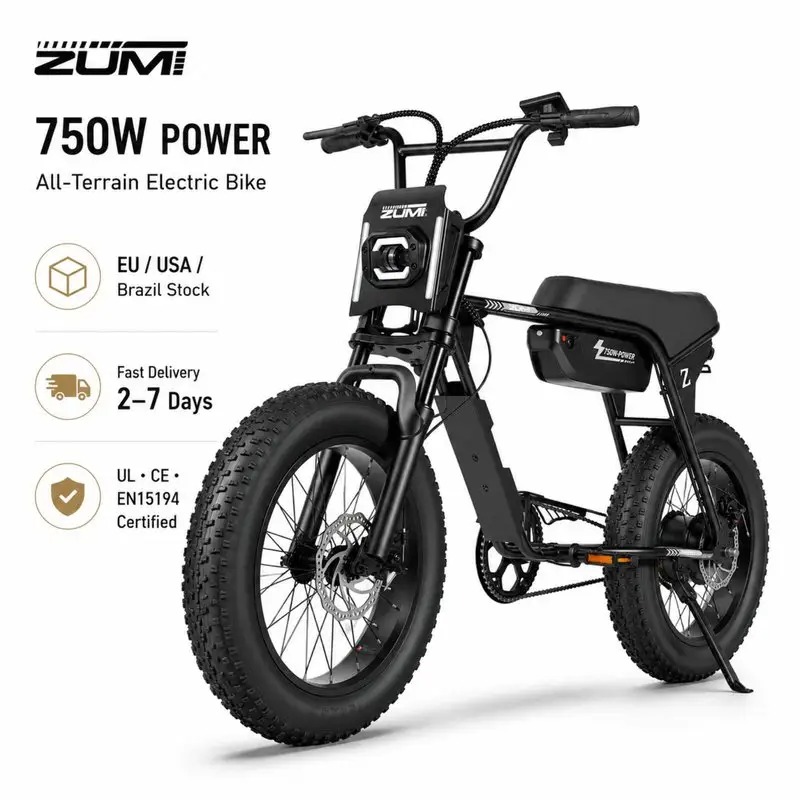
Choosing between sourcing an OEM electric bike and purchasing off-the-shelf wholesale models is a critical decision for retailers, distributors, and aggregators entering the e-bike market. Each path offers distinct advantages and constraints, and the optimal choice depends on your business model, capital availability, timeline, and market positioning strategy. Understanding the fundamental differences between these approaches will help you make an informed decision that aligns with your growth objectives and operational capabilities.
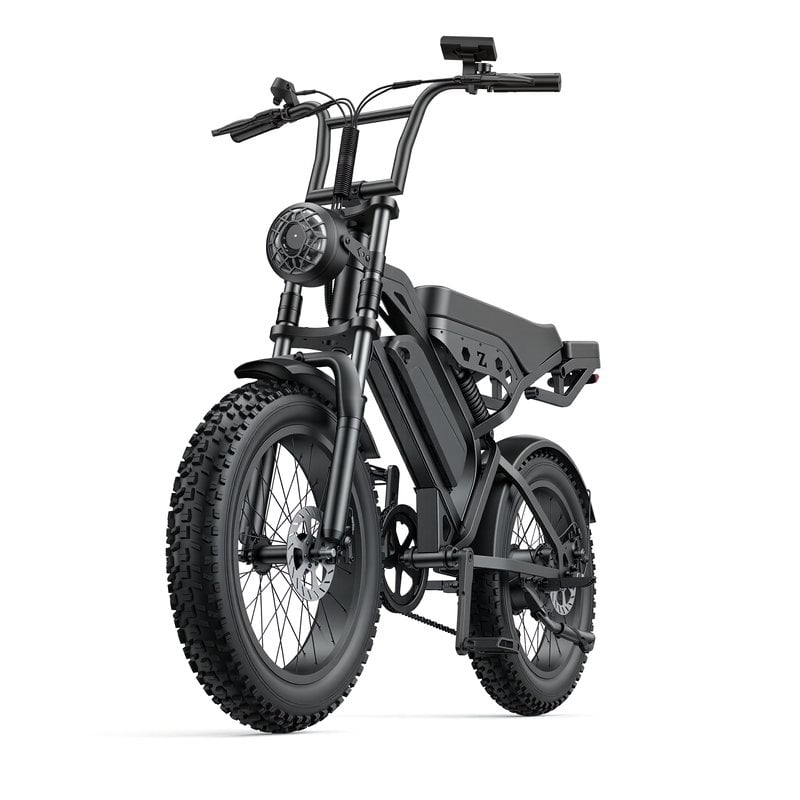
The e-bike industry has expanded rapidly, and businesses now face unprecedented choice in how they source inventory. Working with custom made e bikes through original equipment manufacturers differs fundamentally from buying pre-built wholesale inventory. Both approaches serve different market needs and operational structures, and success requires clarity on which model matches your business objectives, supply chain maturity, and customer expectations.
An OEM electric bike arrangement involves partnering directly with an e bike manufacturing company to design, customize, and produce bikes tailored to your brand specifications. Custom electric bike builders work collaboratively with your team to integrate specific components, colors, geometry, electronics, and branding elements. This approach means you own the product development process and can establish unique market positioning through differentiated features that wholesale competitors cannot replicate.
OEM partnerships typically require minimum order quantities, longer lead times, and upfront design investment. However, custom made e bikes allow you to control product quality, build proprietary features, establish brand loyalty, and maintain higher margins. An electric bicycle suppliers working under OEM models often provides technical support, warranty coordination, and supply continuity that generic wholesale relationships cannot guarantee.
Wholesale models involve purchasing completed bikes from distributors or manufacturers at bulk rates. Inventory arrives ready for immediate sale, requiring minimal customization or lead time. This path demands lower capital investment, faster market entry, and reduced operational complexity. Wholesale buyers accept standardized specifications and compete primarily on pricing, logistics speed, and customer service rather than product differentiation.
The trade-off is limited differentiation and direct competition with other retailers carrying identical inventory. Margins are typically lower, and you remain dependent on wholesale supplier stock levels and pricing decisions. Scaling a wholesale-only business often requires aggressive marketing and efficient logistics rather than product innovation.
Custom electric bike builders enable you to create products that reflect your brand identity and customer needs precisely. Rather than selling the same models as dozens of competitors, an OEM electric bike program lets you introduce unique frame designs, proprietary motor configurations, color schemes, or technology integrations. This differentiation strengthens brand recognition and justifies premium pricing in the market.
An e bike manufacturing company focused on your specifications can incorporate feedback from customer research, regional preferences, and emerging trends into product design. This responsiveness creates competitive advantages that wholesale models cannot match, especially in growing markets where early brand establishment is critical to long-term success.
Custom made e bikes typically command higher retail prices because they offer differentiated features and brand exclusivity. Direct partnerships with custom electric bike builders eliminate middleman markups that reduce wholesale profit margins. By controlling the design and sourcing process, you retain more value in the supply chain and improve bottom-line profitability per unit sold.
OEM arrangements often include volume discounts that improve as your order quantities increase, creating scalable economics. An electric bicycle suppliers under OEM contracts may also offer flexible payment terms, extended warranty provisions, or technical support that reduce your operational costs and risk exposure.
Working directly with an e bike manufacturing company through OEM channels reduces supply chain vulnerability. Rather than competing for limited wholesale inventory alongside other retailers, you maintain dedicated production capacity and predictable lead times. This stability is critical during peak demand periods when wholesale inventory evaporates and backorders proliferate.
Wholesale purchasing enables immediate inventory availability and rapid market launch. If you lack product development expertise or want to validate market demand before committing significant capital, wholesale entry is faster and less risky. Your cash flows into inventory that sells within weeks, rather than waiting months for OEM production cycles while managing development uncertainty.
An electric bicycle suppliers selling wholesale typically accepts smaller initial orders, making this path accessible to startups and smaller retailers. The reduced capital requirement means you can test market demand, build operational systems, and establish brand presence before scaling to larger commitments.
Wholesale models eliminate the need for product design, engineering, quality control management, and supply chain coordination at the manufacturing level. You purchase finished goods, manage inventory logistics, and focus on sales and customer service. This simplicity allows lean teams to move quickly without specialized technical expertise or extended supplier relationships.
For businesses prioritizing rapid expansion over product innovation, wholesale offers streamlined operations. Your team can dedicate resources to marketing, distribution, and customer acquisition rather than navigating custom made e bikes development timelines and technical specifications with e bike manufacturing companies.
Wholesale purchasing provides flexibility to adjust inventory mix, test new brands, or shift suppliers based on market performance. If customer demand shifts toward specific features or price points, you can quickly update wholesale orders without renegotiating long-term OEM contracts. This agility suits dynamic markets where preferences change rapidly.
Evaluate whether your target market values commodity price competition or seeks differentiated, branded products. Premium and niche segments typically reward custom electric bike builders and proprietary product development, justifying OEM investment. Mass-market segments may prioritize price and convenience, where wholesale-first approaches work more effectively. Your positioning directly influences which sourcing model generates better returns.
OEM electric bike programs require substantial upfront investment in design, tooling, and minimum order quantities. Wholesale models demand less capital but sacrifice margin and differentiation. Assess your balance sheet, growth timeline, and risk tolerance carefully. Conservative businesses with limited capital may succeed with wholesale entry, then graduate to OEM partnerships as cash flows and expertise grow.
Managing relationships with an e bike manufacturing company requires supply chain competence, technical understanding, and long-term relationship management. If your team lacks this expertise, wholesale models reduce complexity until you can build these capabilities. Conversely, teams with strong product development skills, engineering knowledge, and global supply chain experience extract maximum value from OEM electric bike partnerships.
Yes, this is a common progression. Starting with wholesale allows you to validate market demand, build operational systems, establish customer relationships, and generate cash flows with minimal risk. As revenue grows and you understand customer preferences, partnering with an e bike manufacturing company or custom electric bike builders becomes financially feasible and strategically valuable. Many successful brands begin with wholesale inventory, then transition to custom made e bikes for competitive differentiation.
Minimum order quantities vary by manufacturer and production complexity but typically range from 100 to 500 units per model. Some electric bicycle suppliers offer lower MOQs for established partners or newer product lines. Before committing, negotiate MOQ flexibility, staged production schedules, and volume pricing tiers with your e bike manufacturing company. Understanding MOQ structures helps align OEM partnerships with your cash flow and demand forecasting capabilities.
Absolutely. Many growing businesses run hybrid models, using custom made e bikes for core product lines that drive brand differentiation and wholesale inventory for entry-level segments or seasonal offerings. This approach lets you capture premium margins on custom electric bike builders products while maintaining breadth through affordable wholesale options. Managing dual supply chains requires stronger operational discipline, but the revenue and market coverage benefits often justify the added complexity for mid-market players.
2026/08/03
Fix time zones, language gaps, and unclear protocols—boost speed, cut costs, and scale confidently.
2026/08/03
Avoid liability & import bans: Learn IEC 62619, UN 38.3, and UL 2271—plus how to verify real compliance (not fakes).
2026/08/03
Learn precise air pressure, rebound & compression tuning for optimal suspension performance. Get pro-level setup tips now.
2026/08/03
Discover how voltage drop saps performance—and proven fixes to restore responsiveness, range, and battery life. Read now.
2026/08/03
Discover data-backed protocols, smart infrastructure & operational fixes. Optimize now.
2026/08/03
How payload cuts 48V cargo ebike range by 15–50%+ — backed by real-world degradation curves, motor load science & fleet optimization strategies.
Comprehensive warranty, fast parts shipping, remote diagnostics and local dealer training


